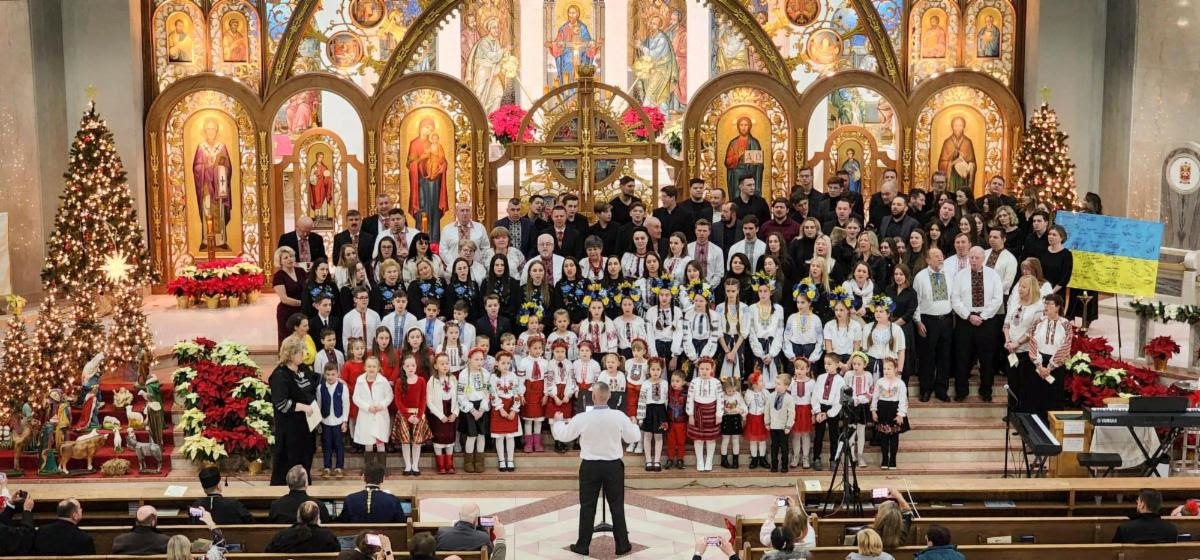
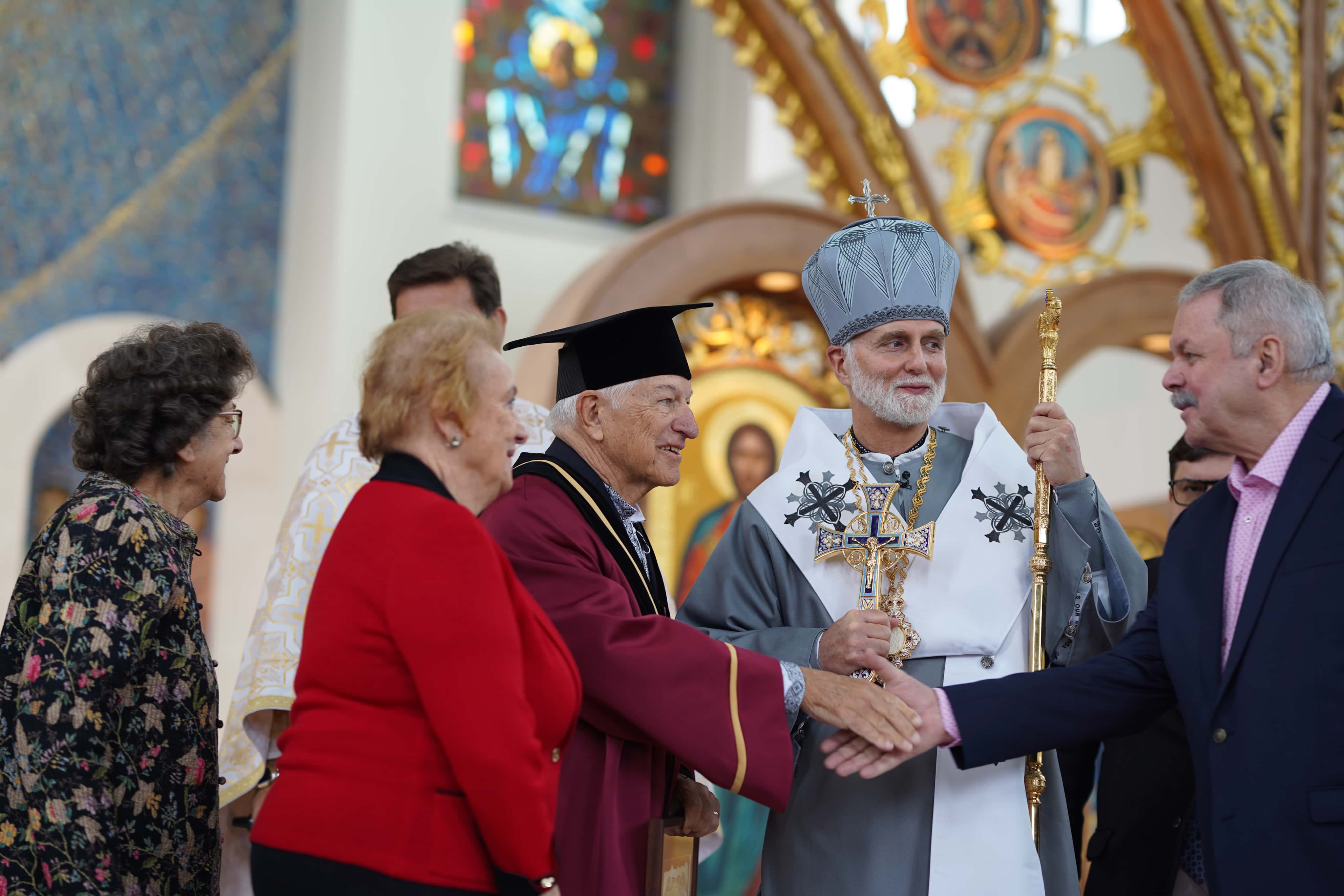
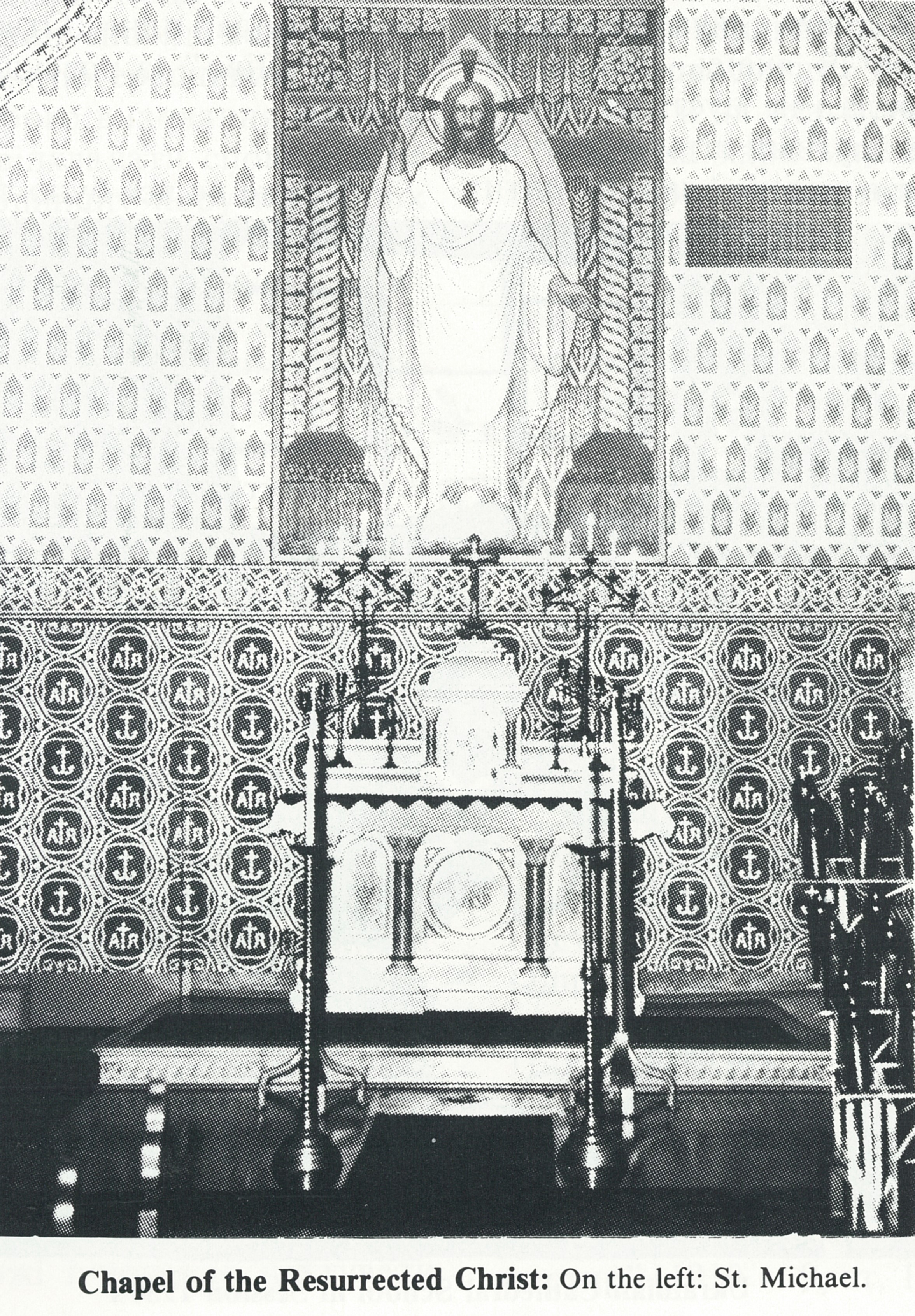
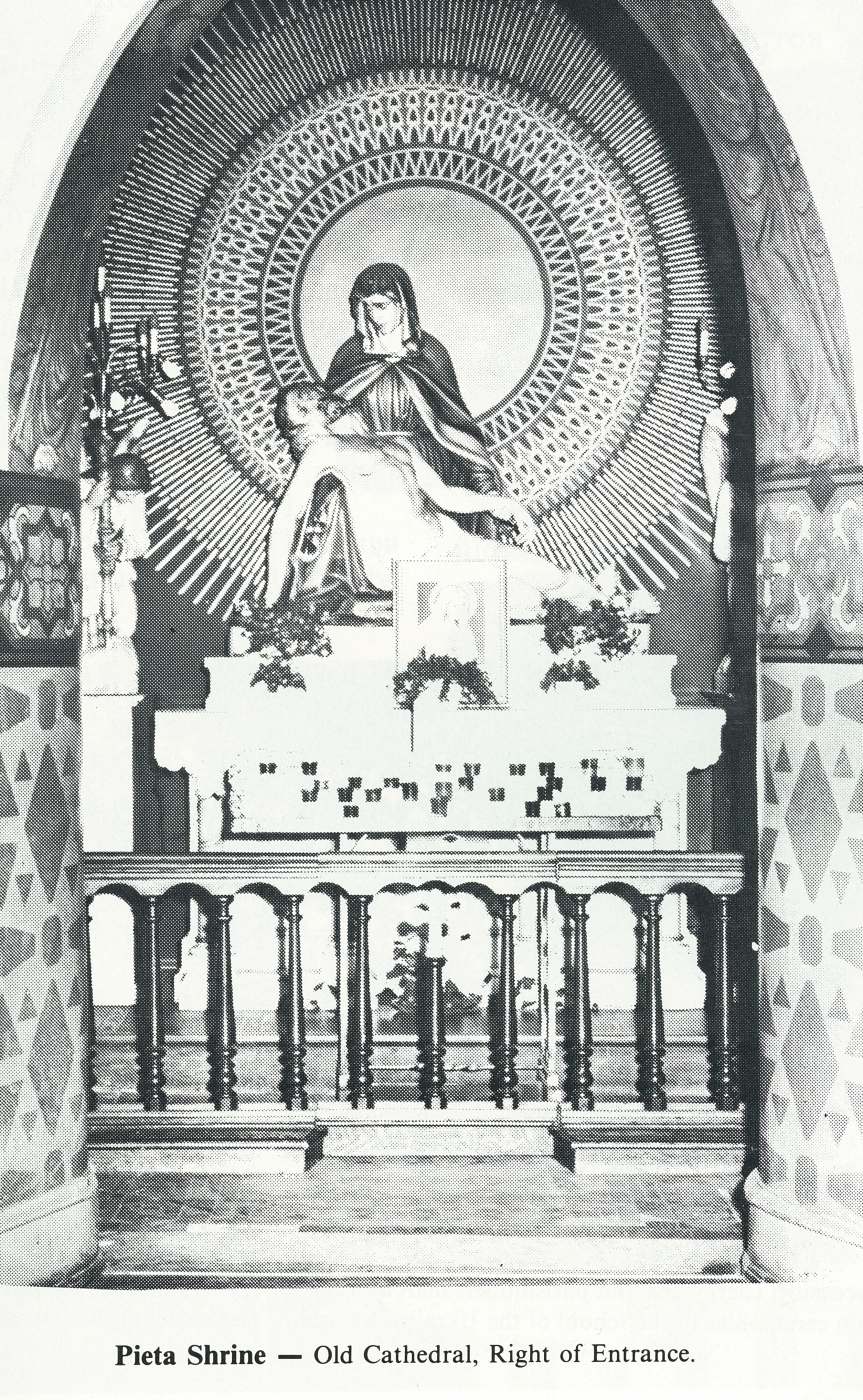
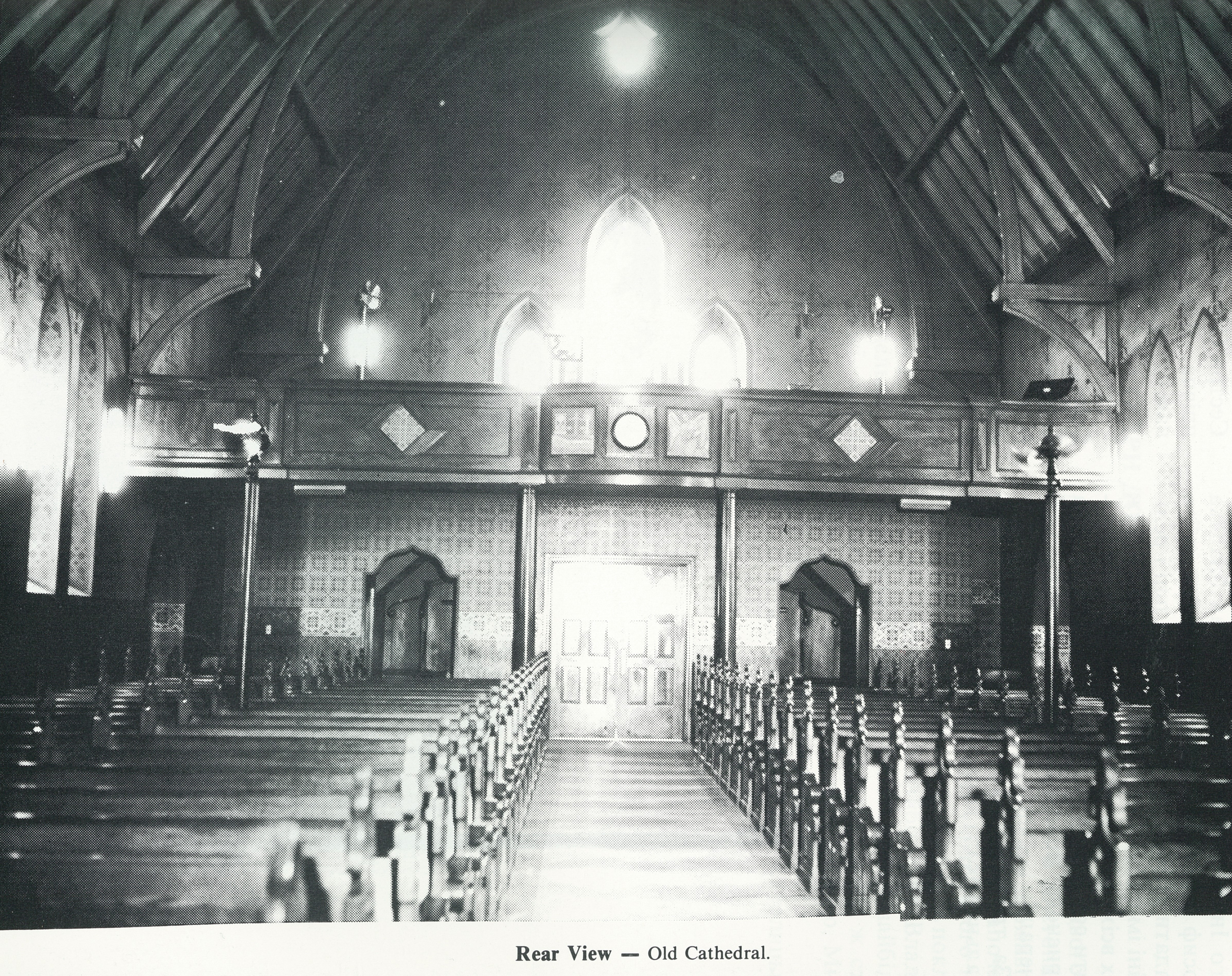
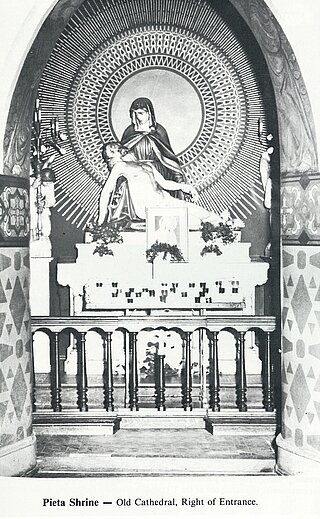
The Feast of the Immaculate Conception of the Blessed Virgin Mary by Saint Anne is special feast for our Archeparchy, as our cathedral is dedicated to the Immaculate Conception. The first Cathedral of the Immaculate Conception was located near the modern cathedral on Franklin Street in Philadelphia.
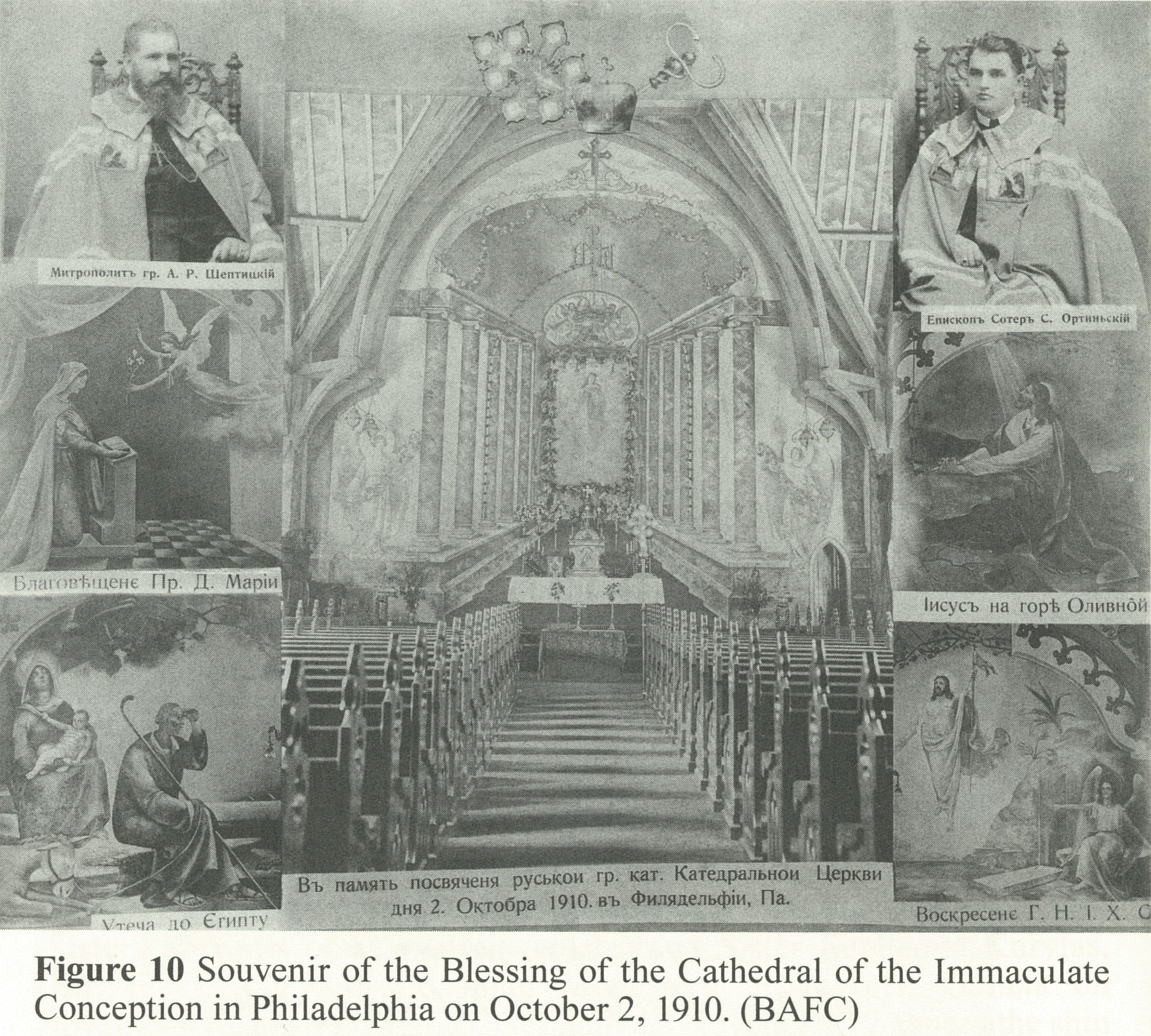
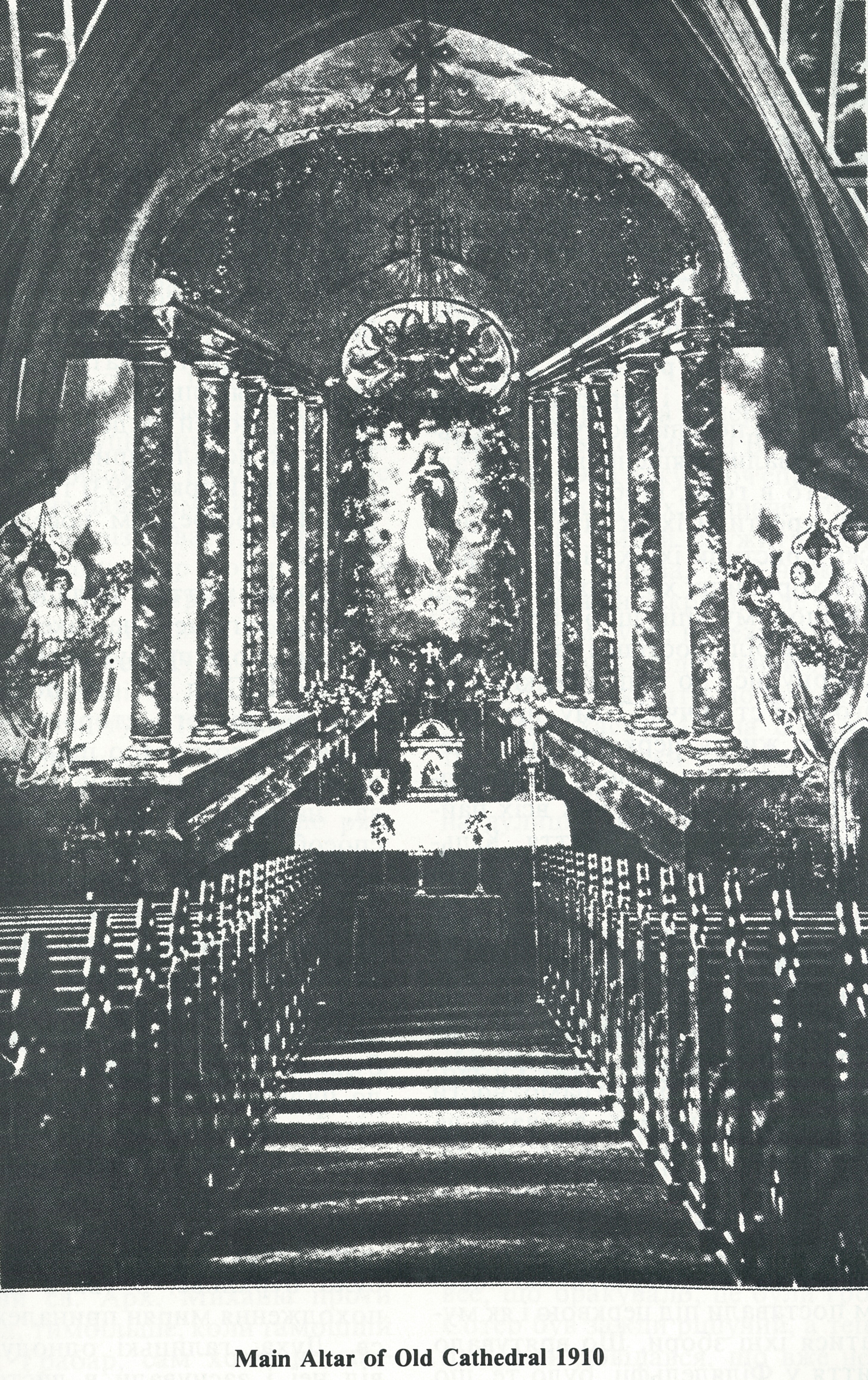
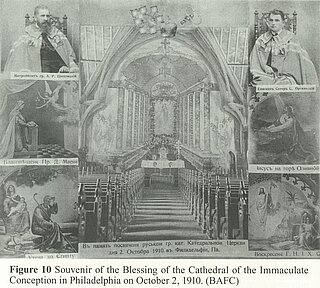
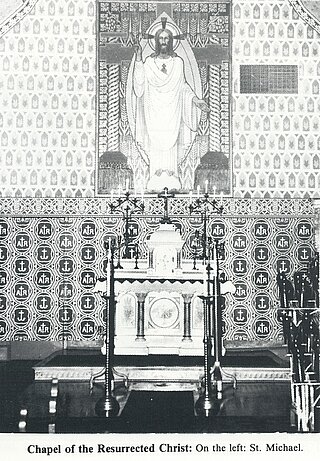
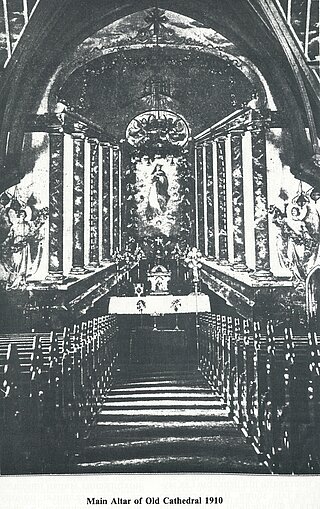
The first cathedral in Philadelphia was the Church of St. Jude, which Bishop Soter Ortynsky purchased from the Methodists in 1908. He was also the first pastor of this church. By 1910, repairs were made to adapt the church to meet the needs of our rite. The organ was removed, and in its place, a side chapel of Jesus Christ was built. An altar, carved by Josyf Kovalchuk, was installed, and a choir loft was added. Bishop Ortynsky also acquired an image of St. Josaphat from Munich, Germany, and a copy of Raphael's painting of the Madonna, which was hung on the wall behind the altar.
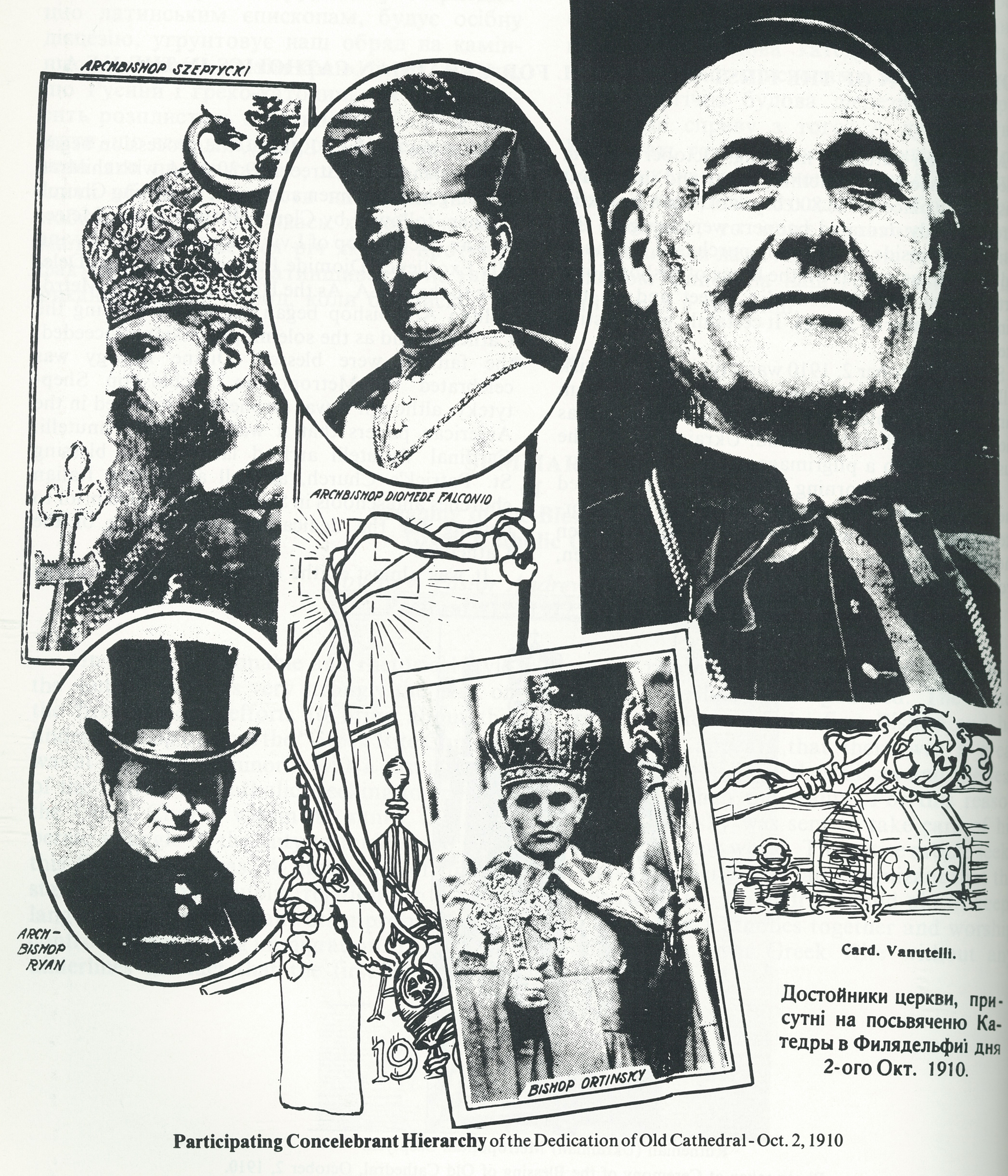
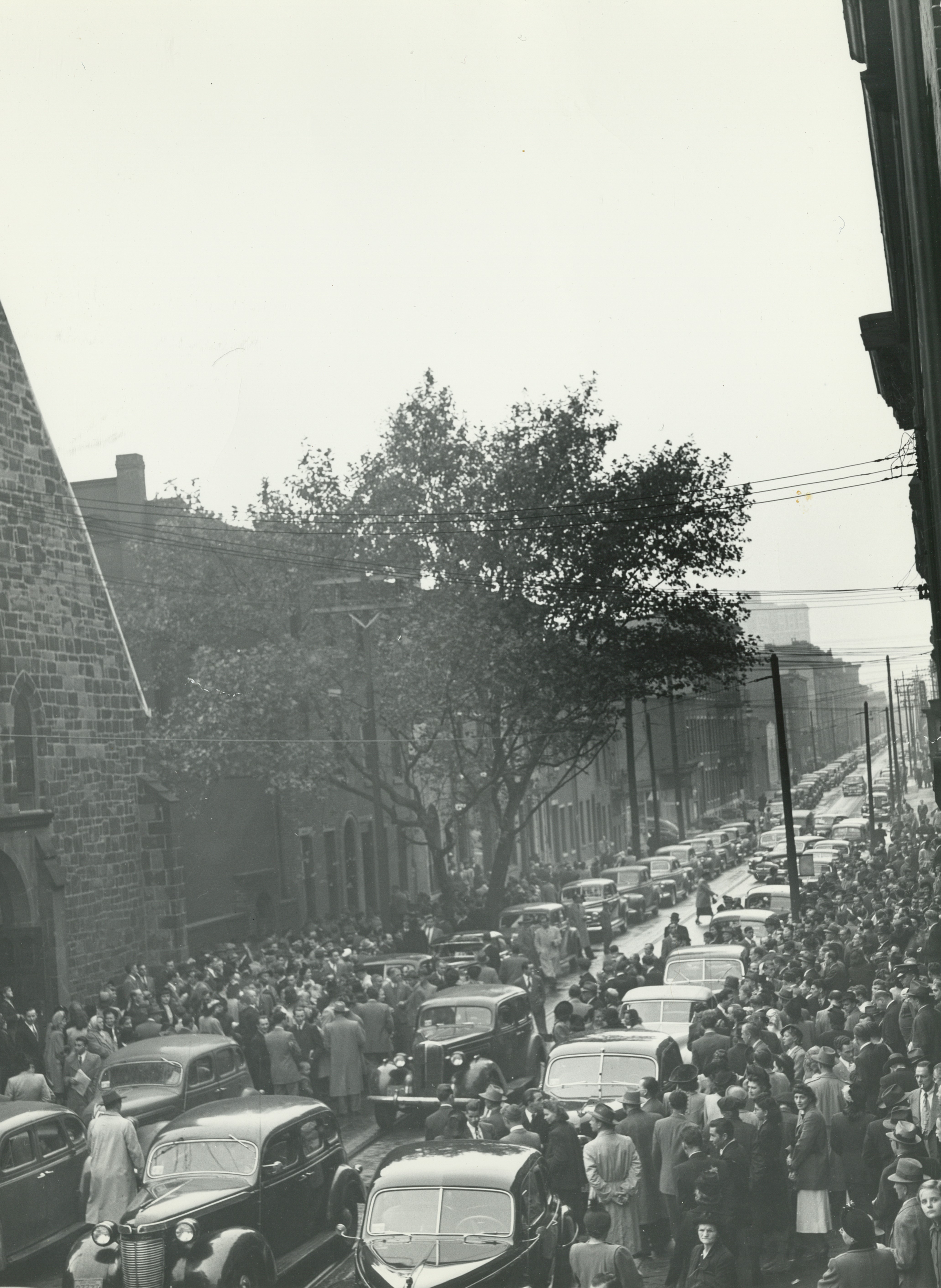
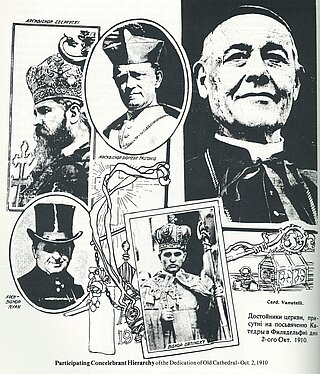
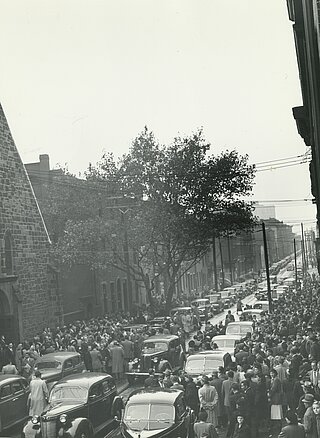
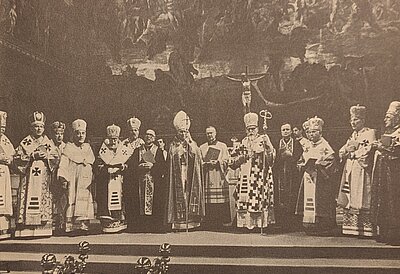
This cathedral was consecrated on October 2, 1910, by Metropolitan Andrey Sheptytsky, who concelebrated with the Apostolic Delegate, Cardinal Vanutelli. The event drew many faithful and priests to Philadelphia, along with people of various nationalities, including Lithuanians, Hungarians, Slovaks, and Jews. The celebration began at 9:30 a.m. with a procession from Brown Street and concluded with vespers, during which Metropolitan Sheptytsky preached. The event was widely covered, not only in our press but also in the American media.
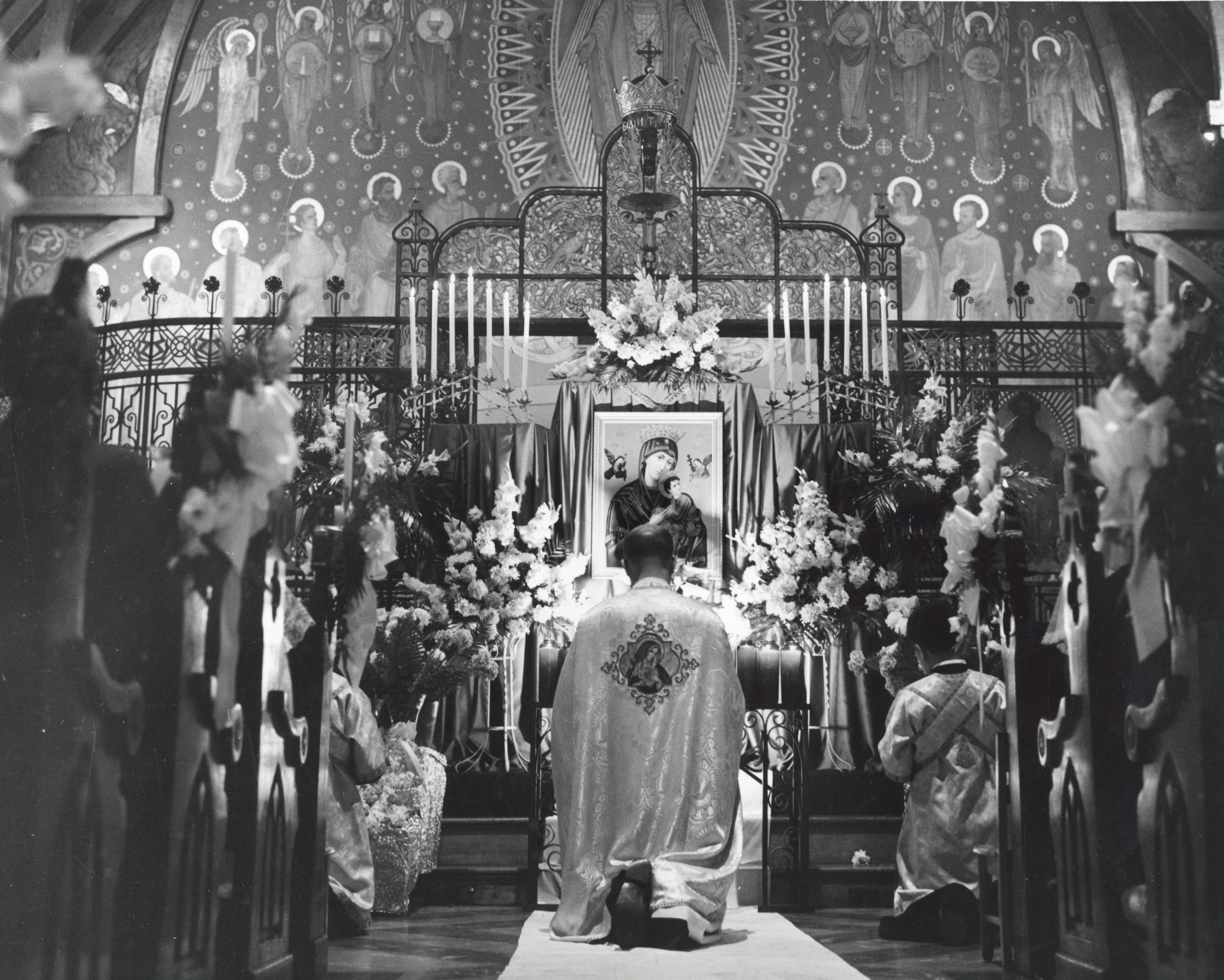
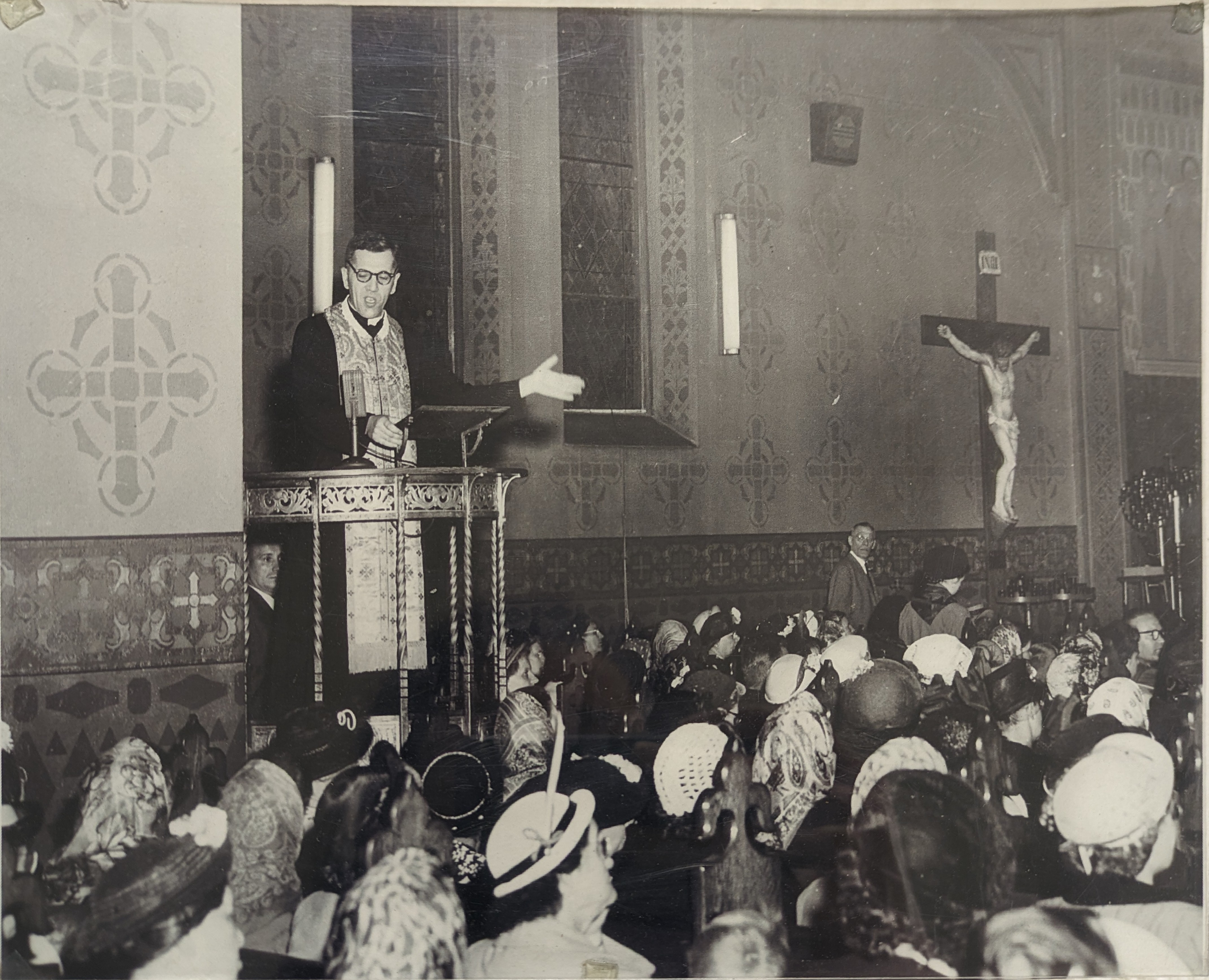
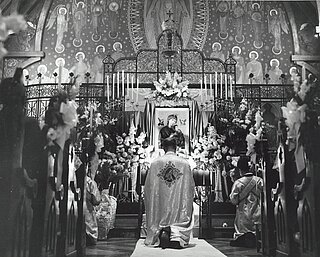
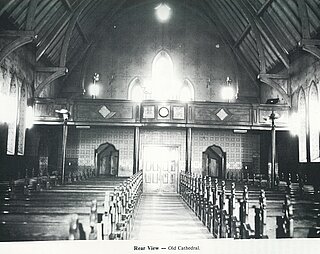
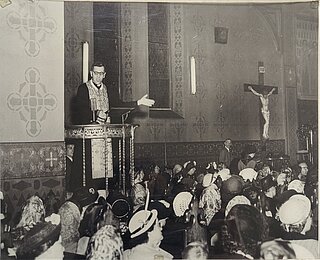
In the early 1940s, under the pastorate of Father Fylymon Tarnavsky, with Father Vasyl Fedash as assistant pastor, the second renovation of the cathedral took place. Many functional updates were made: the central entrance from the street was opened, and a prytvor was added; convenient stairs to the choir loft were built, with confessionals installed beneath them. The sanctuary, previously closed off and used as a church hall, was restored. An additional sacristy and the altar of the Most Holy Theotokos were added on the left side. A heating system, electricity, and a sound system were also installed, adding comfort and modernizing the cathedral.
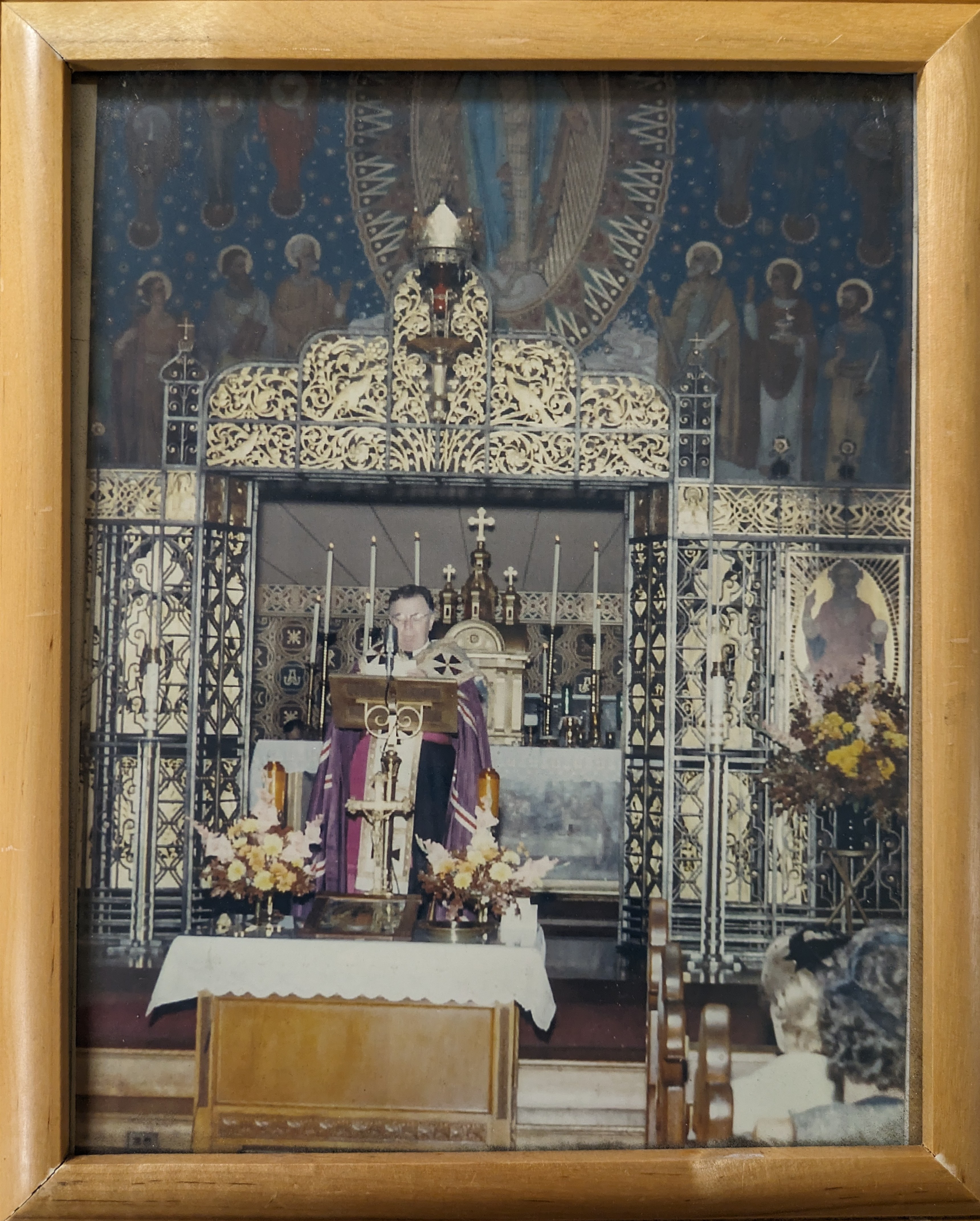
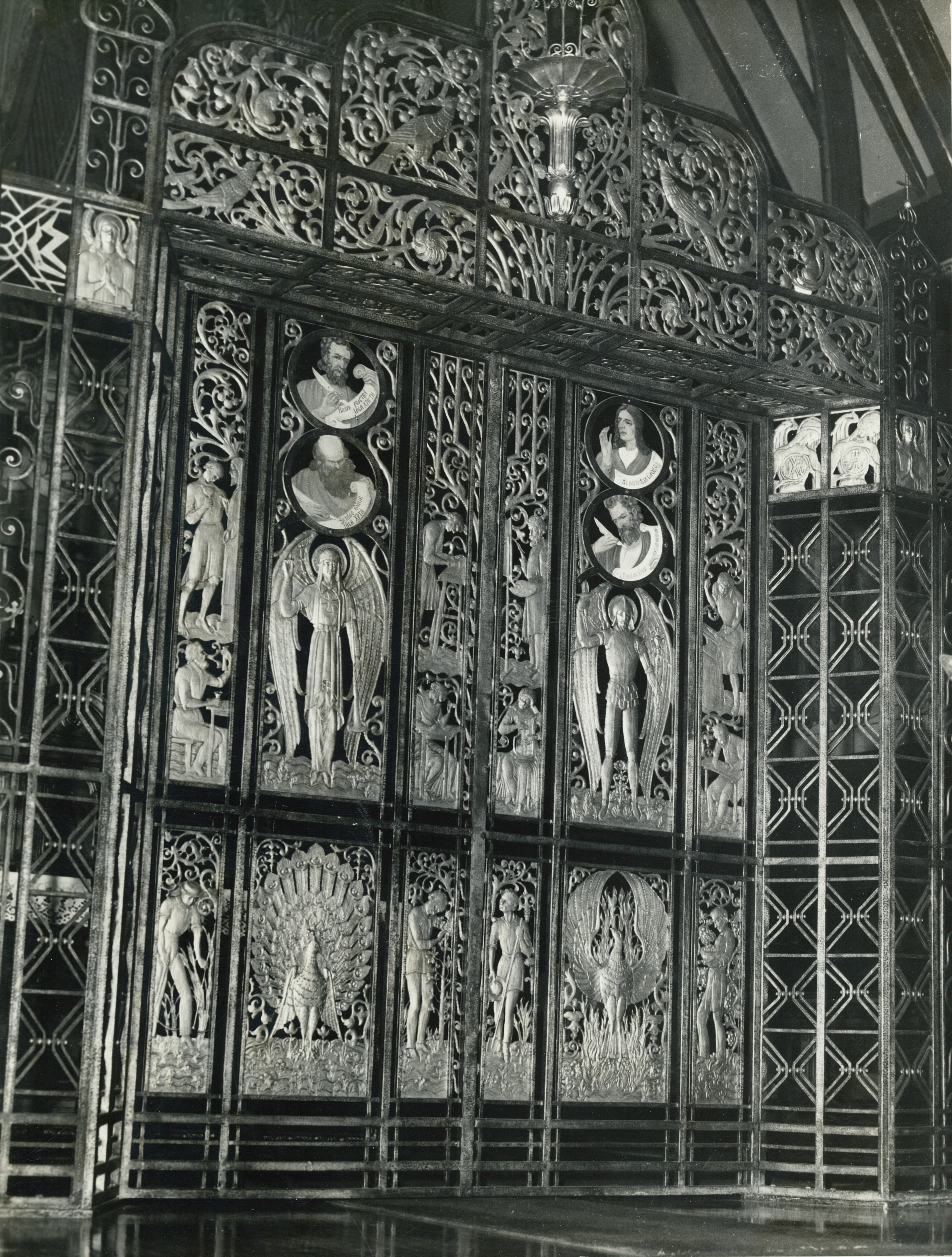
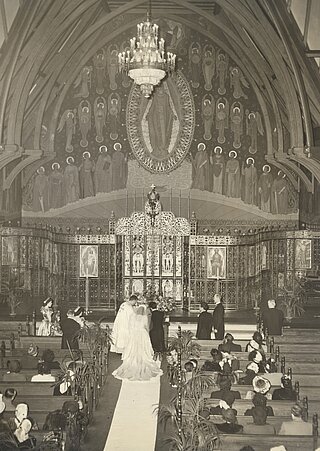
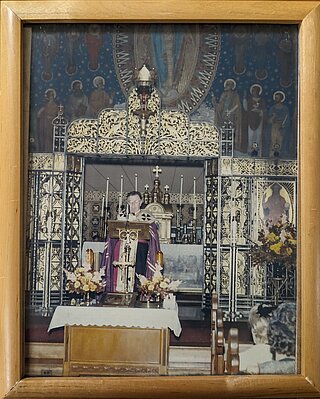
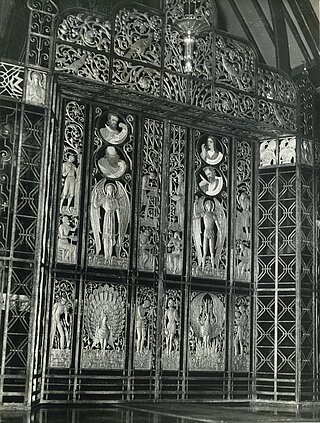
The most significant change was the painting of the cathedral and the installation of an iconostasis. The artist Frank Aretz from Pittsburgh was commissioned to paint the church, with design advice from Fathers Tarnavsky and Fedash. On the apse of the temple, against a blue sky, an icon of the Virgin Mary, surrounded by angels and apostles, was painted, while the four evangelists adorned the ceiling. The side walls of the sanctuary featured Byzantine and Ukrainian saints, including Sts. Borys and Hlib, Constantine and Helena, John Chrysostom, Basil the Great, Cyril, and Methodius. A magnificent wrought-iron iconostasis in the Art Deco style was also installed, which we wrote about earlier this year in February.
Later, in 1949, the cathedral’s floor was replaced, and repairs were made to the basement, where the body of Bishop Soter Ortynsky was kept in the crypt. Those who still remember this cathedral recall it as small, somewhat dark, but very cozy.
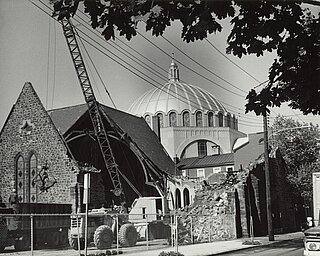
In the early 1960s, Metropolitan Ambrose Senyshyn decided to build a new cathedral. In 1968, the old Cathedral of the Immaculate Conception was demolished.
We are pleased to share with you photographs of the church that served as the cathedral for our bishops in Philadelphia for 58 years. This historic church on Franklin Street was the first center of church life for our faithful.