The Feast of the Presentation of the Lord
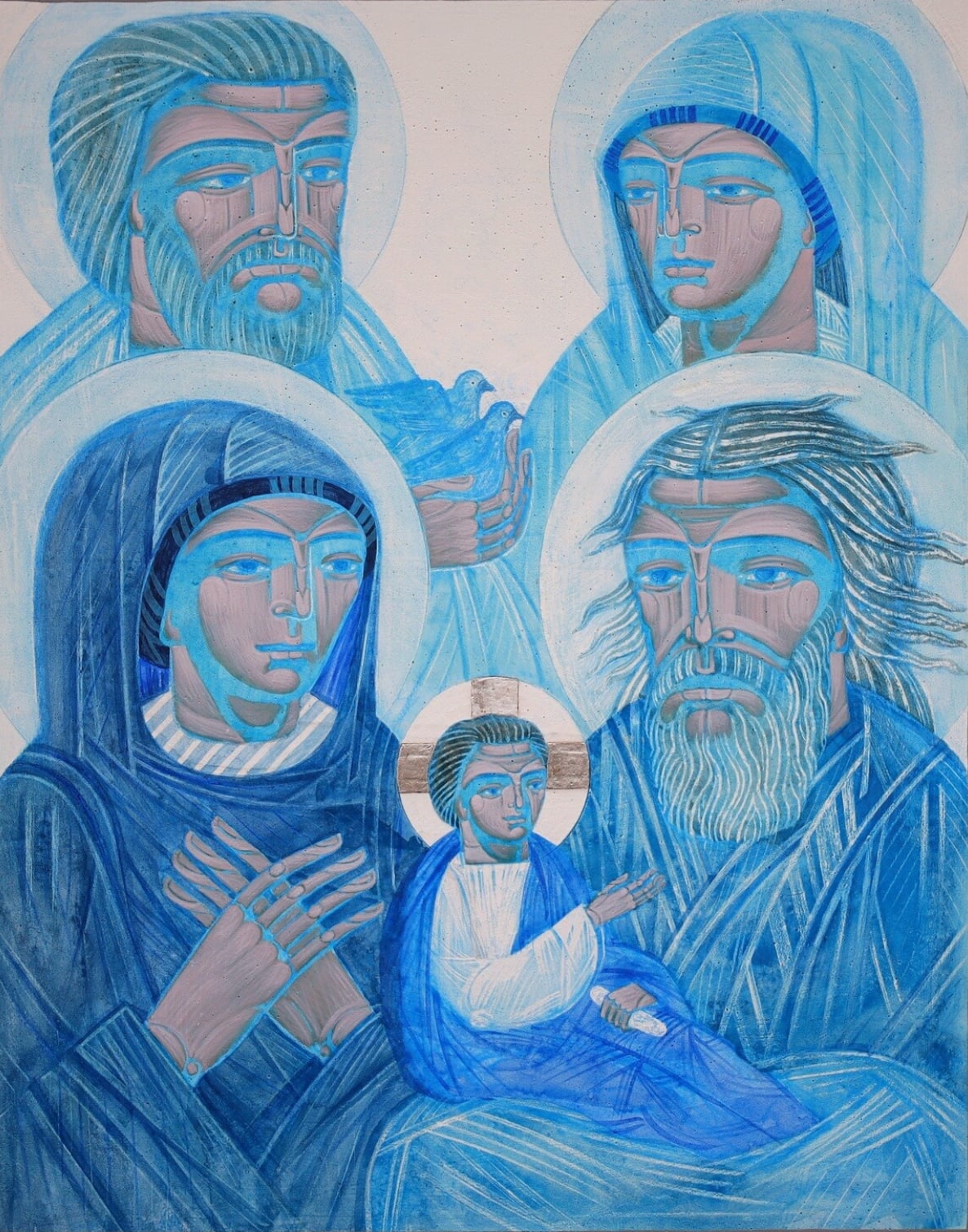
The Feast of the Presentation of the Lord is a feast about which much has been written. We all know its essence — an eschatological encounter: the meeting of the Old and the New Covenants, Law and Grace, expectation and fulfillment, humanity and God. But what does this feast mean for me, for a person living in the twenty-first century? For someone who already knows that the Messiah was born, that He died, redeemed us, and that salvation now becomes a matter of our response.
God does not come when you are strong, but when you are truthful with yourself.
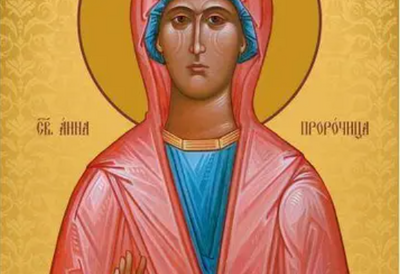
Simeon and Anna are tired, elderly people, without illusions, without projects “for the future.” Simeon lives with the conviction that after encountering the Messiah, he may peacefully die. Anna was likely over eighty-four years old. She lived in a patriarchal society in which she was not legally equal to men, could not serve as a formal witness in court, could not publicly teach the Torah. Her social status was defined through her father, husband, or sons — and since she had none of them, how much more vulnerable could she be?
Yet in this entire situation, Anna prays, fasts, and serves. It becomes clear that her motivation is not human praise. She does not act out of narcissistic desires to become someone or to prove herself; rather, in silence, she seeks God and nurtures her faith. Though the law prevented her from being a “voice of authority,” she became a spiritual authority and a witness to God’s coming. Saint Ambrose writes: “Anna does not seek the temptation of human praise; she gives birth to faith, not to glory.”
Simeon does not govern the Temple, does not teach the Law, and does not strive to be an example for others. Through prayer, patience, and inner watchfulness, he prepares himself for the encounter with the Messiah, knowing that this meeting will be the culmination of his life. It is precisely in silence and in readiness to accept God’s will that he becomes a spiritual authority and a prophet, because he recognizes God where others fail to notice His action.
The Presentation of the Lord is the feast of a person who no longer wants to hold on to God, but is ready to allow God to hold on to them.
Objectively, for us — people of the twenty-first century — it is difficult not to control, not to plan our lives thirty years ahead, not to measure everything by effectiveness. Yet the Feast of the Presentation shows that Anna, who could plan nothing at all and nevertheless embodied faithfulness in her own time, sees the Messiah. Simeon, as a man, could have lived solely by the principles of “efficiency” or “productivity,” yet he too finds the Messiah because he learned how to wait, remaining faithful to God’s promise. Yes, this is difficult for modern people — to plan and yet release control, to be effective while maintaining healthy motivation, to receive the Messiah in silence and simplicity, without special effects. But is that not the very essence of the joy of receiving a gift? When, after waiting, you receive something you never even dared to dream of.
Halyna Vasylytsia