85th Anniversary of St. Josaphat Seminary

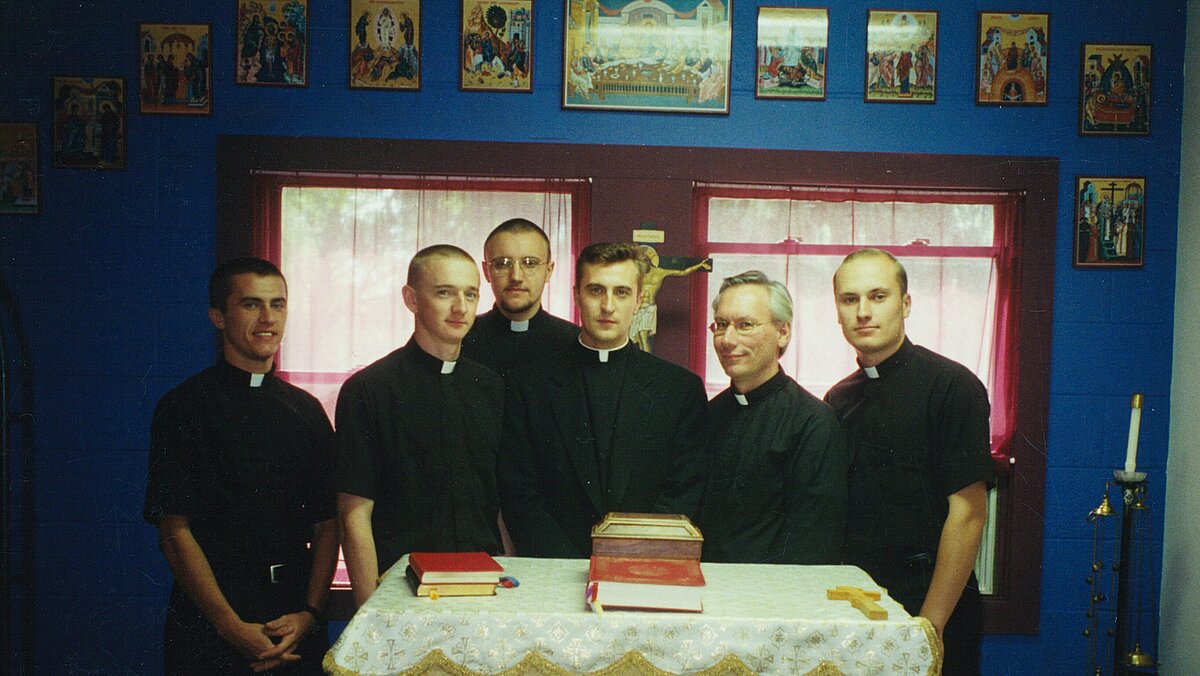
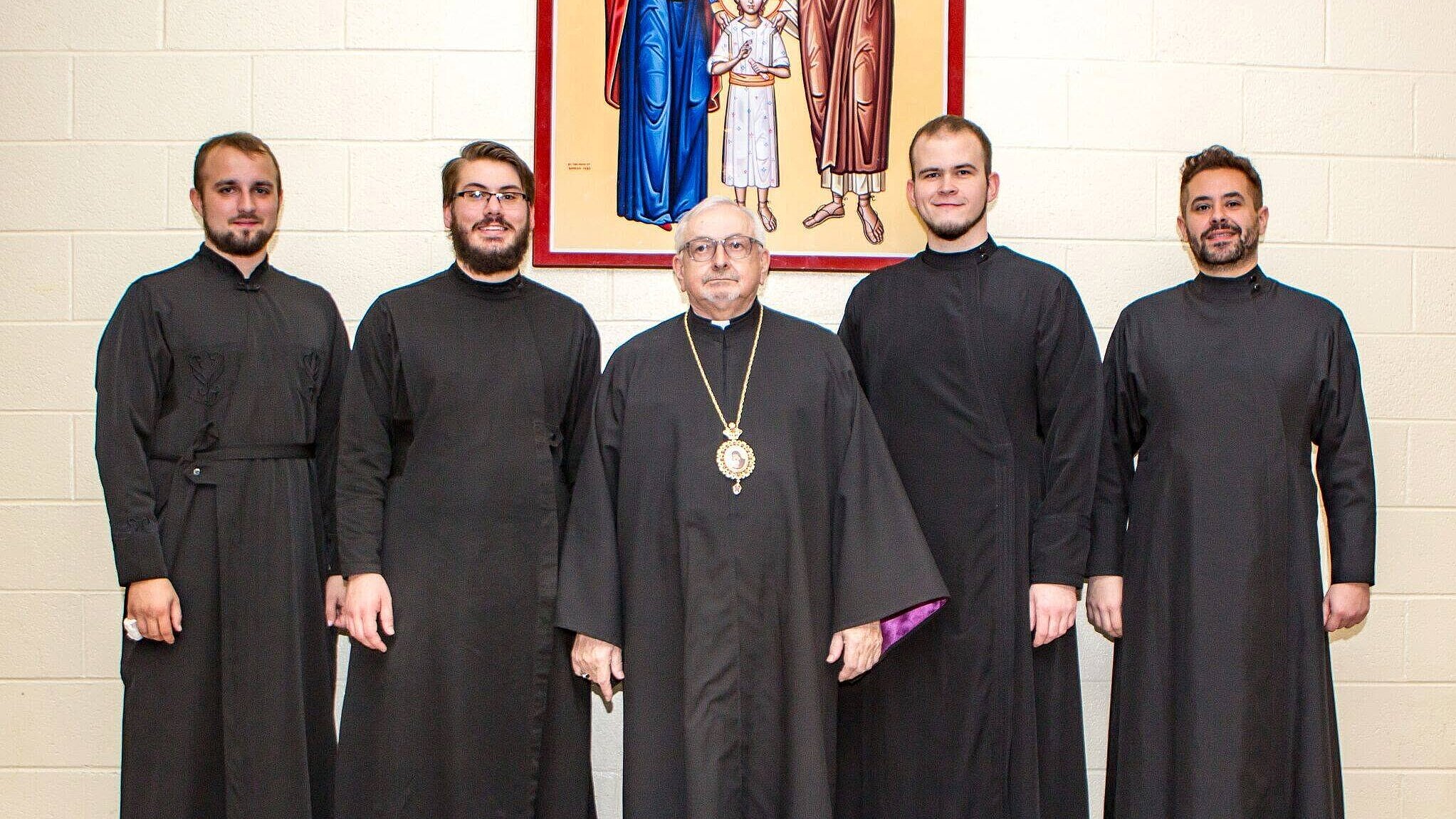
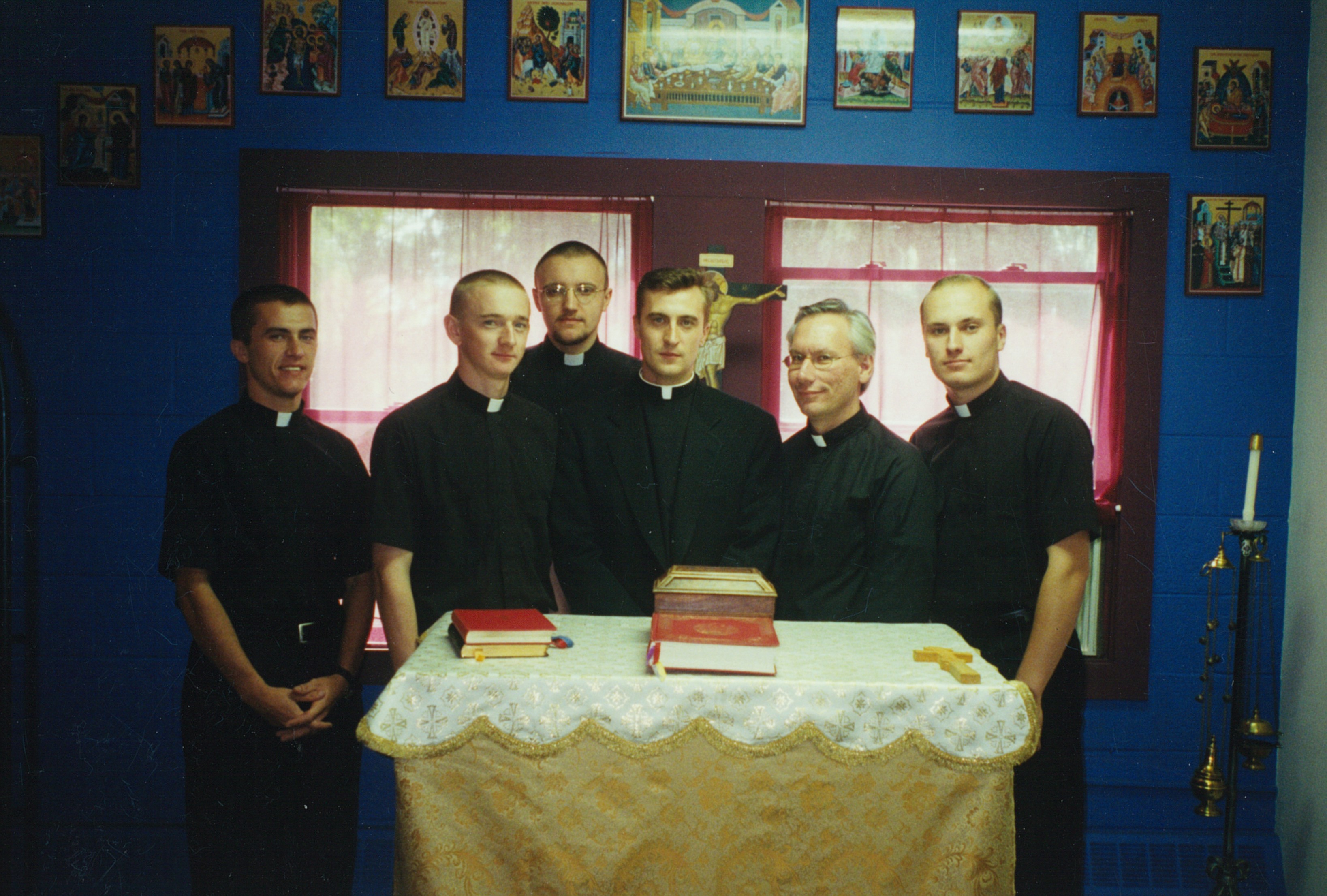
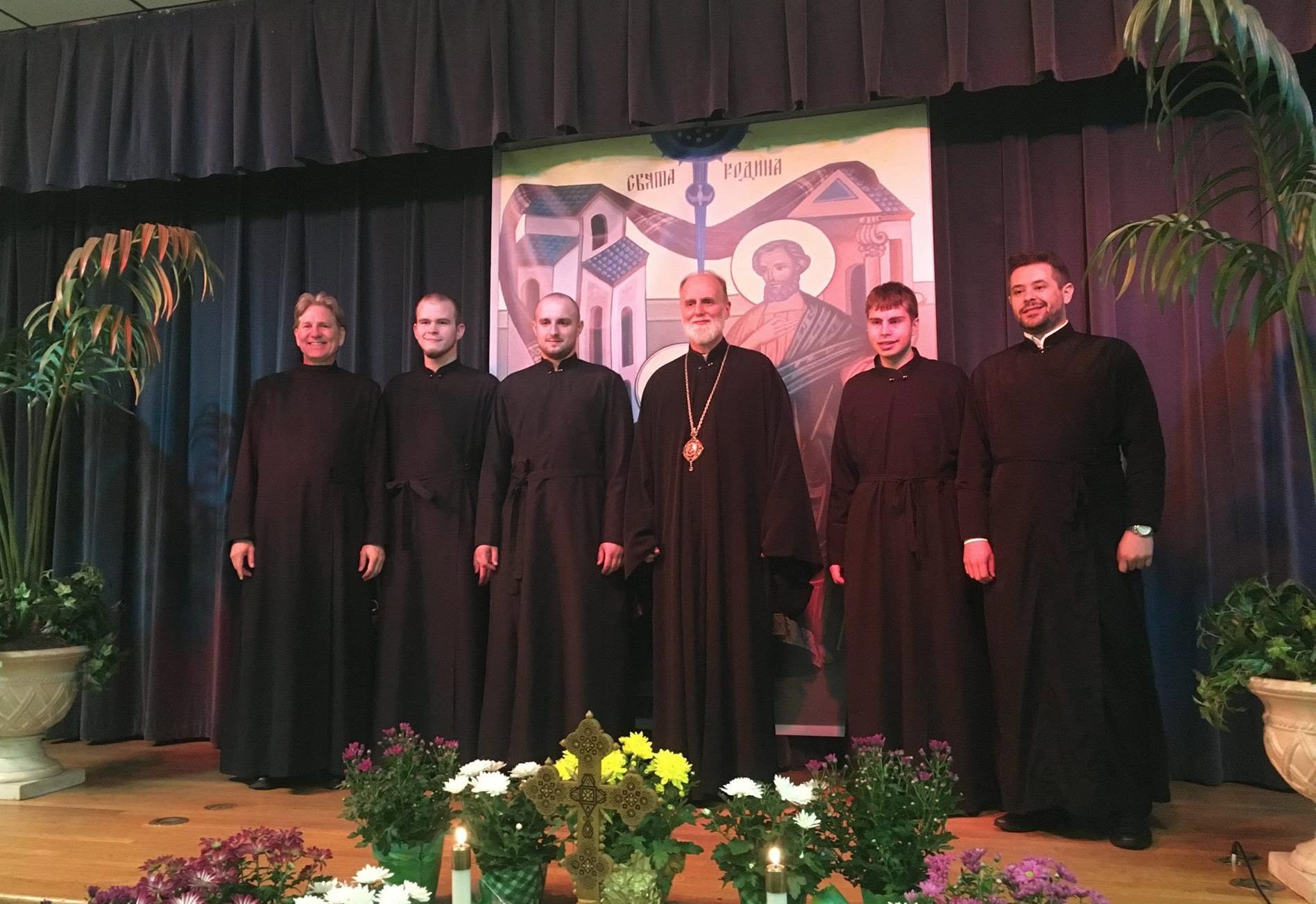
This September marks the 85th anniversary of the founding of St. Josaphat Seminary in Washington, D.C. This event was an important step for Bishop Сonstantine Bohachevsky in his plan to develop a formation program for future priests for our Church in the United States of America. In this article, we want to tell you about the prerequisites for the creation of this seminary and its history. This story will be about not only the walls but also the community that grew and developed, and the future priests who were formed here to serve our Church in the United States and around the world.

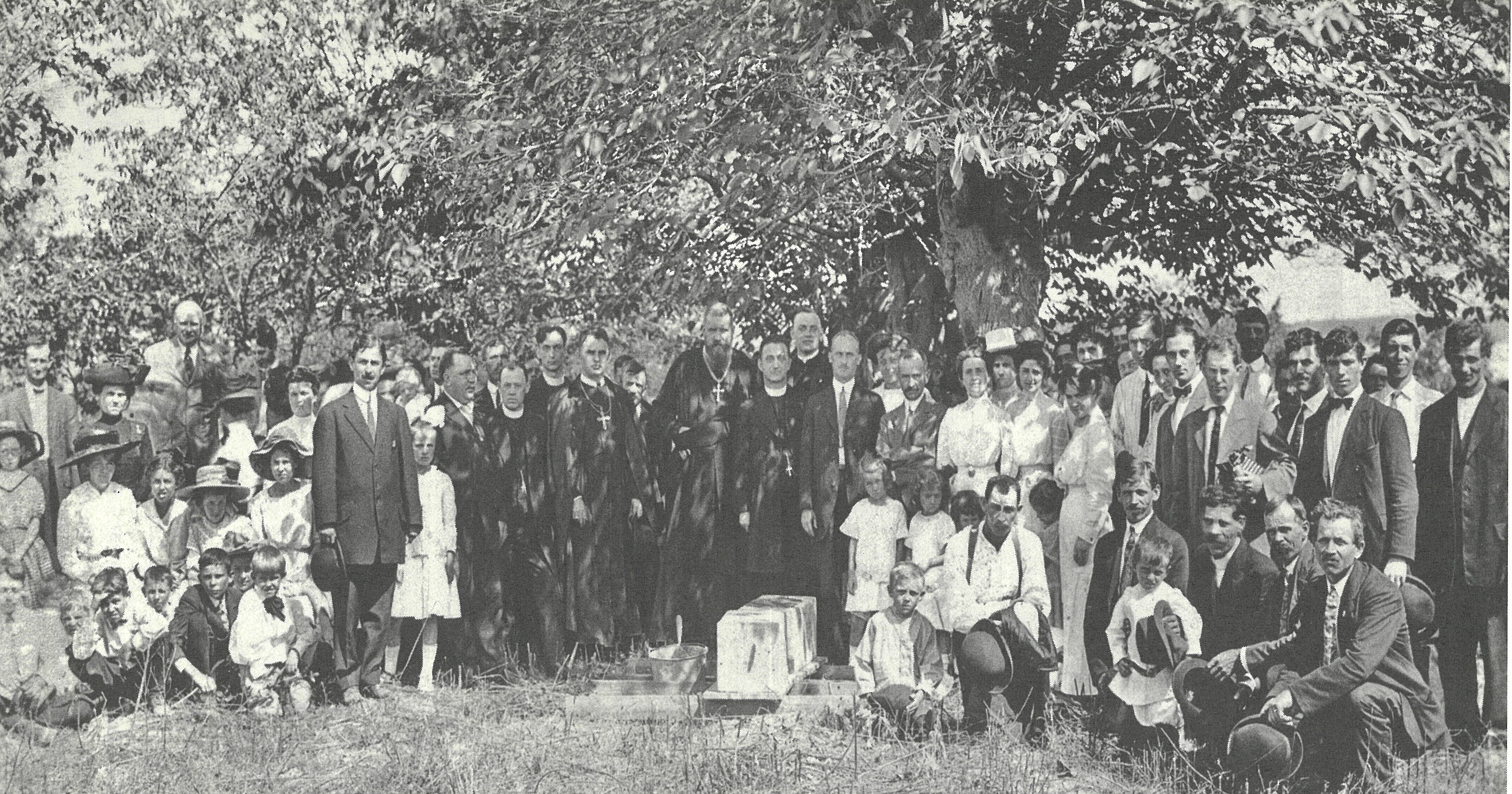
Nurturing vocations to the priesthood and the formation of future priests have been important to our Church in the United States from the beginning of its existence here. Bishop Soter Ortynsky, upon arriving in the States, began planning for a future seminary. During one of his first meetings with priests in October 1907, he discussed this issue with them. In 1910, Bishop Soter purchased land in Yorktown, VA, and on September 22 of that year, Metropolitan Andrey Sheptytsky blessed the site for a future seminary. Unfortunately, Bishop Ortynsky was unable to bring this idea to life. First, World War I, and then his sudden death in 1916, prevented the establishment of a Ukrainian seminary in the United States.

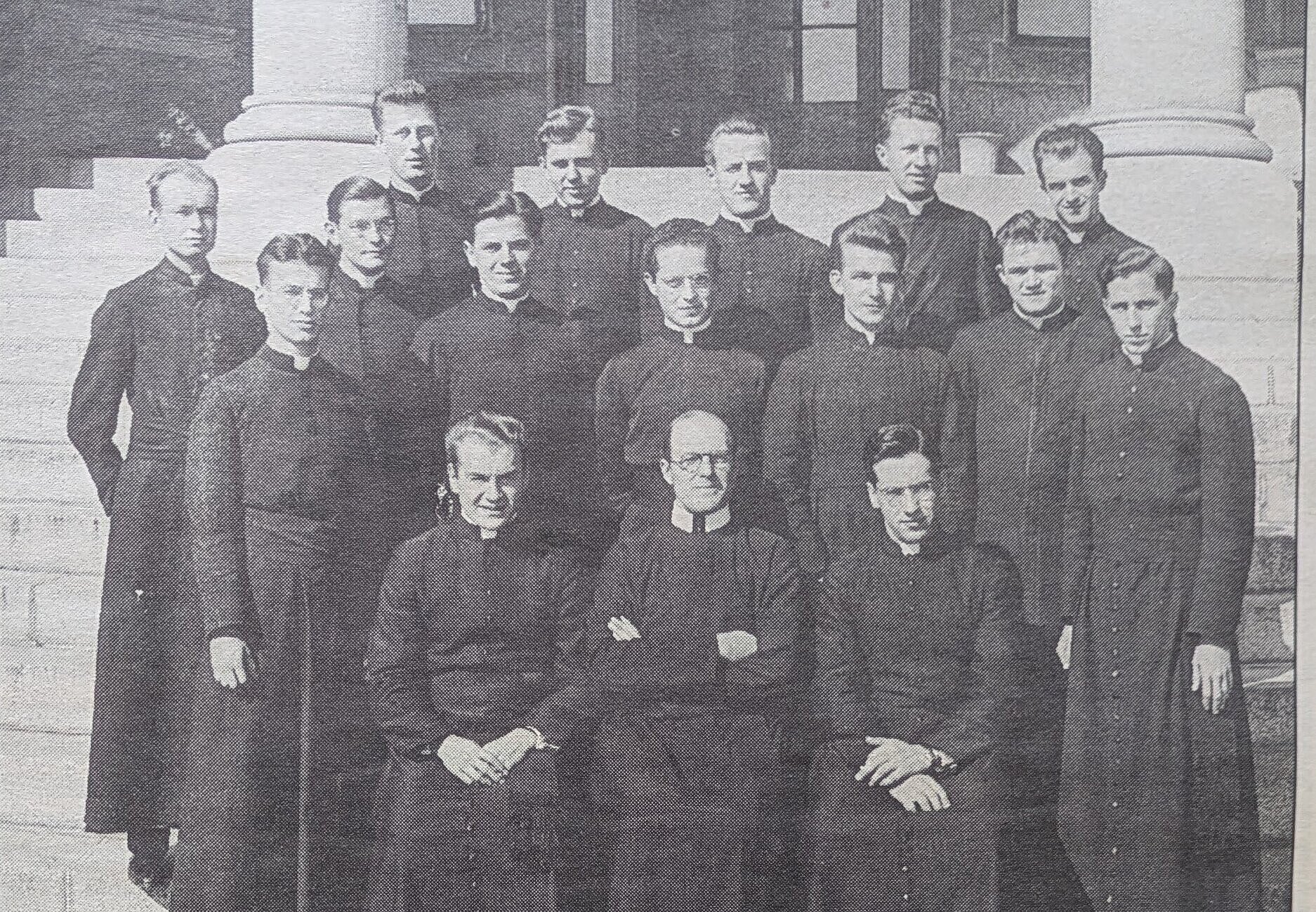
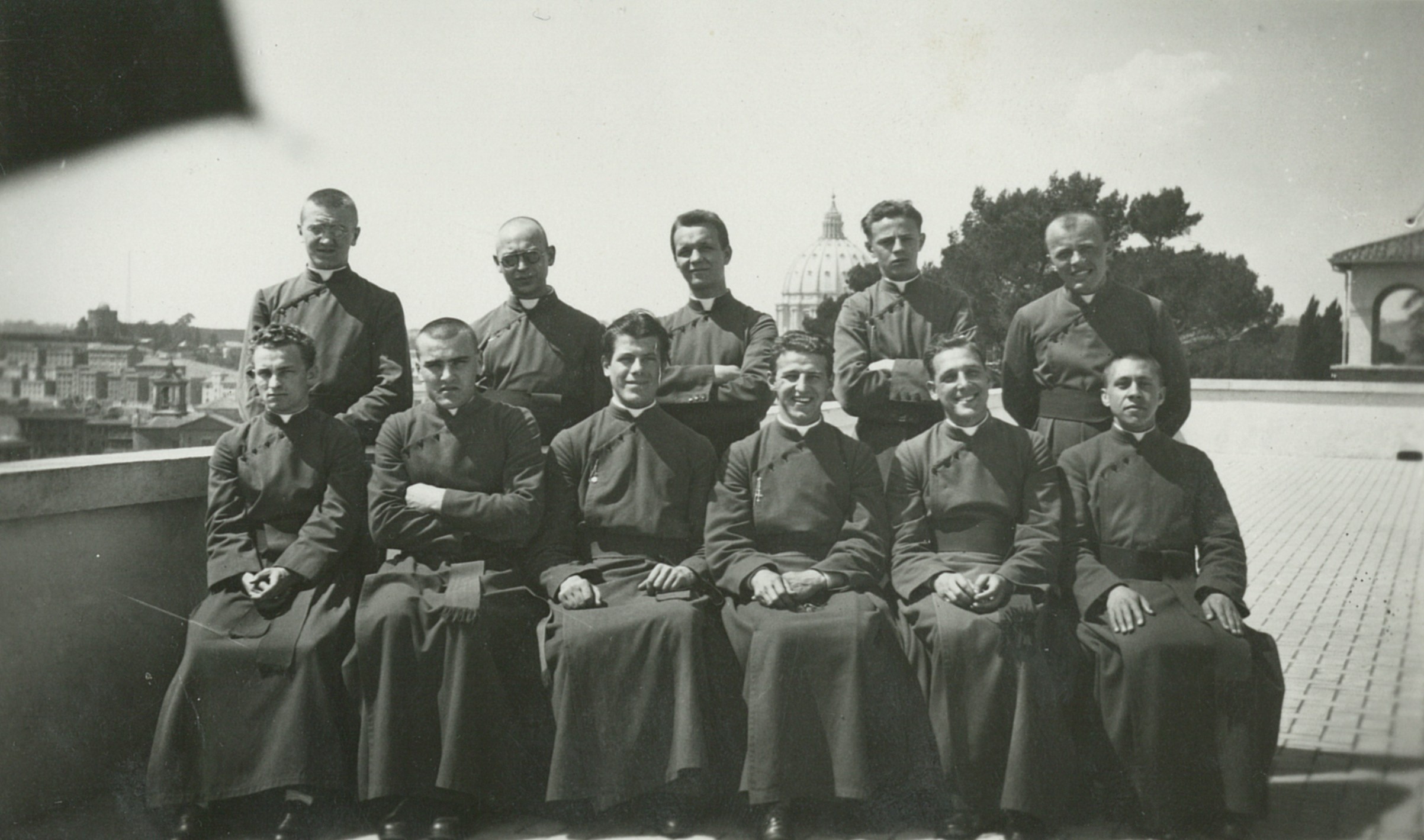
The arrival of Bishop Constantine Bohachevsky to America in 1924 began a new stage in the life of our Church in this land. The formation of new priests and the nurturing of vocations were among the important elements of the new bishop's activities. In the first year after his arrival in the United States, Bishop Bohachevsky established a minor seminary in Philadelphia, which he called the St. Paul Institute. In this seminary, boys received formation while studying at Catholic high schools in Philadelphia. Some of them then continued their theological studies in Rome. Among them were Fr. Stephen Chehansky, Fr. Basil Feddish, Fr. Stephen Knapp, Fr. Michael Bobersky, Fr. Leo Pelensky, Fr. Michael Skorodynsky, Fr. Joseph Schmondiuk, Fr. John Bobyock, and Fr. Stephen Hrynuck. Since 1926, Fr. Paul Procko has been the rector of the minor seminary.

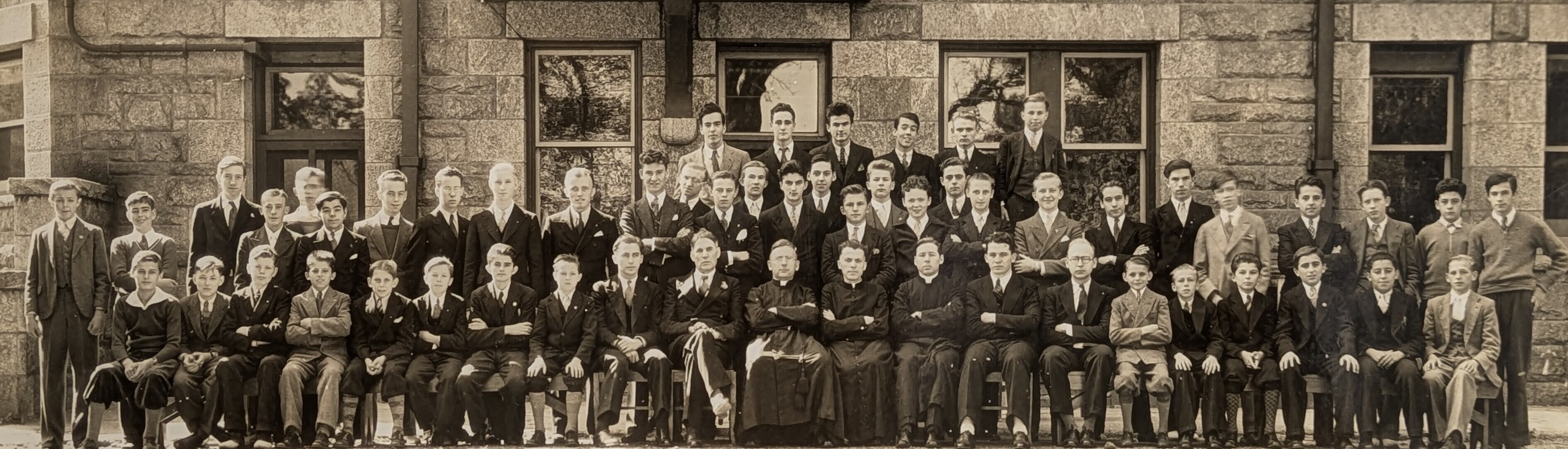
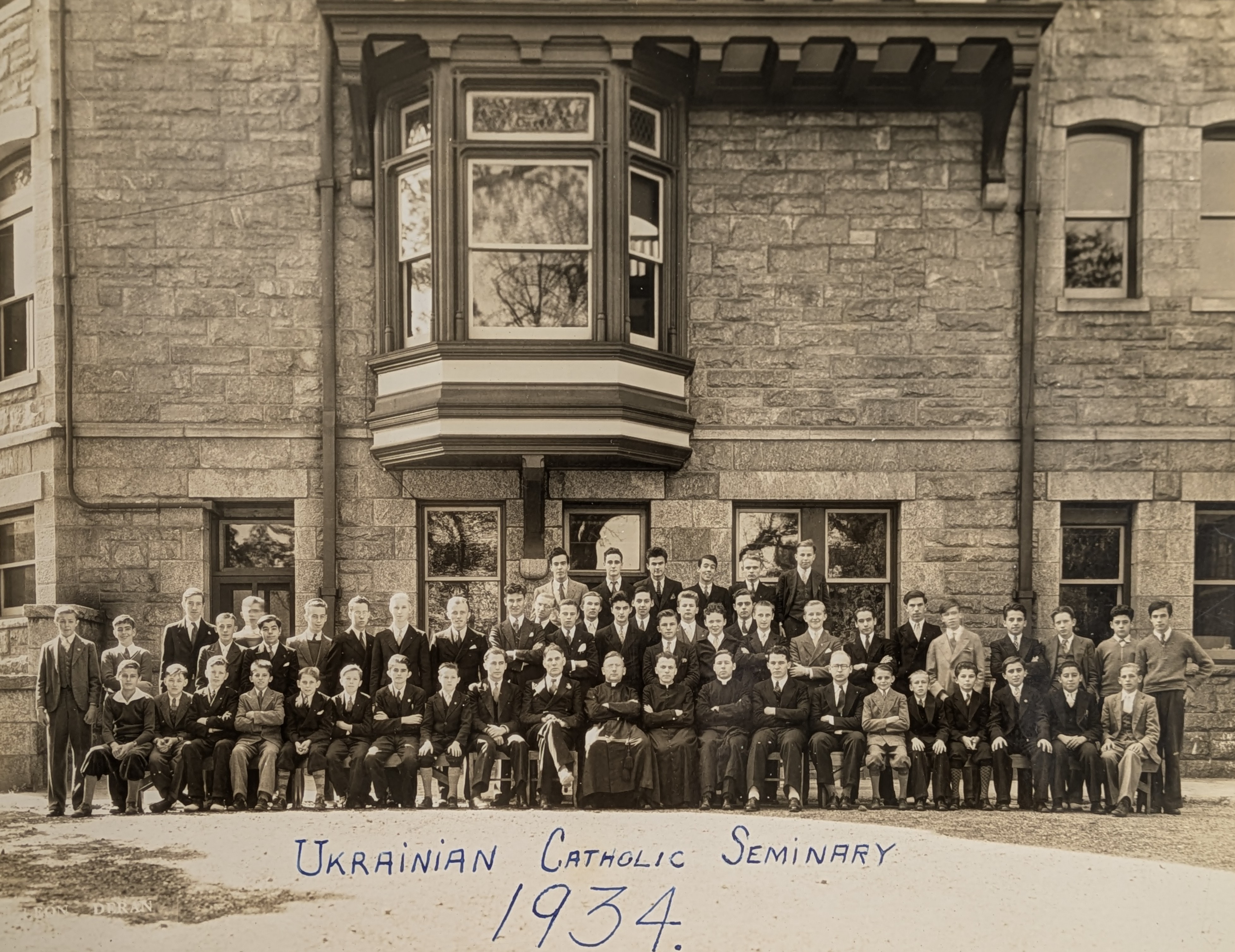
In 1933, Bishop Constantine opened the Ukrainian High School in Stamford, CT, and transferred the minor seminary there from Philadelphia. From this moment began one of the most important periods in the development of Ukrainian priestly formation in the United States. In 1939, a Ukrainian college was opened in Stamford, which became part of the formation program for future priests in the US. After studying there, some seminarians continued their education and formation in theological schools in Europe.

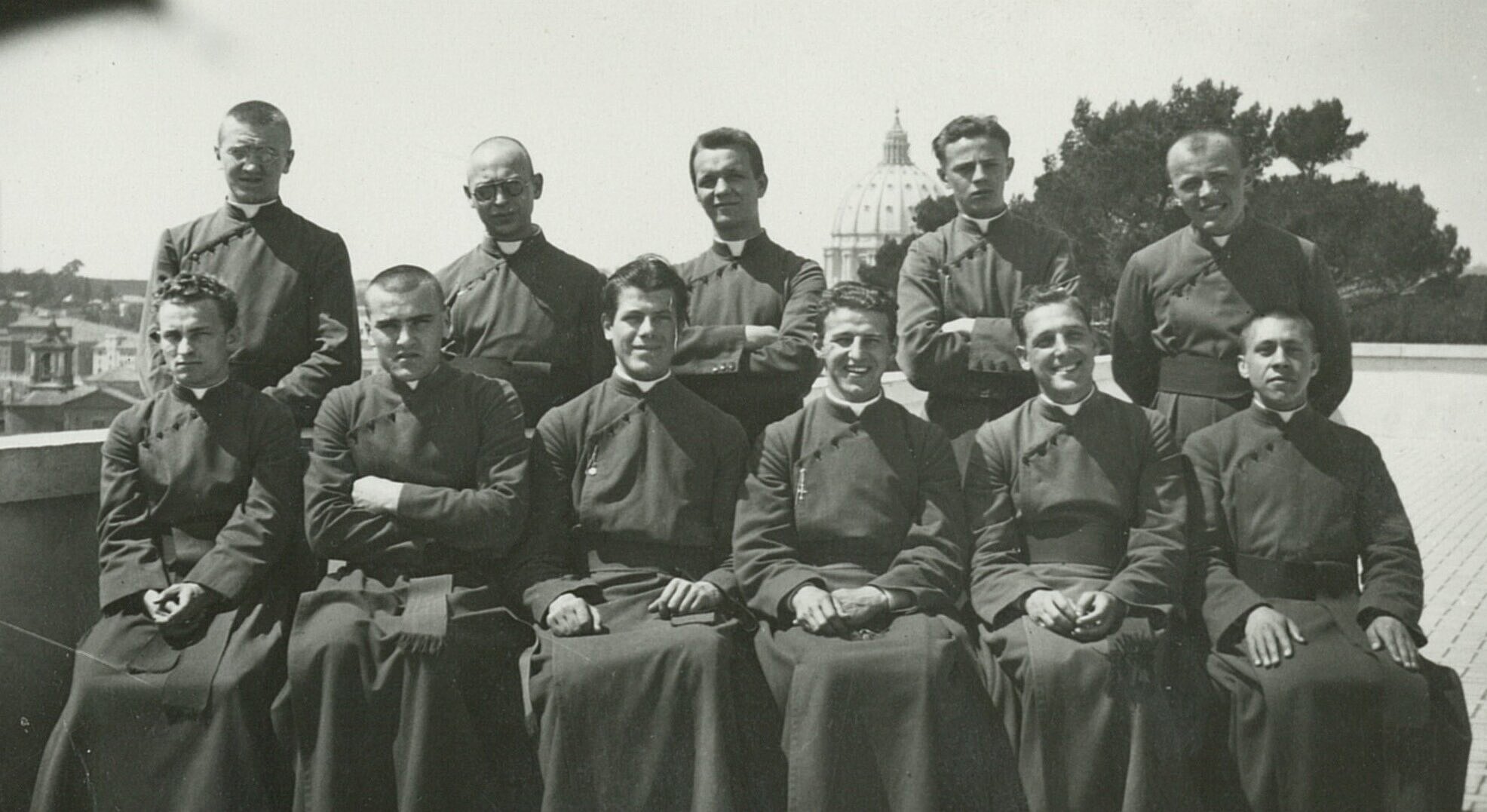
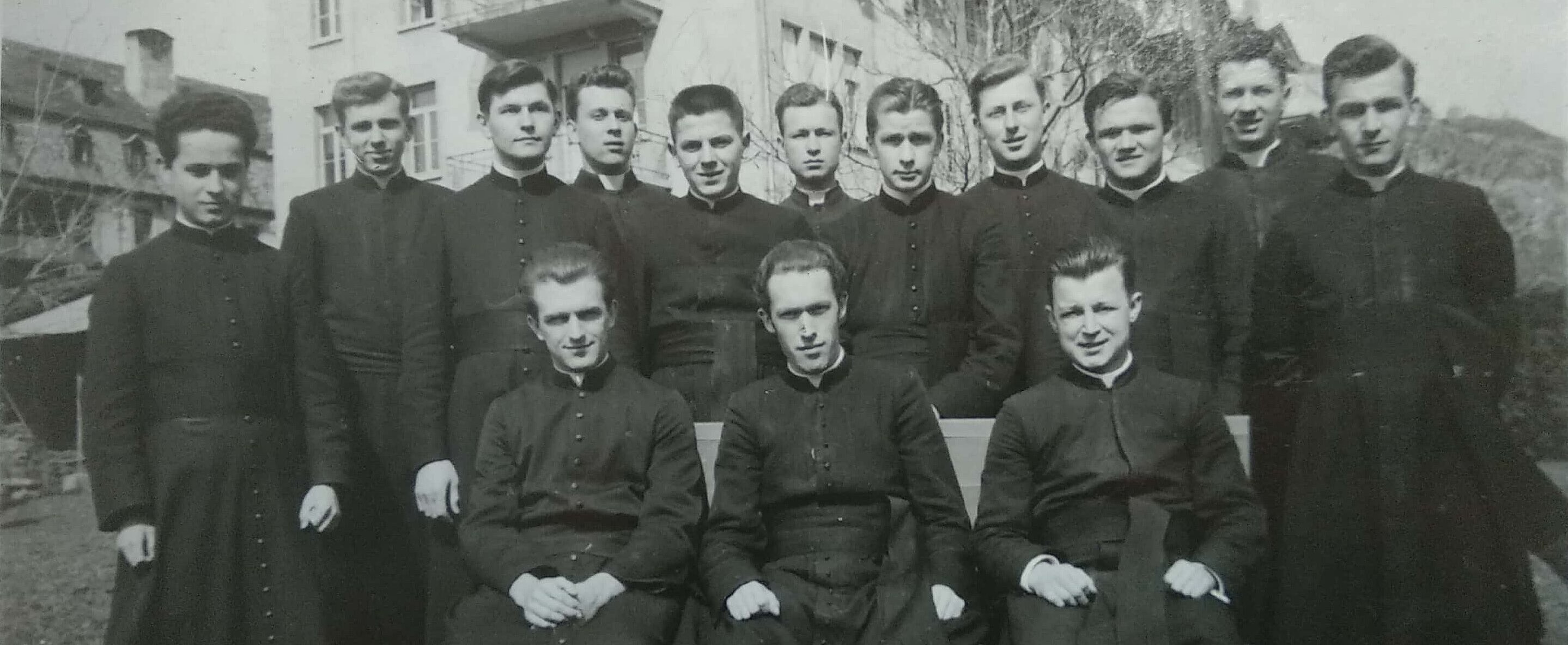
In the late 1930s and early 1940s, about 30 seminarians from the United States studied in Europe (Rome, Italy, and Sion, Switzerland). World War II prevented the completion of their studies, so in the spring of 1941, Bishop Constantine was forced to take them from war-torn Europe, and they were to complete their studies here in America at St. Mary’s Seminary in Baltimore, MD. This was a temporary solution to allow them to complete the academic year. The need for formation in its own Rite and spirituality, and for its own seminary in the United States, gave impetus to the founding of our seminary in Washington, DC. Although Bishop Constantine had previously sought to purchase premises for a seminary near Philadelphia, war and financial constraints prevented the plan from being implemented.

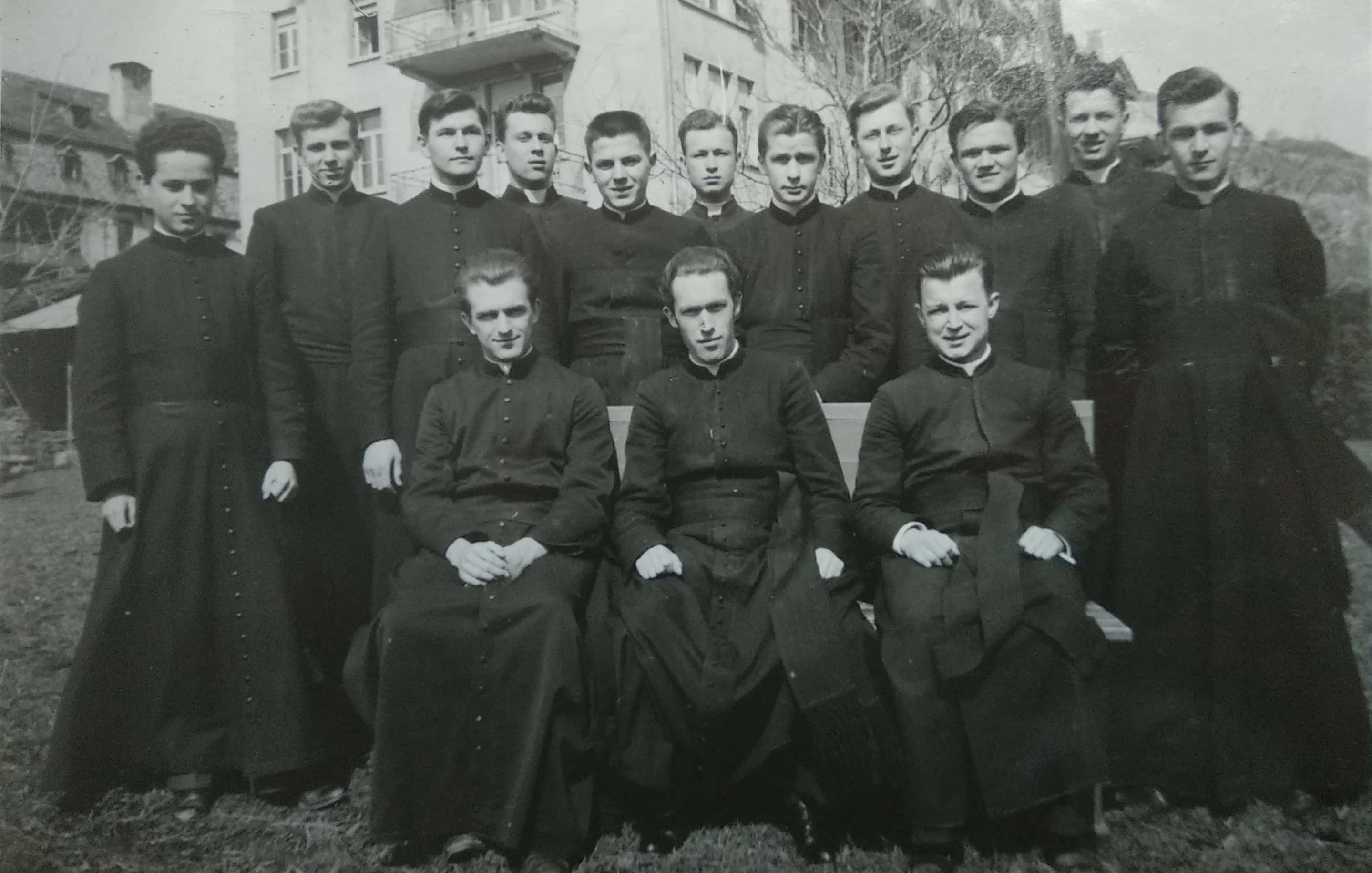
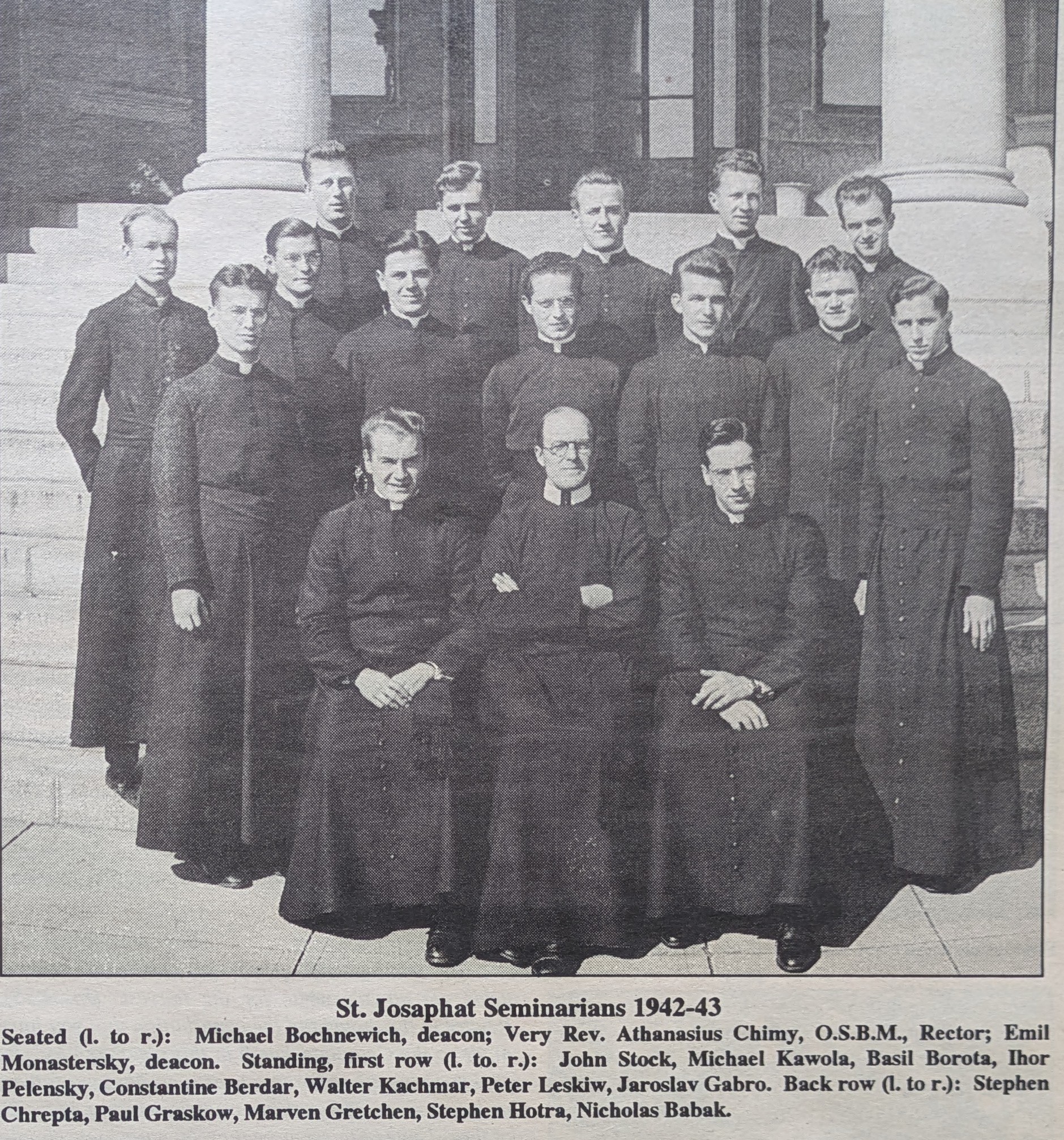
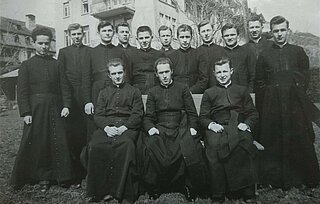
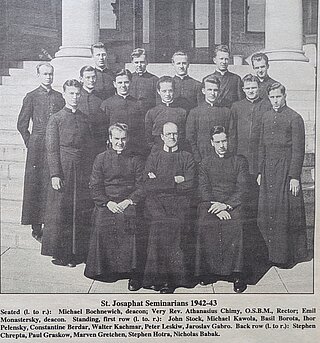
So, on September 8, 1941, Bishop Bohachevsky rented apartments at 2315 Lincoln Road NE in Washington, D.C., marking the beginning of St. Josaphat Seminary. A few weeks later, on September 19, 1941, Fr. Emil Ananevich became its first rector. The seminarians began their classes the next day on September 20, 1941. Two months later, Athanasius Chimy, OSBM, became the next rector of the seminary. A year later, in September 1942, St. Josaphat Seminary was moved to a rented building at 714 Monroe Street, where it remained for ten years.

Interestingly, these beginnings of the seminary in Washington were also the beginnings of parish life in the capital. Since October 1941, Divine Liturgies have been held every Sunday in the Carmelites' chapel for the faithful living in Washington, DC. In order for the seminary and the priest who served the faithful to have all the necessary books, Fr. Emil Ananevich published a request in the newspaper The Way for a gift of a sluzhebnyk and the Gospel book for it. On October 28, 1941, the newspaper also published a short review of one of the first such services, which began at 9:30 in the morning and included a sermon in two languages.

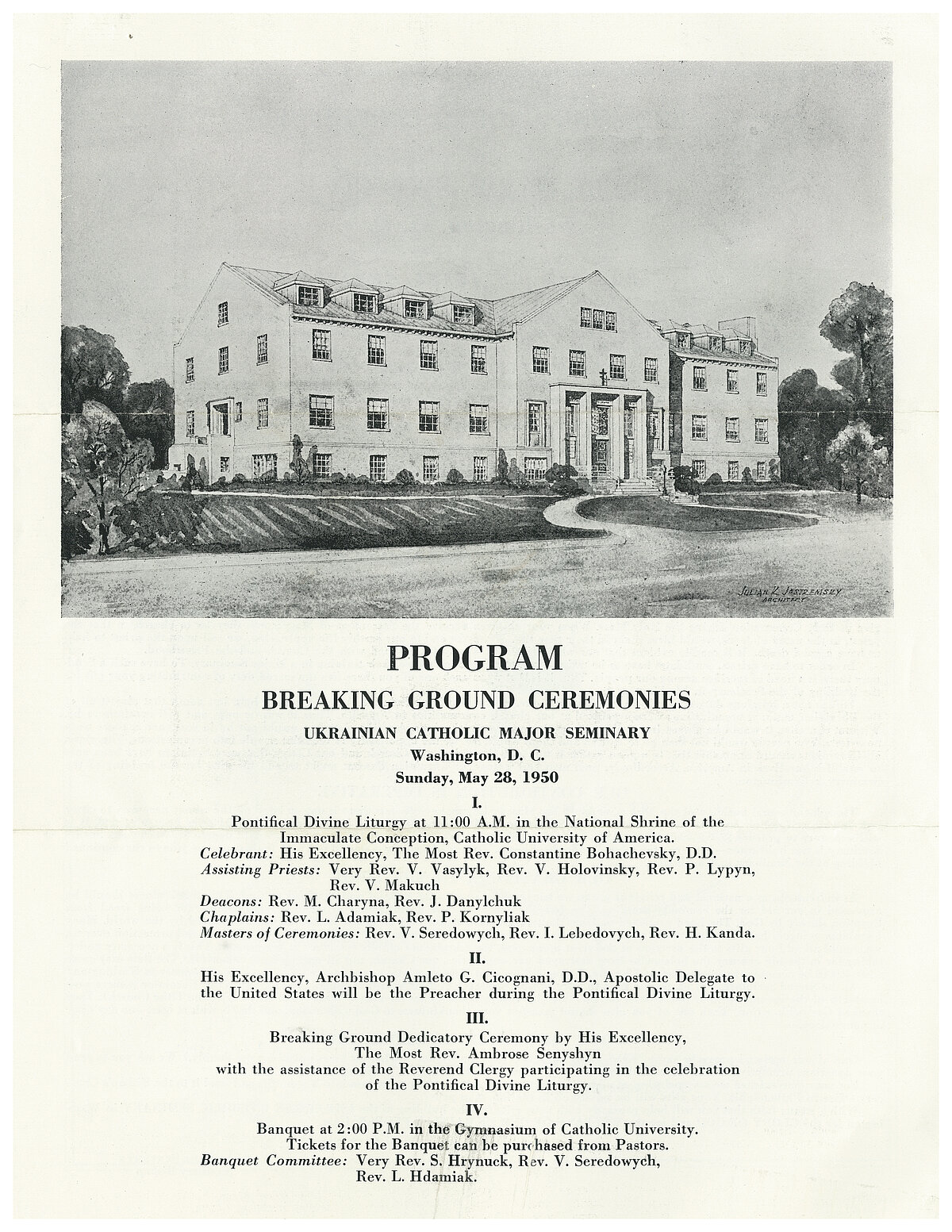
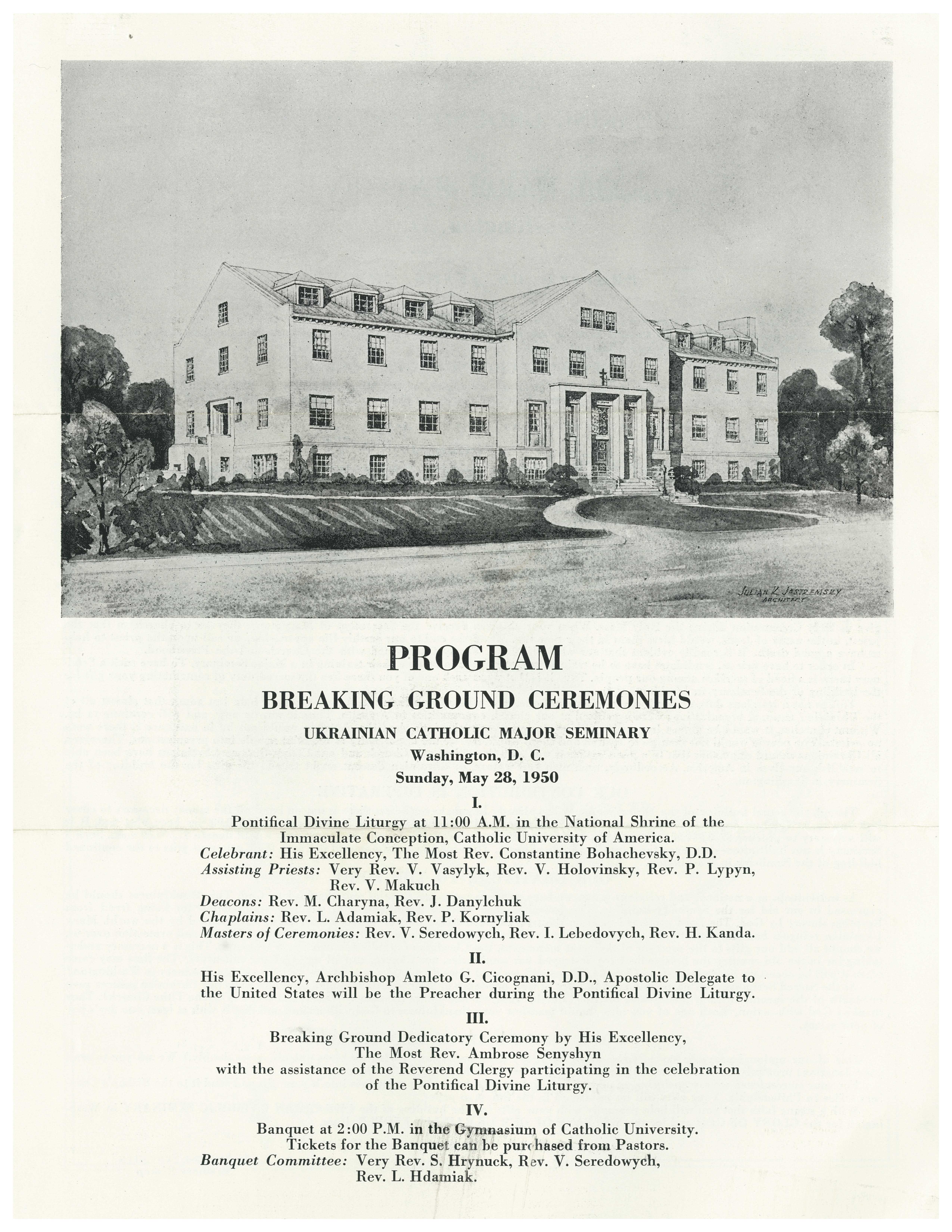
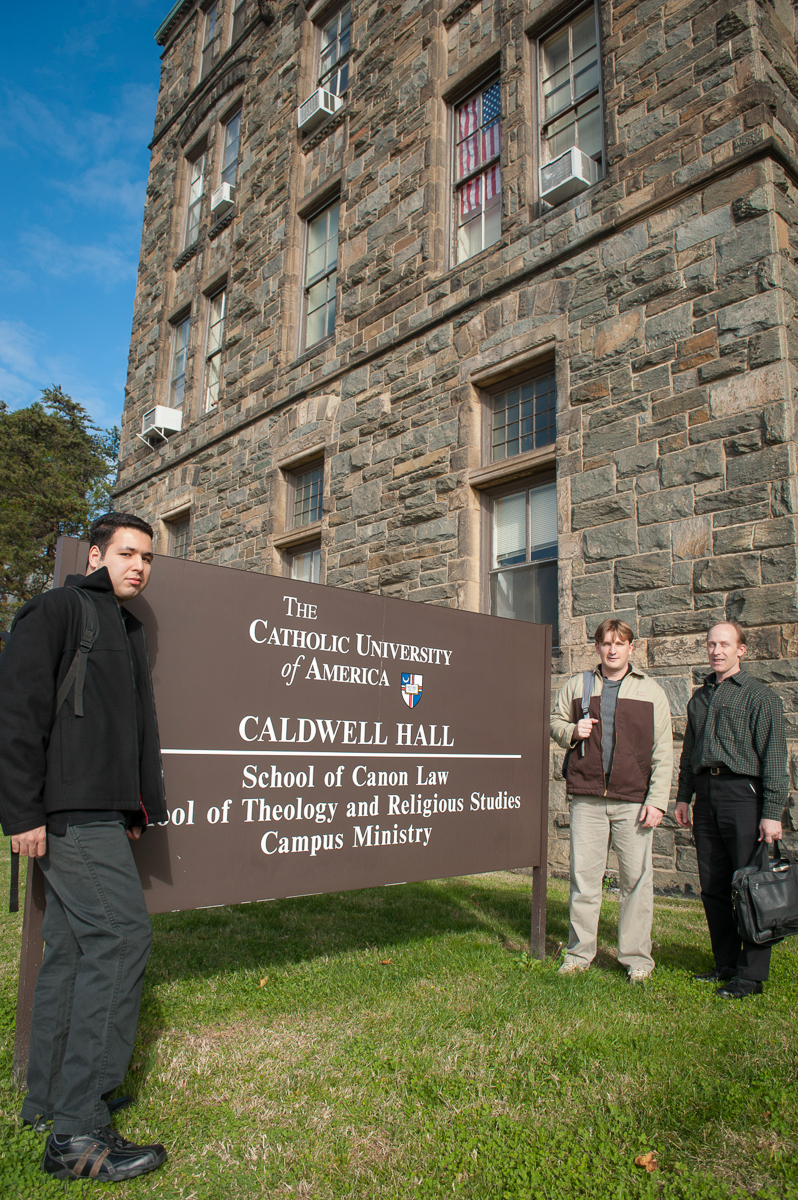
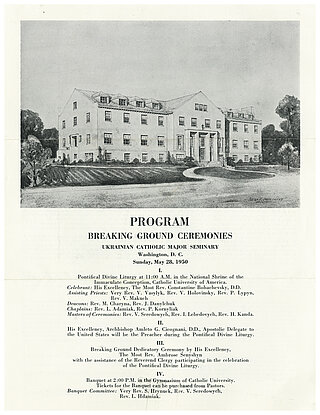
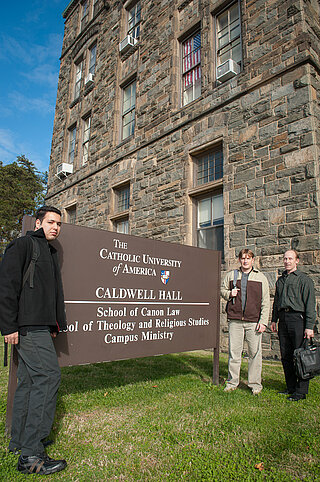
In April 1943, Bishop Сonstantine bought land near the campus of the Catholic University of America at 201 Taylor St NE and began a campaign to raise funds for the construction of the St. Josaphat Seminary. Unfortunately, this process was suspended due to the war and the need for financial assistance to the refugees who, after the end of the war, needed help to start a new life in the USA. However, already in 1949, the newspaper The Way published a project for the future seminary building, developed by Julian Jastremsky, and the exarchate resumed fundraising for its construction.

On May 28, 1950, the blessing of the beginning of the construction of the new seminary building took place. It began with a prayer at the main altar of the crypt of the Basilica of the National Shrine of the Immaculate Conception, led by Bishop Constantine Bohachevsky. Bishop Ambrose Senyshyn and Monsignor Patrick McCormick, rector of the Catholic University of America, also served with him. Many university professors and faithful were also present at this event. After the prayer, a procession took place from the Basilica to the construction site, and Bishop Ambrose blessed it.

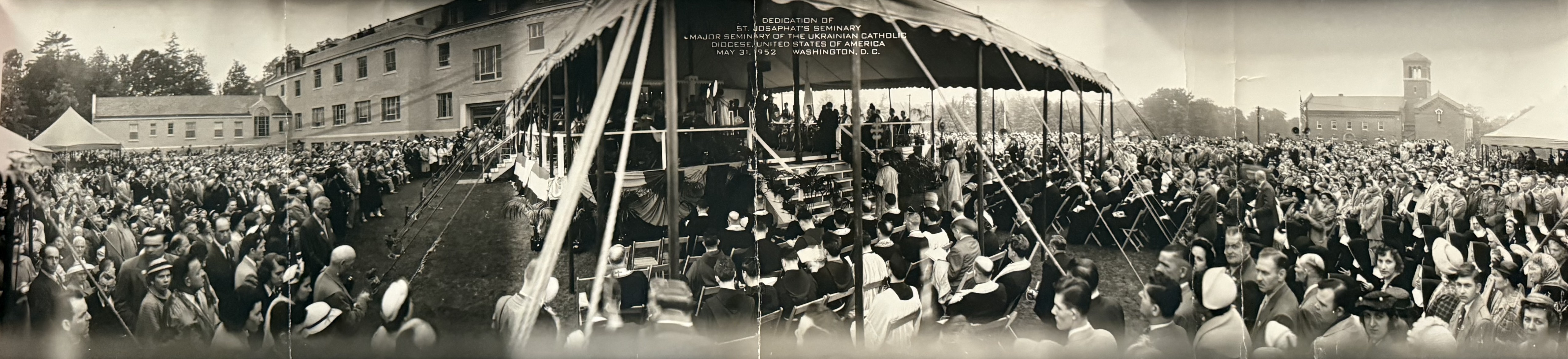
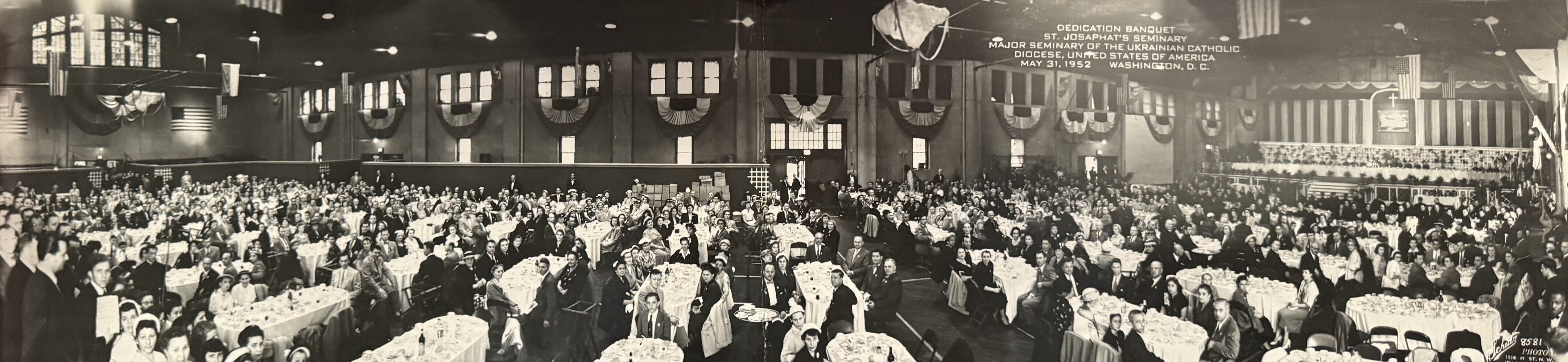
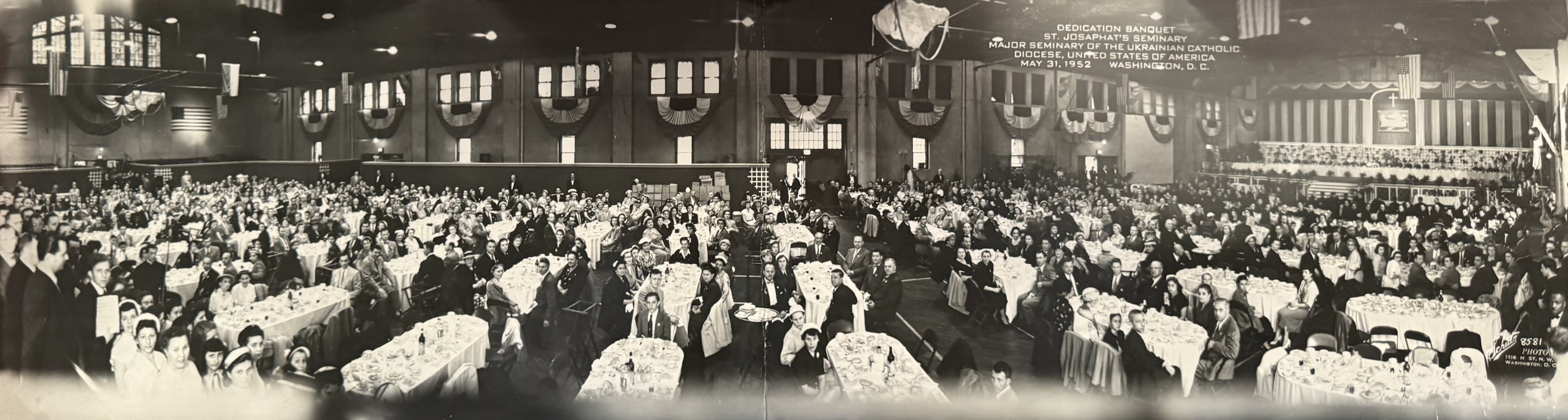
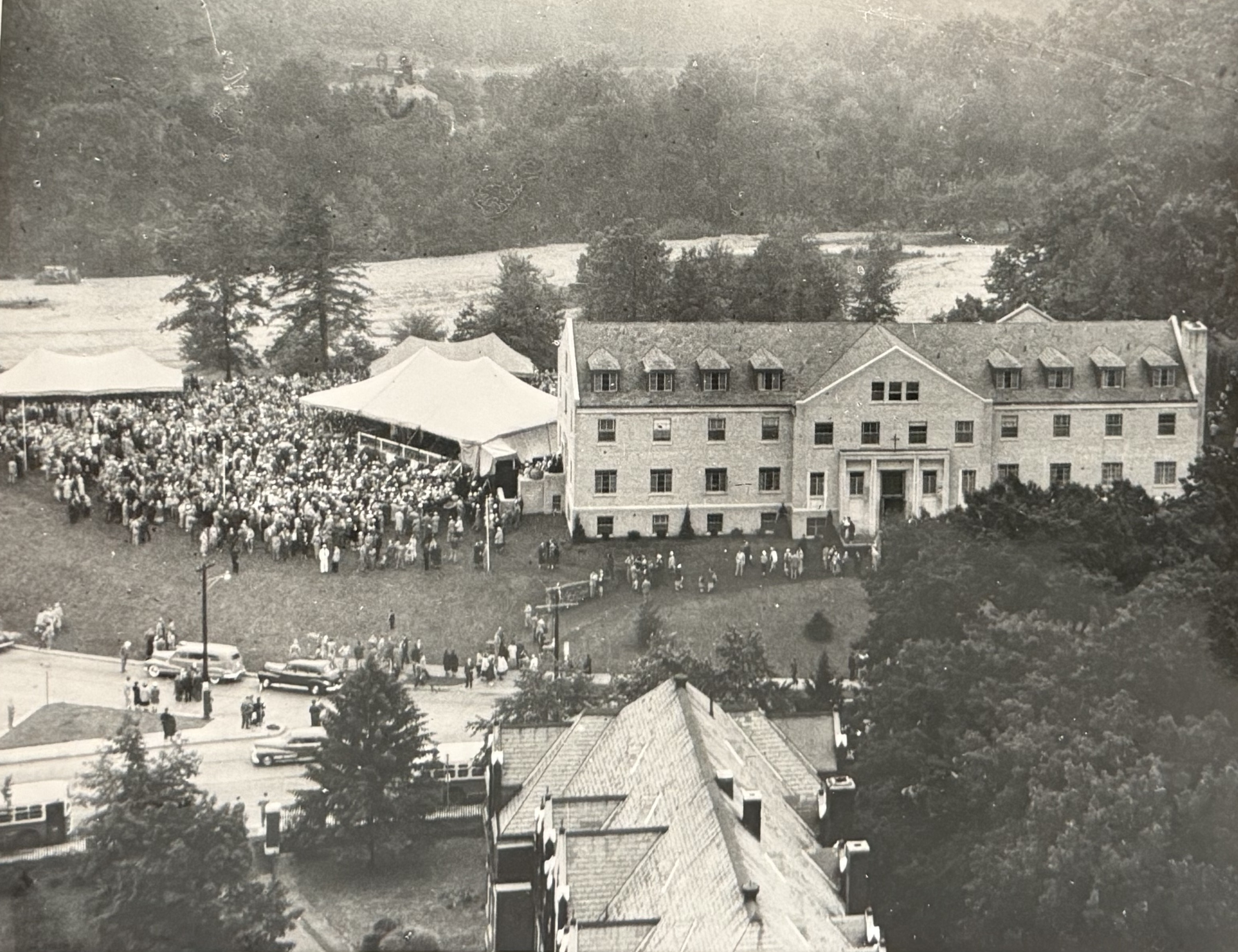
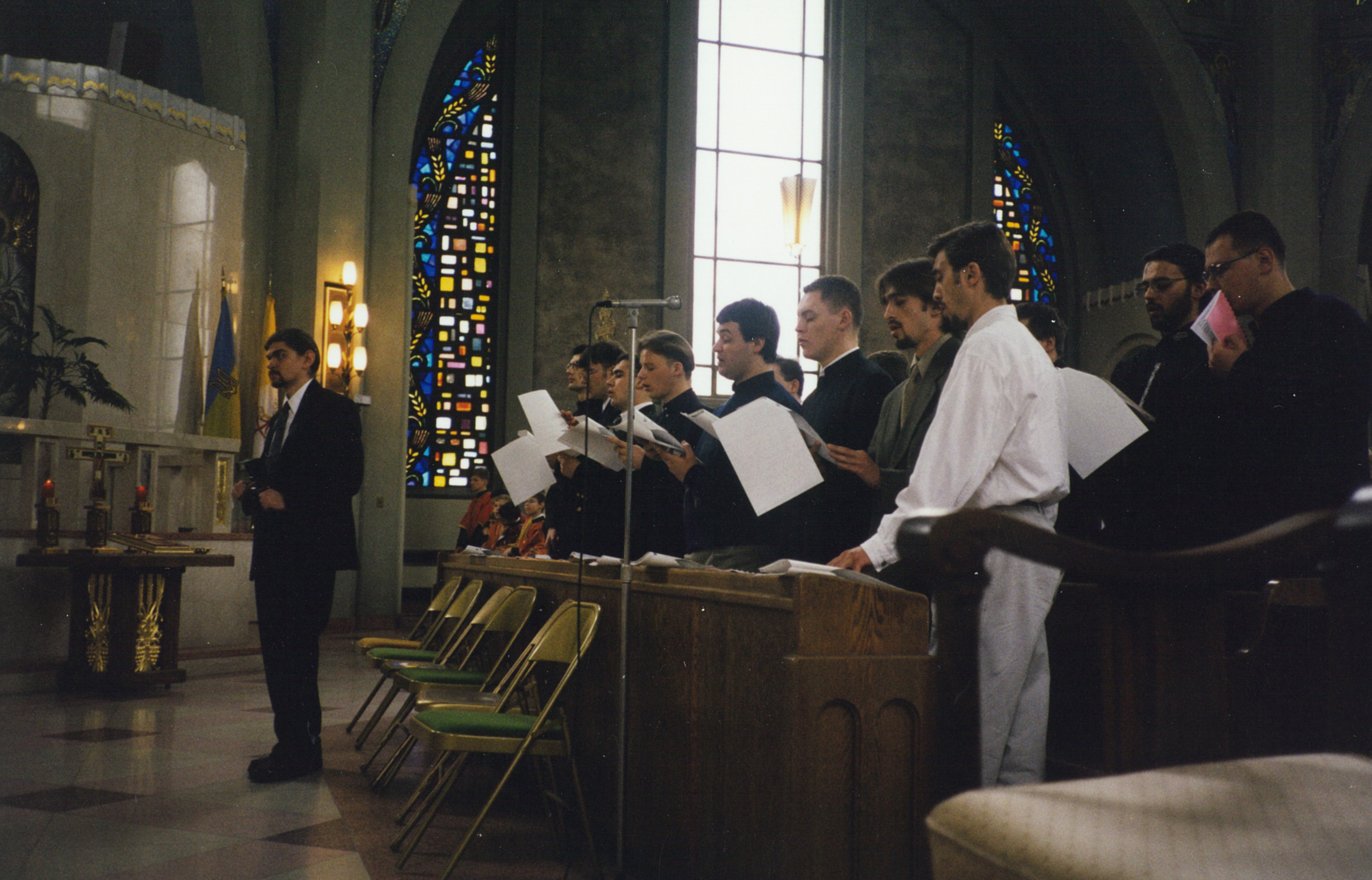
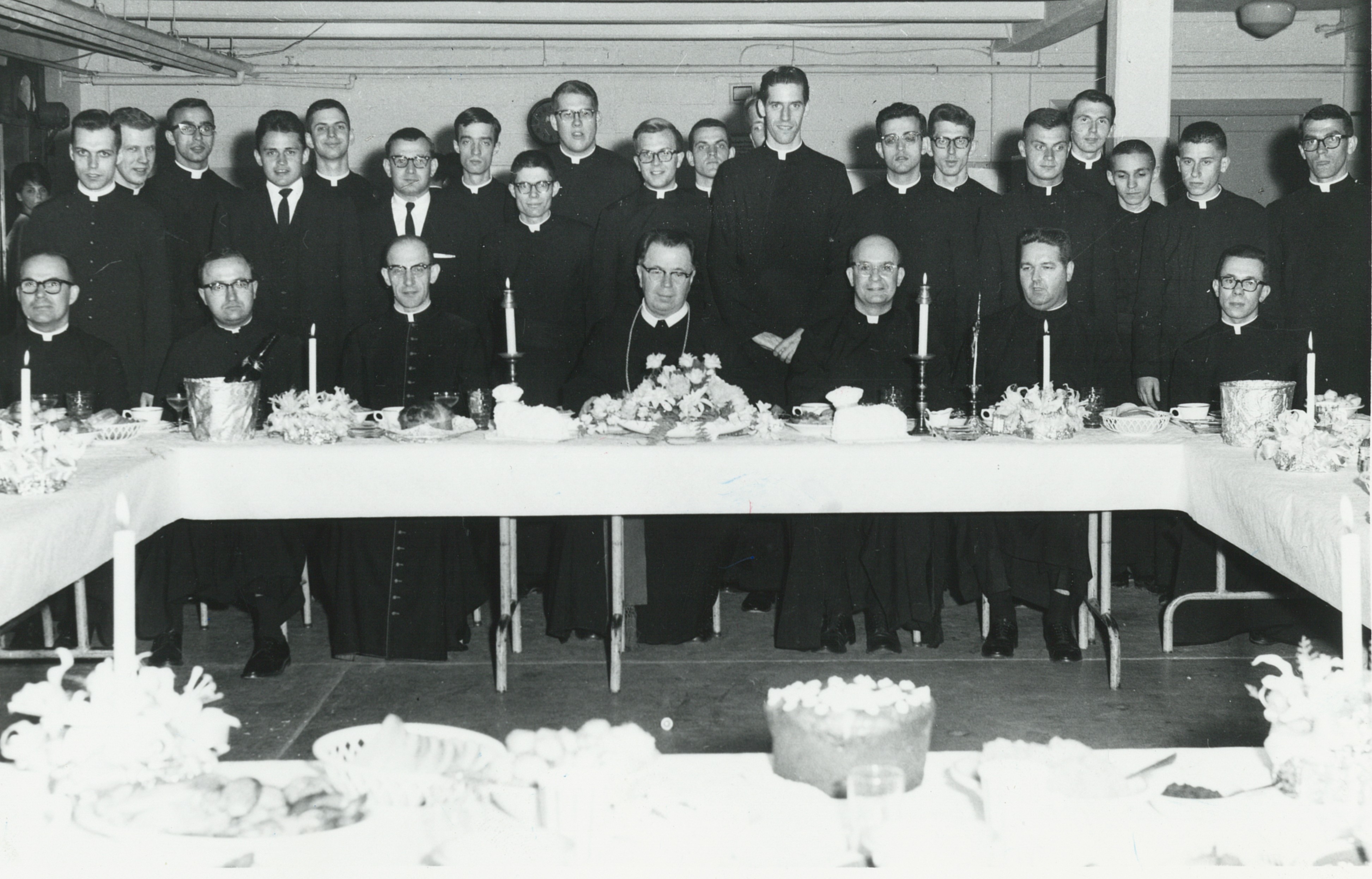
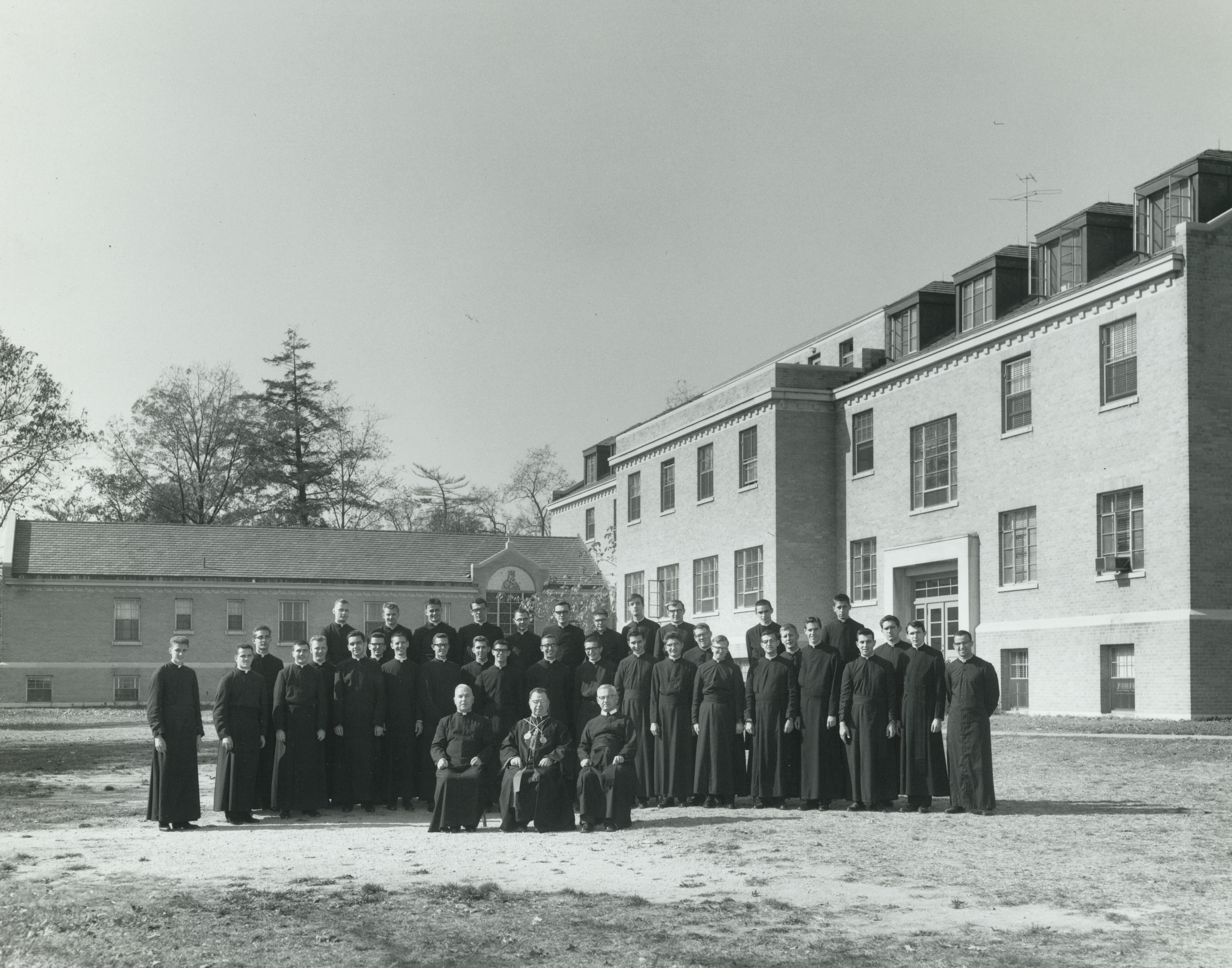
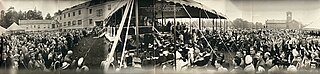
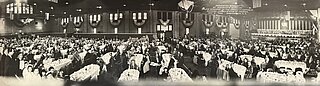
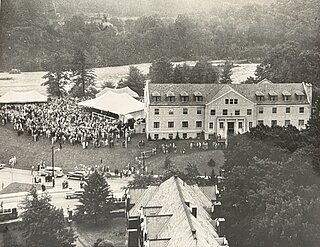
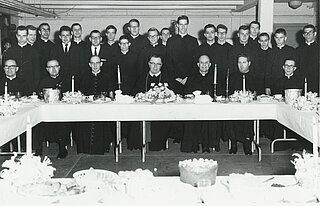
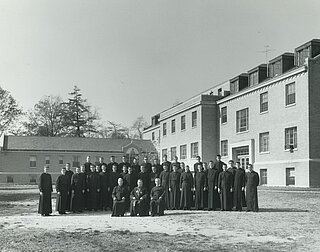
On May 31, 1952, the new seminary building was consecrated. It was a grand event that gathered about 7,000 faithful. Since February of that year, the newspaper The Way had called on the faithful to come to Washington, DC, and witness this event. In addition to our bishops from the US, three more bishops of the Byzantine rite, five Roman Catholic bishops, and the Apostolic Delegate, Archbishop Amleto Giovanni Cicognani, took part in the Divine Liturgy. The consecration of the new seminary building took place before the liturgy. Bishops Neil Savaryn, Andrey Roboretsky, Ambrose Senyshyn, and Apostolic Delegate Cicognani blessed the building by sprinkling the seminary rooms with holy water and anointing the walls with holy myrrh. The solemn liturgy was sung by a united choir comprising three choirs from the Cathedral of the Immaculate Conception and St. Nicholas Parish in Philadelphia, and the Parish of John the Baptist in Newark, NJ. It began to rain several times, but people continued to pray under umbrellas, and tents were also set up on the square near the seminary where the event was taking place. The celebration then continued with a banquet attended by 920 people. As you can see, the blessing of the seminary was a grand event and has been engraved in the history of our Church in the United States.

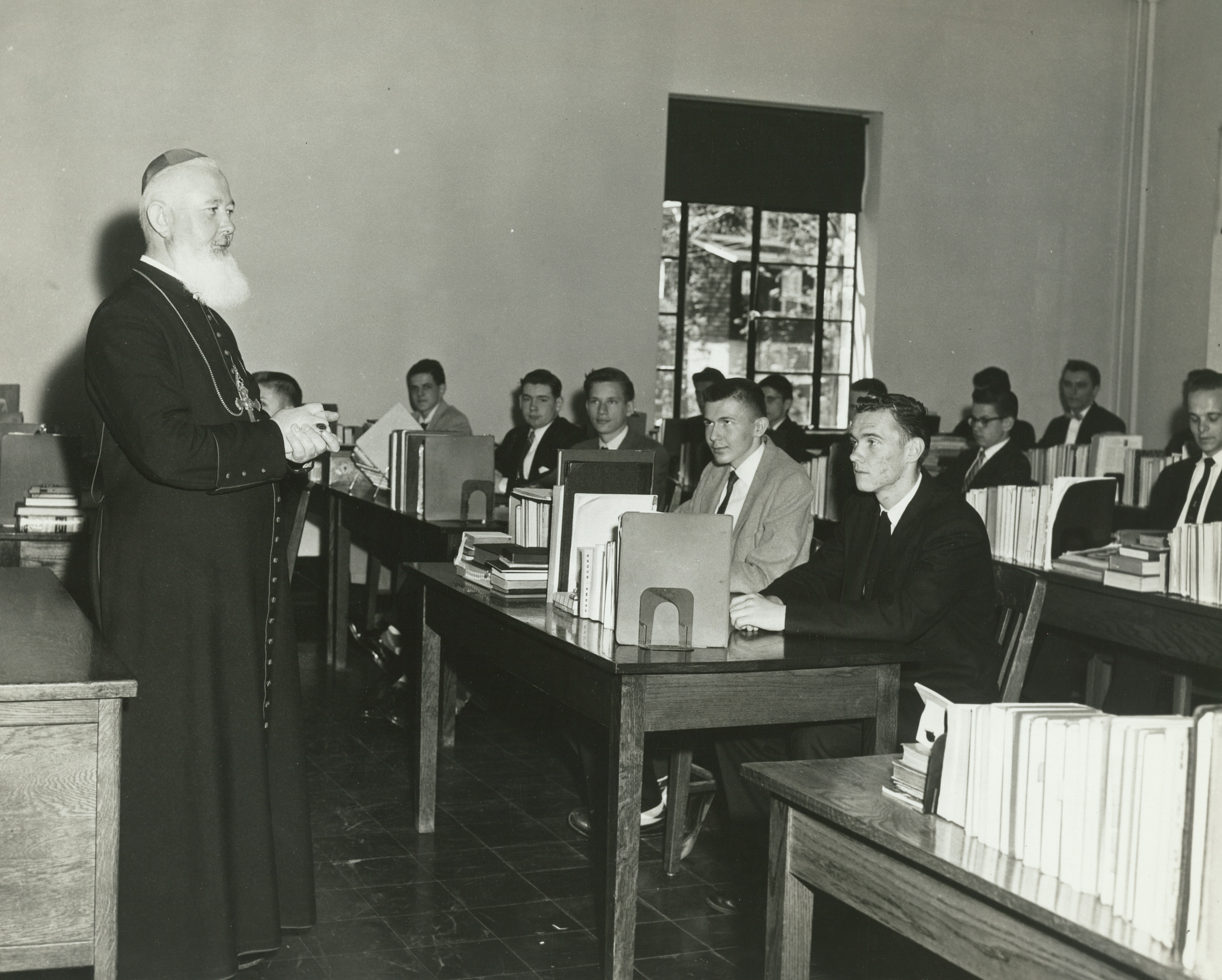
In December 1965, the Center for Ukrainian Studies was founded at the seminary. It was headed by Professor Roman Smal-Stotsky. The goals of the center focused on uniting Ukrainian professors and scholars in the Washington, DC, area who could give lectures on Ukrainian and Slavic studies to seminary students in Ukrainian and to CUA students in English. For example, in the first year, seminarians took courses on the history of Ukraine and on the life and times of Taras Shevchenko. Thus, Bishop Ambrose Senyshyn wanted future priests, most of whom were born in the United States, to have, in addition to their theological formation, a deep knowledge and understanding of Ukrainian history and culture and to be able to speak about it in the US. Unfortunately, after Professor Smal-Stotsky's death in 1969, the center was not very active.

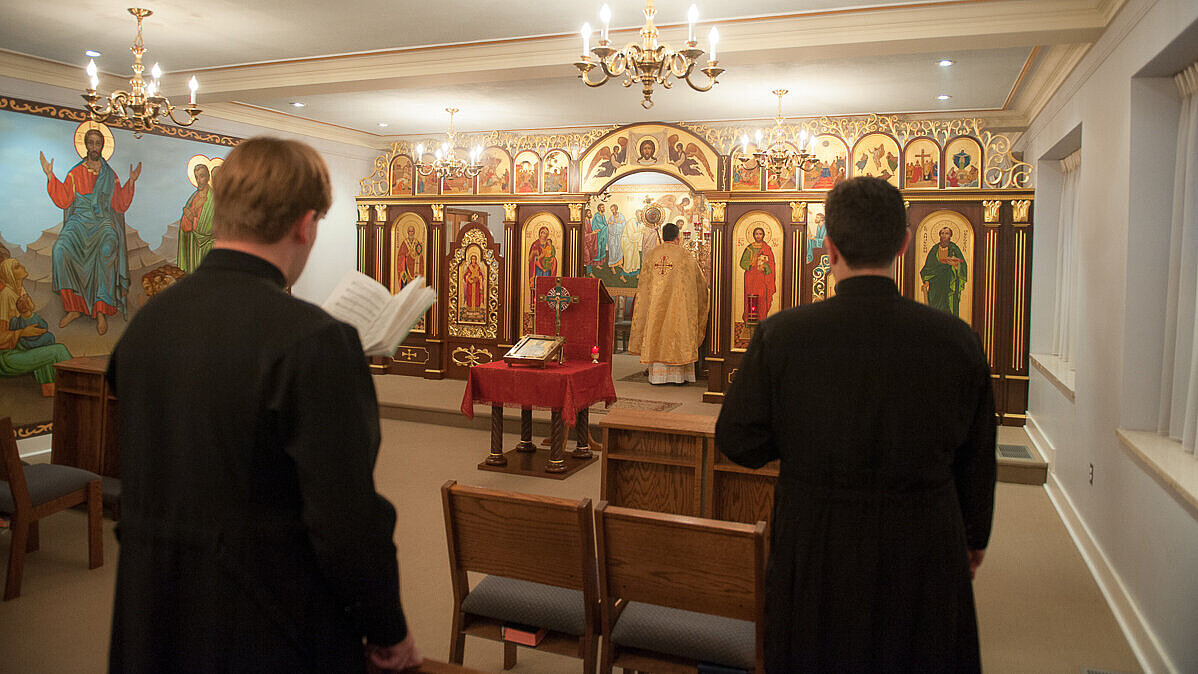
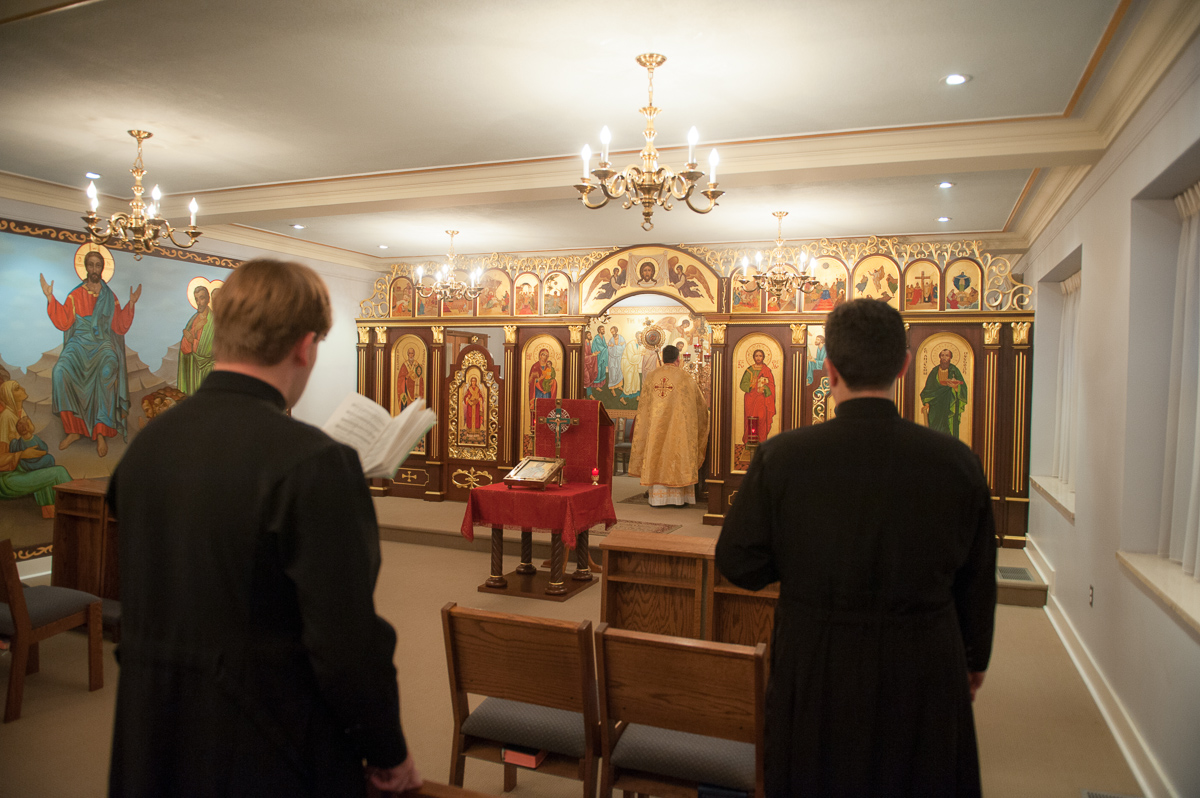
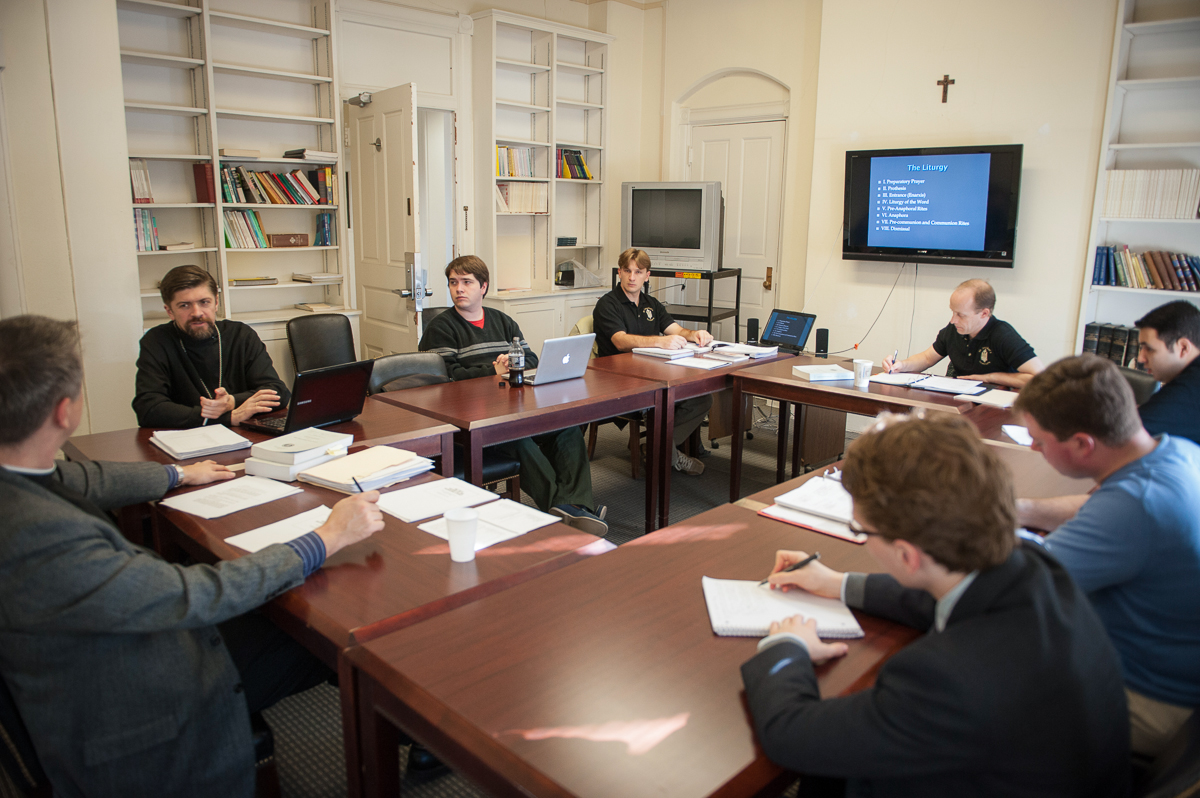
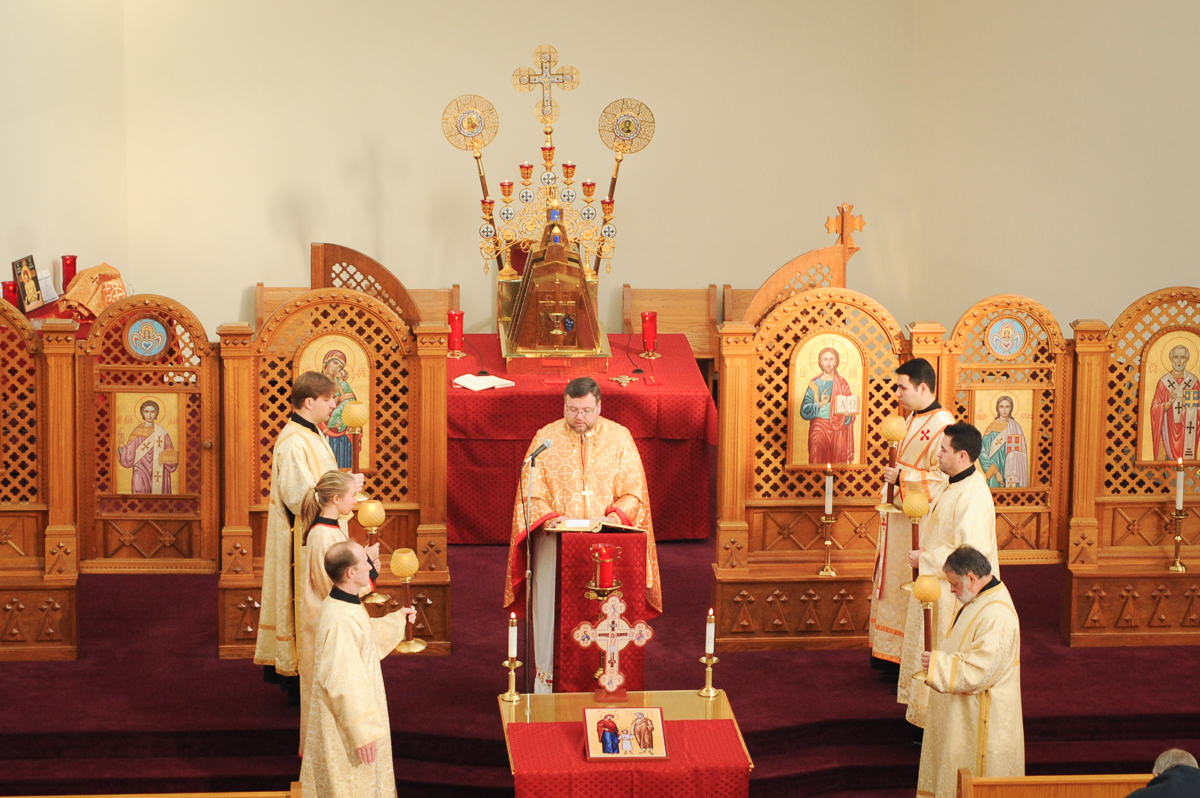
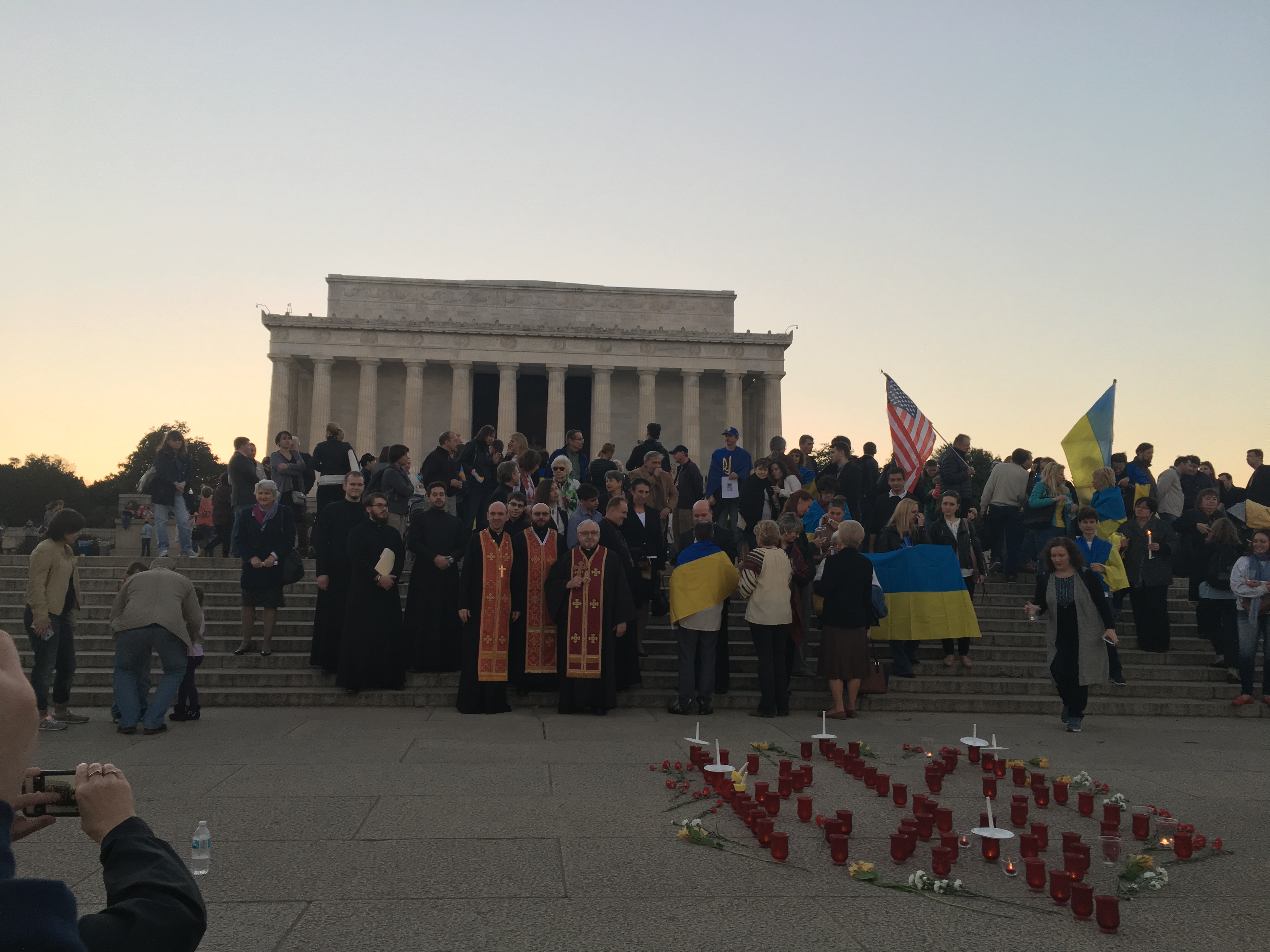
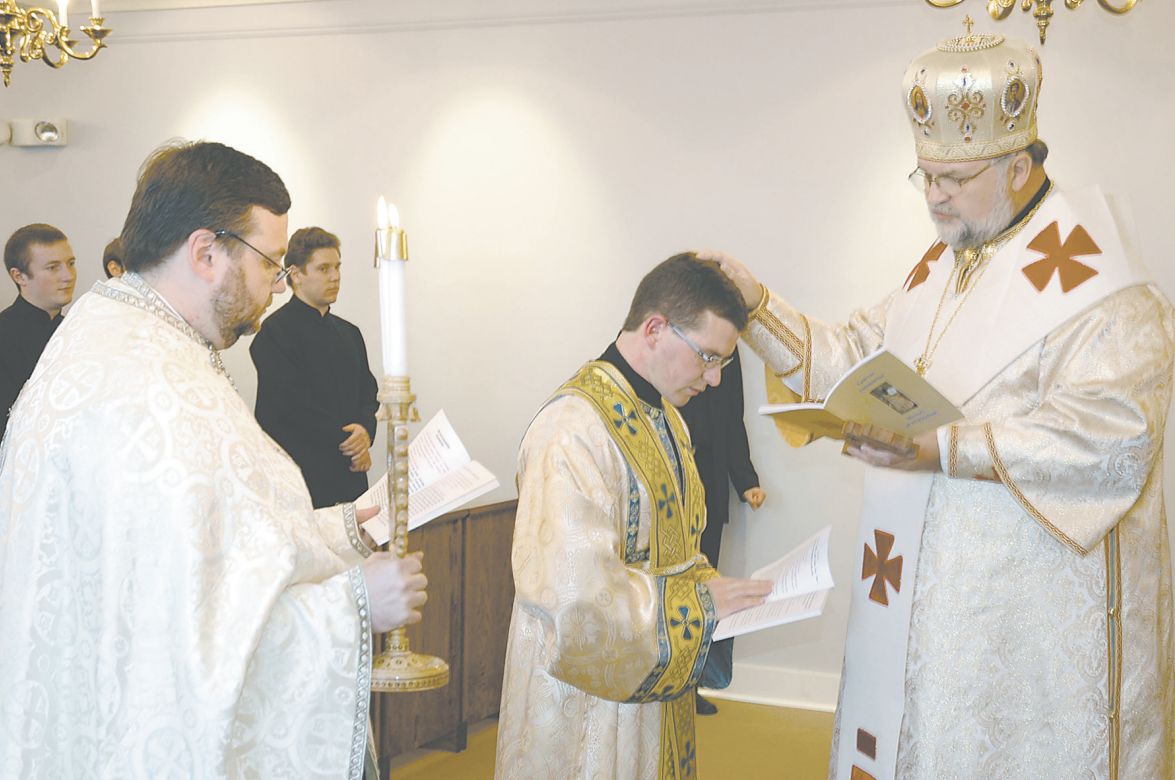
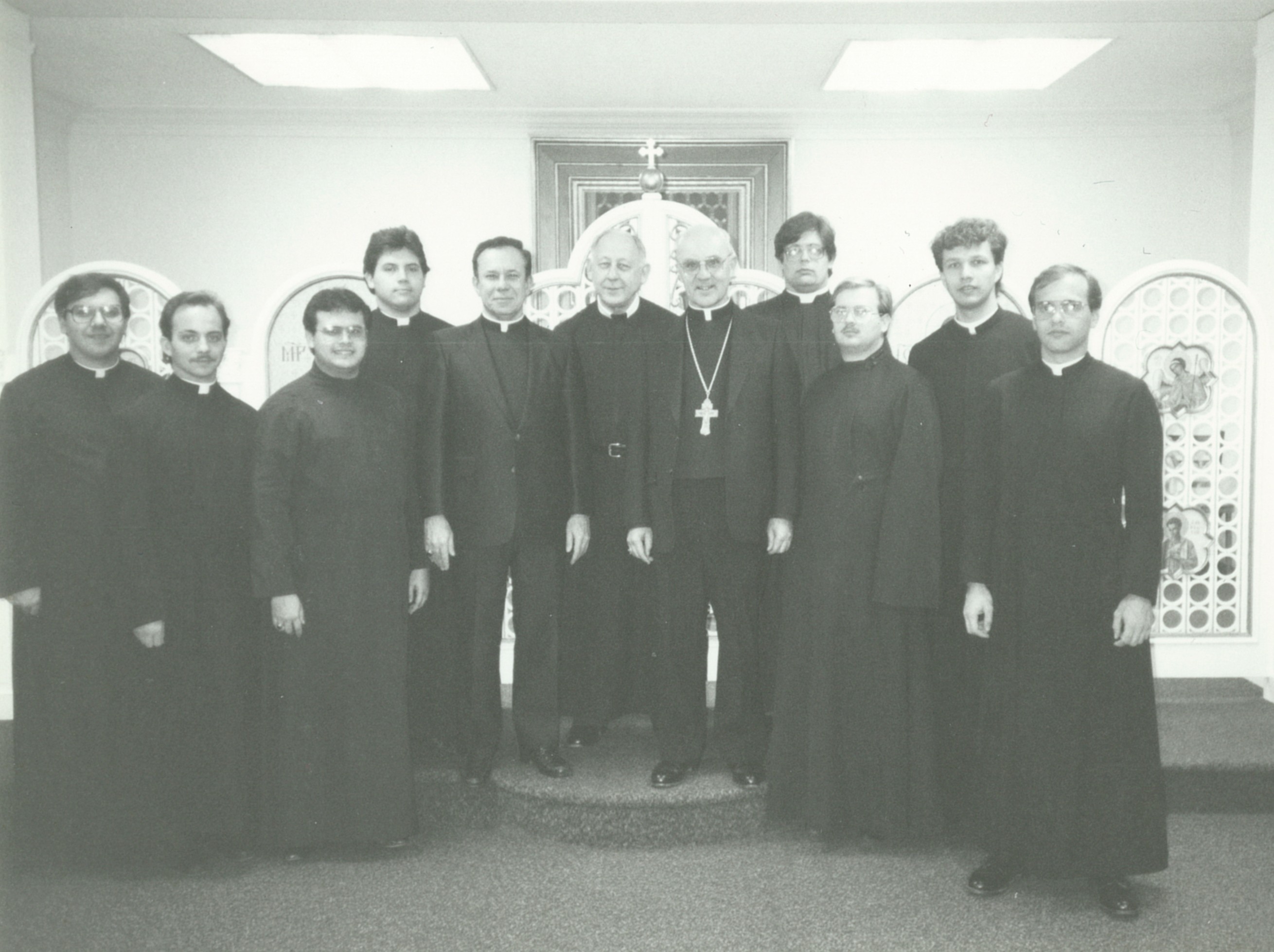
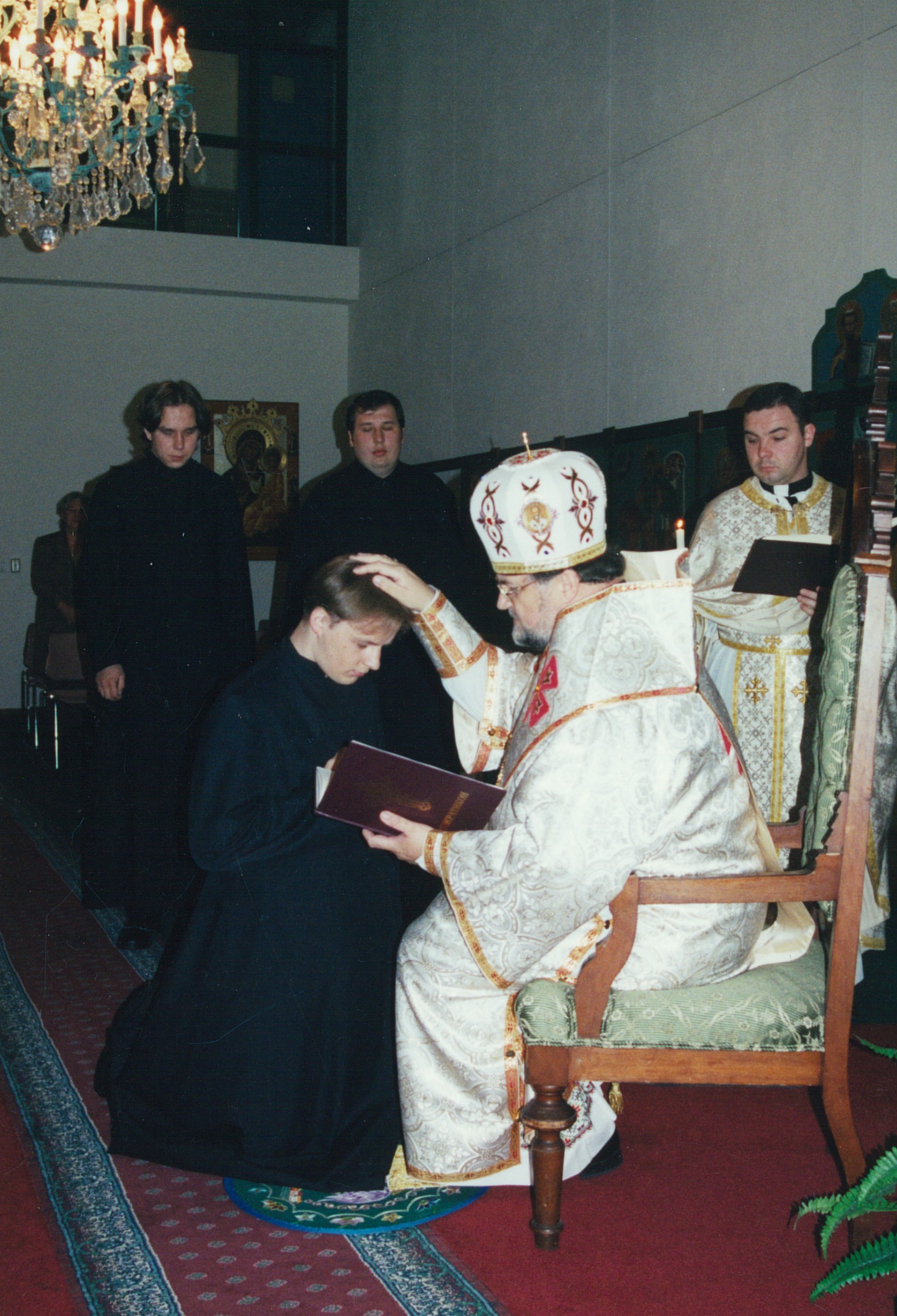
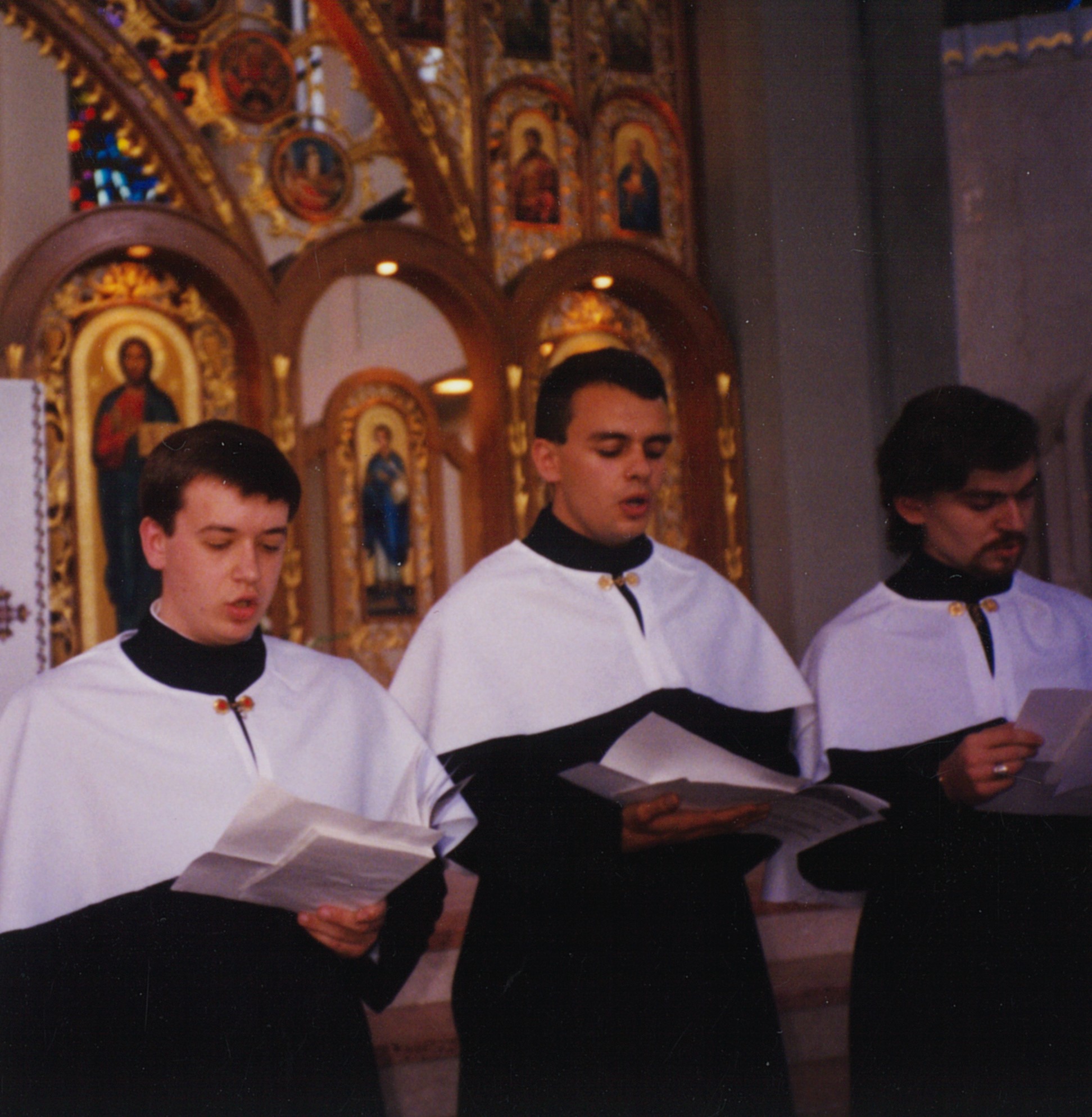
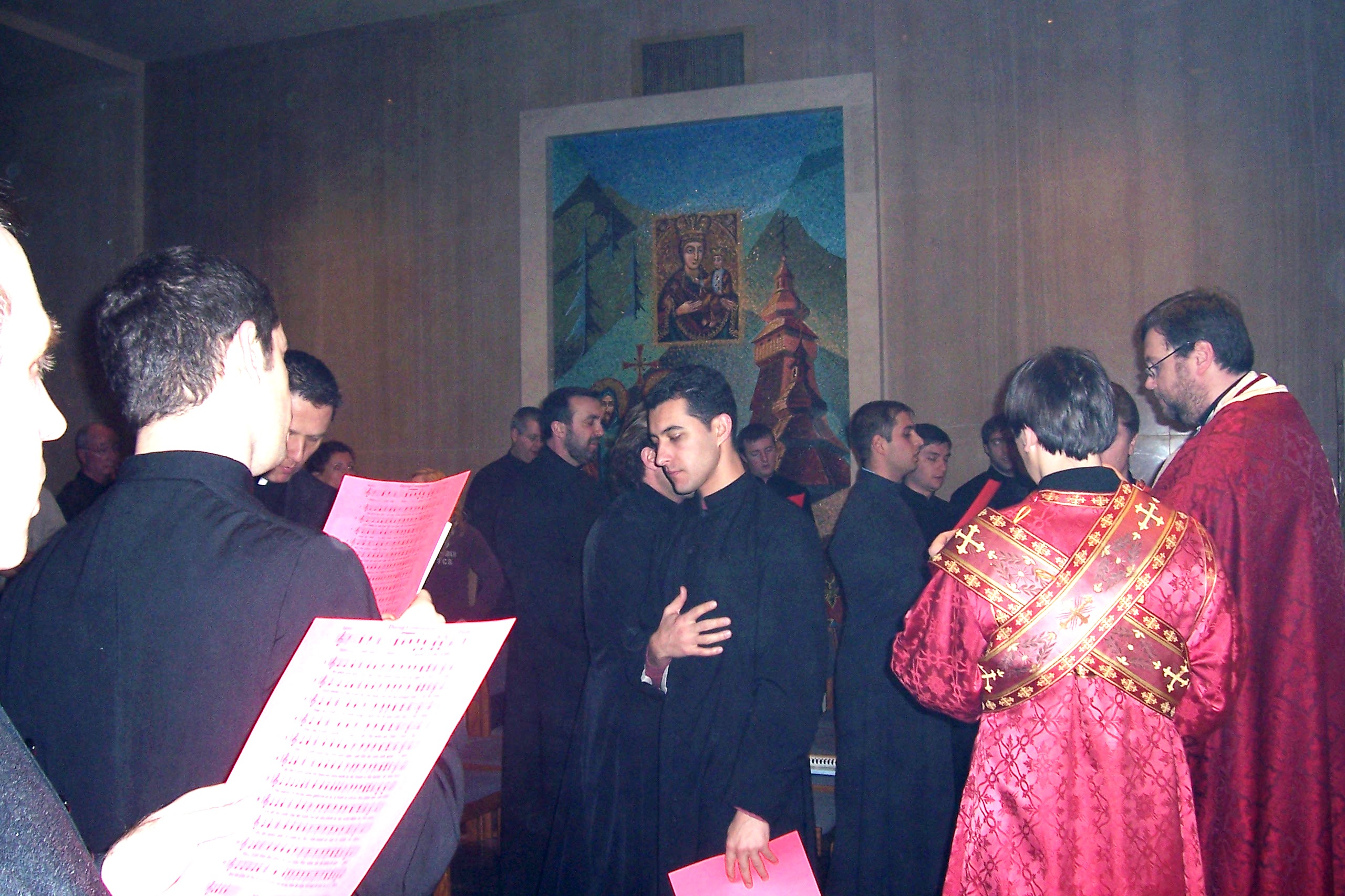
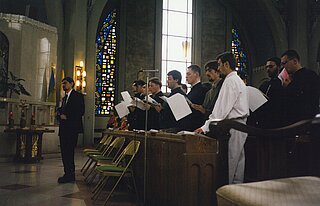
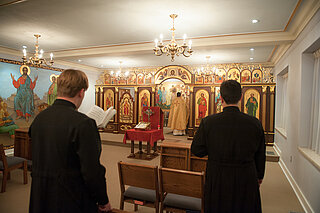
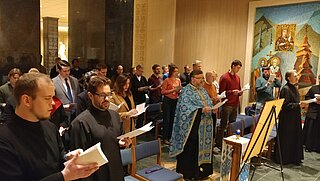
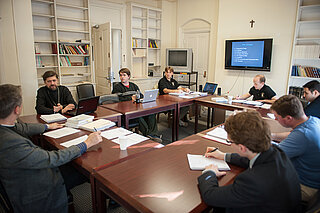
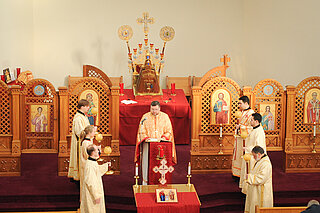
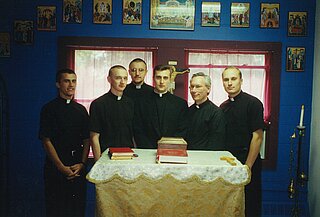
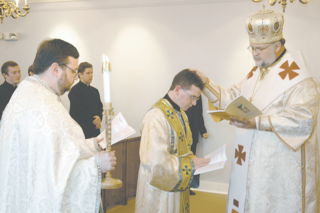
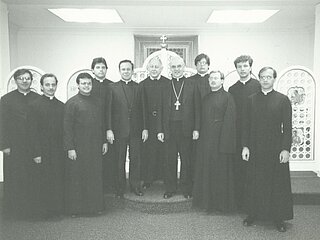
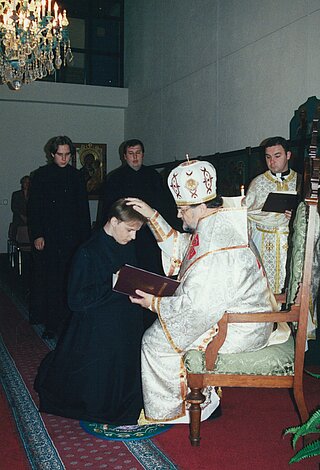
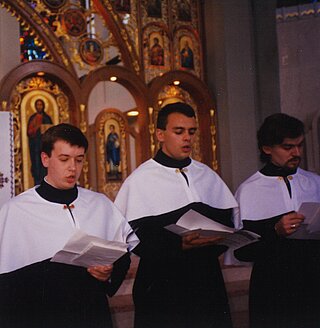
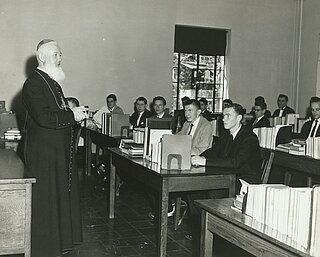
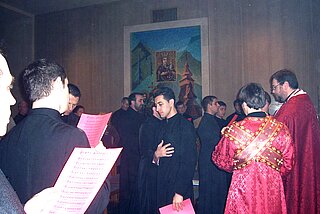
During their studies at the seminary, seminarians received their theological education at the Catholic University of America or the Dominican House of Studies. At the same time, they also had additional lectures at the seminary on our rite, liturgical tradition, history, and theology. They also had a liturgical prayer life in their seminary chapel. Their spiritual formation was guided by spiritual directors, one of whom was Patriarch Myroslav Ivan Lyubachivsky. The life of the seminary was, and also is, closely connected with the Ukrainian Catholic National Shrine of the Holy Family, where the seminarians often helped and served and were part of the parish family. They, together with the rector and spiritual director, also prayed Divine Liturgies or vespers in our rite in the Byzantine Chapel of the Basilica of the National Shrine of the Immaculate Conception. During Lent, they also celebrated the Liturgy of the Presanctified Gifts, thereby introducing people to the richness of our rite.

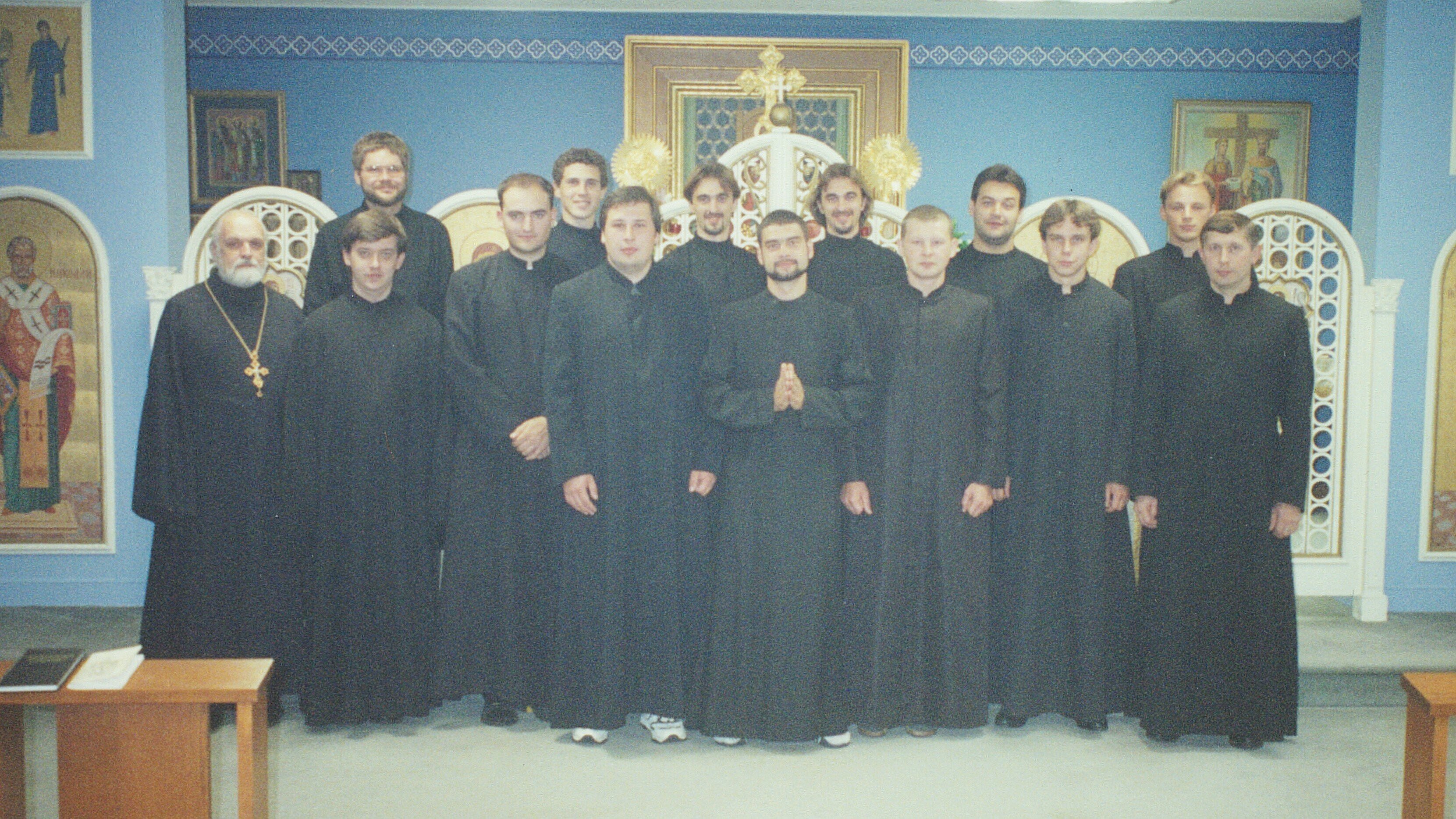
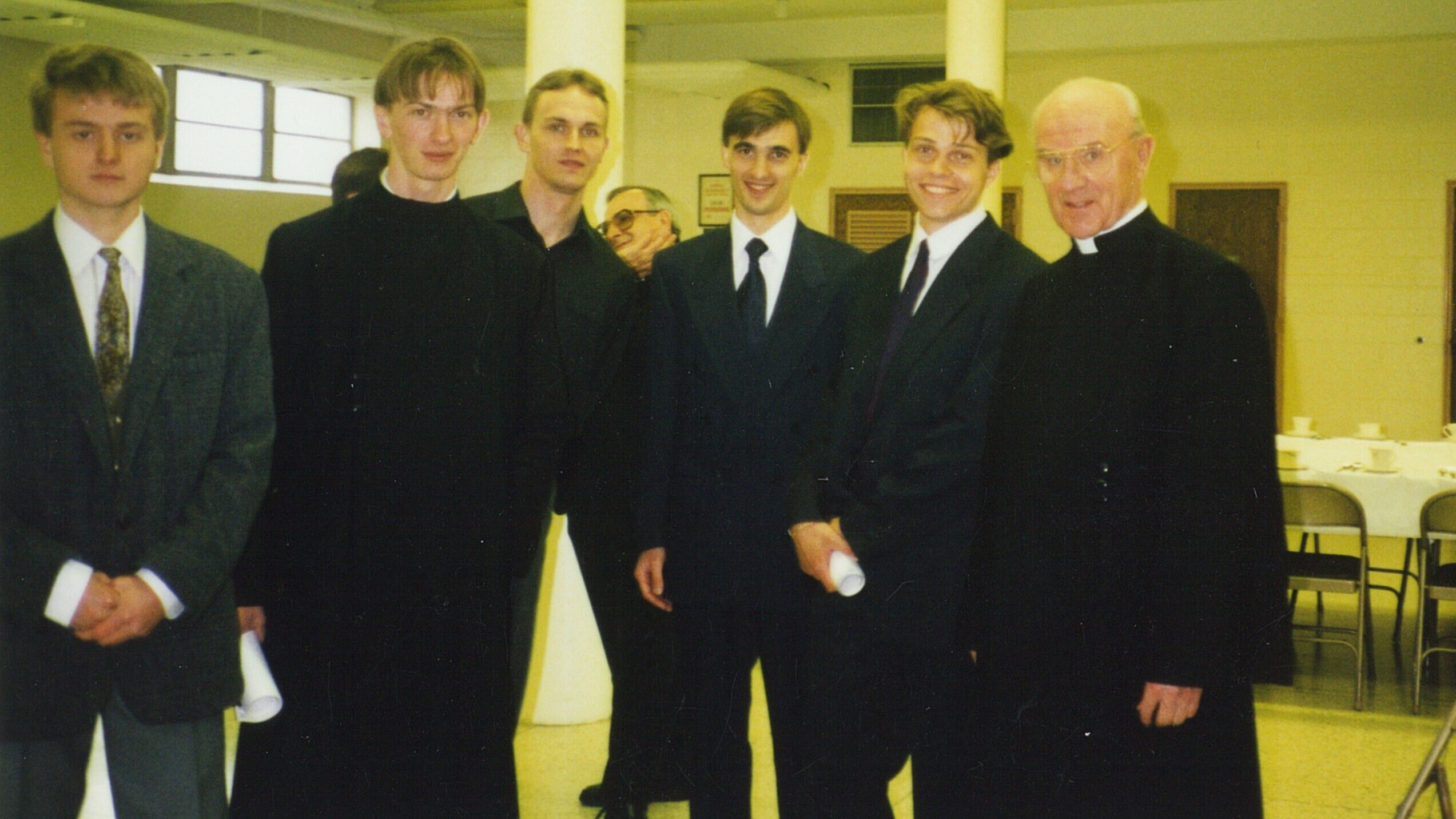
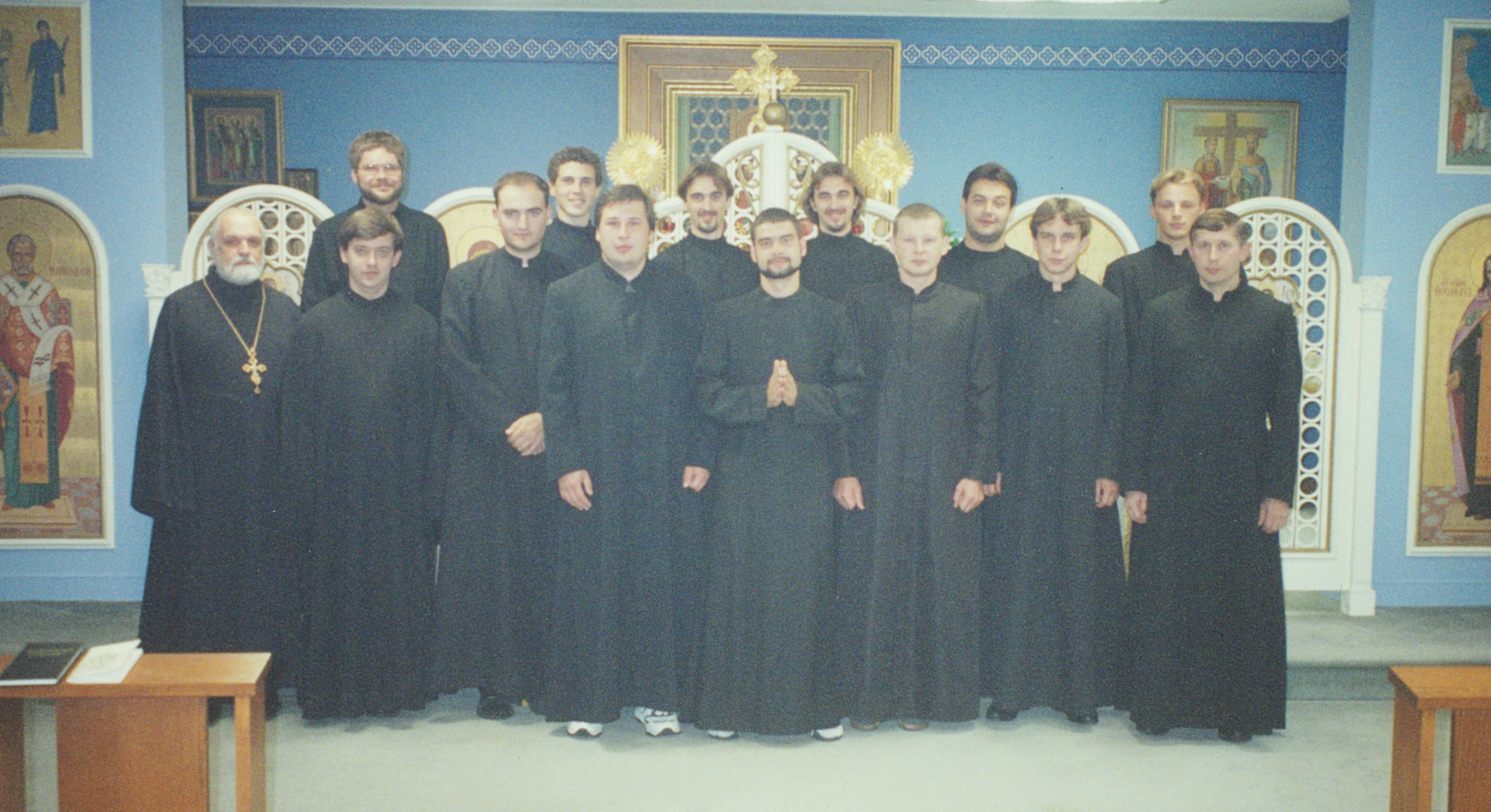
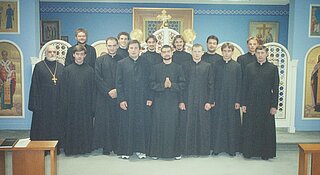
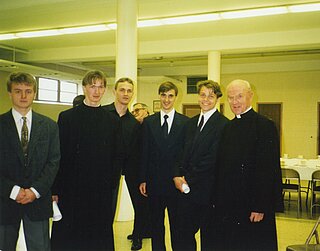
After 1991, when Ukraine became independent and the number of vocations to the priesthood in the United States began to decrease, Metropolitan Stepan Sulyk invited seminarians from Ukraine to study at St. Josaphat Seminary. Candidates from Ukraine who wanted to become priests in the United States studied at the Dominican House of Studies and received their priestly formation at St. Josaphat Seminary. At the same time, priests from the United States traveled to Ukraine to assist in the training and formation of seminarians there. For example, graduates of St. Josaphat Seminary, Fr. John Terlecky, Fr. Roman Mirchuk, and Fr. Edward Young, worked for several years at the Lviv Theological Seminary and helped shape its educational and formation programs. Thus, the Church in America supported the formation of future priests in both the United States and Ukraine.

In the early 2000s, several of our seminarians also studied at Holy Apostles Seminary in Cromwell, CT. This seminary was designed for late vocations and those who already had an education. So our fathers Mark Fesniak and Roman Sverdan also studied there for a few years.

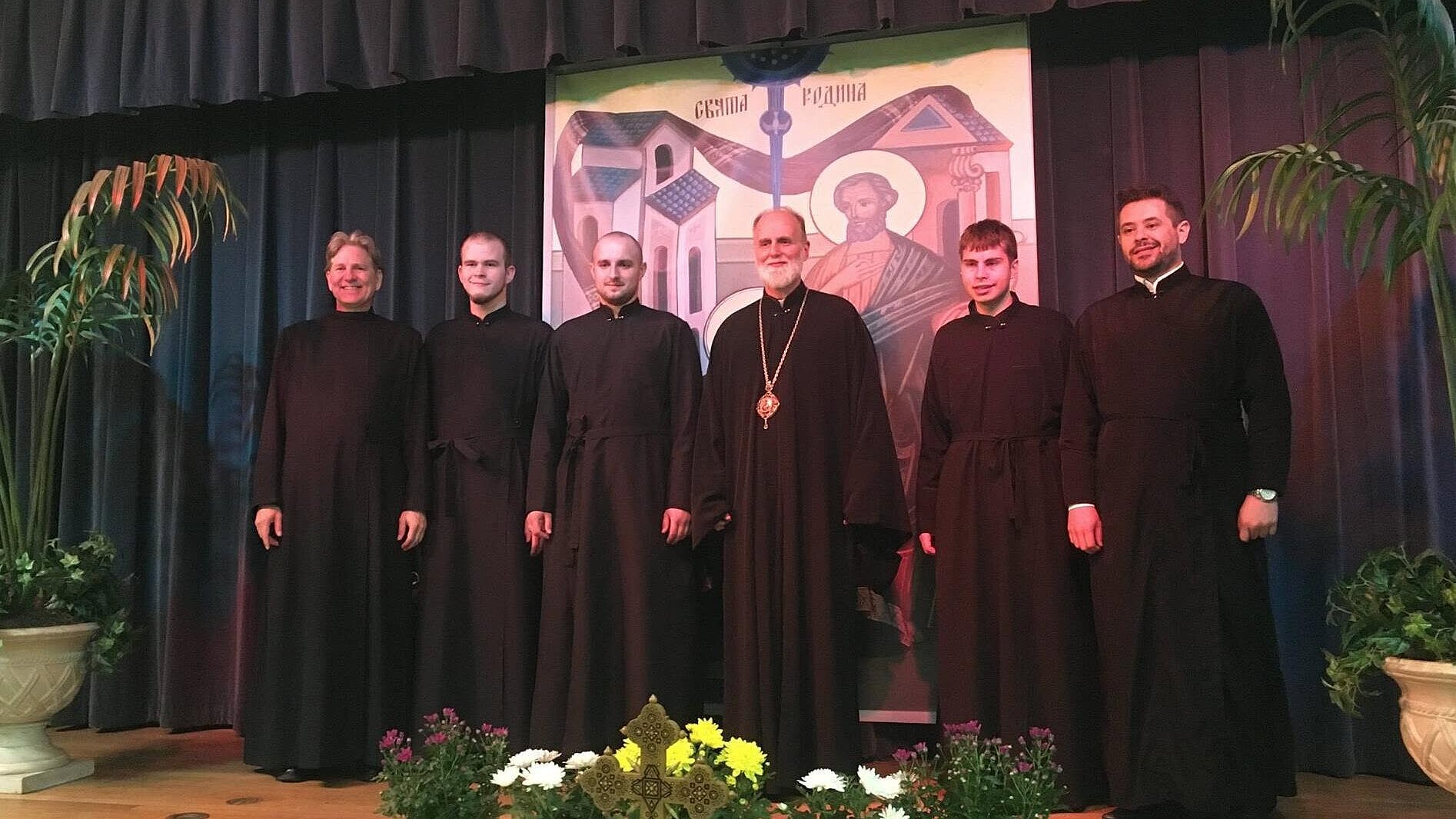
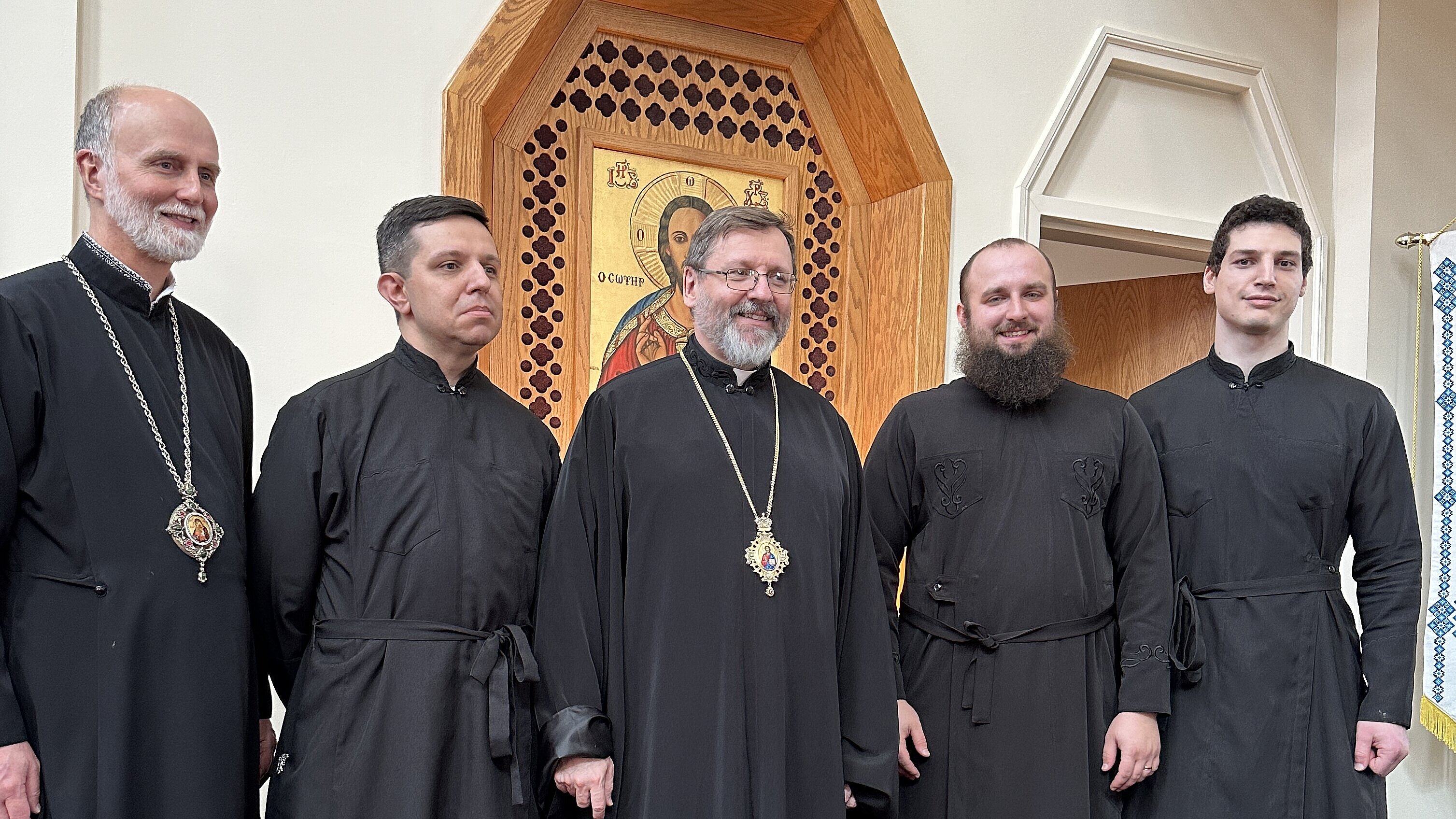
The history of seminary formation in the United States, as I have described above, shows that context and historical events have influenced how and where new priests have for our Church in the US receive their formation. The two world wars, the death of Bishop Ortynsky, and economic hardships have resulted in our seminarians studying in Rome (Italy), Stanislaviv (Ukraine), Sion (Switzerland), Baltimore, Philadelphia, and Stamford (USA), in both Greek Catholic and Roman Catholic seminaries. The study in various locations, even in Latin Rite seminaries, was due to our bishops seeking ways and opportunities to give seminarians the best possible preparation for priestly ministry. Likewise, our contemporary American context of the COVID-19 pandemic, economic challenges, and the war in Ukraine, coupled with a low number of vocations, is impacting where and how our seminarians are trained and formed. In recent years, our seminarians from the Philadelphia Archeparchy have been receiving their seminary formation and education in Philadelphia and Stamford. St. Josaphat Seminary in Washington continues to serve the Church as a place of learning and development, where each spring the St. Gabriel Institute facilitates the formation of future church diplomats for the eparchies and exarchates of the entire Ukrainian Greek Catholic Church in Ukraine and worldwide.

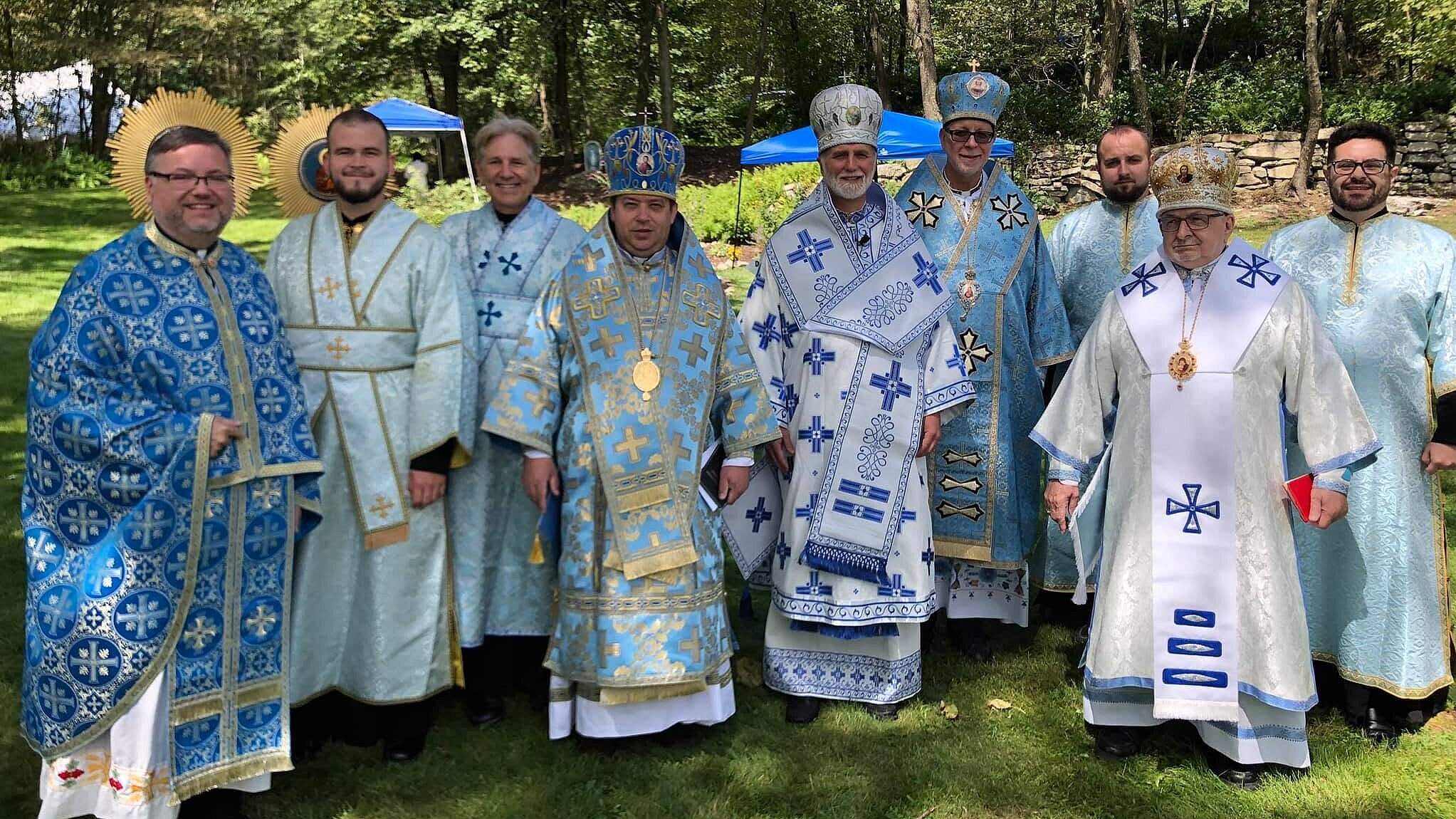
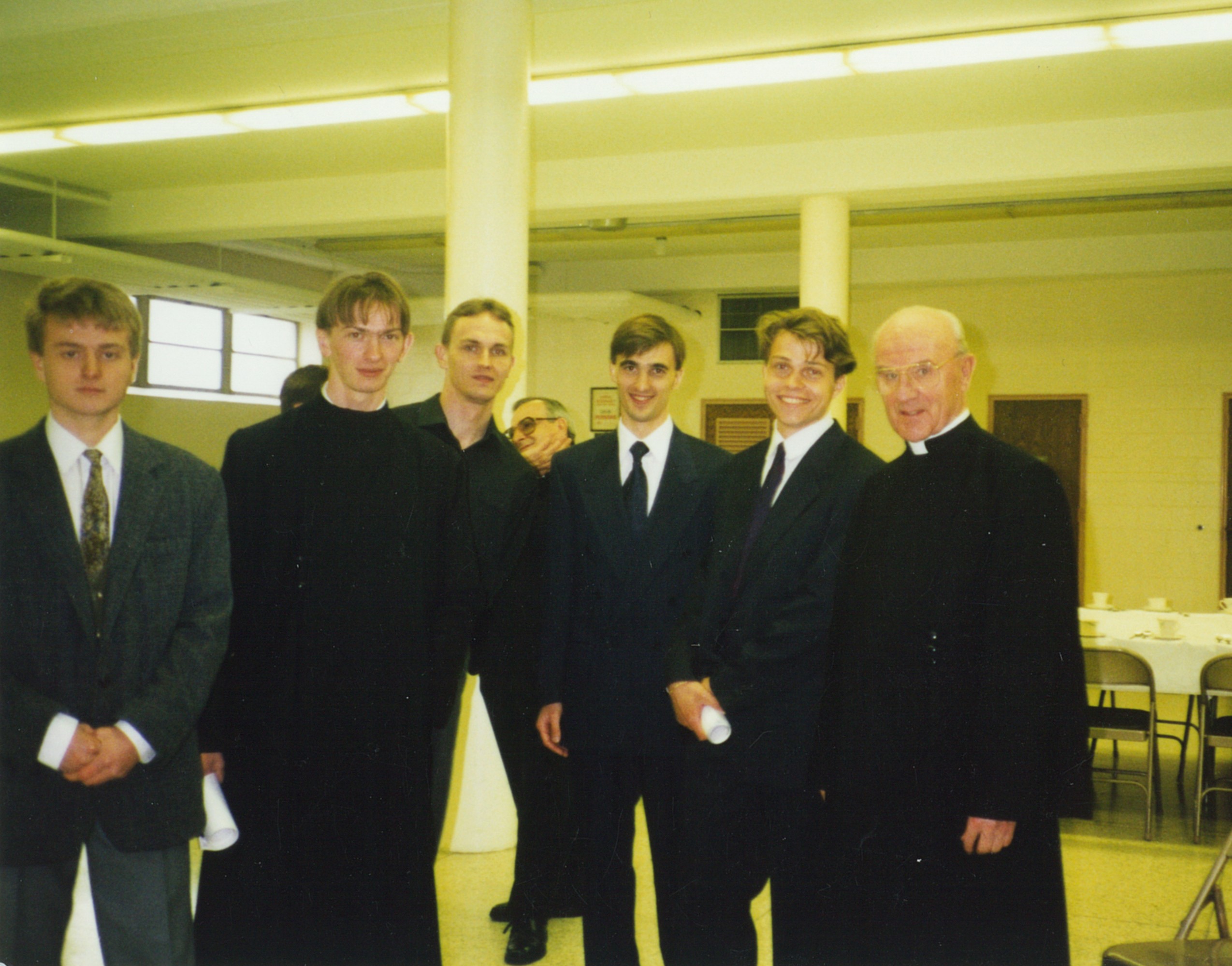
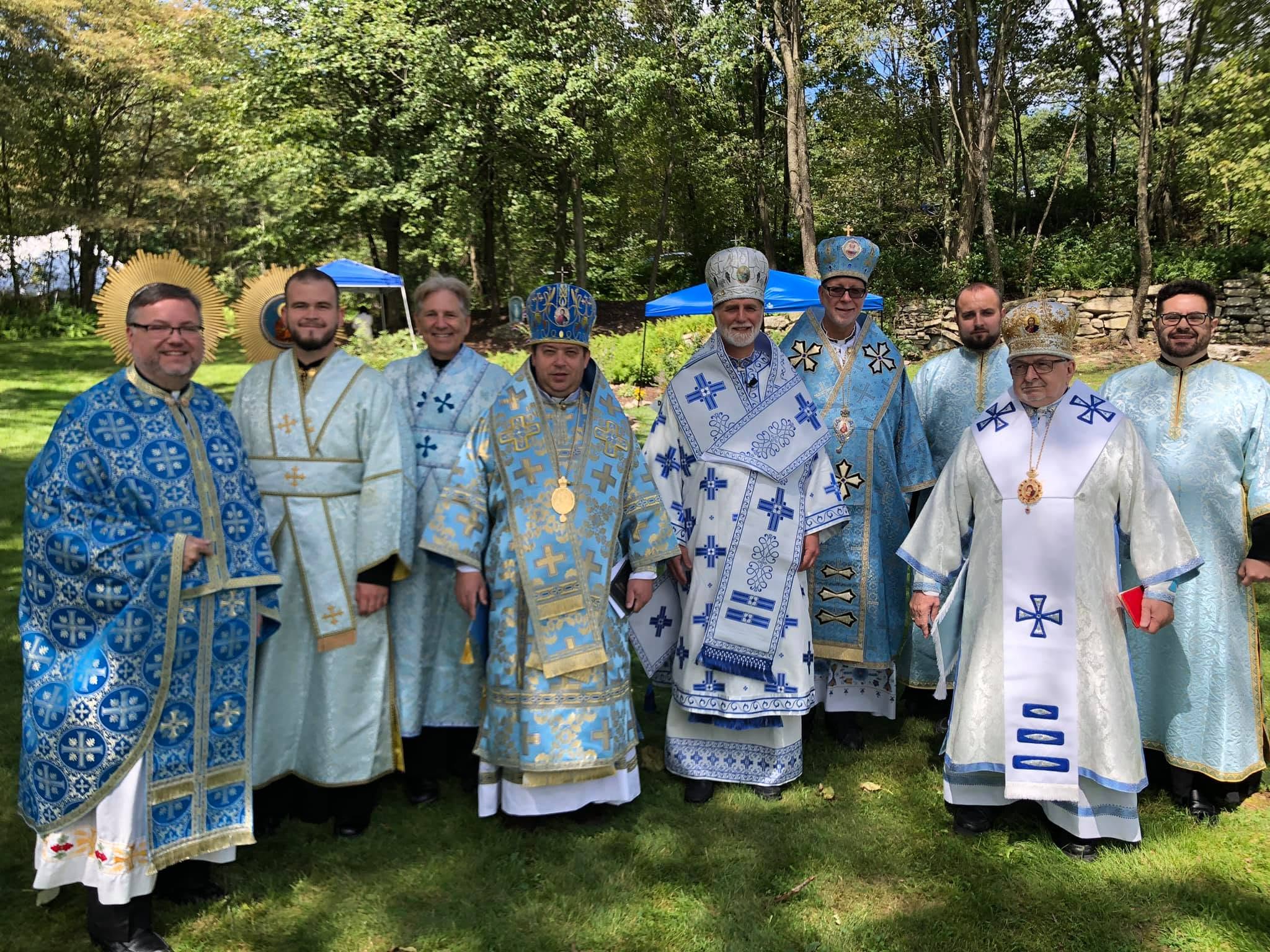
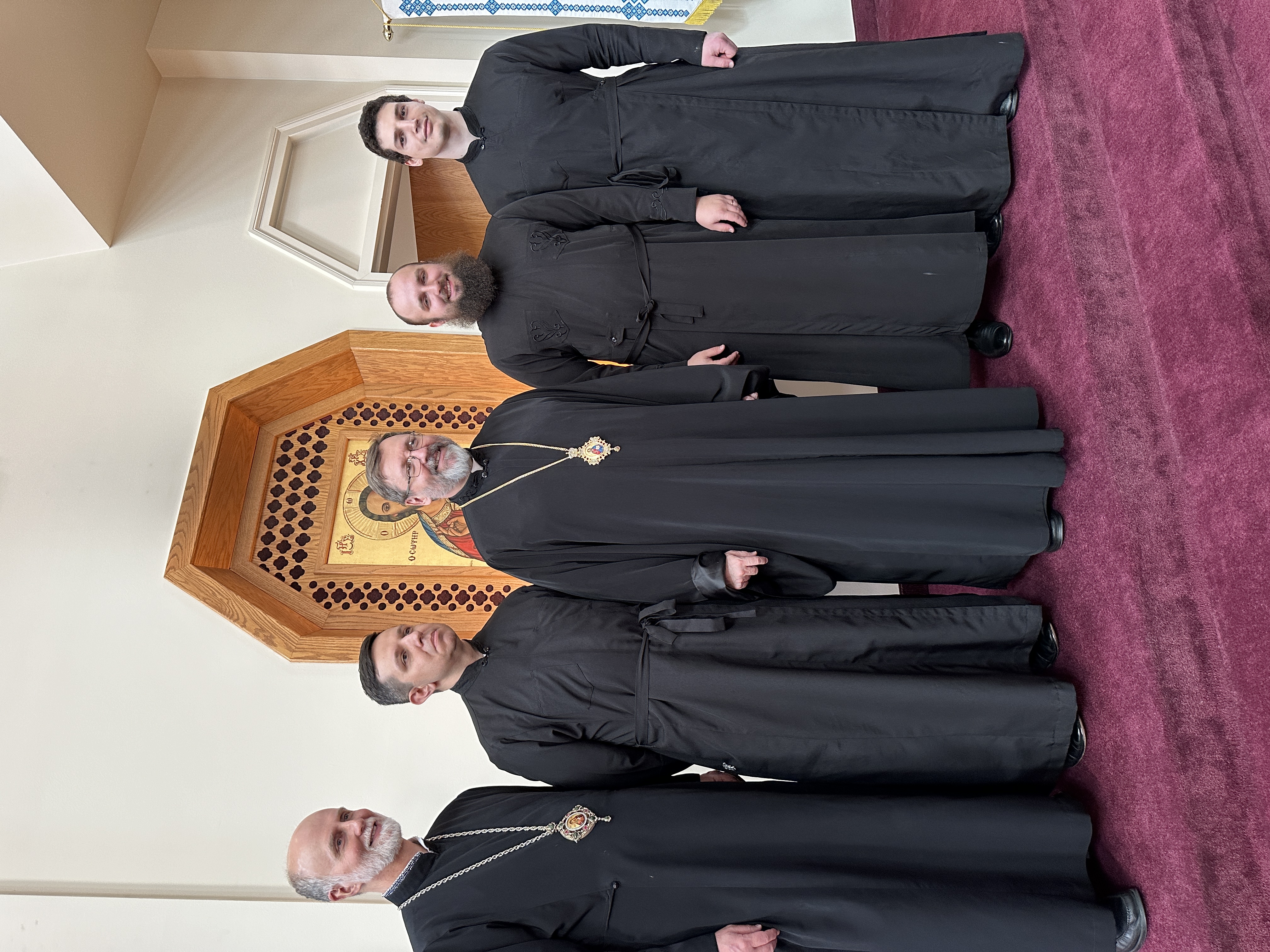
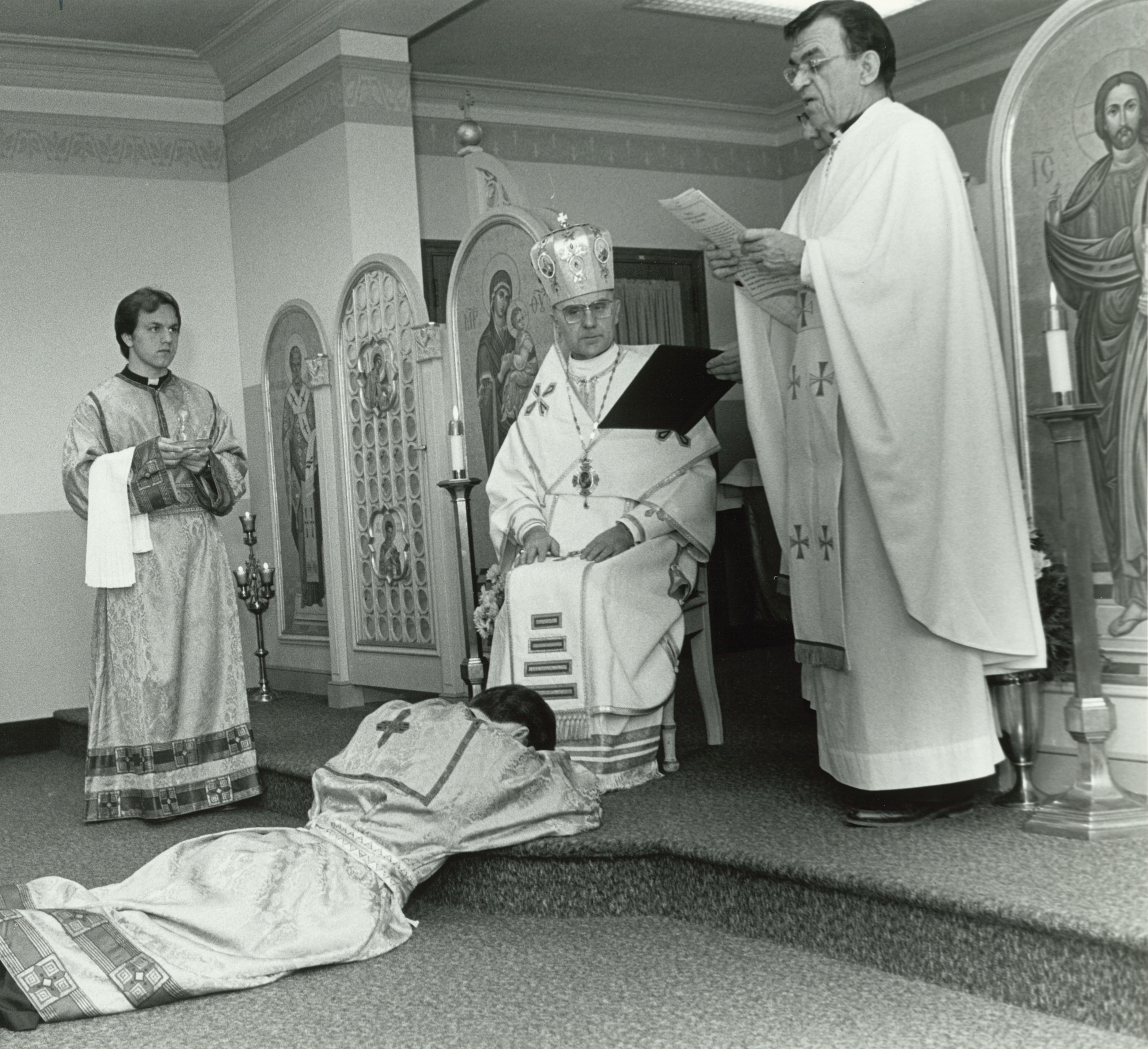
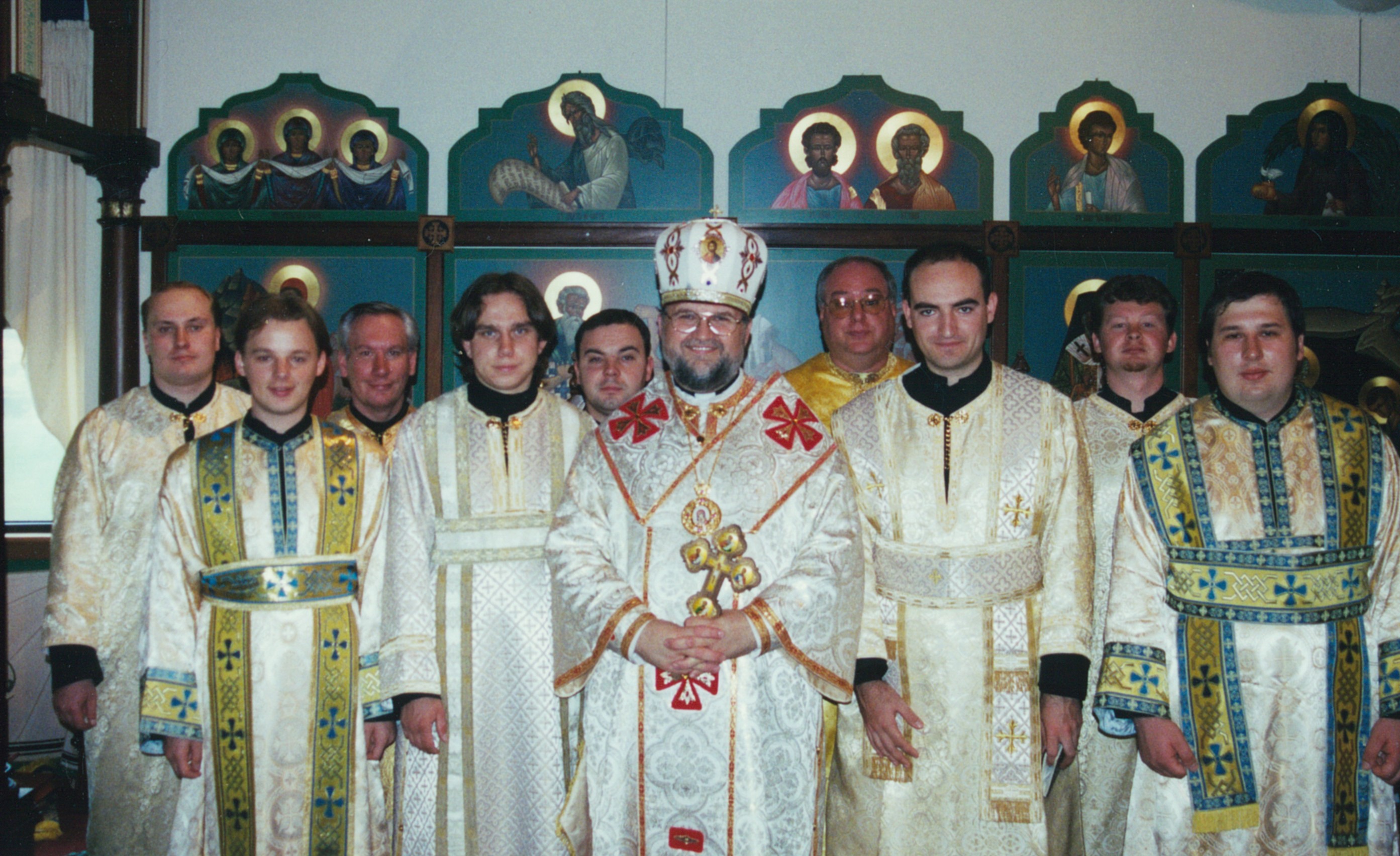
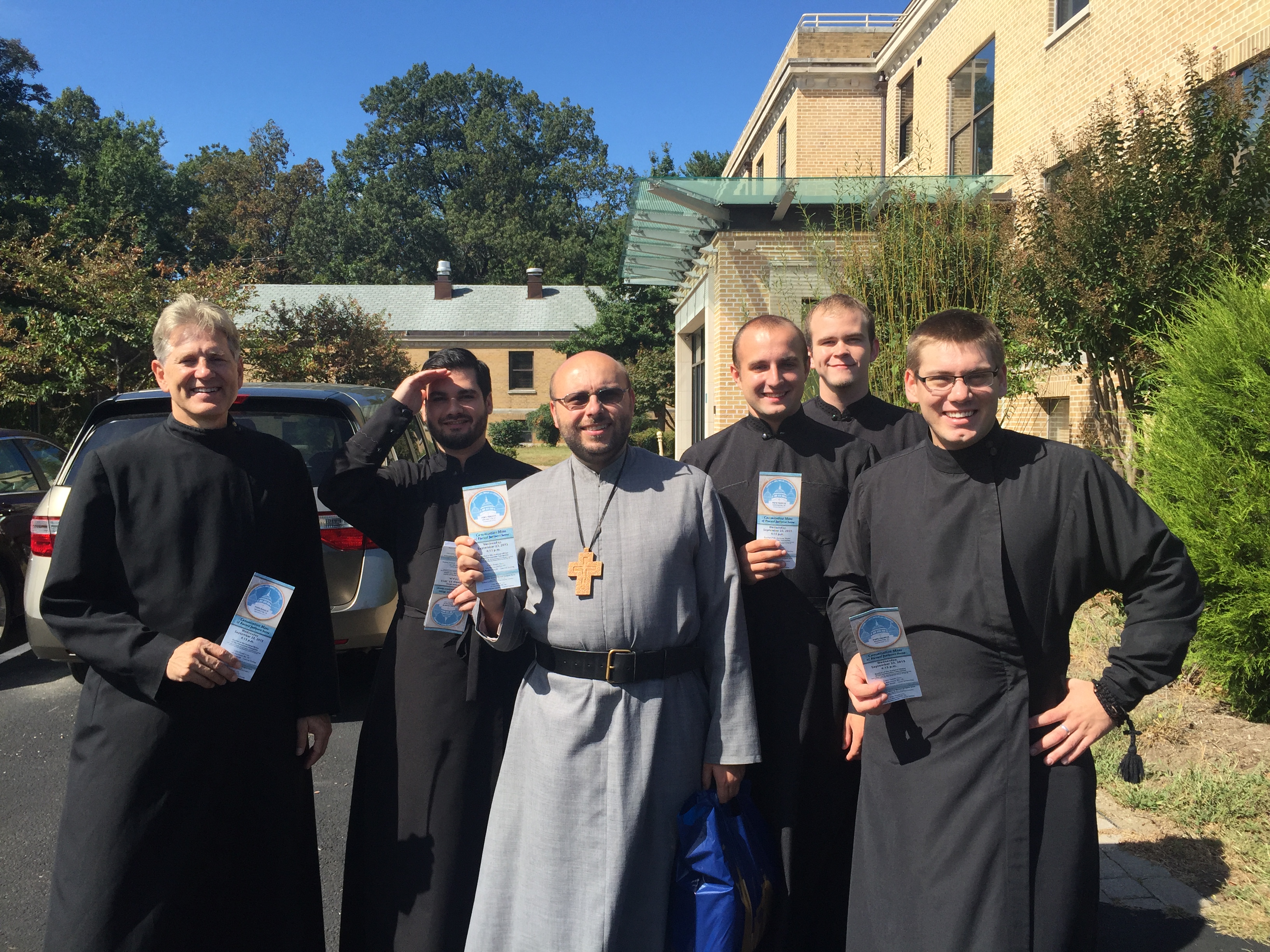
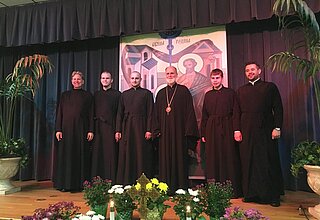
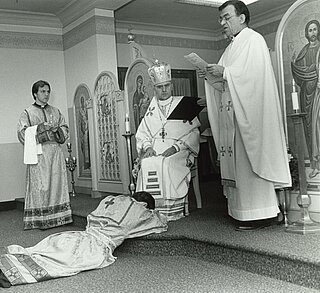
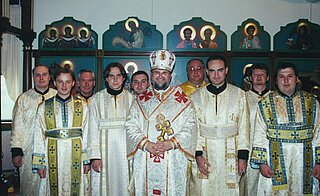
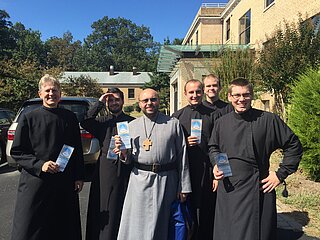
Over the seminary’s 85 years, it gave formation to nearly 150 priests who have served and continue to serve not only in the United States but also in Canada and other countries worldwide. One of the recent graduates of St. Josaphat Seminary is Fr. Bohdan Vasyliv, who currently serves in our oldest parish in the United States, in Shenandoah, PA. Twelve seminary graduates have also been elected bishops and metropolitans: Bishop John Bura, Bishop Bohdan Danylo, His Beatitude Lubomyr Husar, Bishop Jaroslav Gabro, Bishop Basil Losten, Bishop Robert Moskal, Bishop Walter Paska, Bishop Andriy Rabiy, Bishop Richard Seminack, Metropolitan Stefan Soroka, Bishop John Stock, and Metropolitan Stephen Sulyk. Most of them have served and are serving our church in the USA.

During these 85 years, the rectors of St. Josaphat Seminary were:

Rev. Emil Ananevich 1941

Rev. Athanasius Chimy, OSBM 1941-1944

Rev. Jacob de Boer 1944-1948

Rev. Stephen Hrynuck 1948-1952

Rev. Roman Lobodych 1952-1953

Rev. Basil Makuch 1953-1965

Rev. Constantine Berdar 1965-1967

Msgr. Basil Makuch 1967-1979

Msgr. Walter Paska 1979-1984

Msgr. Leon Mosko 1984-1987

Msgr. John Bura 1987-1997

Ver. Rev. David Clooney 1997-2001

Msgr. Peter Waslo 2001-2003

Ver. Rev. Robert Hitchens 2004-

Maria Ivaniv Lonchyna, PhD

Related News

More News
“Put Your Love Into Living Action”: Fr. Brian Kolodiejchuk, MC, on Mother Teresa, Charity, and Hope

#U.S.

#Archeparchy

#Interview

“Put Your Love Into Living Action”: Fr. Brian Kolodiejchuk, MC, on Mother Teresa, Charity, and Hope

Metropolitan Borys Gudziak Joins Charity Event in Support of Ukraine’s Military Medical Personnel

#Ukraine

#Archeparchy

Metropolitan Borys Gudziak Joins Charity Event in Support of Ukraine’s Military Medical Personnel

Metropolitan Borys Gudziak Joins Independence Day Prayer and Celebrations in Kyiv

#U.S.

#Ukraine

#Archeparchy

Metropolitan Borys Gudziak Joins Independence Day Prayer and Celebrations in Kyiv

Philadelphia Marks the 35th Anniversary of Ukraine’s Independence with Flag-Raising Ceremony

#U.S.

#Ukraine

#Archeparchy

Philadelphia Marks the 35th Anniversary of Ukraine’s Independence with Flag-Raising Ceremony