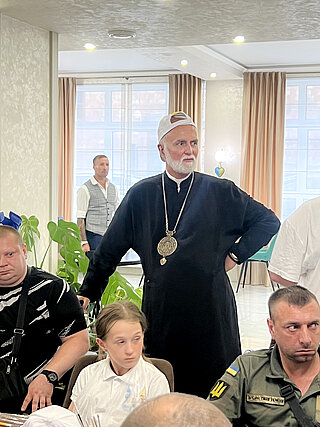
On August 17, Metropolitan Borys Gudziak continued his solidarity visit to Ukrainian eparchies, this time traveling to the Sambir-Drohobych Eparchy of the UGCC. The day's host was Bishop Yaroslav Pryriz, Eparch of Sambir-Drohobych. Accompanying the Metropolitan were Fr. Mark Fesniak, Andrea Kochan Neagle, and Sofia Zacharczuk.
The day began in Drohobych, at the Cathedral of the Holy Trinity and the eparchial chancery. The delegation visited the Drohobych Theological Seminary of the Blessed Martyrs Severyn, Yakym, and Vitalyi, where the rector of the seminary, Fr. Roman Andrijovskyi, spoke about the seminary's work, including its academic programs and the junior seminary, before the group was shown where the Catechetical Institute and the Family Center are located.
From there, the program moved to "Nazareth," the so-called social village run by Caritas of the Sambir-Drohobych Eparchy. As the organizers put it, the point of the visit was to show their guests not just the projects, but above all the people they work with every day. Metropolitan Borys and the delegation walked the grounds, visited the Church of the Blessed Hieromartyr Omelian Kovch and the St. John Paul II Hospital, and stopped by an inclusive day center for children and the new children's space called "Safe Home."
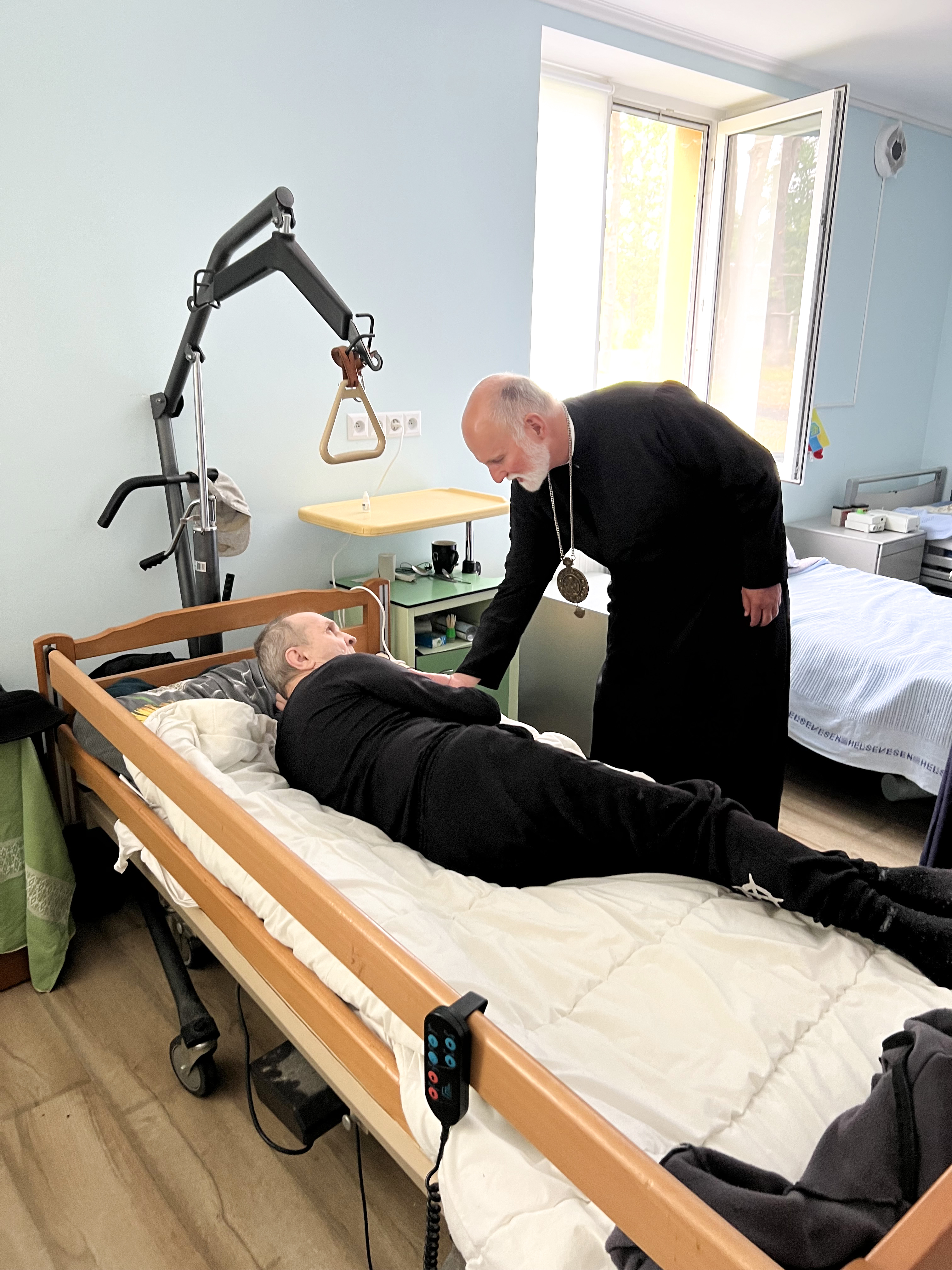
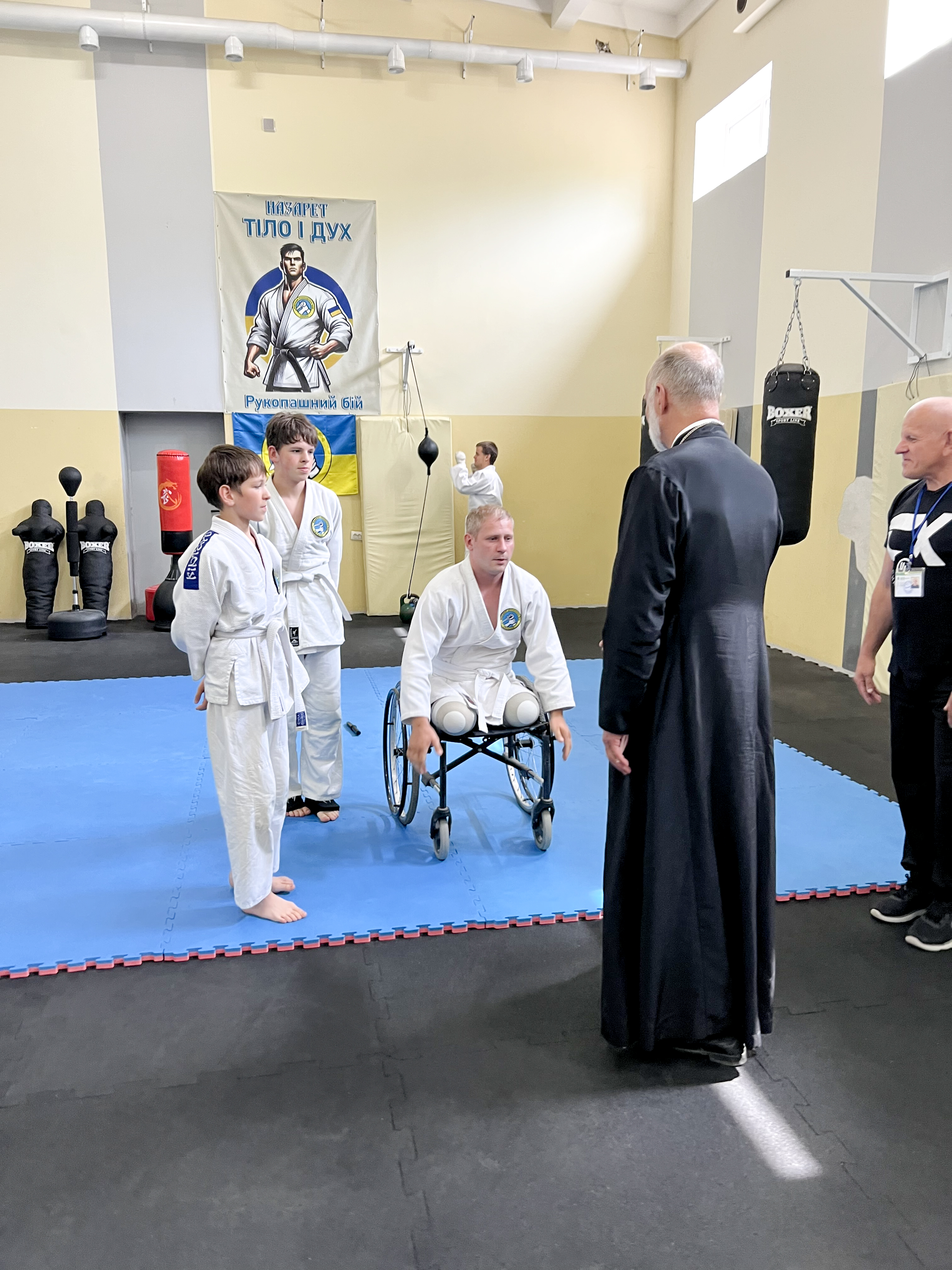
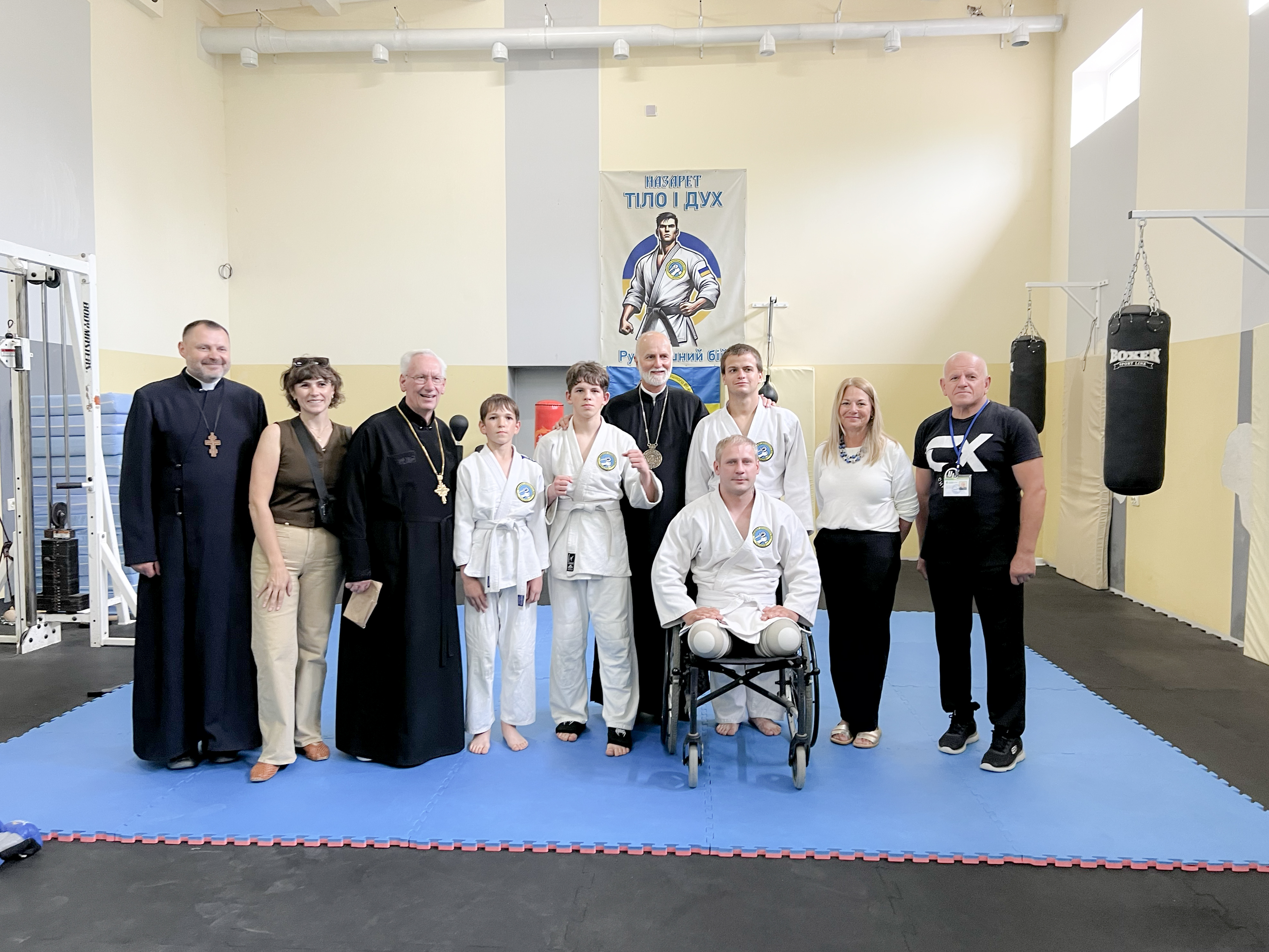
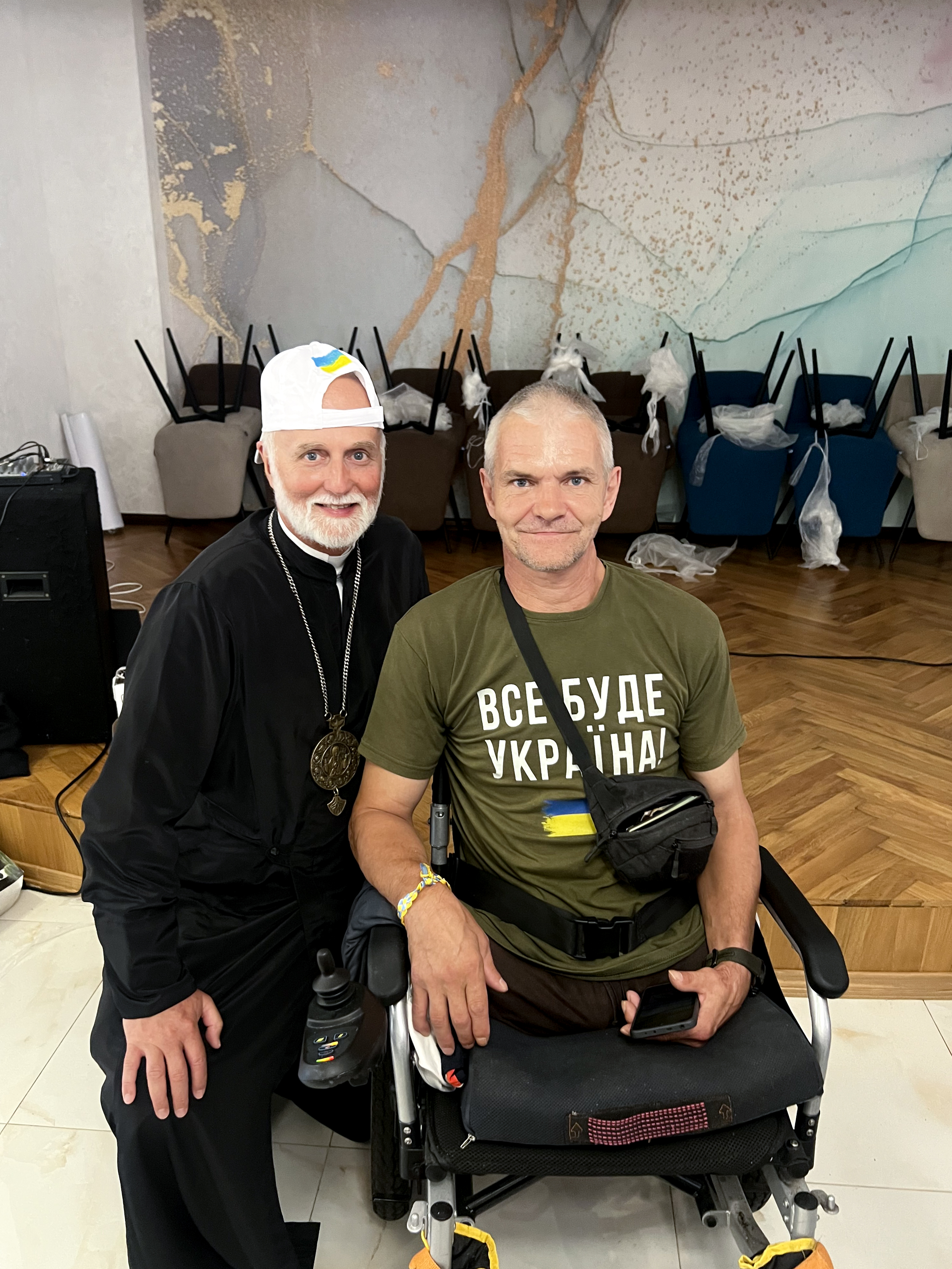
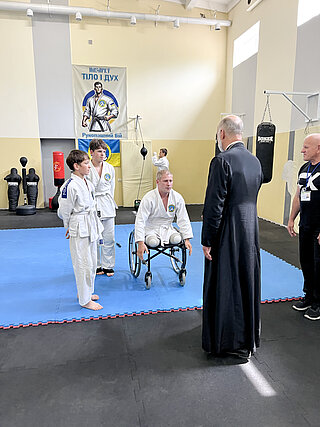
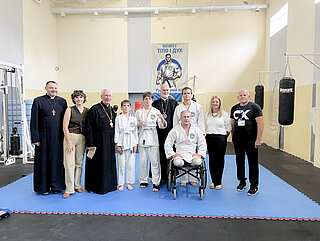
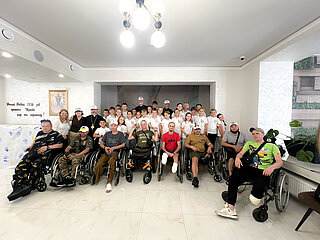
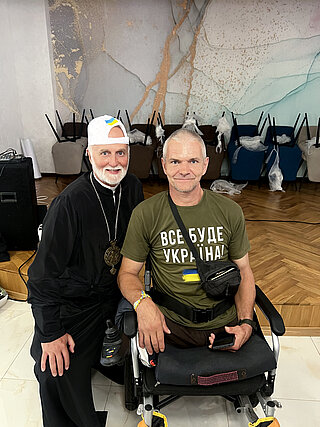
At the Center for Physical Rehabilitation and Prosthetics for veterans and those affected by the war, the Metropolitan saw firsthand how doctors, physical therapists, and occupational therapists work with veterans to help them regain mobility, independence, and confidence. The guests visited the occupational therapy room and the gyms, where adaptive sports and martial arts training take place.
A separate part of the program introduced the delegation to communities that help people overcome addiction. Men, women, and women with children are all in recovery here. The guests also stopped at the Bishop Yulian Voronovsky Home for Social and Palliative Care that is being built, and at "Nasha Khata" ("Our Home"), a mutual-aid community where people learn to live alongside one another and work through life's hardships together.
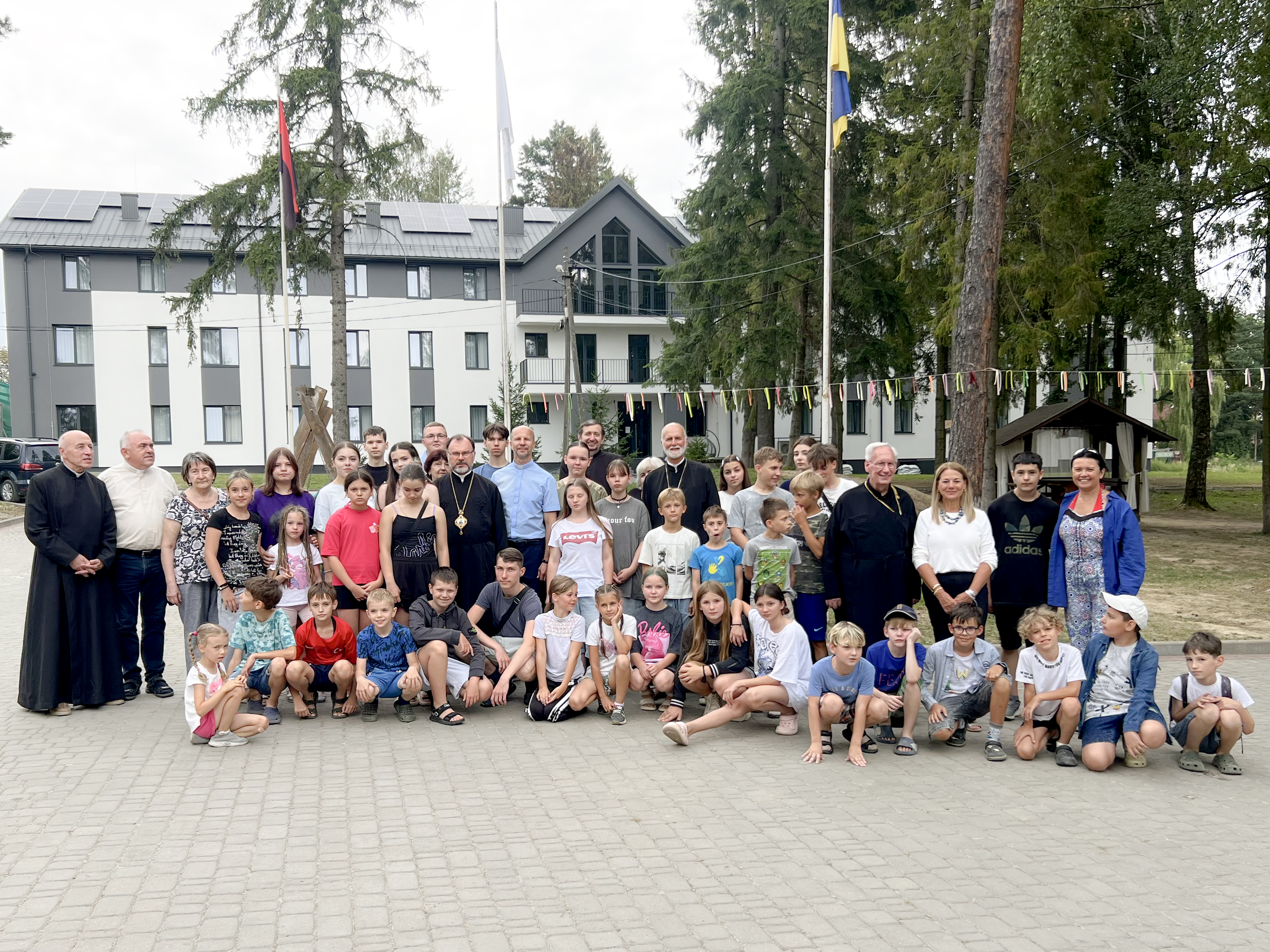
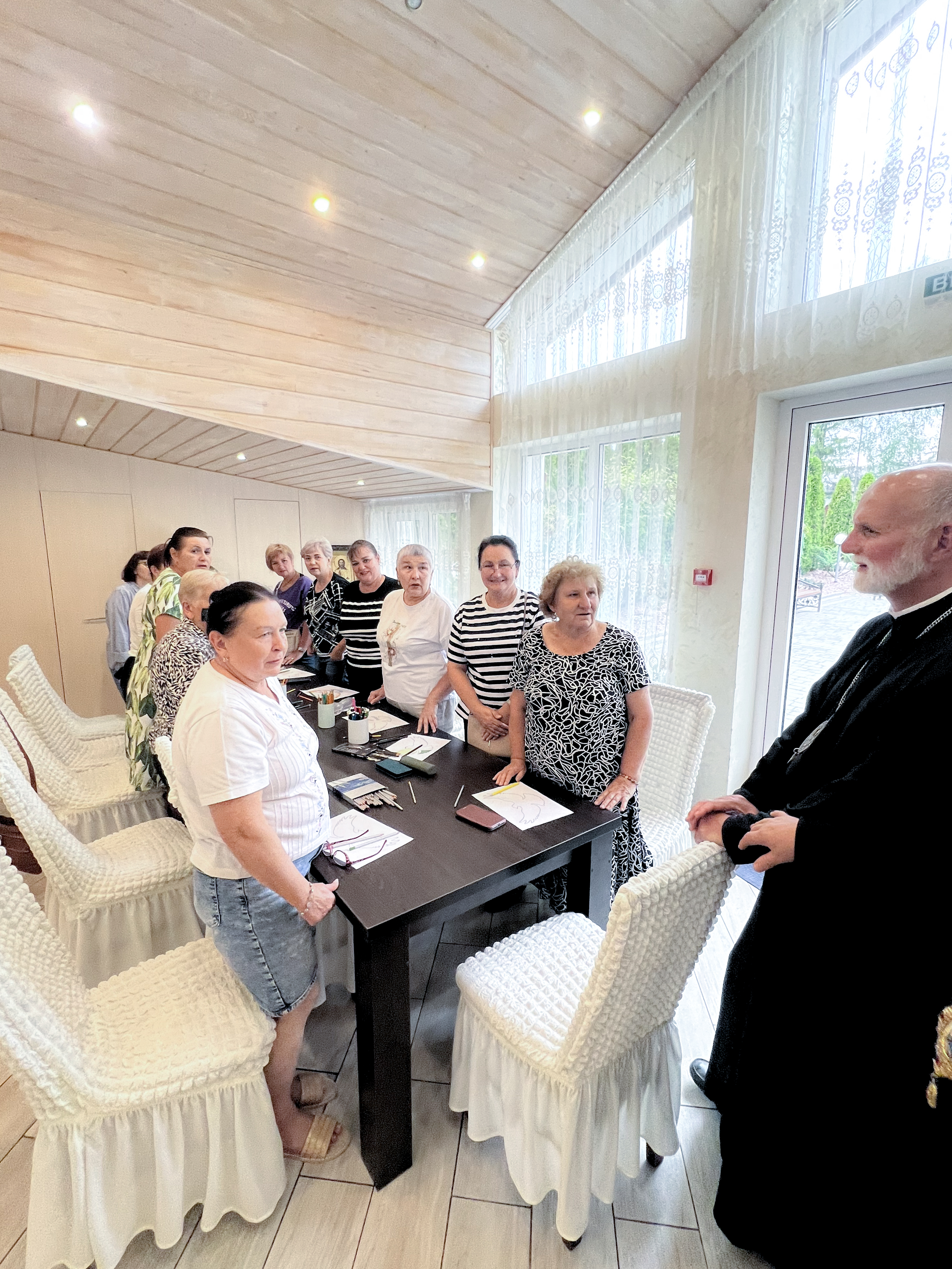
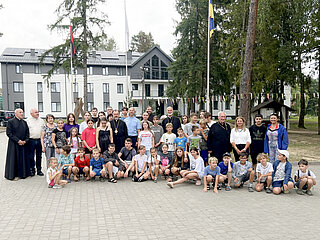
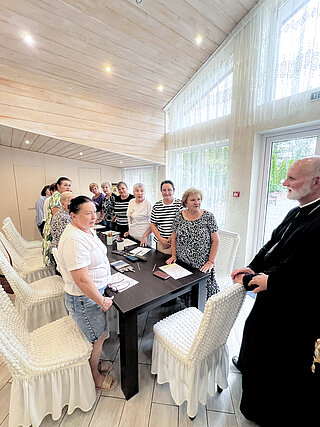
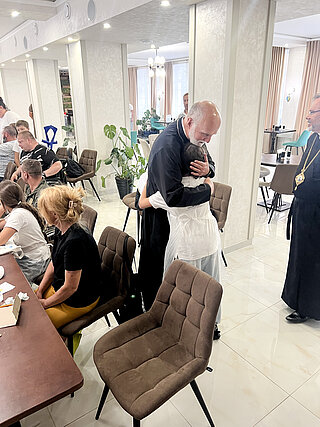
From there, the delegation went on to the "Emmanuel" youth center, where a camp was underway for children displaced by the war. There, Metropolitan Borys met briefly with mothers who had lost their sons at the front.
In Truskavets, a former bishop's residence now houses the "Oranta" Rehabilitation Center, which combines physical and mental rehabilitation with art therapy for soldiers and their family members. The center is also home to a museum telling the story of fleeing occupied territory and how war reshapes the world around a person.
The guests visited the museum, where Nazar Bermes, a veteran and iconographer, presented the Metropolitan with one of his icons, his interpretation of the icon of the Mother of God from Drohobych's Church of St. George.
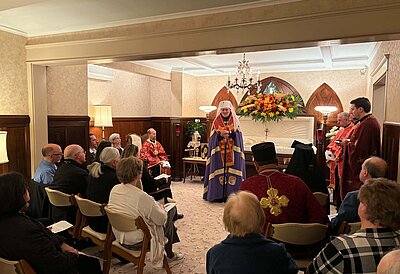
There is a striking story behind the center's chapel: in the early days of the war, it took in internally displaced people, many of them pregnant women, and it was there that 17 children born in the first months of the full-scale invasion were baptized.
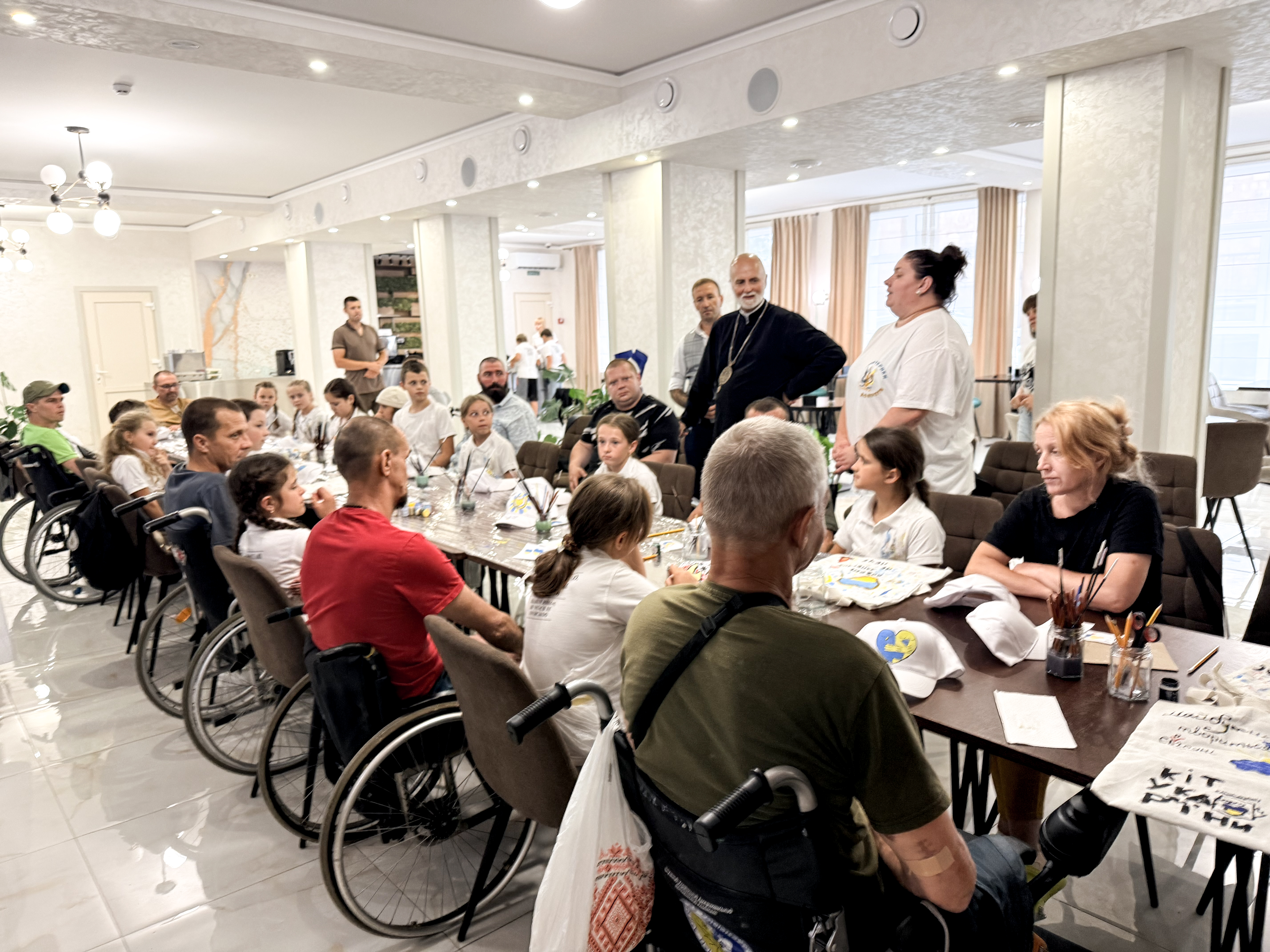
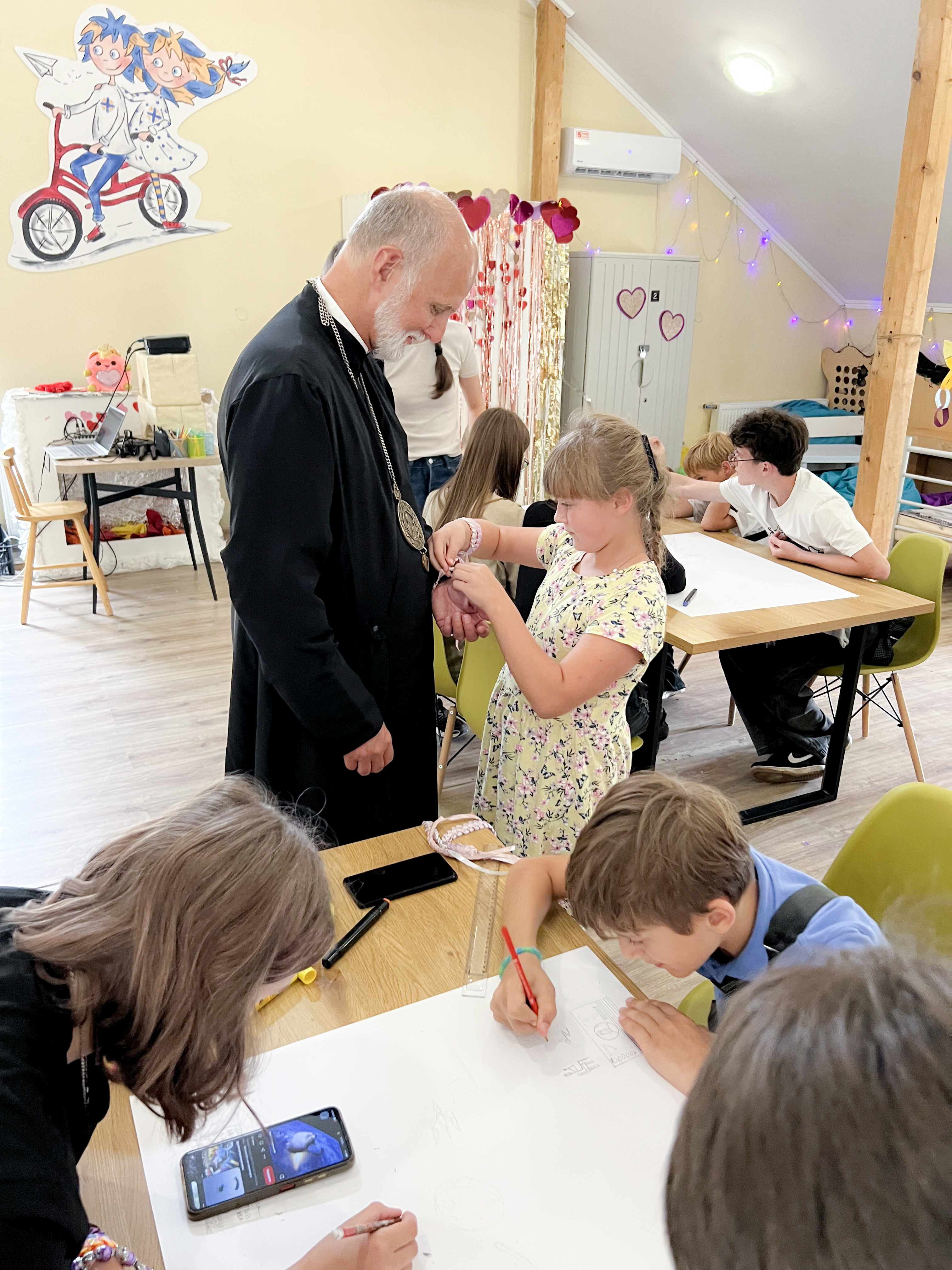
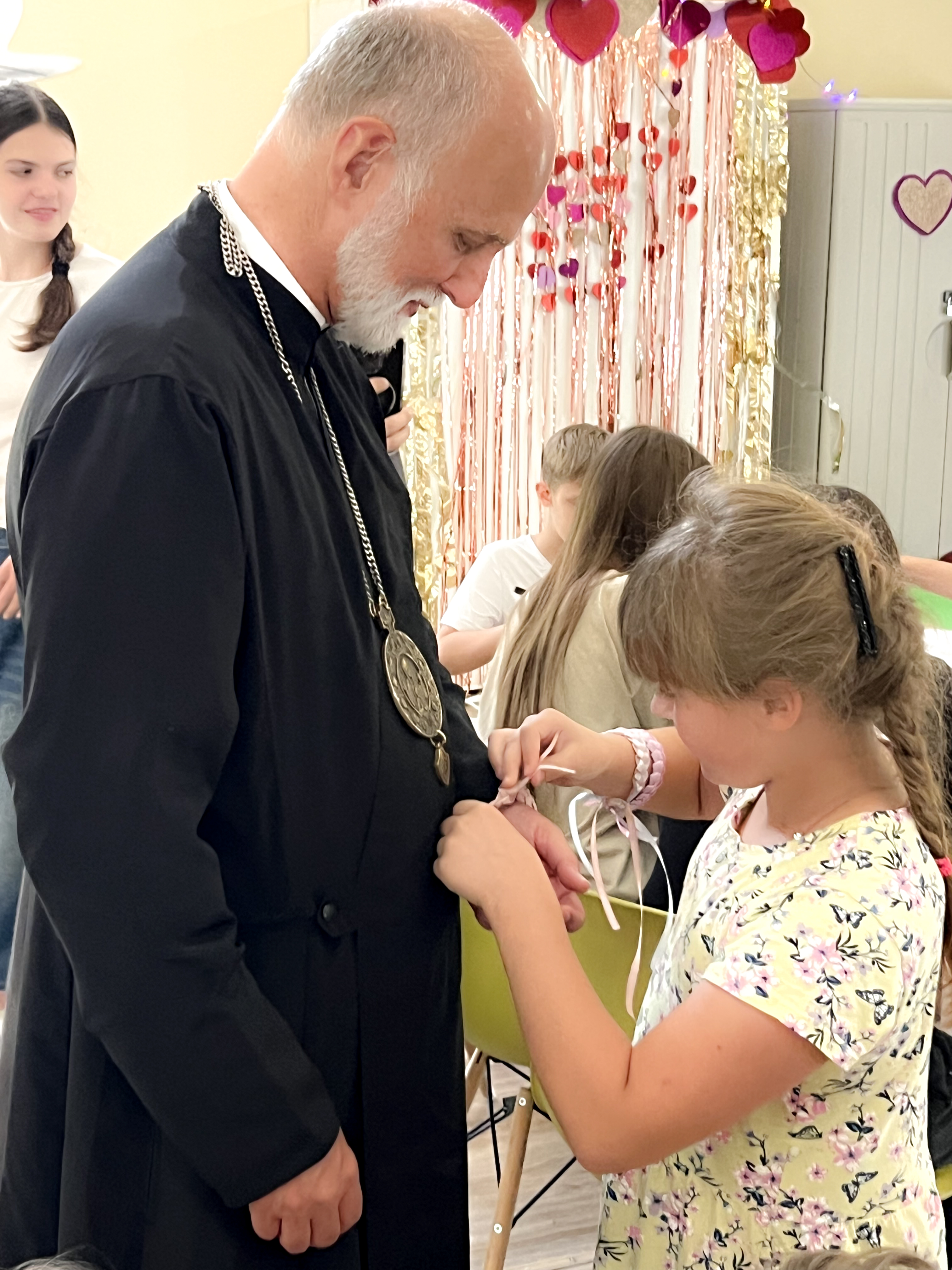
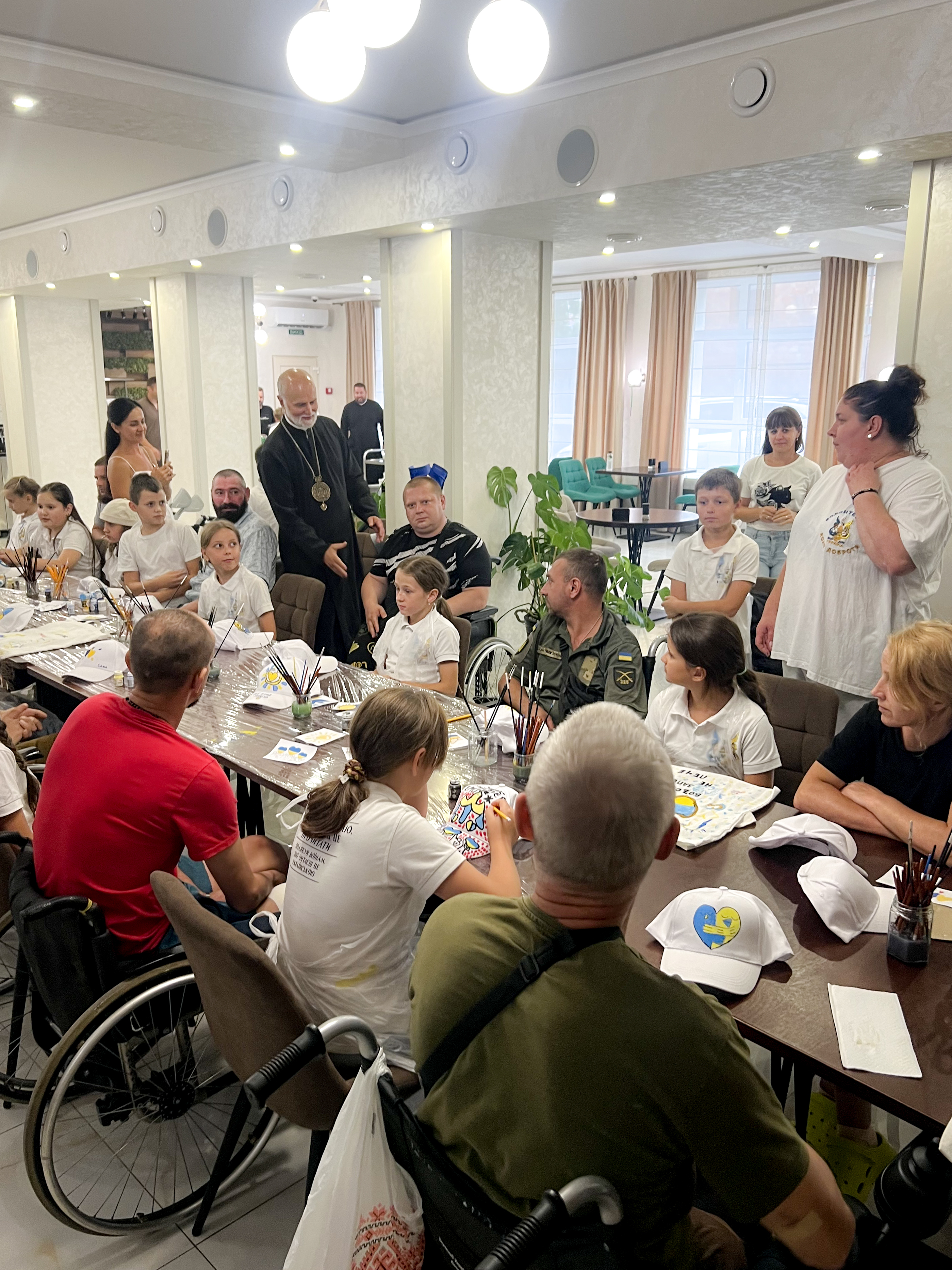
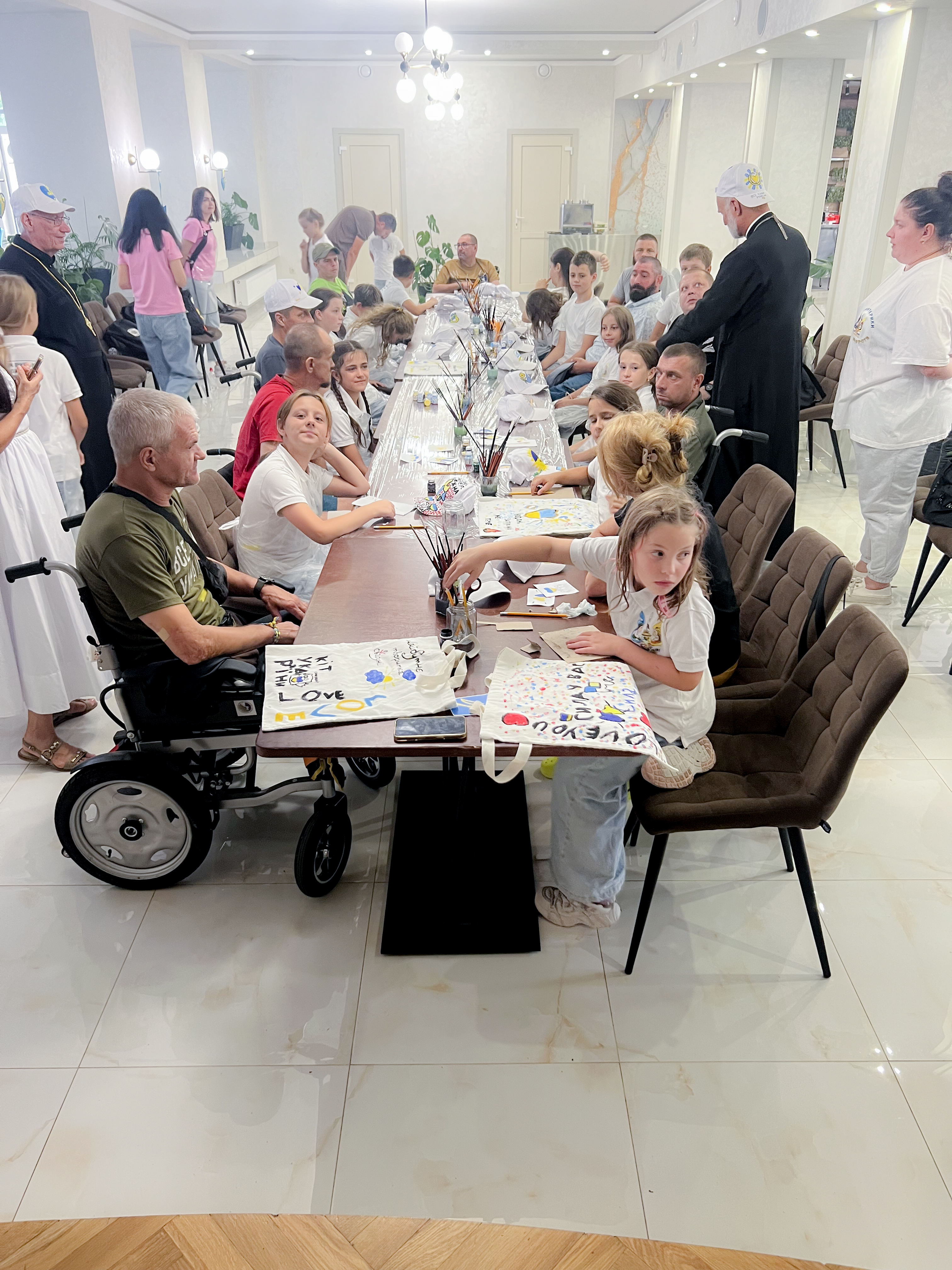
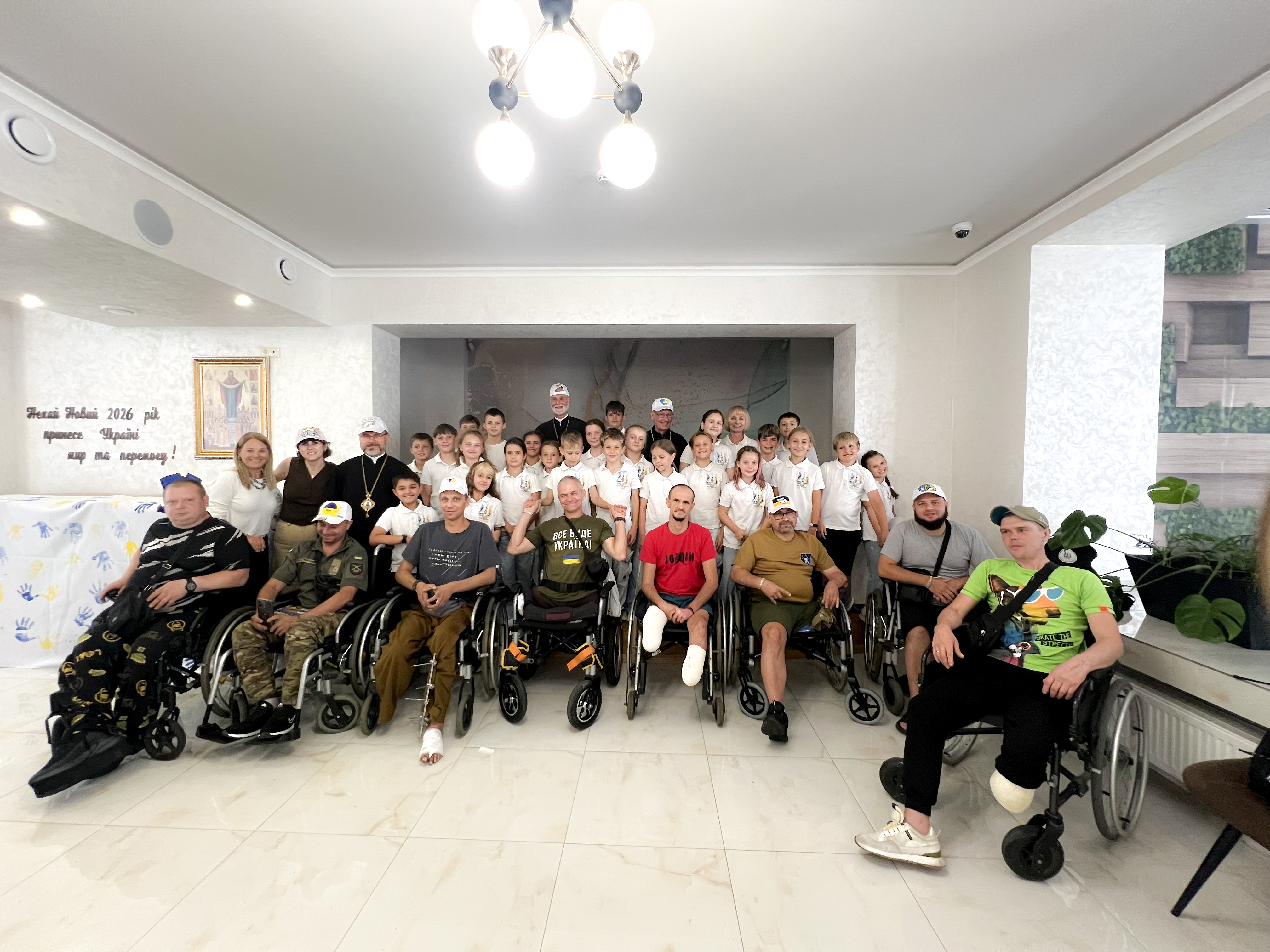
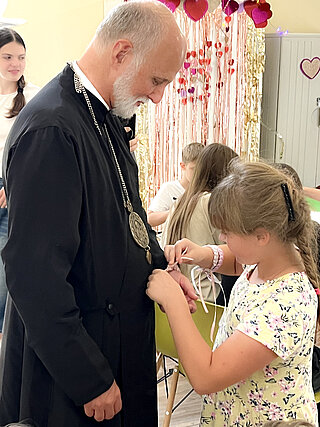
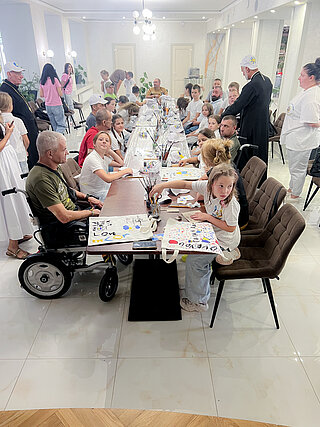
The most moving part of the day was meeting the children's charitable initiative "Volonteryky Kolo Dobroty" ("Volunteers of the Circle of Kindness"), founded by Ivanna Balko of Drohobych. The initiative is now four years old: the children who started out in first grade are now in fifth grade, and they work with veterans, wounded soldiers, and prisoners of war. These children have gone through training with psychologists before beginning their volunteer service. Over these years, they have traveled with veterans to all 300 parishes of the eparchy.
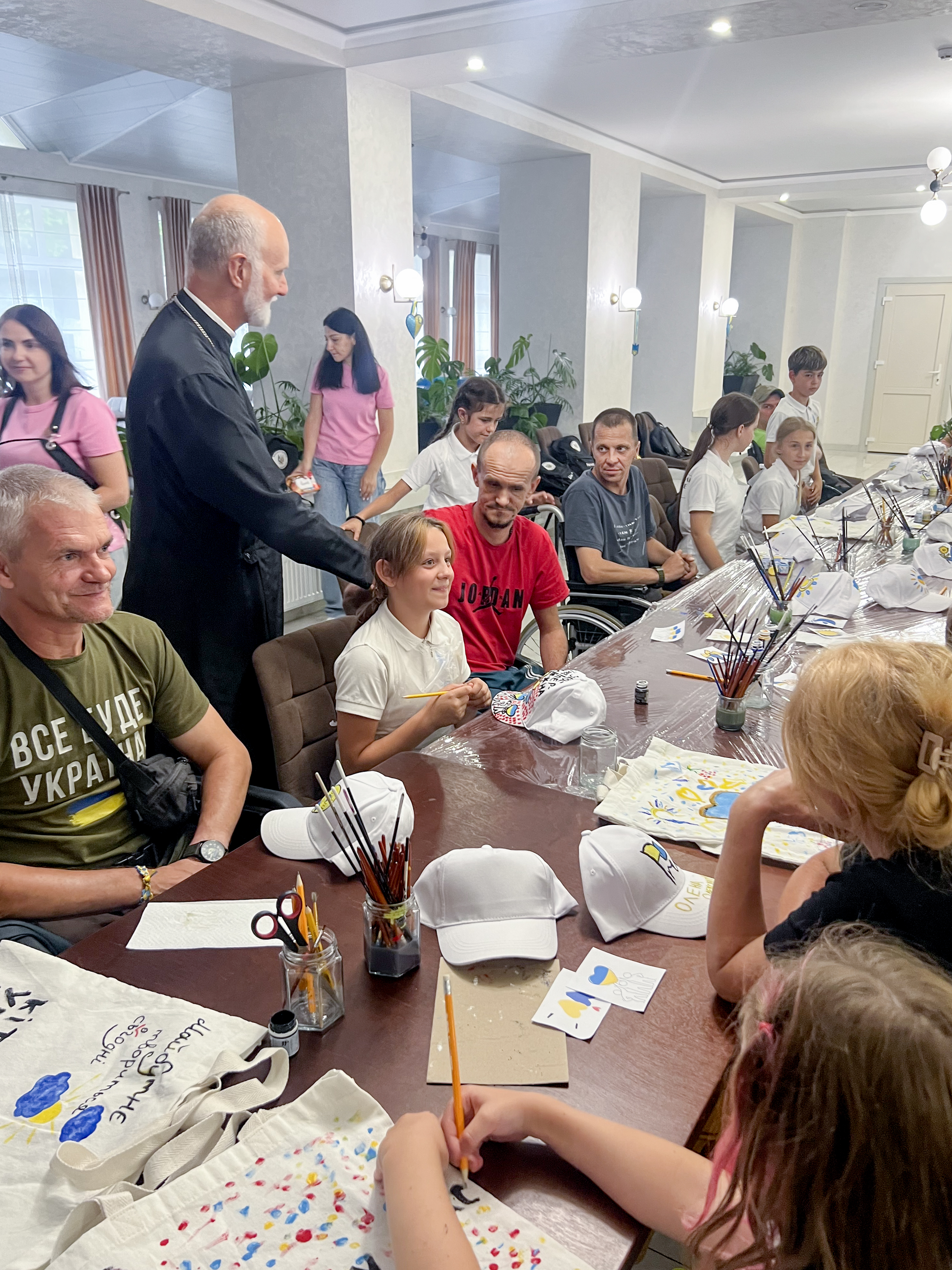
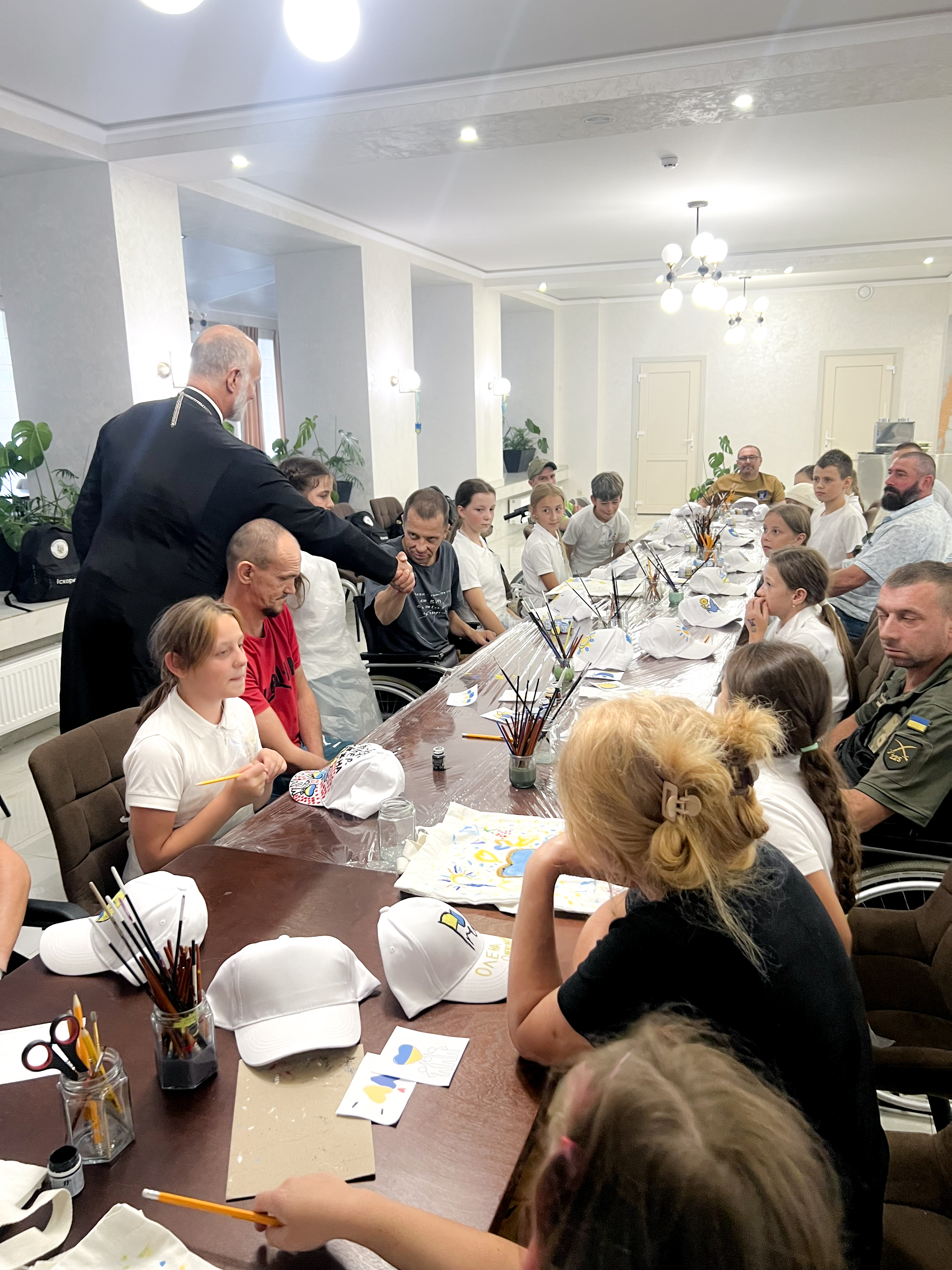
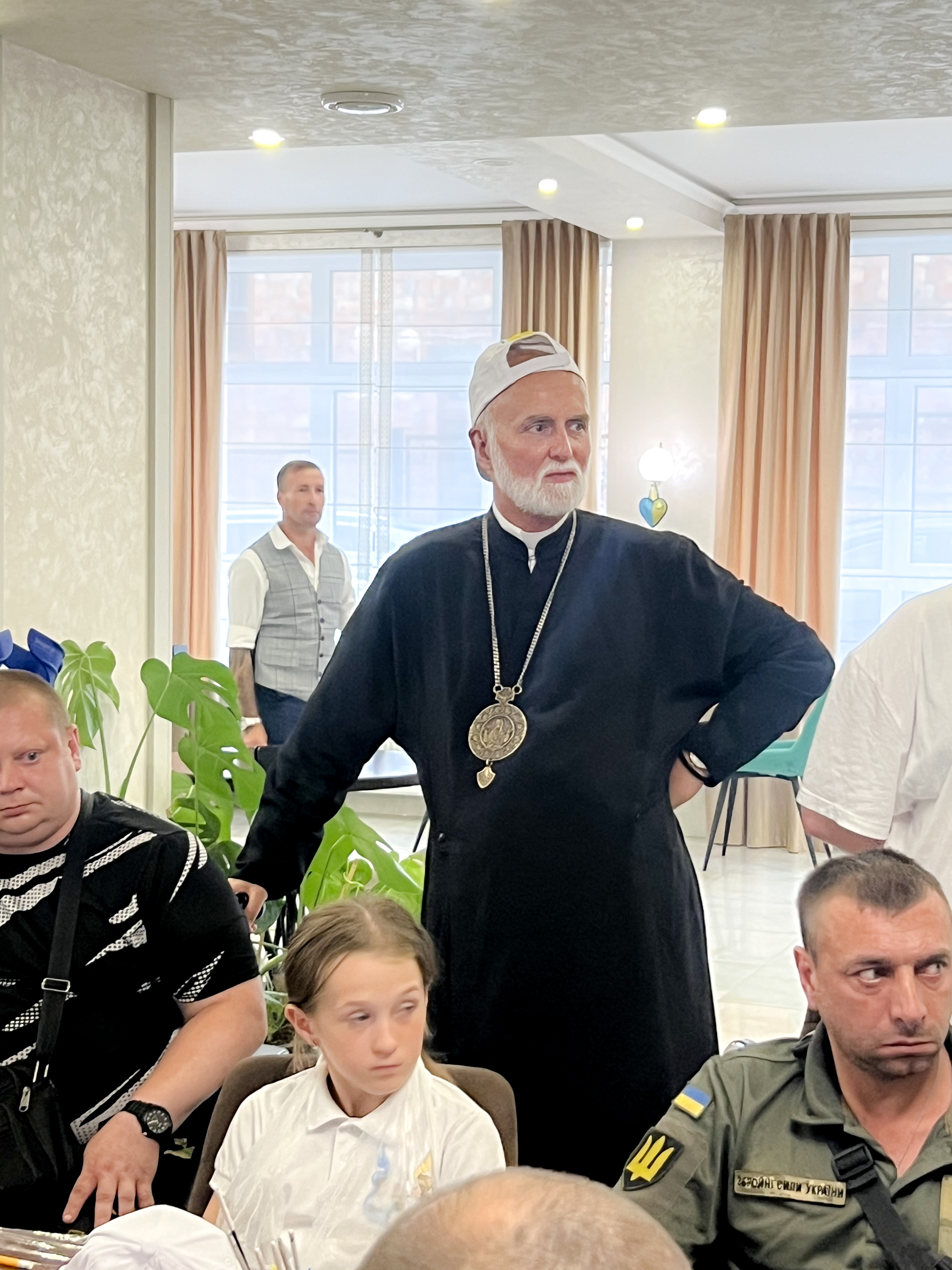
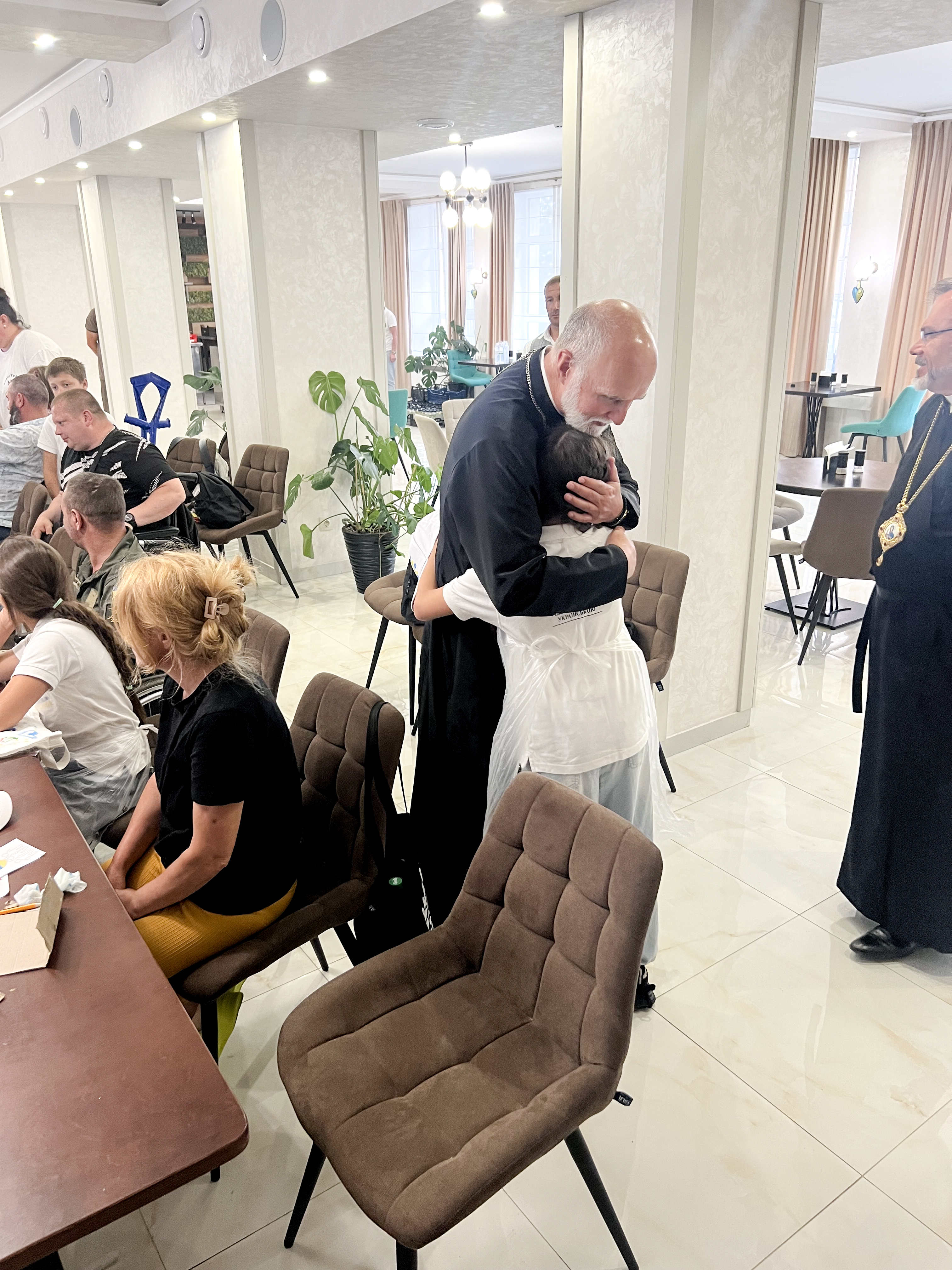
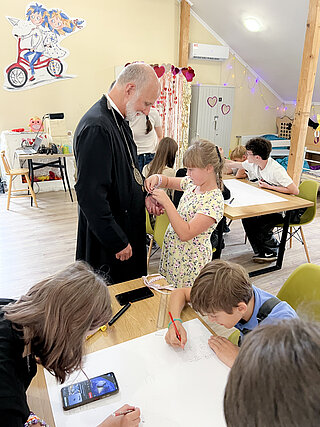
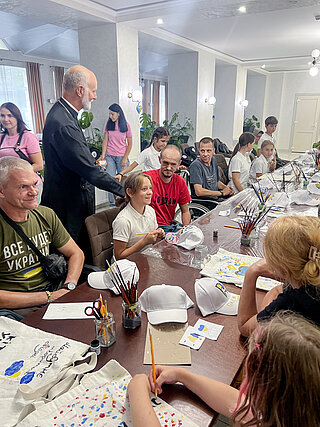
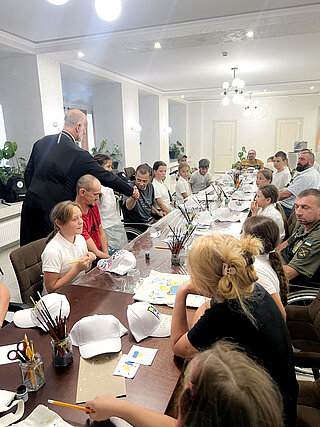
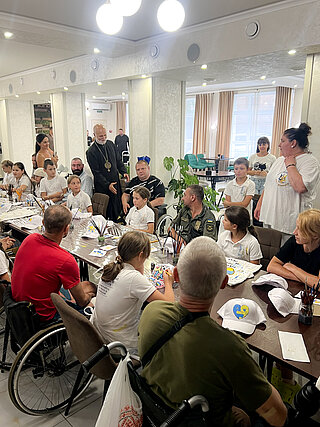
The guests first joined a workshop where the children were painting bags and baseball caps together with veterans. Afterward, the delegation went with the children to the military hospital in Truskavets, where more than 300 soldiers are currently being treated.
"We witnessed something filled with goodness and warmth. These children were unbelievable. The soldiers hugged the kids, smiling from ear to ear. The children are so genuine. They ran through the hallways, dashing into the wounded soldiers' rooms, embracing everyone without a trace of fear. They handed out cold lemonades to the soldiers and hugged the men and us again and again. From the balconies, veterans shouted down to the kids, 'We love you!' The soldiers thanked us for coming and visiting them, saying it meant so much to them," recounted Sofia Zacharczuk, Chief of Staff to the Archbishop, who accompanied the group.
The children come to the hospital every week, and this friendship between the children and the soldiers has now lasted four years. When new wounded arrive at the hospital, including soldiers just released from captivity, the children are the first to go out and greet them. And, as the adults say, of everyone they visit, the freed prisoners of war are the children’s favorite "patients."
"Traveling across Ukraine with Metropolitan Borys, I've seen a lot of goodness, but what's happening here is incredible," Sofia summed up.
Since the beginning of Russia’s full-scale invasion, the UGCC Metropolitan Fund in the United States — the “Healing of Wounds of the War in Ukraine Fund” — has supported 22 projects implemented by Caritas Ukraine and local organizations, totaling $1,402,913.