Priest: A Man from Community, for Community

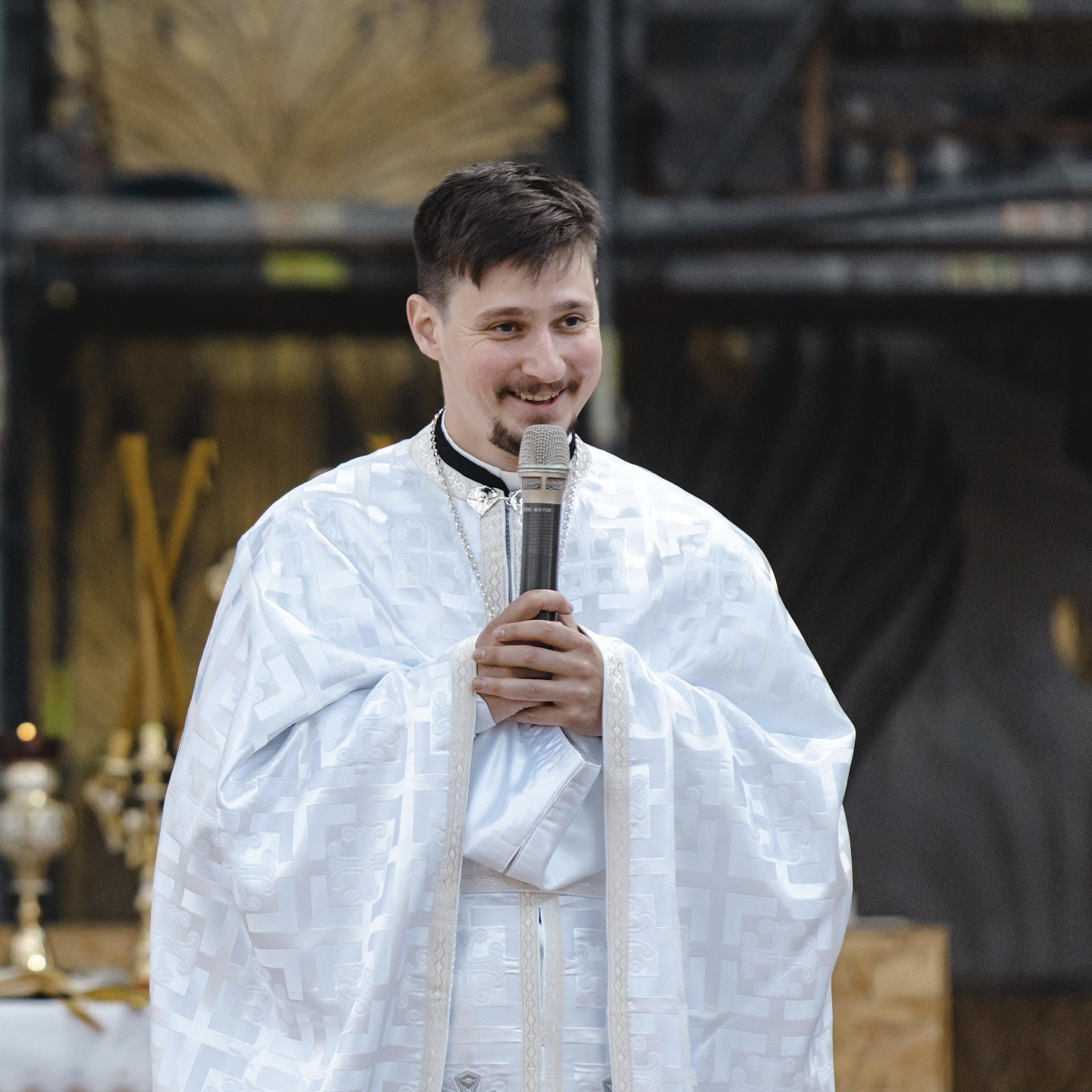
In 2026, the Synod of Bishops will focus on the theme of the pastoral care of vocations to the priesthood and consecrated life. In response, the communications team of the Philadelphia Archeparchy will be preparing a series of articles, interviews, and videos throughout the year exploring the call to the priesthood and the role of parishes in the discernment of vocations. The series opens with a reflection by Fr. Volodymyr Radko, the Archeparchy's vocations director. Stay tuned for more!

One of my seminary rectors once said during a formation meeting: “To have a priest, you need a man.” In some ways, this echoes what the late Patriarch Liubomyr Cardinal Husar once shared: “I want to be a human.” Both insights resonate deeply with Saint Paul’s Letter to the Hebrews:

Every high priest is taken from among men and made their representative before God, to offer gifts and sacrifices for sins. He is able to deal patiently with the ignorant and erring, for he himself is beset by weakness and so, for this reason, must make sin offerings for himself as well as for the people.
(Hebrews 5:1–3)

Together, these words point to a simple but often overlooked truth: priesthood begins not in abstraction, but in lived human reality.

Every priest comes from a family and from a parish. Sometimes these go together—for those of us who were born and raised in the faith and were supported by our pastors when we first shared that quiet yearning: “I want to be a priest.” At other times, we return to or discover the faith in adulthood, and it is within a parish community that we recognize the restlessness in our hearts—a sense that the Lord wants something from us.

Some of us wanted to be priests for as long as we can remember. Others were knocked off their horses like Saint Paul—surprised, unsettled, hardly able to believe it: the Lord wants me for this? Yet all of us were once children who played on playgrounds, went to school, had friends, got into mischief, read books, and played games. In short, we were just kids.

Our families, relatives, and friends were our first “seminary.” Saint John Paul II, in his apostolic exhortation Pastores Dabo Vobis (March 25, 1992), describes four pillars of seminary formation: spiritual, intellectual, pastoral, and human. These pillars are distinct, yet inseparable—and all of them rest, in one way or another, on the foundation of our humanity.

A priest should be a man of authentic spirituality—prayerful, and able to lead and teach others how to pray. In this way, he builds his relationship with God and gives witness to others from his own experience.

Intellectual formation—studies in philosophy, theology, and related disciplines—may last between five and ten years. It immerses a seminarian in the rich Tradition of the Church, the faith handed down from the Apostles, enabling him to understand it deeply and teach it authentically in the Church’s name.

The practical dimension of priestly mission—fully entrusted on the day of ordination—is developed during pastoral formation, as a seminarian teaches catechism, speaks with altar servers, or responds to a parishioner’s question.

But none of this would hold together without human formation: the lifelong work of becoming a mature, integrated, and authentic person. Such maturity is a treasure, and we are all—regardless of vocation, profession, or stage of life—growing toward it.

As children, we learn how to relate to our parents and family members. We discover the beauty of friendship with peers. During the often turbulent years of adolescence, we begin asking existential questions and searching for our place in the world, frequently with the help of mentors. We also learn the importance of affection: a mother’s healing hug, rough-and-tumble play with a father, sharing secrets with friends, and eventually meeting someone who changes how we see the world.

Within our families and friendships, we also encounter hardship: arguments and disagreements, visiting someone in the final stages of illness, experiencing betrayal, or grieving when paths part—whether in life, or when someone is called from this world into the Heavenly Father’s embrace.

It is family and friends who teach us how to relate to others. And this, in many ways, is the everyday life of a priest: sharing in the joys and sorrows of those around him—not in his own name, but as a sign of God’s closeness. In baptisms and weddings, house blessings and hospital visits, in comforting those going through difficult times and consoling those who grieve, the priest is present.

Family is one important circle that nurtures a vocation.

Another, no less important, is the spiritual community—most often, the local parish. A parish atmosphere that cherishes vocations creates space where a call can be heard, and where answering it feels possible. An open, approachable pastor. A welcoming, loving community. Such a parish understands vocation as a shared responsibility. As the saying goes, it takes a village to raise a child; it may take a parish—or even several spiritual communities—to raise a priest. As in the family we learn the personal prayer, it is the parish we discover the beaty of the Liturgical prayer. At the catechism classes, with our peers, we are embarking to discover the basics in faith, youth or prayer groups, Bible studies, and pilgrimages are the places and moments where we learn to follow the Lord together.

It is from this web of relationships—family, friendship, and parish—that a man emerges who is ready to give himself back to the community that shaped him. And yet, something more than community is at work in this story.

There is a reason the priesthood is not merely a profession, but a vocation. We sometimes use this word loosely, to describe someone with a natural gift for teaching, medicine, or counseling. Yet the word comes from the Latin vocare—“to call.” A vocation means someone is called.

With the priesthood, there is Someone who calls.

As the Letter to the Hebrews reminds us: “No one takes this honor upon himself but only when called by God, just as Aaron was” (Hebrews 5:4). This is the heart of priestly vocation. Every priest, in one way or another, has experienced this call—sometimes gently, sometimes dramatically—and has freely said “yes.”

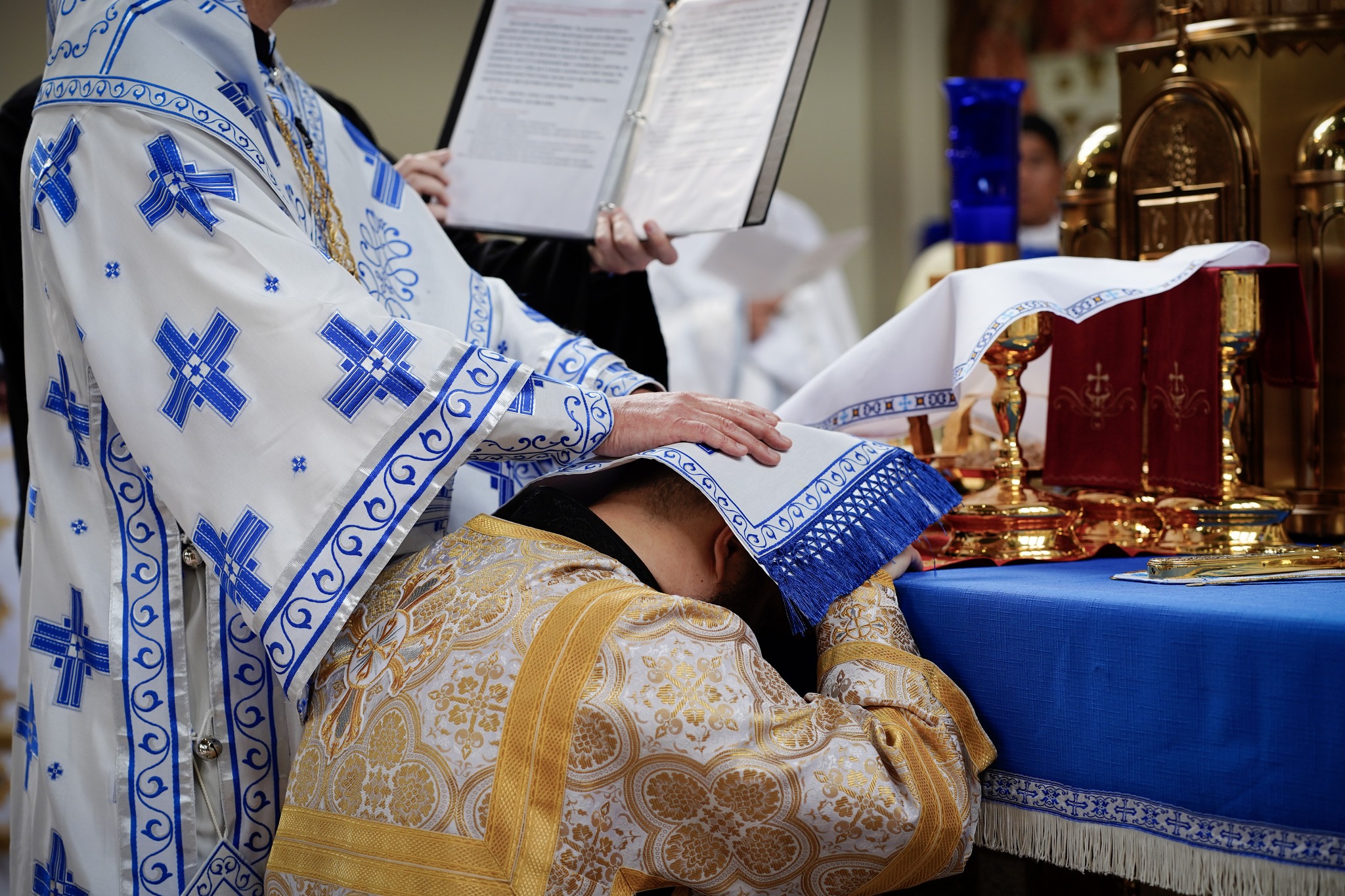
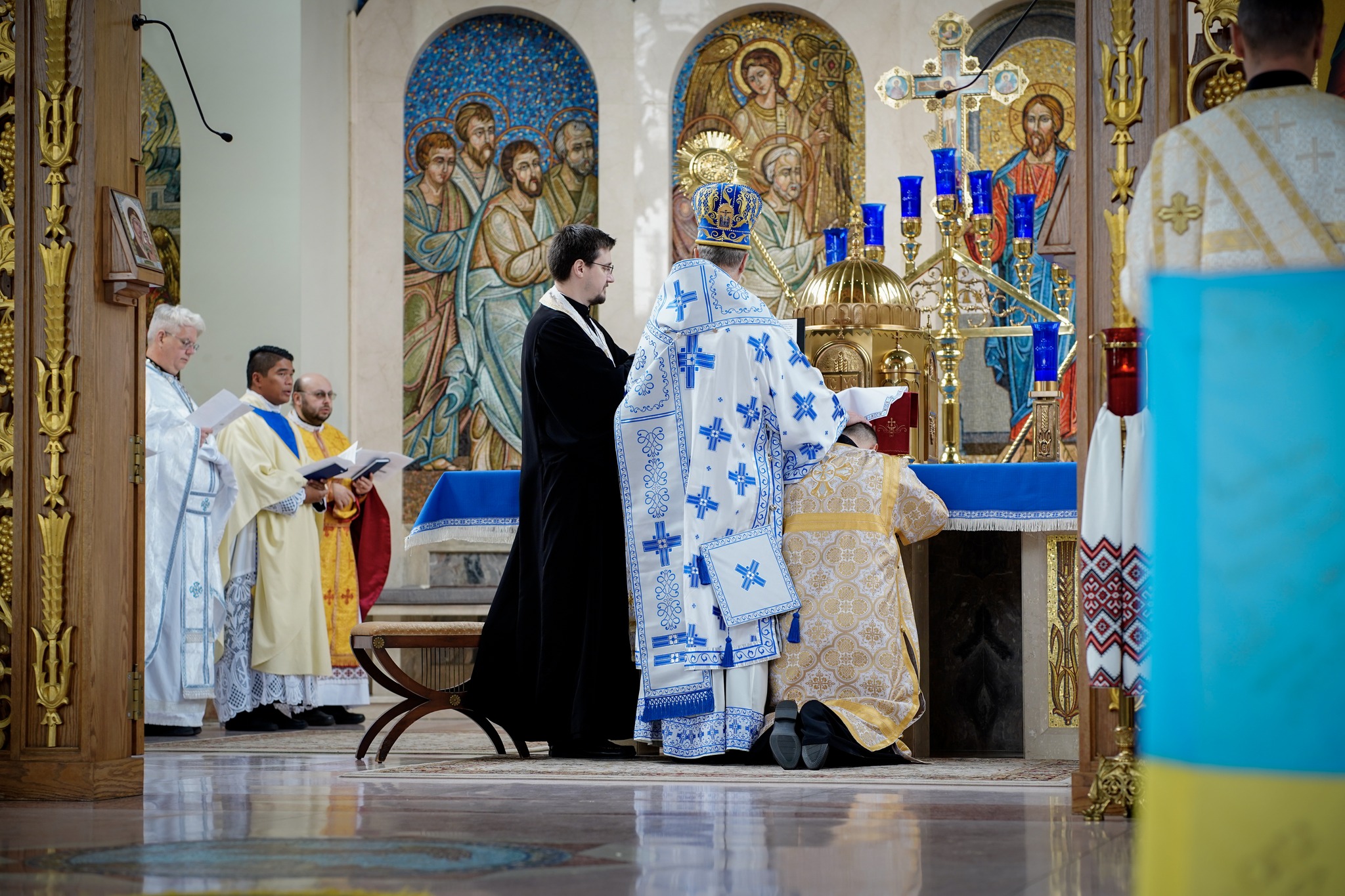
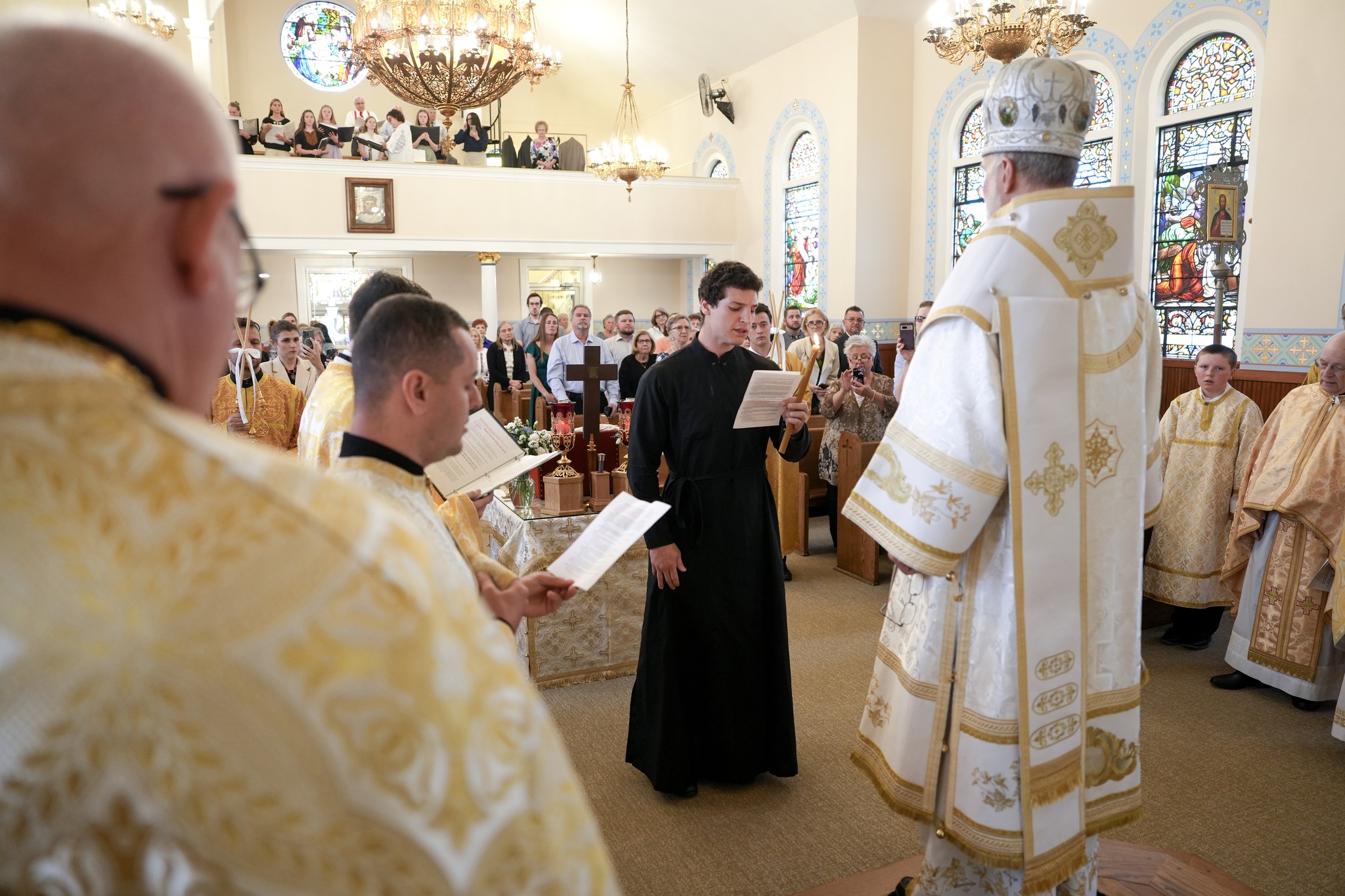
Then begins the process of discernment: prayer, reflection, sharing the call with others, applying to the seminary, and years of study. Finally, one day during the Liturgy, the bishop ordains the man first a deacon, and later a priest.

It is often said that we need more priests. Some priests are aging; some parishes are growing; some priests serve two or three communities at once. This gap is sometimes filled by priests from Ukraine who come to serve our faithful in the United States, Canada, Australia, Western Europe, and Latin America. And yet it still seems we do not have enough.

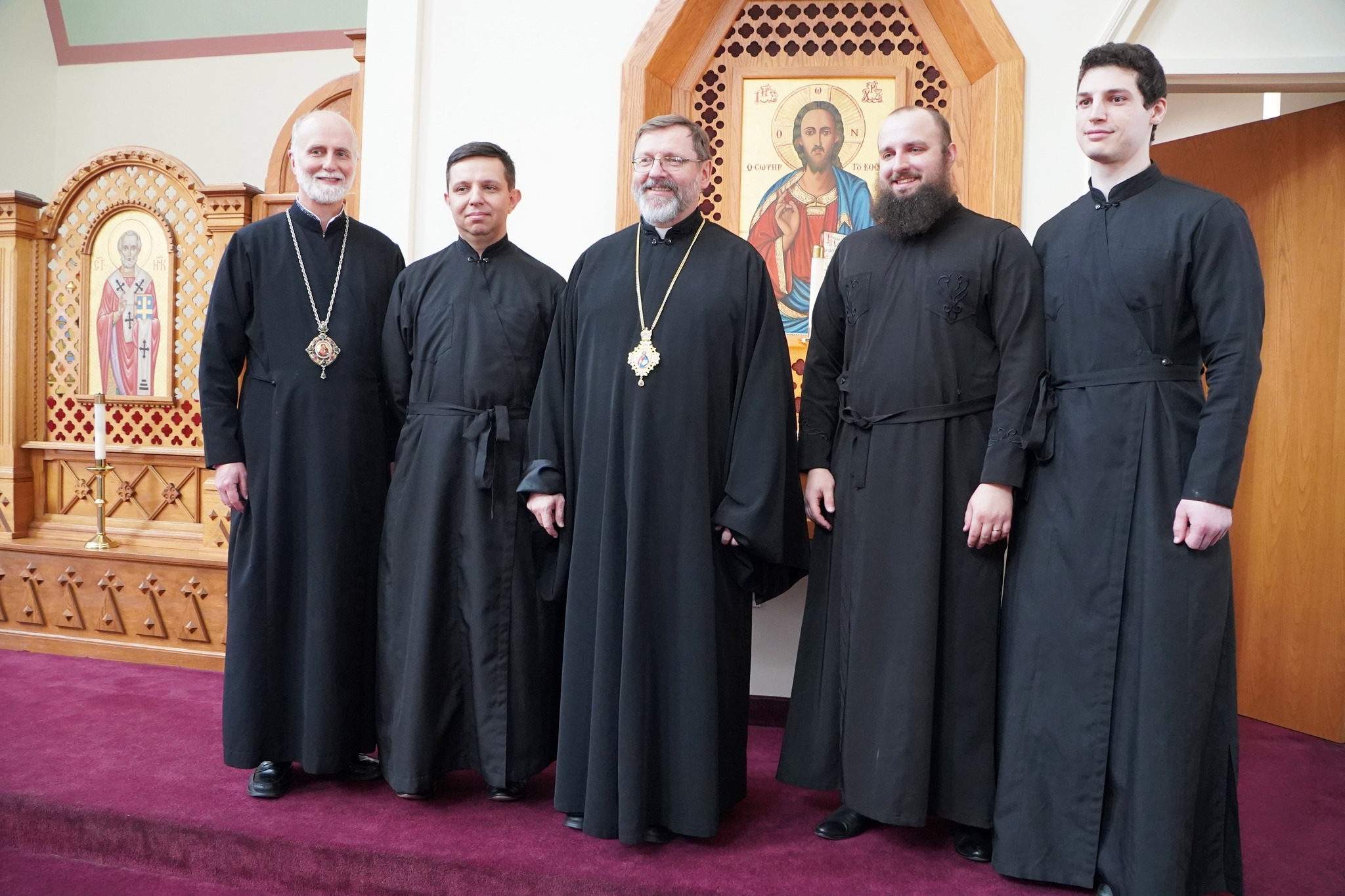
I am convinced this is not because the Lord is not calling. He is. I see it in the stories of my classmates, and especially in the seminarians I work with—Nick, Darko, and Brogan. Surely there are more.

This is where families—both families of origin and parish families—play a crucial role. Yes, a man must freely say “yes” to the Lord’s call. But the prayers and support of those around him matter. We need to cultivate a culture of vocations.

There are simple things each of us can do.
If someone in your family or among your friends shares that he feels called to the priesthood, do not dismiss it. Support him as you would support someone who wants to become a doctor or a lawyer. Do not place expectations on him or demand that he already be a saint. If he is a child, let him be a child; if he is a teenager, let him be a teenager. And do not be afraid to say to a young man, “I think you would make a great priest.” But please do not scare the away!

Support those who are already on the journey. Above all—pray for vocations.

And if it is you—do not be afraid.

Feeling called and considering a “yes” does not mean everything is decided overnight, or that there is no turning back. That is precisely why the Church, in her wisdom, provides a long period of discernment. Some seminarians leave—we say they “discern out.” This is not saying “no” to God. Discernment is somewhat like dating: it takes time, and it involves risk. Some relationships lead to lifelong commitment from the very beginning; others do not. Neither is wasted time.

Even if you discern that the priesthood is not your path, the time spent discerning deepens your self-knowledge, strengthens your spiritual life, and may shape how you serve the Church as a layperson. Human formation remains the foundation—your spiritual life is built upon your humanity. It is precisely because you are a person that you are capable of a spiritual life.

But if you feel the call—whether as a quiet longing for something more; whether the Gospel stories of Jesus calling His disciples seem somehow addressed to you personally; whether you feel drawn to the altar, or as an altar server sense a quiet peace and think, “This is my place”; whether you find yourself imagining the priest’s role—do not push it away.

If the feeling is new, simply acknowledge it and give it time. At first, it is between you and God—but you do not have to walk alone. If the call persists, speak to someone you trust: your parents, a close friend, your parish priest, or another priest you encounter in confession or on pilgrimage. Ask priests about their vocation stories. There is no need for any big announcement yet.

If the desire remains, perhaps it is worth taking the next step. You will not be alone—you will be accompanied by priests, a spiritual director, and a formation team. And if you feel afraid, or if the feeling comes and goes, that is alright too. If this is truly your vocation, the Lord will make it clear in His time.

There is one call each of us received on the day of our baptism: the call to holiness. This lifelong journey unites us to the Lord through the Sacraments and sanctifies us. Holy Orders—the priesthood—is one path among them. Whatever path is yours, it is the Lord who walks it with you. The invitation is always the same: come, follow Me.

Fr Volodymyr Radko,

vocation director of the Ukrainian Catholic Archeparchy of Philadelphia

Related News

More News
Divine Liturgy at Plast Ski Camp: Fr. Volodymyr Radko Calls Youth to Gratitude and Prayer

#U.S.

#Archeparchy

Divine Liturgy at Plast Ski Camp: Fr. Volodymyr Radko Calls Youth to Gratitude and Prayer

Online Catechist Retreat: Hope That Nourishes and Gives Life

Online Catechist Retreat: Hope That Nourishes and Gives Life