- Lenten Appeal 2026
- Strategic Resources
- Archeparchy
- Our faith
- Offices and ministries
- News and Updates
- Events
- Parishes
- Youth Protection
- Subscribe to "The Way"
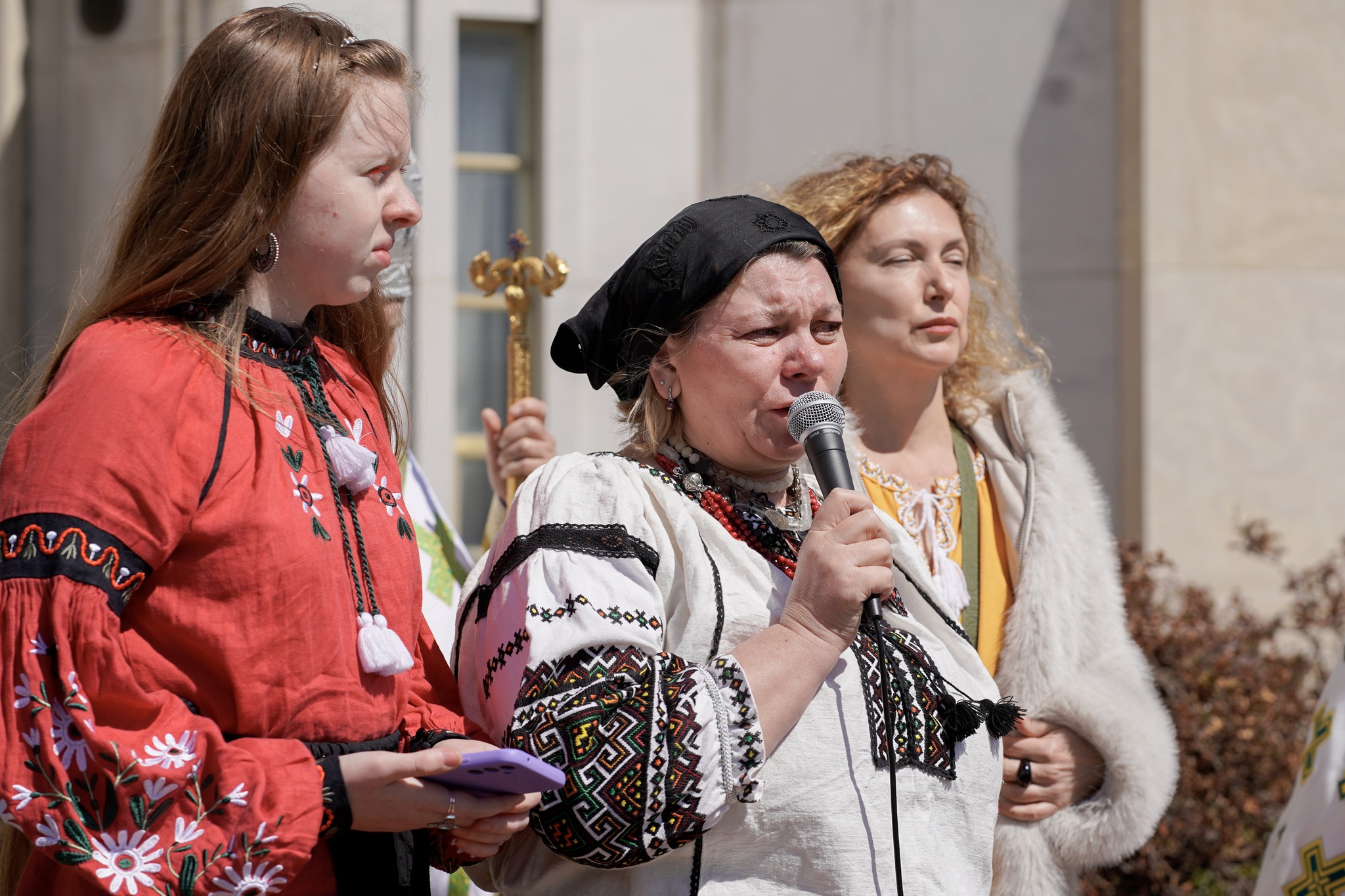
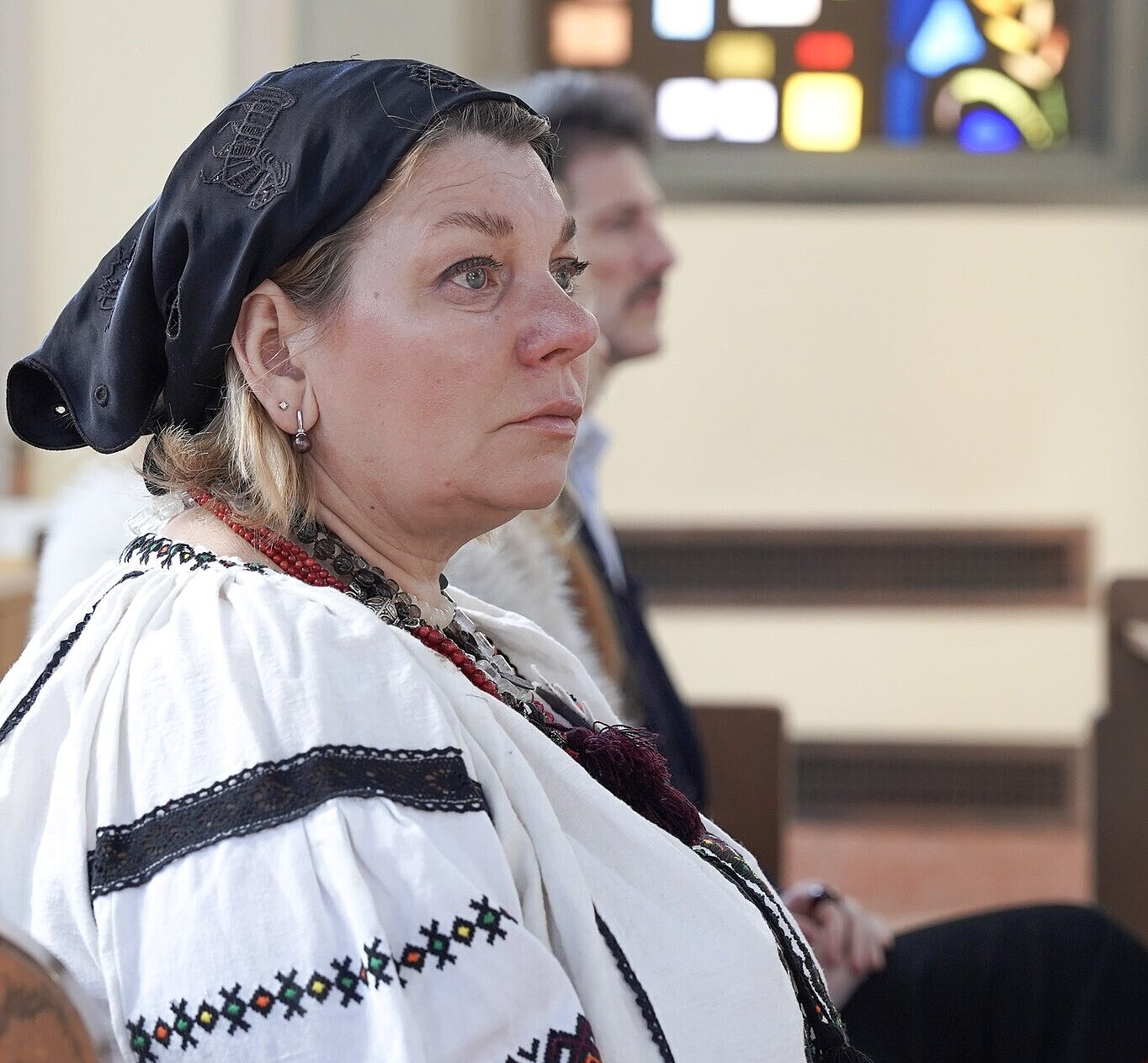
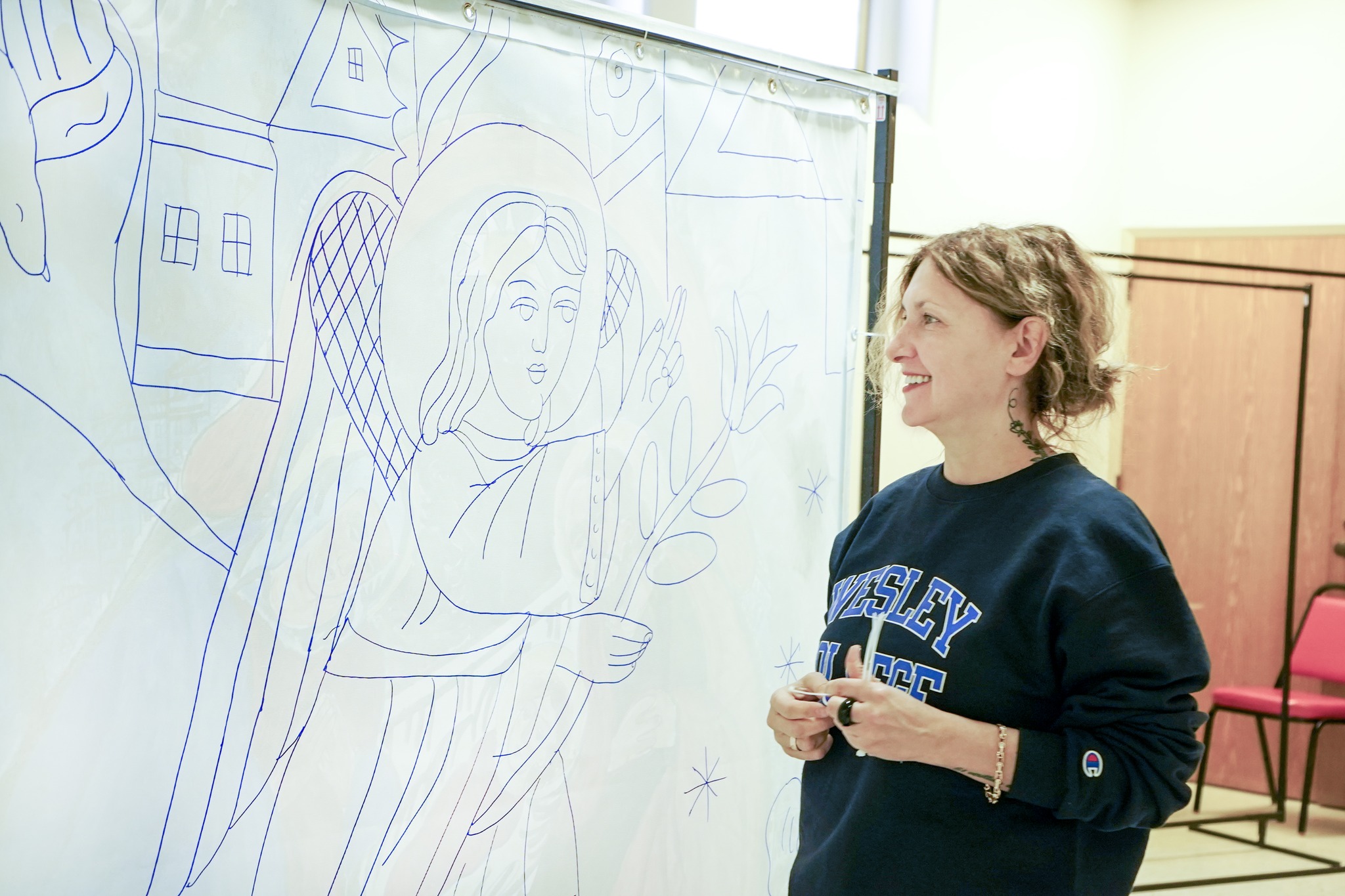
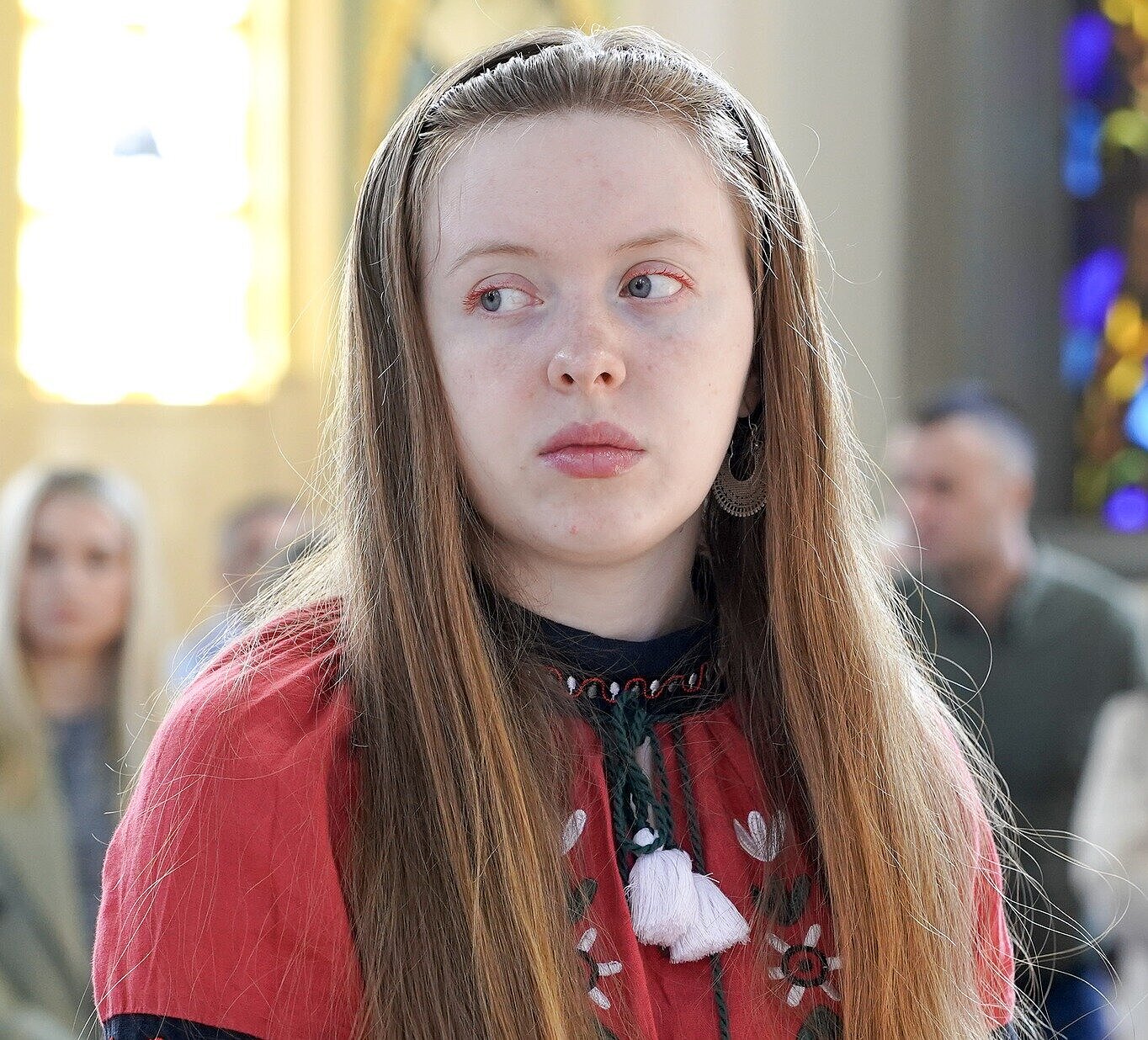
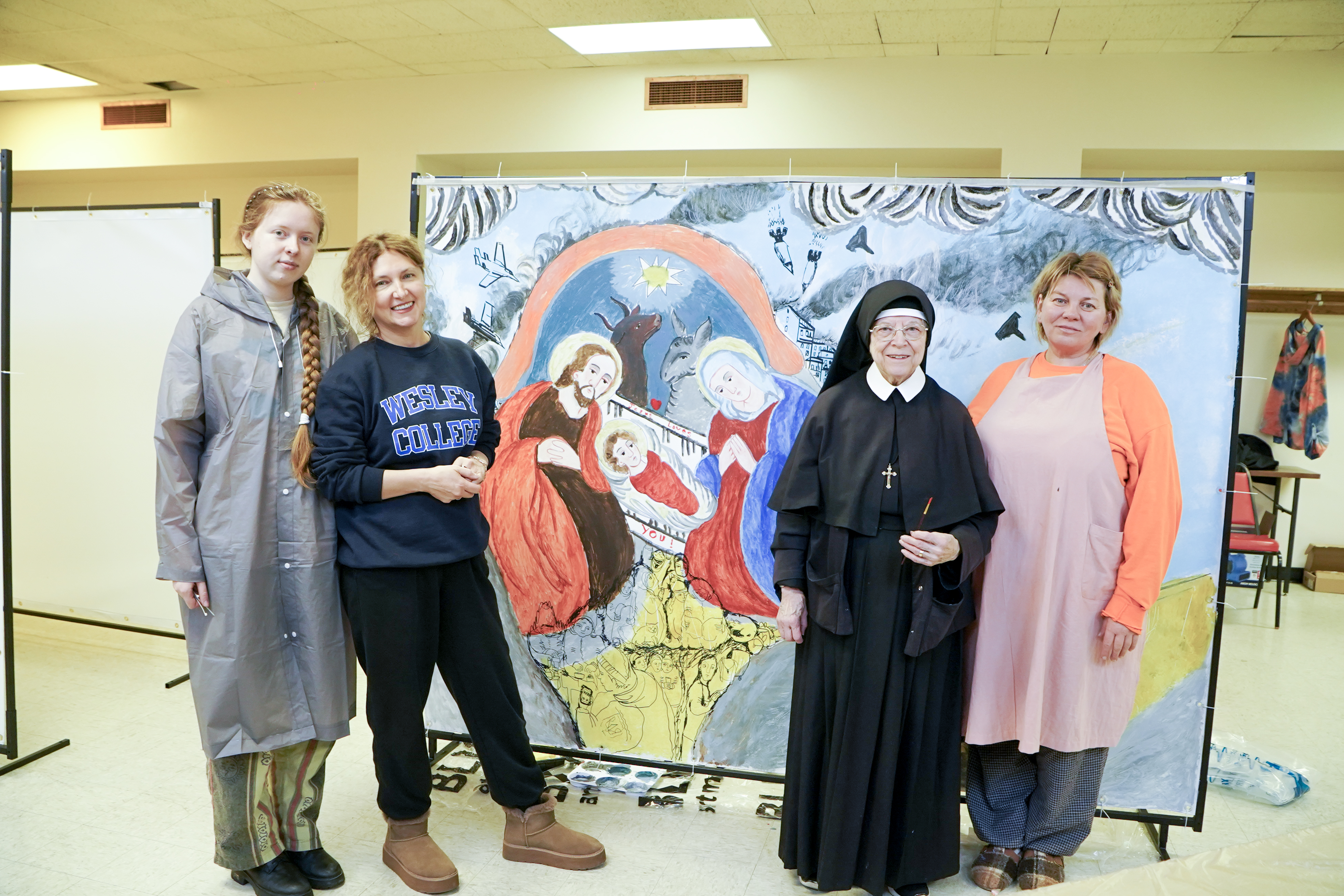
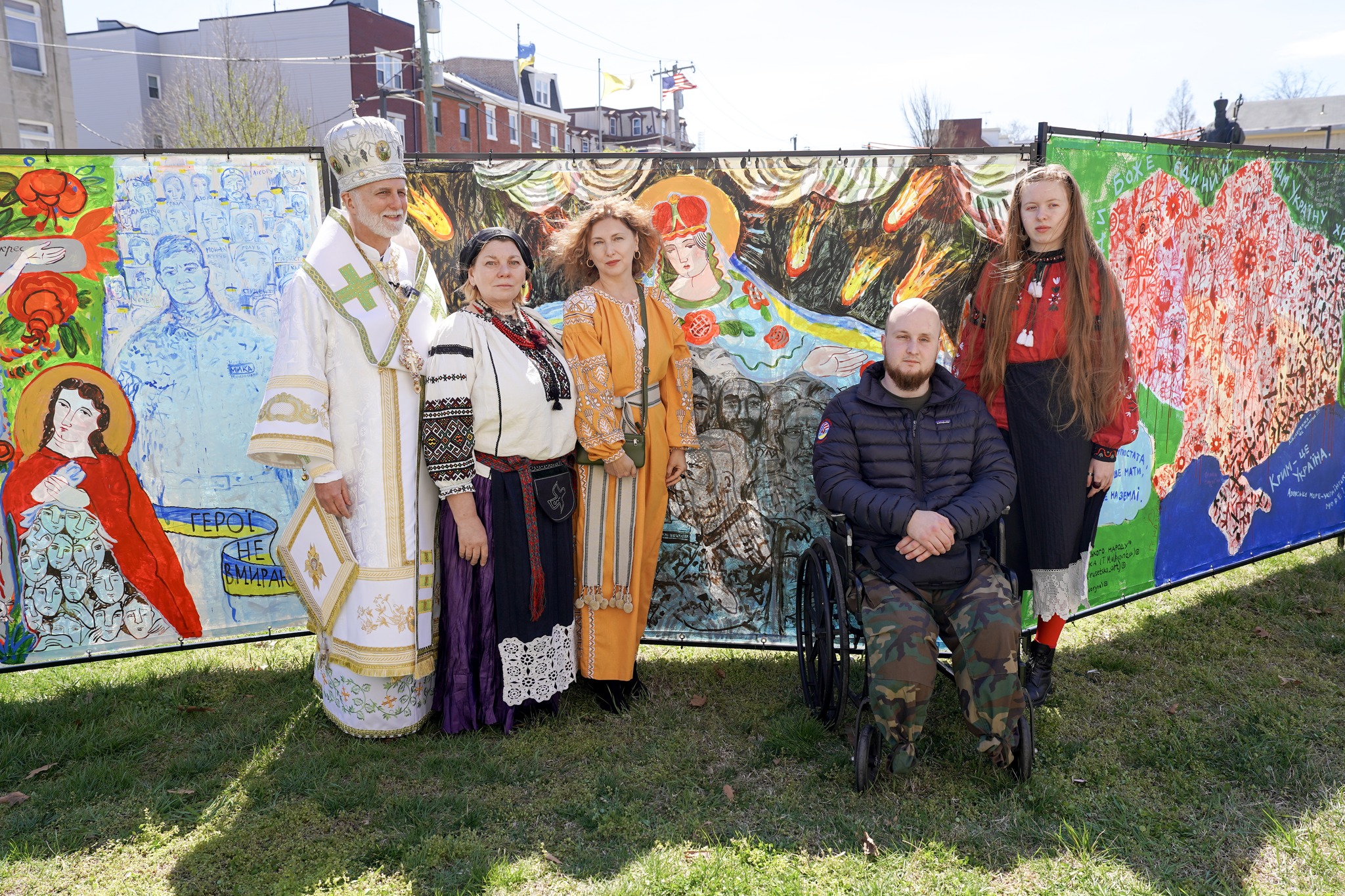
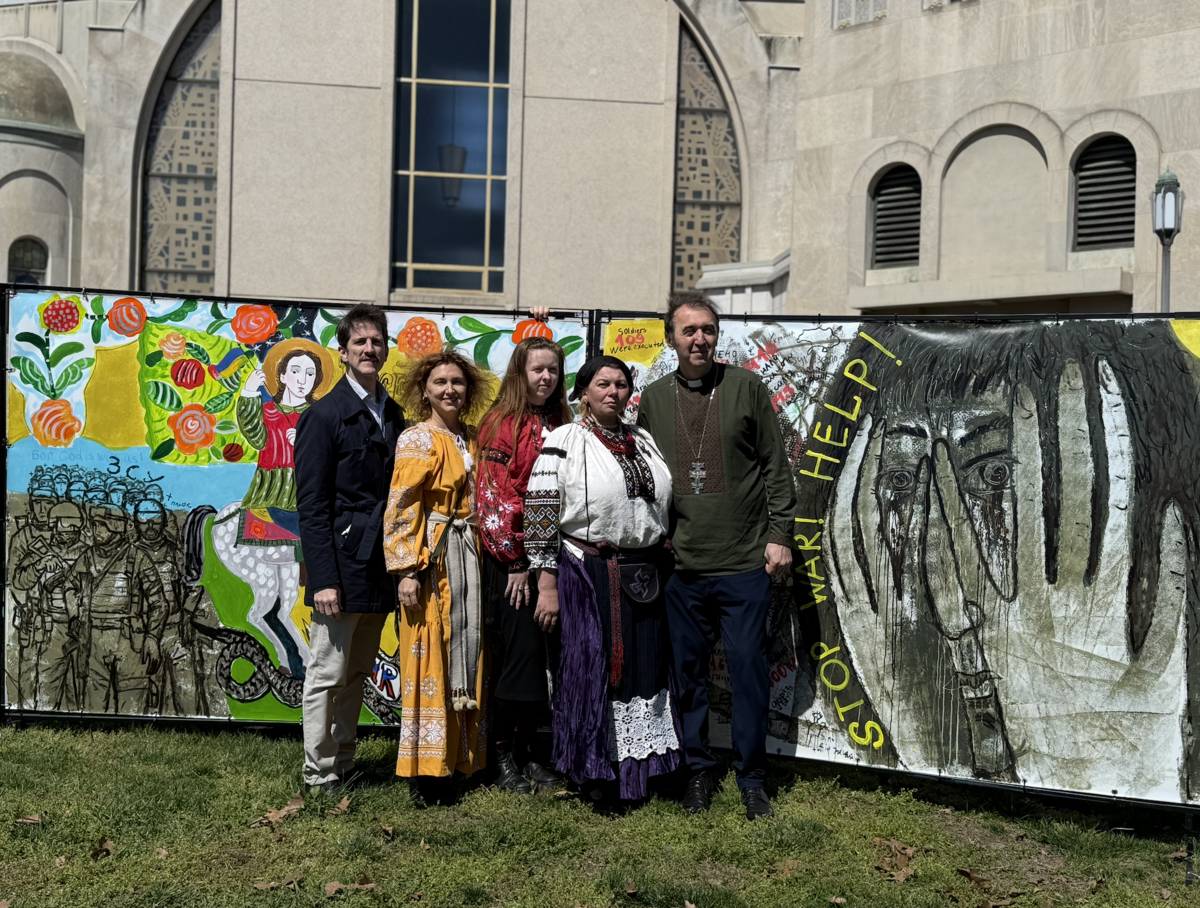
Following the completion of a large-scale collaborative art project created in Philadelphia, artists Tetiana Mialkovska, Tetiana Rusetska, and Iryna Semenenko shared their reflections on the work, spoke about the development of the concept, and the people they encountered throughout this experience.
When asked whether they had achieved what they had envisioned before arriving, all three noted that the final result not only met but exceeded their expectations.
Tetiana Mialkovska explained that the initial vision is always somewhat abstract, as any large creative work evolves throughout the process. At the same time, she noted that the project developed very successfully and went beyond what had originally been imagined, “It was possible to achieve even more. We did everything to the fullest.”
A similar perspective was shared by Iryna Semenenko and Tetiana Rusetska, who observed that the expected result took on a different form during the work itself — through interaction with people and the reality in which the artwork was created.
As the artists explained, the project was shaped not only by their own vision but also by those who engaged with the canvas during the process. Children, members of the community, and Ukrainian servicemen each left their mark on the work. What had been planned in advance gradually became more alive, open, and collective.
The artists also emphasized that they worked as a unified team, spending the entire time together — creating, living, and reflecting on this experience collectively.
“We lived through this every day, shared emotions, discussed everything in detail. Even though we each had our own perspectives, we formed a shared vision,” said Tetiana Mialkovska.
Mialkovska recalled how even small interventions changed the emotional tone of certain sections. In one instance, a dark image of a wounded Ukraine was transformed after participants added blue-and-yellow flags that resembled petals. In another, birds were given the names of soldiers, and the entire composition gained a more personal dimension, “And those birds began to sing a different melody.”
Reflecting on the project as a whole, the artists spoke of it not only as a completed work but as the beginning of something greater. Tetiana Mialkovska described the canvas as a memorial of memory, a witness to the historical reality of the war in Ukraine, and a work of art that can continue its life in different communities and environments. She shared her vision of the piece traveling, being presented in universities and public spaces, and eventually returning to Ukraine.
Iryna Semenenko also emphasized that everything began as an idea that later took shape through collaboration and now holds potential for further development. According to her, each of the ten canvases created within the project carries its own complete story and deep emotional weight. In her view, such works preserve memory in a way that words alone cannot, “When it is painted and you see it — you remember.”
Tetiana Rusetska highlighted another important aspect — the involvement of people over time. She noted that the project has already gone beyond a visual image, becoming part of a broader process that continues to gather attention, responses, and reflection. In this sense, as the artists observed, the life of the work is only beginning.
The artists also spoke about working within this environment and community. They openly addressed the emotional difficulty of the process. Many elements were directly connected to war, loss, memory, and the lives of people they personally knew. Tetiana Mialkovska emphasized that it was impossible to approach this project lightly or decoratively, “We lived through every brushstroke.”
The artists acknowledged that this process was not only creative but deeply personal. Many moments were experienced through pain and memory, and the work was accompanied by strong emotions that became an integral part of its creation.
At the same time, they expressed gratitude for the conditions provided to them — the opportunity to work, rest, and continue their work in safety.
When asked whether the project had also been therapeutic for them, the answers were varied yet deeply personal. Tetiana Rusetska spoke about the value of human encounters and the experience of forming a shared artistic language through daily collaboration. Iryna Semenenko shared that the process of creating the canvas made her relive the beginning of the full-scale war — the fear, anticipation, the first days of uncertainty, and the ongoing awareness that the war continues to shape the lives of an entire generation of young Ukrainians.
In their reflections, the artists repeatedly returned to the contrast between life in wartime Ukraine and life in peace. They spoke about how war has changed their understanding of ordinary human happiness and how deeply they value things often taken for granted: safety, light, warmth, food, freedom of movement, and the presence of loved ones.
Among the most memorable moments was the day Ukrainian servicemen visited the project. Because one of them used a wheelchair, the canvases were brought outside so everyone could work together in the open air. Iryna Semenenko described the day as especially sincere and meaningful, while Tetiana Mialkovska noted that everything came together in a unique way—through shared understanding, presence, and emotional unity.
The artists also warmly recalled those who supported them throughout the project. All three expressed deep gratitude to Sister Timothy, who became a close presence during their work. At 82 years old, she was, in their words, a source of joy, encouragement, and life. She was the first to contribute to the canvas, writing “Jesus loves you” and drawing a heart.
In her reflection, Sister Timothy shared that she was delighted to welcome the three young women from Ukraine to America to create these beautiful works. Each time she looks at the paintings, she thinks of love — especially of how deeply these young artists love Ukraine.
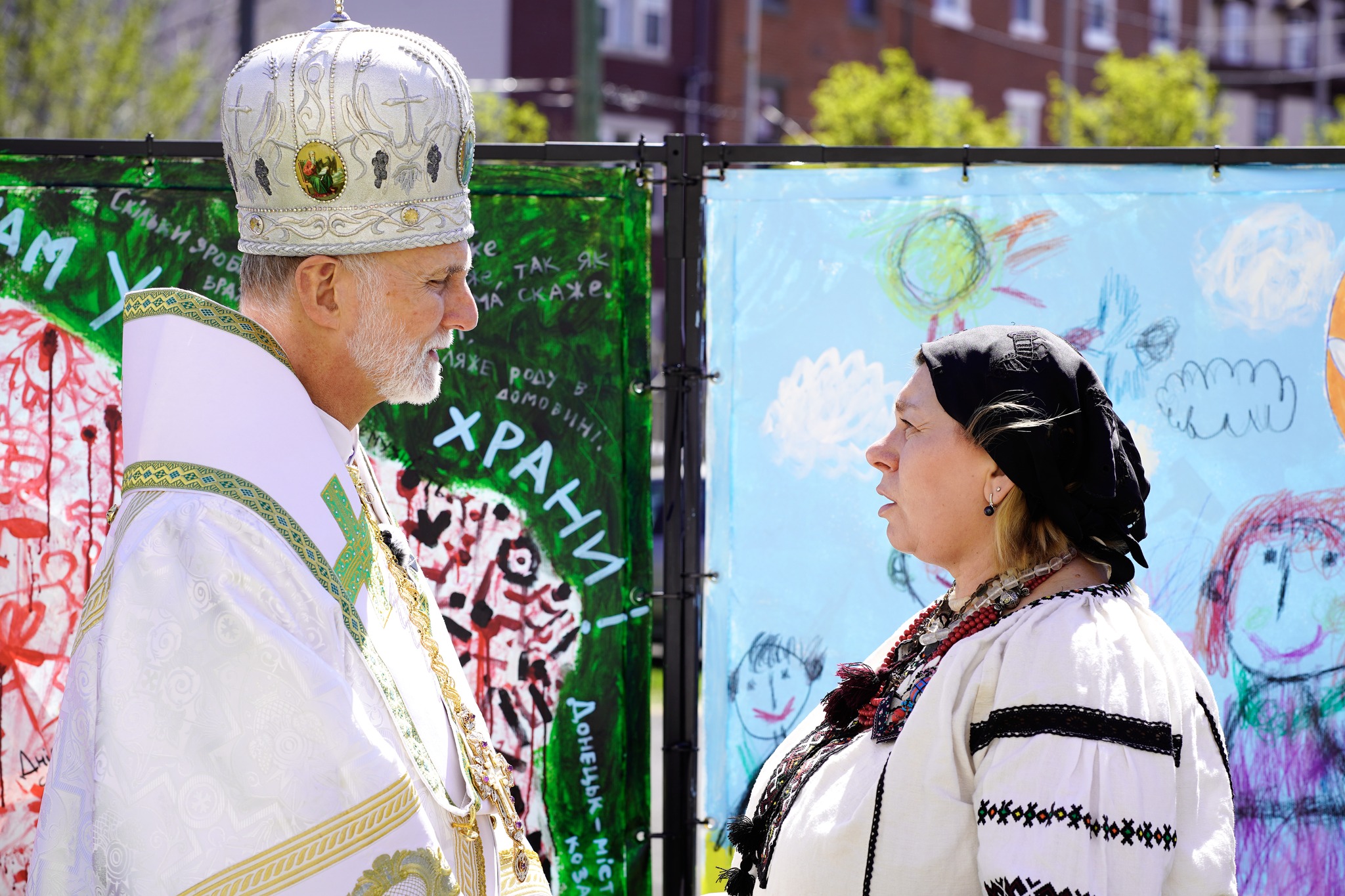
The artists also expressed sincere gratitude to Archbishop Borys Gudziak for his blessing, support, and guidance of the project, as well as to Fr. Roman Oliinyk for his concrete and effective assistance.
Looking back, the artists noted that the project changed significantly during the process. What was initially envisioned as a 20-meter work became a 30-meter composition, as the available frames determined a larger scale. With this expansion came more materials, themes, and voices that entered the work.
The artists compared the process to conducting a complex, multi-layered composition, where different elements must be brought together without losing the central idea, “It’s like jazz—more and more instruments appear, and your task is to preserve harmony.”
One of the clearest examples of this was their work with children. So many students wanted to participate that one section became layered with drawings and markings. The artists then found a way to structure this complexity, transforming it into part of the artistic solution.
Tetiana Mialkovska emphasized that the artists had prepared for the project in advance, yet the process itself significantly expanded the original concept. She also expressed hope that the work would become the subject of future academic and cultural study.
The artists also spoke of their mutual gratitude, emphasizing that they worked as a team with a shared vision.
They noted that for them, this canvas is not only a work of art but also a means of communication — a way of speaking about Ukraine, its pain, dignity, and truth through image.
At the conclusion of the conversation, Mr. Stepan also shared his reflections, noting that it was important for him to be part of this process. He emphasized that the work speaks truthfully about the events in Ukraine while also carrying hope.
For the artists, this stage of daily work has now come to an end, but the life of the project is only beginning. They spoke of it not as something finished and left behind, but as a work that must continue to be present, seen, heard, and preserved. As Tetiana Mialkovska said, the life of a work of art is also a form of life, and cultural and spiritual heritage remain an essential part of the identity and future of a nation.
Interview and text by Oksana Loziak