- Strategic Resources
- Archeparchy
- Our faith
- Offices and ministries
- News and Updates
- Events
- Parishes
- Youth Protection
- Subscribe to "The Way"
In the tradition of our Church, May is a special time dedicated to the Blessed Virgin Mary. For generations, the Ukrainian people have nurtured a deep love for and trust in Mary, turning to her in prayer as a Heavenly Mother and Protectress. This is why pilgrimage sites, miraculous icons, and the traditional May devotions — known as Molebens or May Services — hold such an important place in Ukrainian spiritual life. During these services, the faithful gather at churches, chapels, and grottoes to honor the Mother of God through prayer and song.
Ukrainians brought this devotion to Mary with them to America. The Ukrainian Catholic Archeparchy of Philadelphia is home to several special Marian sites: Assumption of the Blessed Virgin Mary Ukrainian Catholic Church in Centralia, PA, a home to the Icon of Our Lady of Pochaiv; Christ the King Ukrainian Catholic Church in Philadelphia, PA, which houses a copy of the miraculous Zarvanytsia Icon of the Mother of God; Sts. Cyril and Methodius Ukrainian Catholic Church in Olyphant, PA, home to the Icon of Our Lady of Zhyrovychi; as well as the monastery of the Sisters of the Order of Saint Basil the Great in Jenkintown, PA, where a grotto with the Pochaiv Icon of the Mother of God is located. Throughout May we will share stories about these pilgrimage sites, their history, and their spiritual significance. We warmly invite you to share your memories, photos, and stories connected to these holy places to feature in our upcoming publications.
A church where Ukrainian faith and memory endured beyond the Iron Curtain
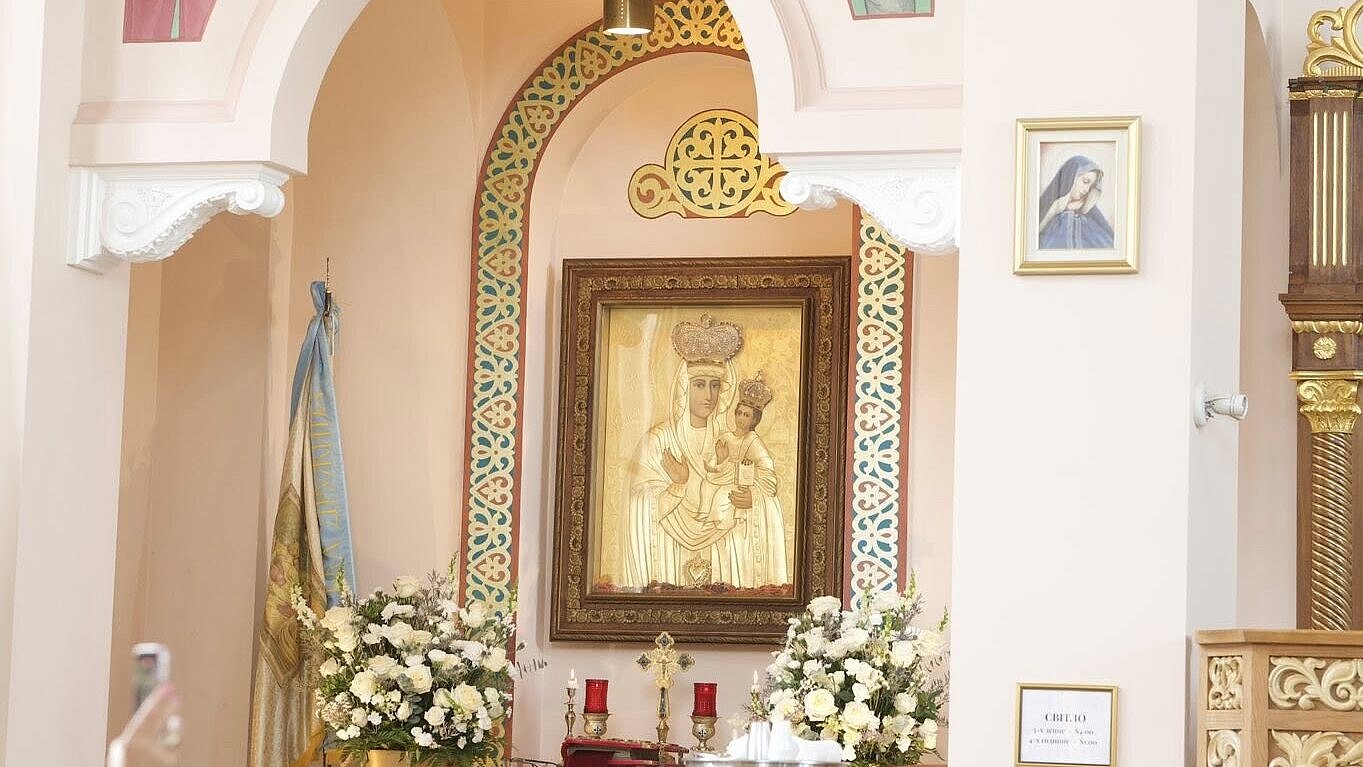
In the northern part of Philadelphia, for more than seventy years, there has stood a church where the memory of distant Ukrainian Zarvanytsia survived an ocean, emigration, wars, and generations. For many Ukrainians in the United States, Christ The King became more than simply a parish. It became a place where Ukraine itself was preserved at a time when the homeland remained hidden behind the “Iron Curtain.” At the spiritual heart of this church stands a copy of the miraculous icon of Our Lady of Zarvanytsia.
Today, as the faithful gather here every Wednesday to pray to the Mother of God and as an annual pilgrimage takes place each May, this story continues to live on. It is not merely the story of a church. It is a story of gratitude, memory, emigration, prayer, and of people who refused to let their spiritual traditions disappear far from their native land.
A Promise Born in a Time of War
The story of the special devotion to Our Lady of Zarvanytsia at Christ the King Parish begins with Fr. Vasyl Holovinsky, a priest originally from Galicia who arrived in Philadelphia in 1949. He became the founder of the parish and the man who brought with him to America a deep love for Zarvanytsia.
The current pastor of the church, Fr. Volodymyr Kozak, explains that the idea of creating a spiritual center connected to Zarvanytsia in Philadelphia was born from a deeply personal vow: “The pastor of the village of Zarvanytsia, Fr. Vasyl Holovinsky, in thanksgiving to God that his entire family had safely escaped persecution under the totalitarian regime, promised that a church would be built in honor of the Mother of God and that it would contain a copy of the miraculous icon of Our Lady of Zarvanytsia.” In 1951, the parish purchased a building where a temporary chapel was established. Just a few years later, a copy of the miraculous Zarvanytsia icon appeared there.
The Icon That Shaped the Memory of Generations
In 1953, Fr. Vasyl Holovinsky asked artist Petro Andrusiv to paint a copy of the miraculous icon of Our Lady of Zarvanytsia. By 1954, the icon had been completed, and in September it was solemnly blessed. Archbishop Constantine Bohachevsky sprinkled the icon with water brought from the spring in Zarvanytsia. For the Ukrainian community in Philadelphia, this was not simply a copy of a beloved sacred image. It became a spiritual bridge to home.
One of the longtime parishioners, who wished to remain anonymous, recalls that through Fr. Holovinsky’s sermons, many children and young people in America grew up with a special love for Zarvanytsia. According to him, Fr. Holovinsky often spoke not only about the history of Zarvanytsia and its miraculous icon, but also about the persecution of the holy site under Soviet rule: “Fr. Holovinsky spoke about the origins of Zarvanytsia, the legend of the miraculous appearance of the icon of the Mother of God, stories of miraculous healings, and current reports coming from Ukraine about what was happening in Zarvanytsia — persecution by the KGB and police, the destruction of buildings, the blowing up of the chapel, the sealing of the holy spring…”
The Coronation of the Icon That Became a Landmark Event for the Community
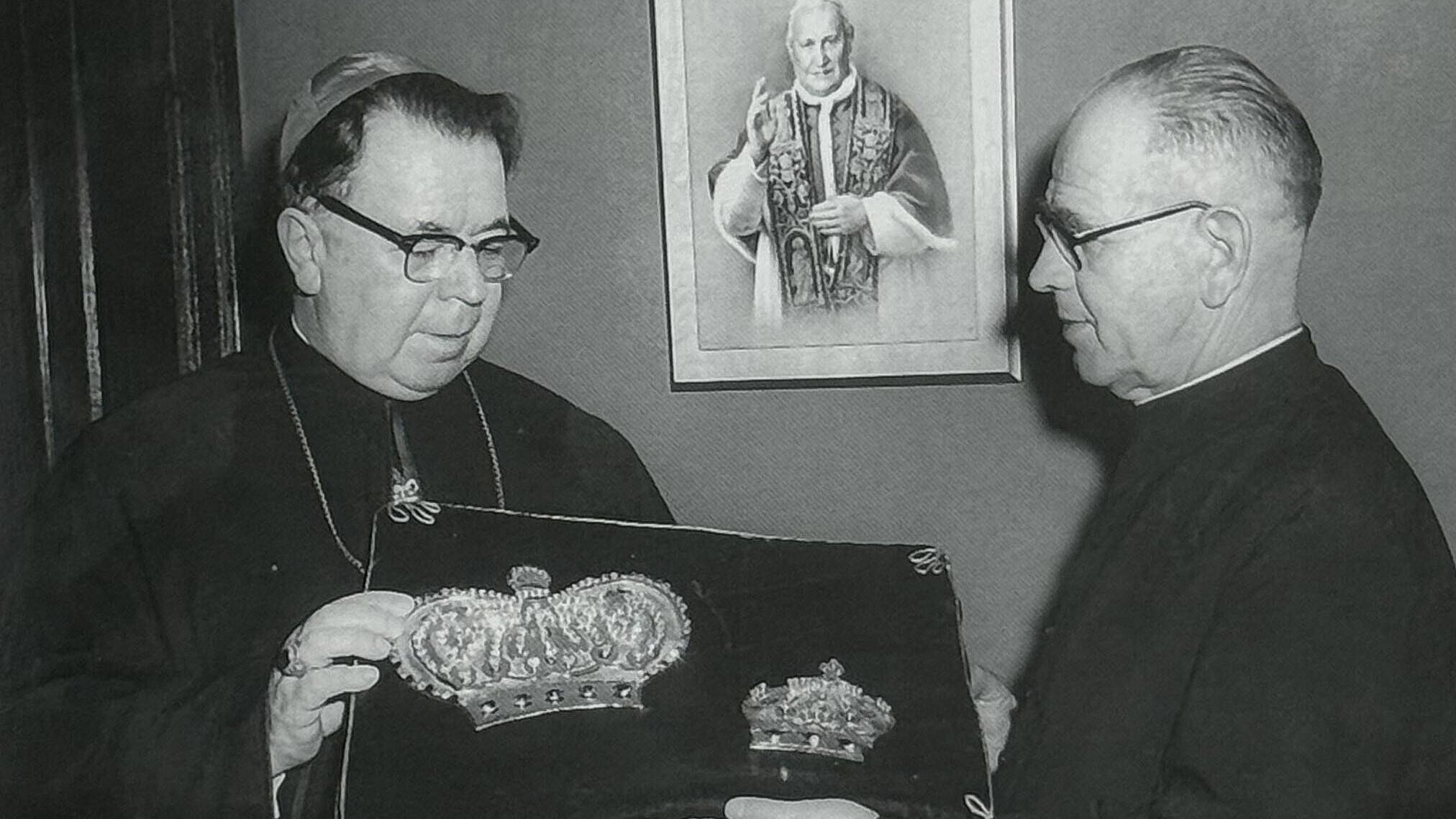
One of the most significant moments in the history of the parish was the coronation of the copy of the miraculous icon of Our Lady of Zarvanytsia. In 1959, sculptor Mykola Bohdan Mukhych created silver crowns for the icon, and in 1962 Pope John XXIII blessed them in Rome. Metropolitan Ambrose Senyshyn later brought the crowns to Philadelphia.
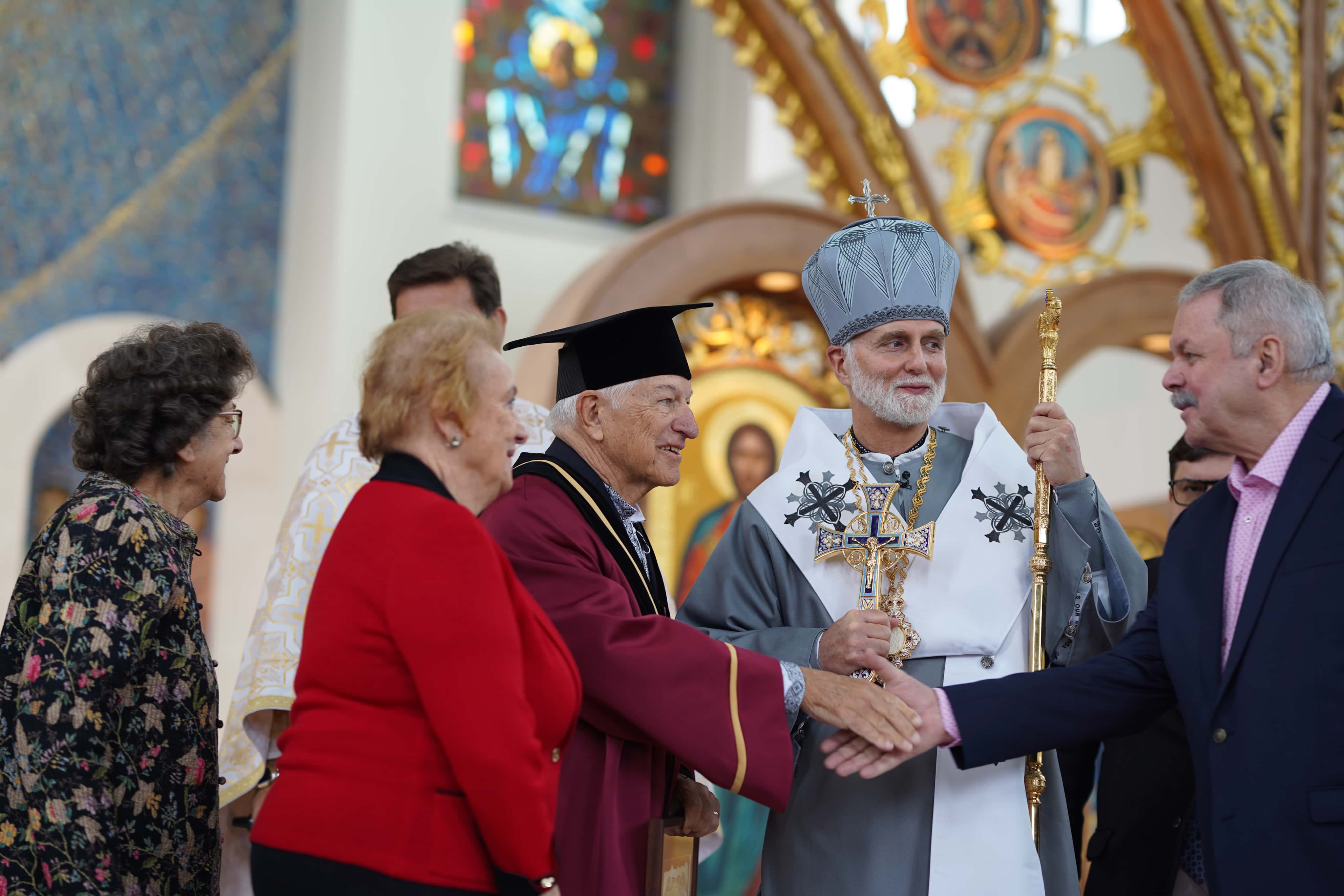
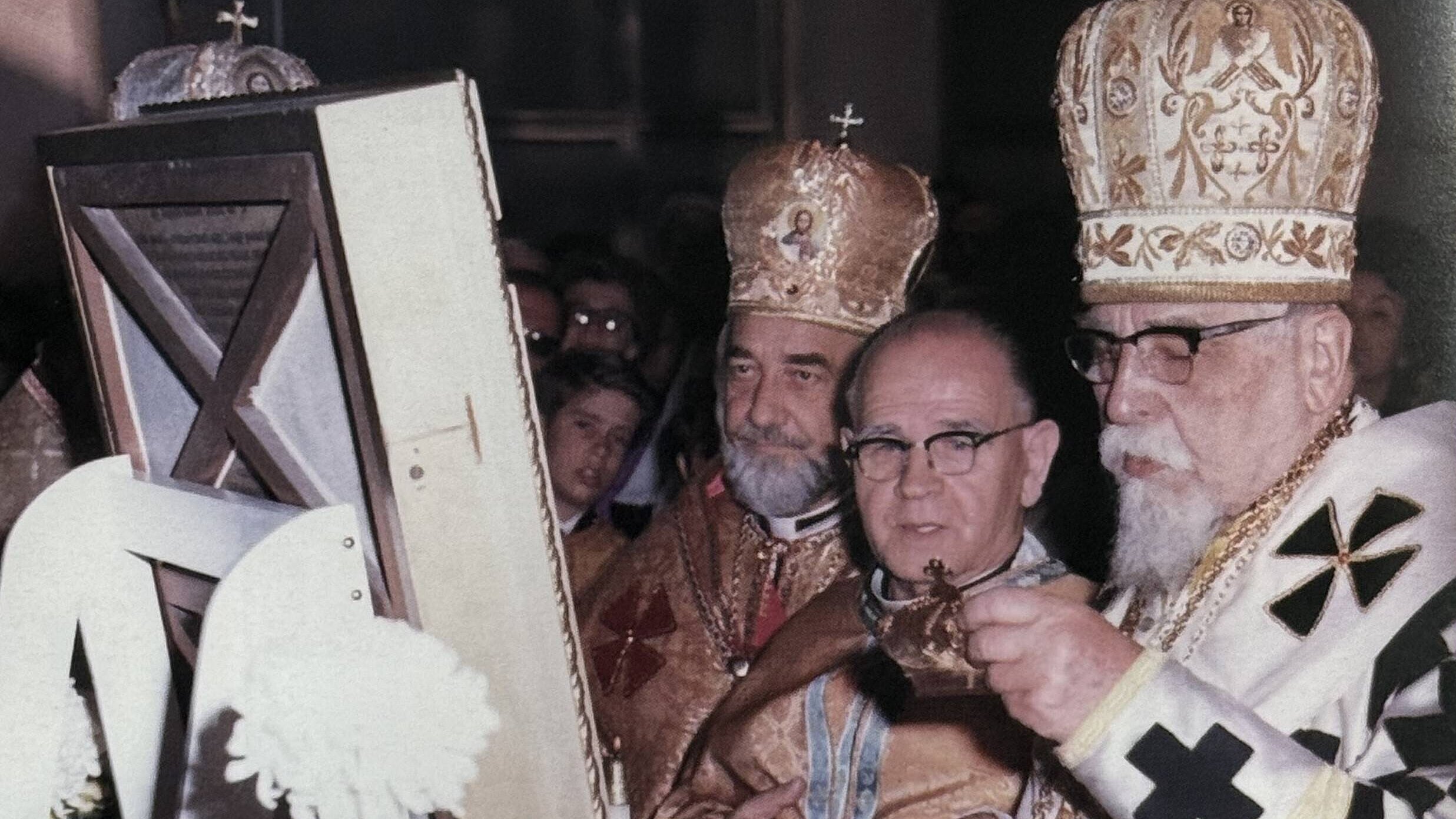
The culmination came on May 14, 1973, when Patriarch Josyf Slipyj, during his visit to the United States, solemnly crowned the icon of Our Lady of Zarvanytsia at Christ the King Church. The parish chronicle notes that Metropolitan Ambrose Senyshyn, Bishops Isidore Borecky, Jaroslav Gabro, and Basil Losten, along with numerous clergy and faithful, were present that day.
A church where Ukrainian faith and memory endured beyond the Iron Curtain
In the northern part of Philadelphia, for more than seventy years, there has stood a church where the memory of distant Ukrainian Zarvanytsia survived an ocean, emigration, wars, and generations. For many Ukrainians in the United States, Christ The King became more than simply a parish. It became a place where Ukraine itself was preserved at a time when the homeland remained hidden behind the “Iron Curtain.” At the spiritual heart of this church stands a copy of the miraculous icon of Our Lady of Zarvanytsia.
Today, as the faithful gather here every Wednesday to pray to the Mother of God and as an annual pilgrimage takes place each May, this story continues to live on. It is not merely the story of a church. It is a story of gratitude, memory, emigration, prayer, and of people who refused to let their spiritual traditions disappear far from their native land.
A Promise Born in a Time of War
The story of the special devotion to Our Lady of Zarvanytsia at Christ the King Parish begins with Fr. Vasyl Holovinsky, a priest originally from Galicia who arrived in Philadelphia in 1949. He became the founder of the parish and the man who brought with him to America a deep love for Zarvanytsia.
The current pastor of the church, Fr. Volodymyr Kozak, explains that the idea of creating a spiritual center connected to Zarvanytsia in Philadelphia was born from a deeply personal vow: “The pastor of the village of Zarvanytsia, Fr. Vasyl Holovinsky, in thanksgiving to God that his entire family had safely escaped persecution under the totalitarian regime, promised that a church would be built in honor of the Mother of God and that it would contain a copy of the miraculous icon of Our Lady of Zarvanytsia.”
In 1951, the parish purchased a building where a temporary chapel was established. Just a few years later, a copy of the miraculous Zarvanytsia icon appeared there.
The Icon That Shaped the Memory of Generations
In 1953, Fr. Vasyl Holovinsky asked artist Petro Andrusiv to paint a copy of the miraculous icon of Our Lady of Zarvanytsia. By 1954, the icon had been completed, and in September it was solemnly blessed. Archbishop Constantine Bohachevsky sprinkled the icon with water brought from the spring in Zarvanytsia. For the Ukrainian community in Philadelphia, this was not simply a copy of a beloved sacred image. It became a spiritual bridge to home.
One of the longtime parishioners, who wished to remain anonymous, recalls that through Fr. Holovinsky’s sermons, many children and young people in America grew up with a special love for Zarvanytsia. According to him, Fr. Holovinsky often spoke not only about the history of Zarvanytsia and its miraculous icon, but also about the persecution of the holy site under Soviet rule: “Fr. Holovinsky spoke about the origins of Zarvanytsia, the legend of the miraculous appearance of the icon of the Mother of God, stories of miraculous healings, and current reports coming from Ukraine about what was happening in Zarvanytsia — persecution by the KGB and police, the destruction of buildings, the blowing up of the chapel, the sealing of the holy spring…”
May Molebens
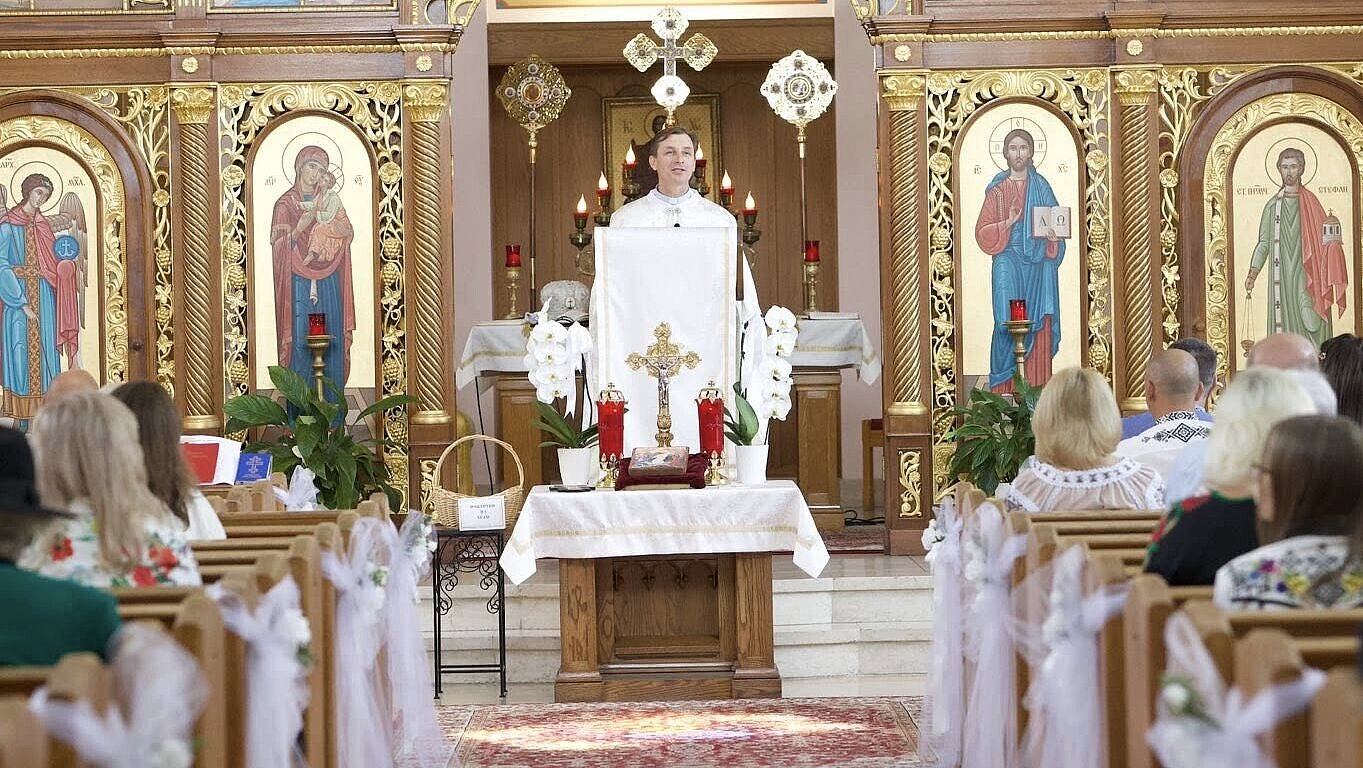
May Molebens to the Mother of God held a special place in the life of the parish. They were celebrated directly before the icon of the Mother of God beside the iconostasis, allowing the image of the Mother and Child to become deeply engraved in the memory of the faithful. This tradition remains alive in the parish today.
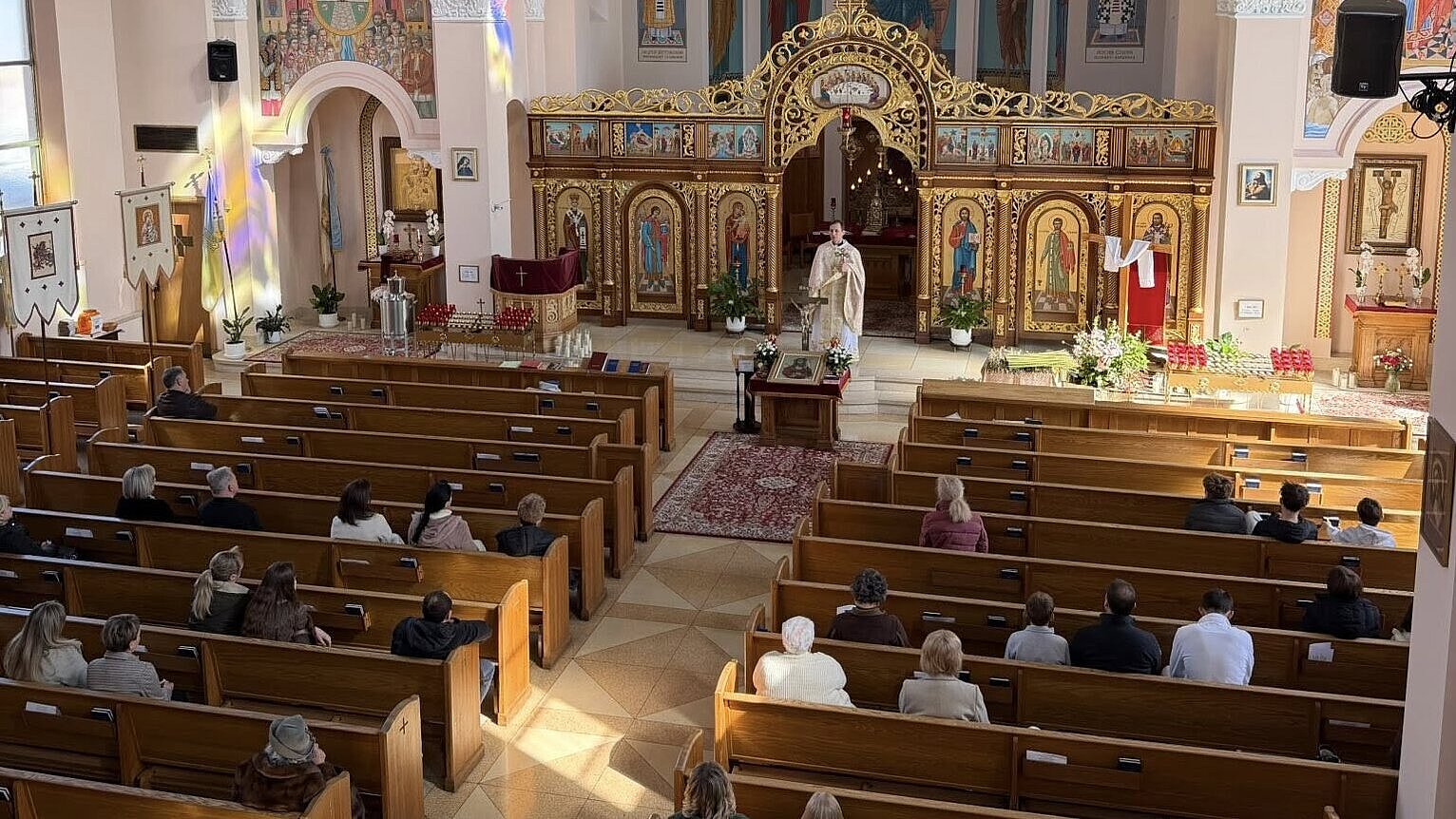
Fr. Volodymyr Kozak explains that every Wednesday the faithful gather for the Divine Liturgy and Moleben to Our Lady of Zarvanytsia: “Every Wednesday at seven o’clock we gather for the Divine Liturgy through the intercession of the Mother of God and celebrate a Moleben throughout the entire year.”
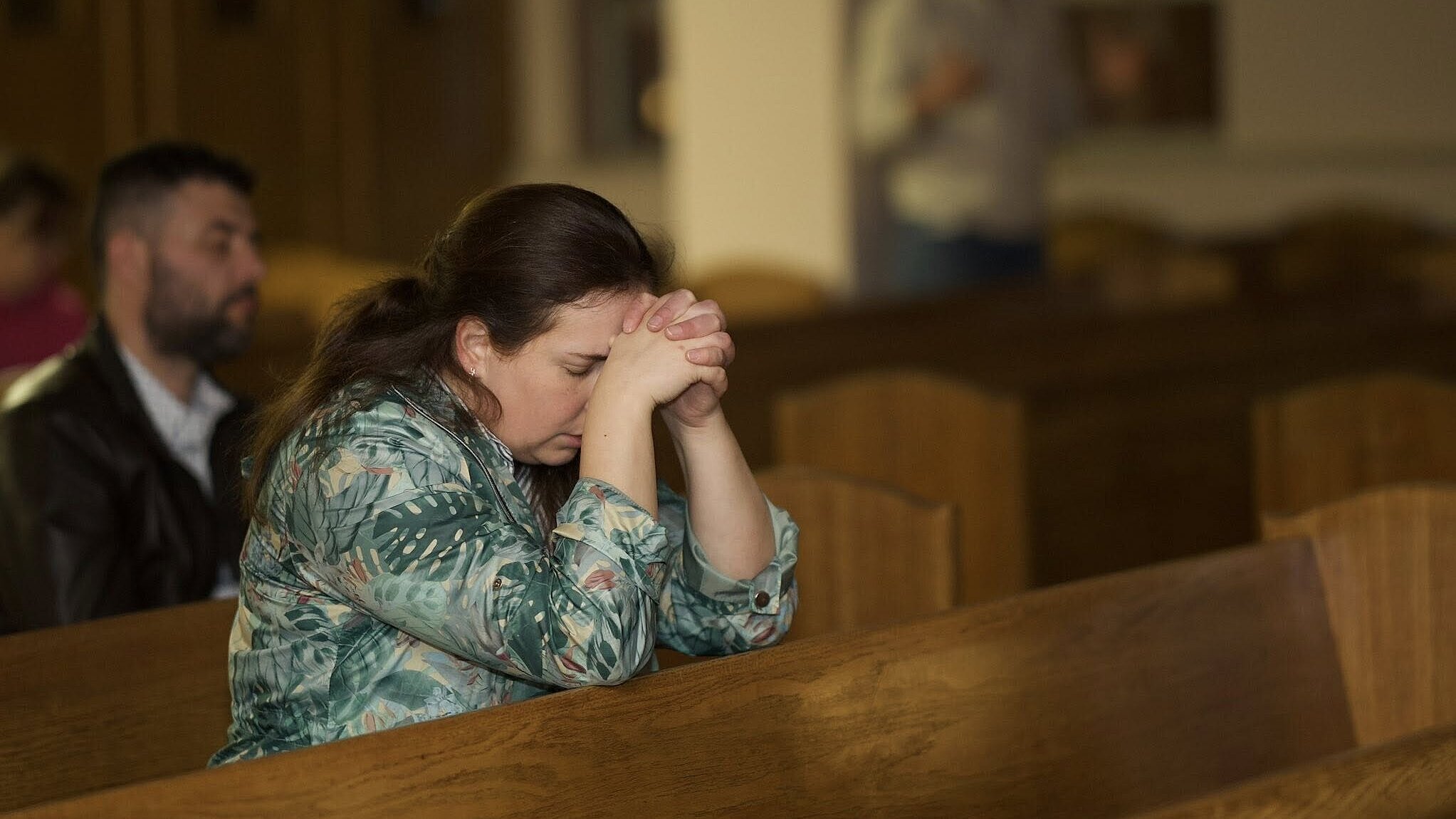
These prayers carry very concrete intentions. “We pray that God may send us new parishioners, that this parish may be saved. People come with many different needs. Some pray for the end of the war. Some prayed for the release of a soldier named Andriy from captivity — and he was released. Some have sick children, others carry different sorrows.”
A Pilgrimage Tradition Being Renewed
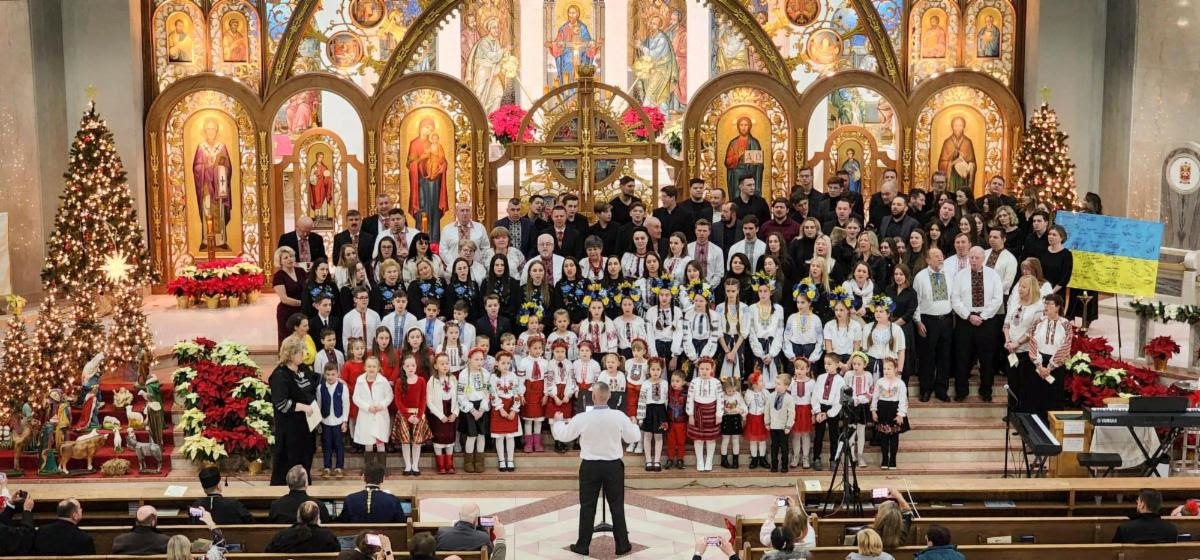
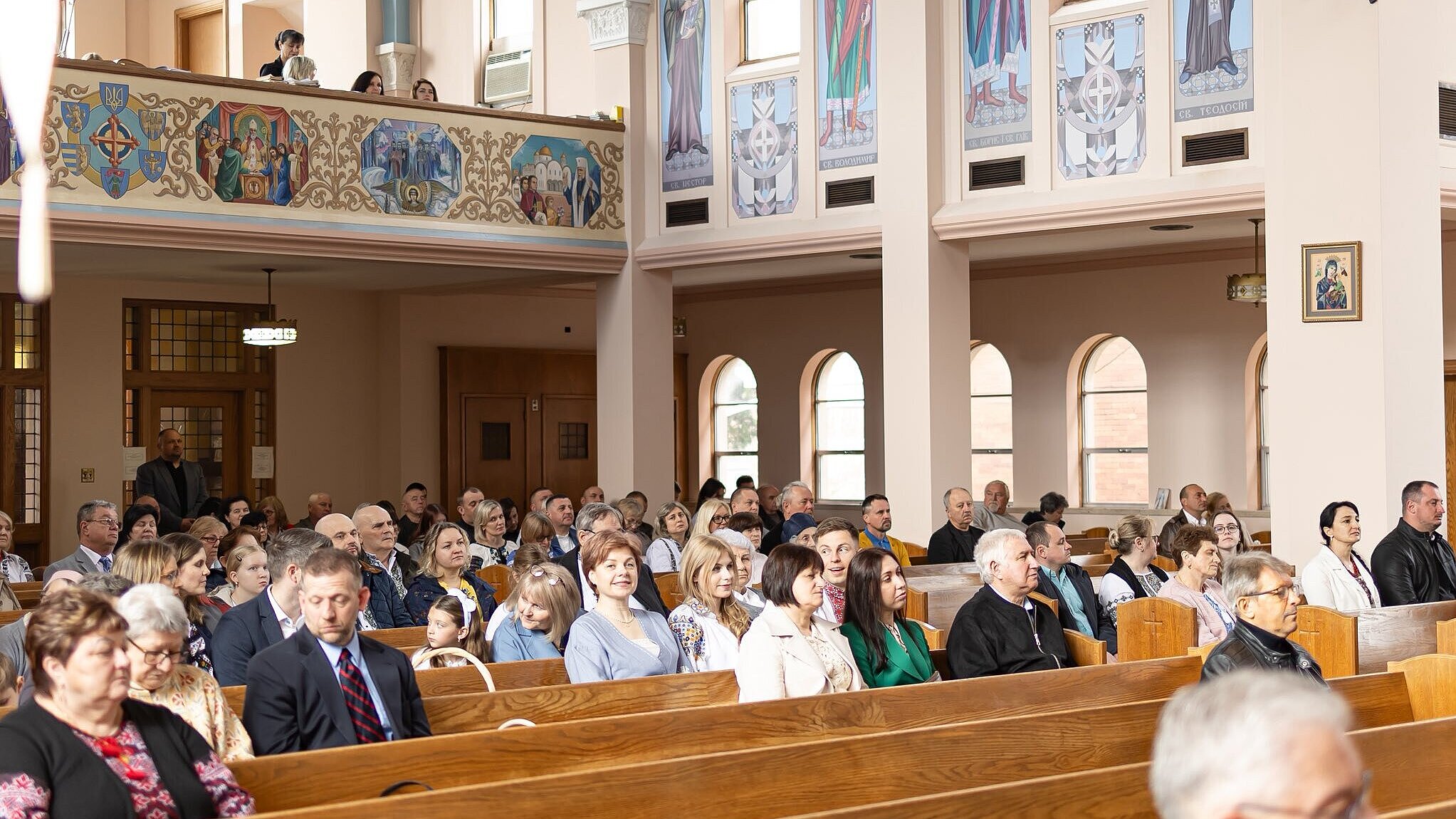
Today, the tradition of pilgrimage to the icon of Our Lady of Zarvanytsia in Philadelphia is experiencing a renewal. According to Fr. Volodymyr Kozak, the modern form of the pilgrimage has been actively developing in recent years: “For the second year now, a pilgrimage to the icon of Our Lady of Zarvanytsia has taken place during the month of May.”Last year, the Metropolitan was invited to the celebration, and the event gathered nearly two hundred people. “This year we had nearly 200 people. There were five priests, and there were also two boys who made their first confession and received First Holy Communion.”
Pilgrimages, Patriarch Josyf, and Memories of Miracles
For decades, numerous pilgrimages from Ukrainian parishes across the United States came to Christ the King Church. One parishioner recalls: “Marian organizations from the Cathedral of the Immaculate Conception, St. Nicholas Church in Philadelphia, Holy Family Parish in Washington, D.C., and many others made pilgrimages to this church.”
The parish chronicle also repeatedly mentions Patriarch Josyf Slipyj, who had a special devotion to Zarvanytsia. “Almost every time Patriarch Josyf Slipyj visited America, he came to this church because of his devotion to Zarvanytsia, where he himself had once made pilgrimages as a young man.”
Parishioners also brought votive offerings to the icon. “Behind the glass of the icon people placed tokens commemorating healings or other answered prayers received through the intercession of Our Lady of Zarvanytsia.”
The Lost Crucifix and a New Icon for Zarvanytsia
Another story is connected to the copy of the Zarvanytsia Crucifix. In the mid-1990s, it became known that the original icon of the Crucified Christ from Zarvanytsia had been lost. It was then, as one anonymous parishioner recalls, that Fr. Roman Mirchuk, who came from Christ the King Parish, decided to create a new copy for Ukraine. “Fr. Roman Mirchuk approached this task with extraordinary care.”
To accomplish this, he found iconographer Andriy Kharyna, a descendant of the renowned Kholodny family of artists. Fr. Roman also met with Mariia, the widow of Fr. Vasyl Holovinsky, studied old photographs from Zarvanytsia, and worked to recreate the lost image as accurately as possible. “During one of the pilgrimages in the summer of 2012, the icon was publicly presented to the pastor of Zarvanytsia.”
This story became yet another symbol of how the Ukrainian diaspora not only preserved the memory of the holy site, but also helped restore it in an independent Ukraine.
A Church That Preserved Ukraine Far from Ukraine
Today, when one enters Christ the King Church in Philadelphia, one sees more than icons or old photographs. One encounters the story of generations of Ukrainians in emigration who struggled not to lose their spiritual identity. The parish chronicle recalls that throughout the years the parish organized celebrations honoring Taras Shevchenko, Mother’s Day, anniversaries of Ukrainian Independence, supported the church choir, Marian organizations, pilgrimages, and children’s catechesis. That is why this parish became for many something far greater than simply a place for Sunday worship.
Today, as Ukraine once again endures war, prayer to Our Lady of Zarvanytsia in Philadelphia carries particular weight. “People pray for prisoners of war, for an end to the war in Ukraine. People come here with broken hearts because they are here, while their children or husbands remain far away in Ukraine. People carry many different sorrows,” says Fr. Volodymyr Kozak. And perhaps that is the deepest meaning of this story.
Christ the King Church became a place where Ukrainians far from home continue to bring their pain, hopes, and prayers to the Mother of God — just as pilgrims once did in Zarvanytsia.