- Lenten Appeal 2026
- Archeparchy
- Our faith
- Offices and ministries
- News and Updates
- Events
- Parishes
- Youth Protection
- Subscribe to "The Way"
"The first thing you notice in Lviv, Ivano-Frankivsk, Chernivtsi, Ternopil, and Kyiv is normalcy. Cafés and restaurants are open. People drive nice cars. You see women in designer clothes, hair done, makeup on. Conferences, galas, and concerts take place. And yet stained-glass windows are boarded up; fountains and statues are covered. The city’s beauty is hidden. The air raids are often and intermittent. There are power outages throughout the country. In Chernivtsi we clearly heard the air-defense missile exploding close to the hotel we were staying. In every city and town there is the constant hum of generators, and it’s almost eerie. In Kyiv, you walk down the street and almost every store has a generator in front of it—the smell, the sound, the noise. It’s not normal."
***
"One thing that became obvious to me on this trip was how unfair war is. That unfairness can make people angry. I admire those who can overcome it and move forward, but I have also seen the toll it takes. I could feel the weight and sadness".
You have visited Ukraine several times before and during the war. How was this trip different from your previous visits?
It was cold. Seeing the country in winter was different—not just visually, but in terms of the challenges that come with winter. I remember during my visits in summer people talking about the heat, about no air conditioning and how hard that was. This was the exact opposite, from a very practical standpoint.
But looking past the weather, there seemed to be heaviness this trip. To me, people seemed more tired. You could say it was heavy because it was gray outside, because of the time of year and the season, but there just seemed to be an overall heaviness. Of course there were moments of great lightness when a lot of light came through people. Still, walking the streets and just the feel of the city—to me was heavy. Everything was open, everything was still functioning in many ways, life continues, but it just seemed different, maybe I’d call it even hard.
As a Ukrainian American, how do visits to Ukraine during the war shape your sense of identity? What does this experience tell you about yourself as a Ukrainian or Ukrainian American?
First of all, it makes me proud that my family has kept the culture and kept the language. Seeing how people are fighting for what may seem like basic or intangible things makes me proud to be able to say that this has lived even outside of Ukraine.
It has been hard to wrap my head around the fact that all of this is happening, especially given that my grandparents left because of war more than 80 years ago. And the fact that all of this feels the same, not really different—except that now people can document it and see it live. We have drones, we have apps for air raids but it’s practically the same war. So much time has passed, so many people have already made sacrifices, and yet it feels like we haven’t moved anywhere. The hope in all of that is that life is able to grow and continue in different ways. I see that growth, that love, and that strength in Ukraine. I also see it in the diaspora, in people like my family—what they’ve done and what they continue to do. Still, it’s a little surreal that it’s 2026 and this is still happening.
You visited many Church projects during your trip. Was there a particular experience that stood out to you?
There were two things that really stood out.
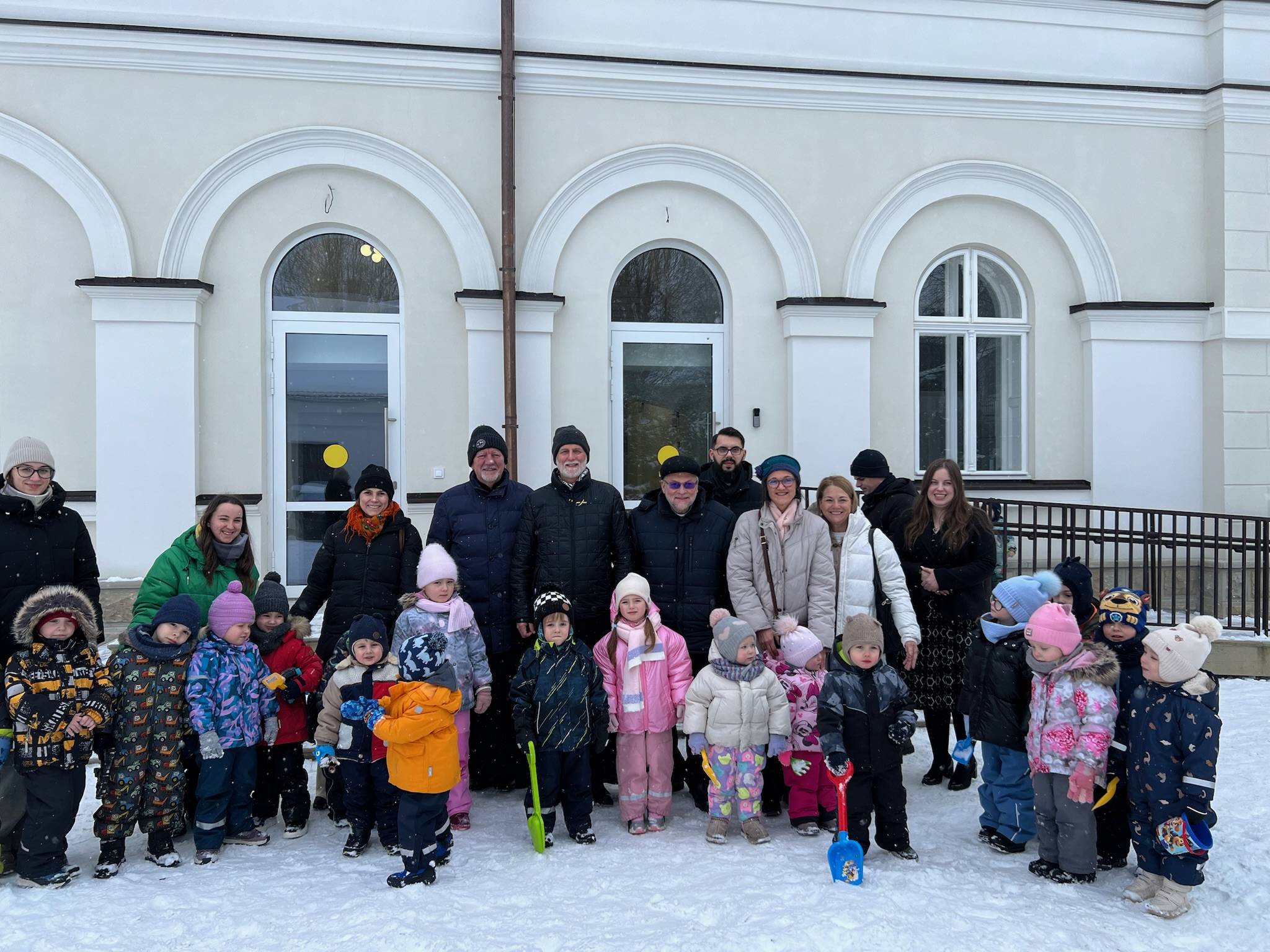
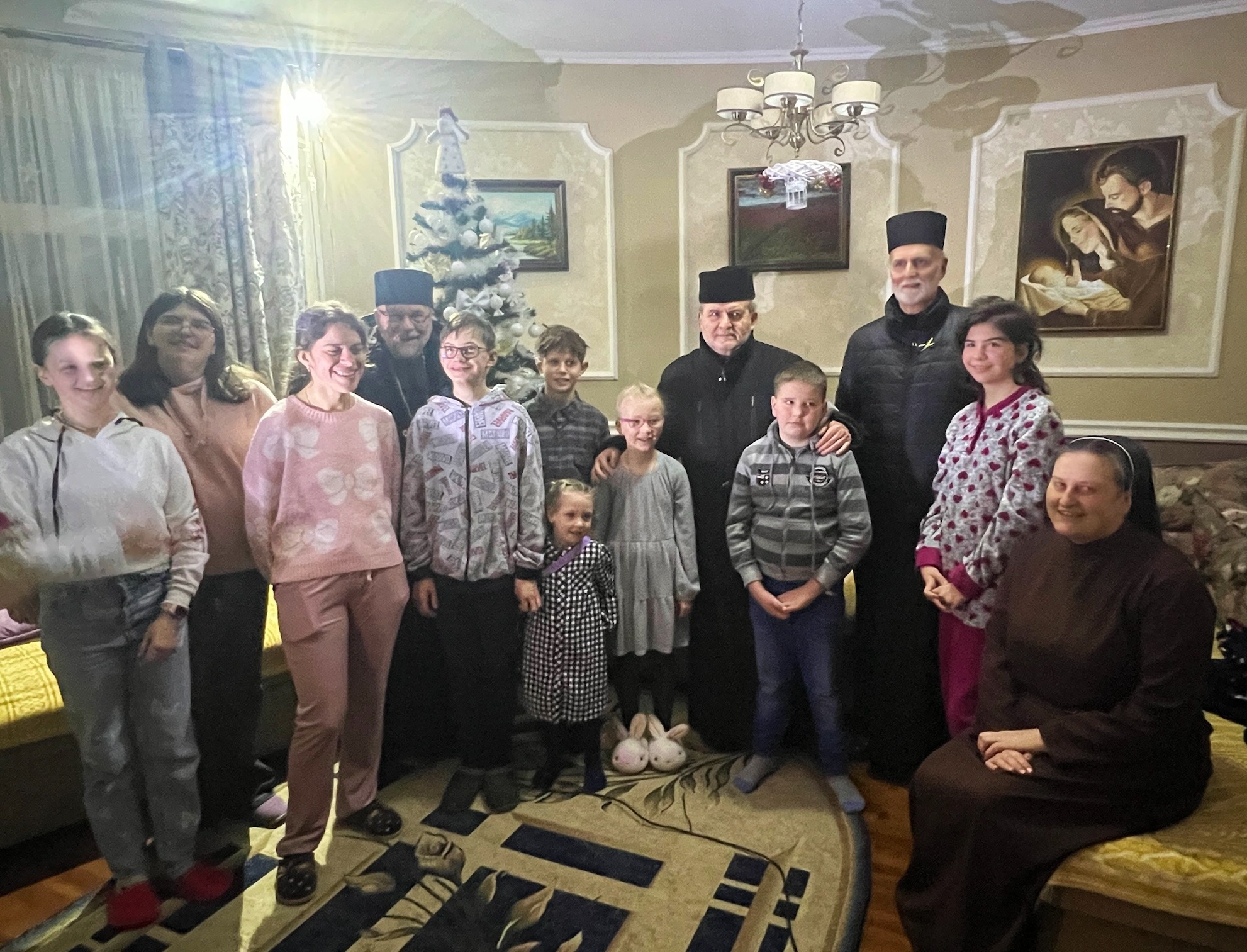
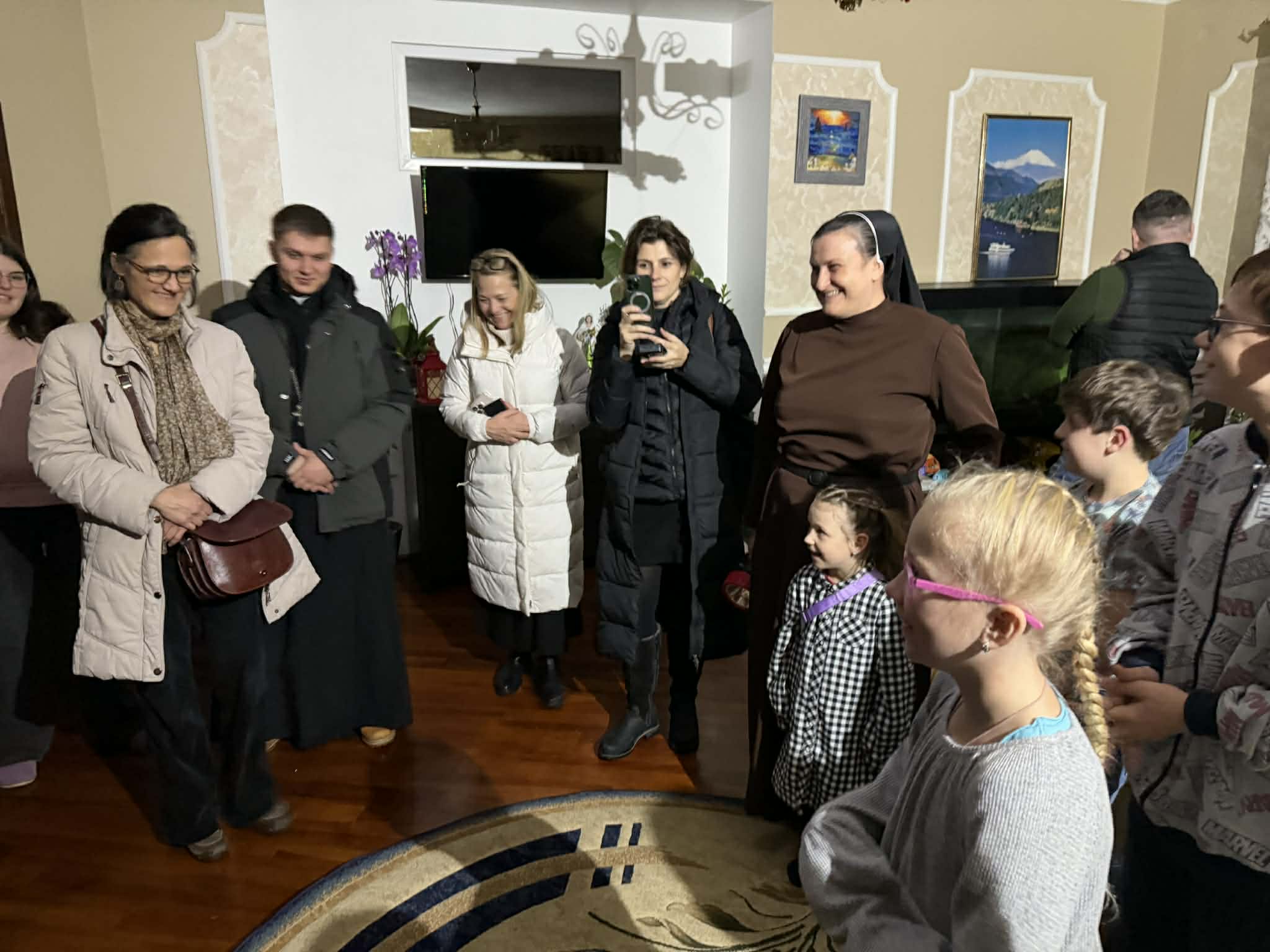
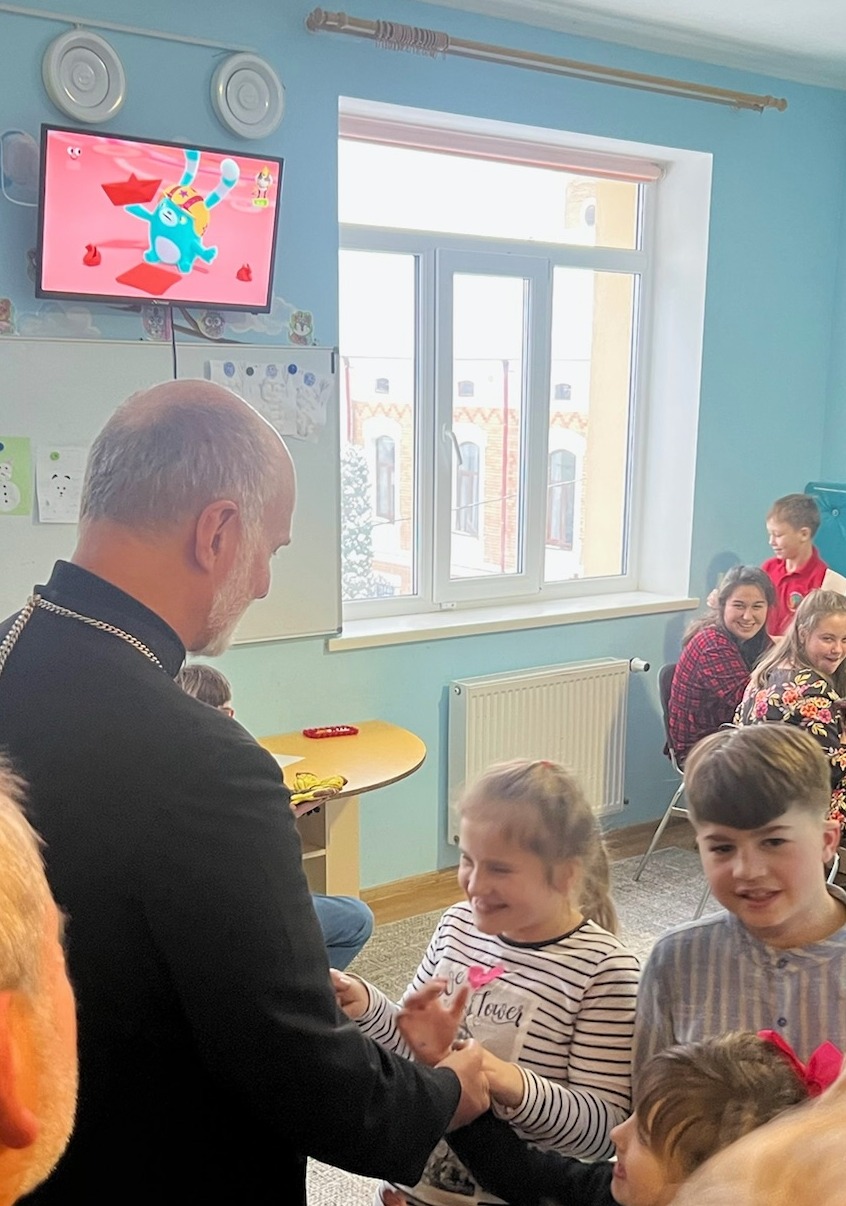
One was the House of Mercy in Chortkiv. Hearing the stories of the people there was very moving. Their work has shifted—they’re doing more than what they normally would, because of the war, because of displaced people and people not having access to resources they once had. Seeing the kids there, and how excited they were anyway, was very powerful.
When we visited the orphanage in the same city, the power went out almost as soon as we walked in. The lights went out, and it became very obvious how routine this is. Each child knew exactly what their role was—one went to pull the extension cord, another went to get the flashlights. They all knew what to do. It showed how normal this has become for them, how it’s part of everyday life. And yet they were genuinely happy. They wanted to talk about normal things—their favorite subjects in school. They weren’t talking about the war. They were just trying to live a normal life.
Another very impactful moment was in Ternopil, visiting the sites where rockets has destroyed the residential buildings. We ran into women—one who lived there, another who had a daughter and granddaughter killed there. Hearing their stories, and hearing Metropolitan Teodor Martyniuk talk about what he saw, was very difficult. As we were pulling up, we saw all these residential buildings, and someone asked, “What’s here that they [Russians] wanted to hit?” And in that moment I thought: does there have to be a reason? That’s the horror of this war. Churches, schools, hospitals—so many have been attacked. This was a residential area, with a playground in the middle and a school right next door. There was no logical reason.
You’ve mentioned that people seem tired, but also happy. What do you think makes them happy?
They seem happy with the little things in life. I think that’s something a lot of us can learn from. We tend to focus on the big things. And the big thing here is that there’s a war going on—bombs, people dying. But you see people happy because they got to see someone or hear from someone—things we often take for granted.
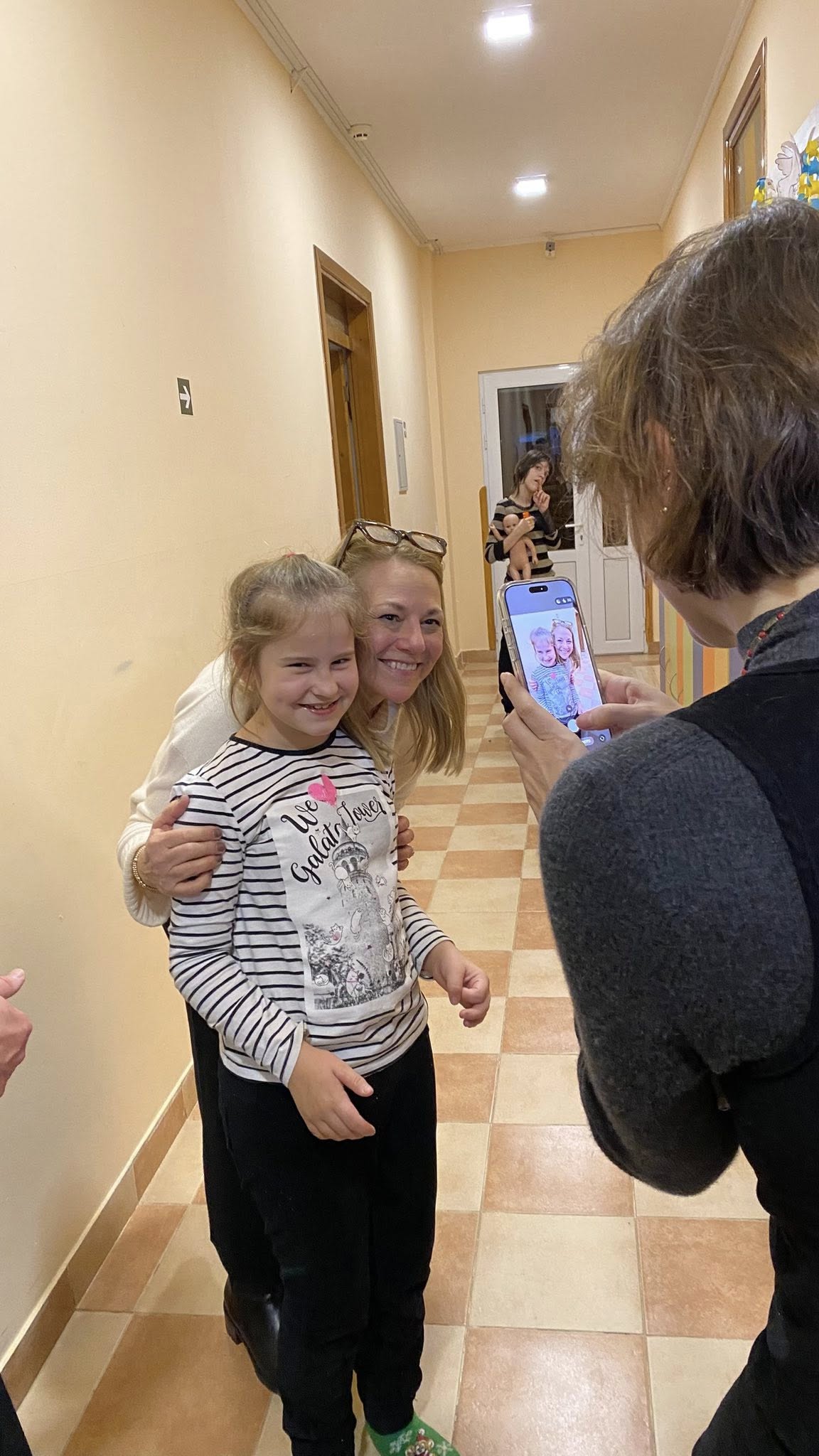
Kids were excited about chocolates. Adults were excited see friends and to take a photo with each other. It wasn’t anything big. I think it shows that we have to find happiness, or good, in the little things. It doesn’t diminish the bad that’s going on around them, but people have come to terms with the fact that they can’t be stuck in this darkness all the time. That won’t help them to survive. That won’t help them to win this war. They can be angry—and many of them are angry—but they still choose to live, they choose to fight.
Why do you think people should come to Ukraine during the war? What can they gain from being there in person?
It’s hard to answer that, because in the modern age, a lot of what we saw in person, people can also see online.
So people can ask: why go in person?
For many, it makes it more real. You really understand that this is people’s everyday lives. Online we can scroll to the next post once we’ve had enough of reading about something negative, something bad, something horrible. People there can’t scroll away. They’re in it.
Do I think everyone needs to go? No, not necessarily. But I do think the world needs a wake-up call. If people need to go in person to be convinced that this is the reality people are living in, then yes. And that’s not just true for Ukraine—it’s true for many places. It’s easy to create distance between the horrors happening elsewhere and the safety of our own homes. But for people there, this is a reality they live with every single day.
What moment during your visit gave you a genuine sense of joy or lightness?
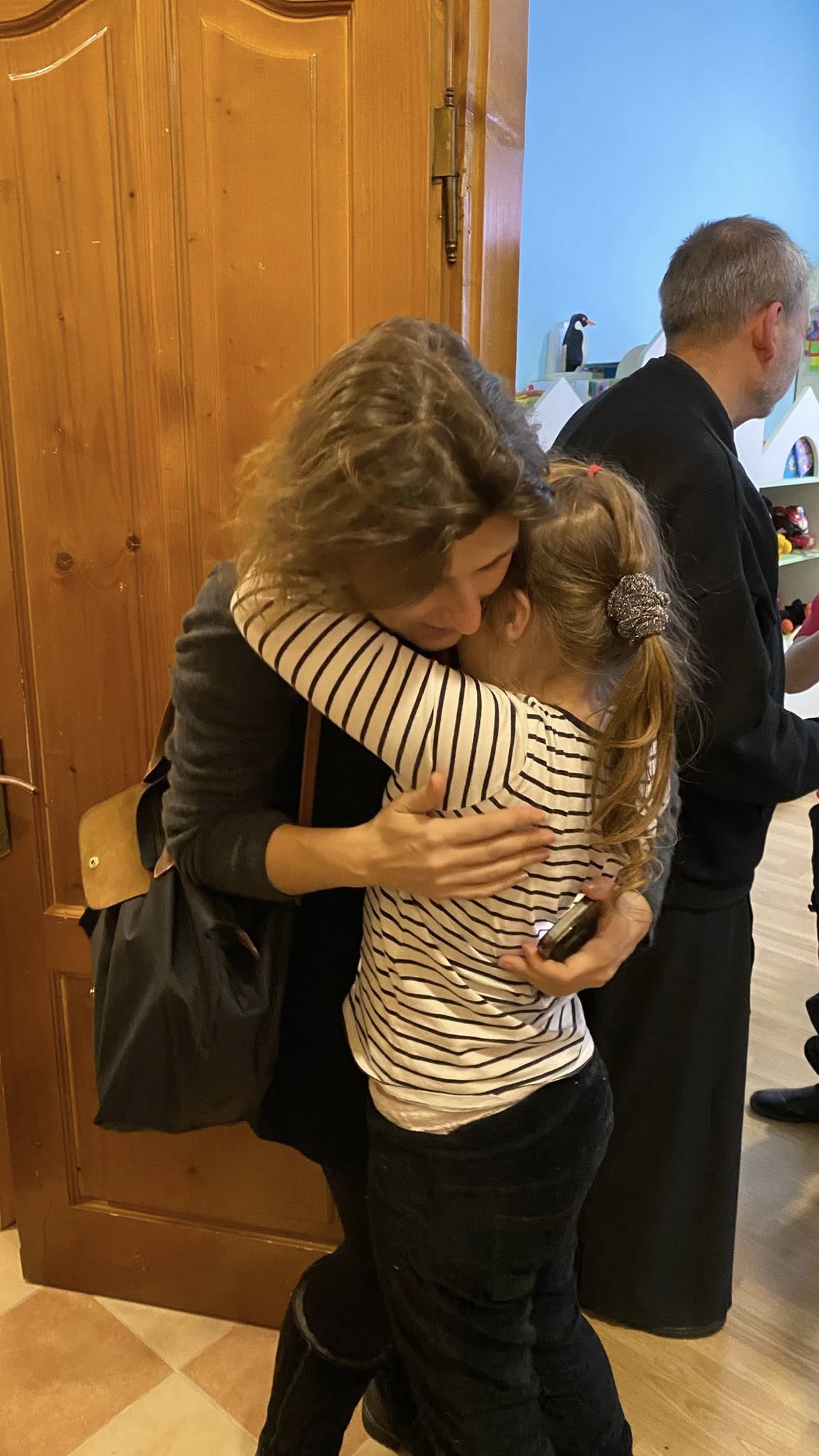
The kids we have met. Especially at the House of Mercy. There were some children with disabilities, and as Archbishop Borys always says, they ask only one question: Do you love me? There was one girl who ran up to all of us, just giving these genuine hugs. She simply wanted to hug everyone.
In some ways, these kids seem oblivious to what’s happening. They are not. They feel it and live it in different ways. But they teach us to find joy in small things.
I also went to a concert in Lviv. The room was completely overcrowded—you were basically sitting on the person next to you. But people were just happy to listen to music together. After the concert, everyone rushed back into the freezing cold, back to homes where they weren’t sure if they’d have light or heat, or whether there would be air raids that night. But they took that moment to be happy and to be together. Finding beauty, joy, and happiness in the little things.
Text: Mariana Karapinka
Photos: Sofia Zacharczuk, House of Mercy, Ternopil administration