Centralia: Where the Mother of God Became a Sign of Hope

In the tradition of our Church, May is a special time dedicated to the Blessed Virgin Mary. For generations, the Ukrainian people have nurtured a deep love for and trust in Mary, turning to her in prayer as a Heavenly Mother and Protectress. This is why pilgrimage sites, miraculous icons, and the traditional May devotions — known as Molebens or May Services — hold such an important place in Ukrainian spiritual life. During these services, the faithful gather at churches, chapels, and grottoes to honor the Mother of God through prayer and song.

Ukrainians brought this devotion to Mary with them to America. The Ukrainian Catholic Archeparchy of Philadelphia is home to several special Marian sites: Assumption of the Blessed Virgin Mary Ukrainian Catholic Church in Centralia, PA, a home to the Icon of Our Lady of Pochaiv; Christ the King Ukrainian Catholic Church in Philadelphia, PA, which houses a copy of the miraculous Zarvanytsia Icon of the Mother of God; Sts. Cyril and Methodius Ukrainian Catholic Church in Olyphant, PA, home to the Icon of Our Lady of Zhyrovychi; as well as the monastery of the Sisters of the Order of Saint Basil the Great in Jenkintown, PA, where a grotto with the Pochaiv Icon of the Mother of God is located.

Throughout May we will share stories about these pilgrimage sites, their history, and their spiritual significance. We warmly invite you to share your memories, photos, and stories connected to these holy places to feature in our upcoming publications.

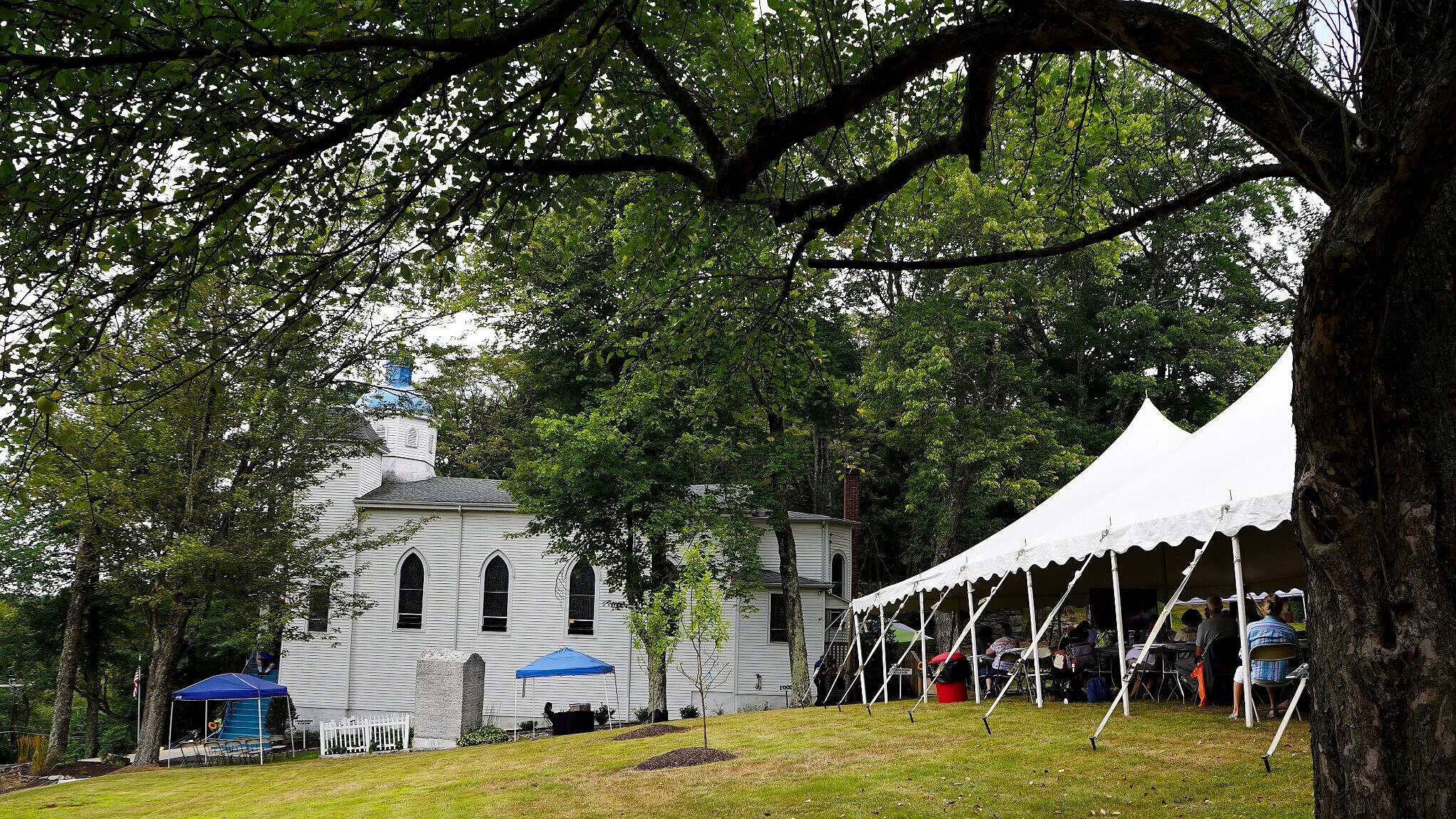
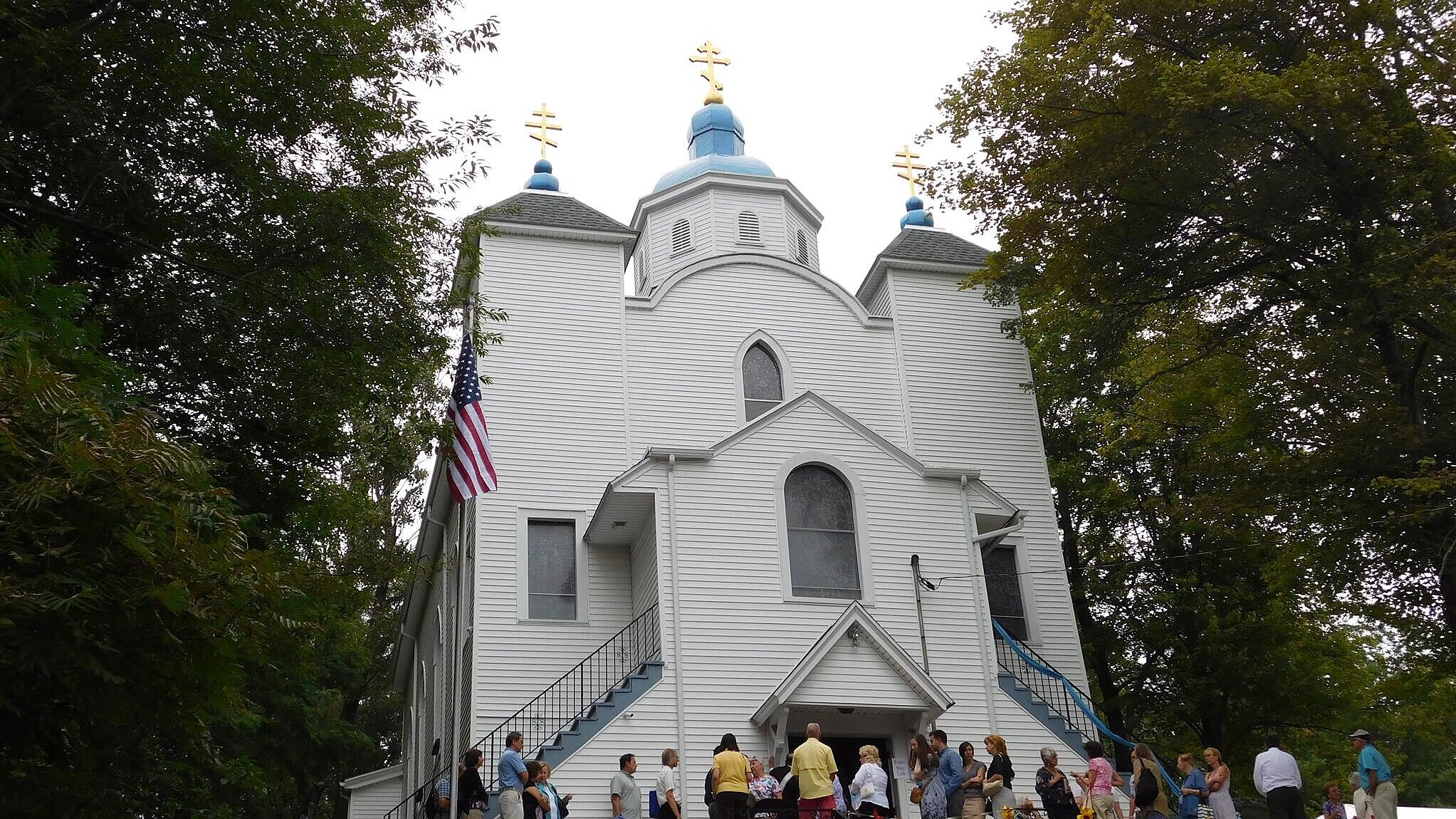
There are few places that speak about hope as powerfully as Centralia, PA. The town itself has disappeared. Beneath the earth, the mine fire that began in 1962 still burns. Streets that were once filled with life now are empty. All residents were relocated, and buildings were demolished. Yet atop the hill, above the silence and destruction, one church remains — a church dedicated to the Assumption of the Blessed Virgin Mary.

Its bells still ring across the valley.

For generations, the faithful have come here to pray before the Mother of God, entrusting to her their fears, losses, hopes, and families. In a place marked by destruction and uncertainty, many discovered in Mary not only a heavenly protectress, but also a sign that God had not abandoned them. Reflecting on the meaning of this place, Rev. Archpriest Michael Hutsko said: “It stands above the fire and destruction and loss that signifies our human experience. It’s bells ring out across the valley and proclaim that through it all, God is with us. He does not abandon us, but remains among us…always speaking, always inviting, always giving hope that in Him there is life.”

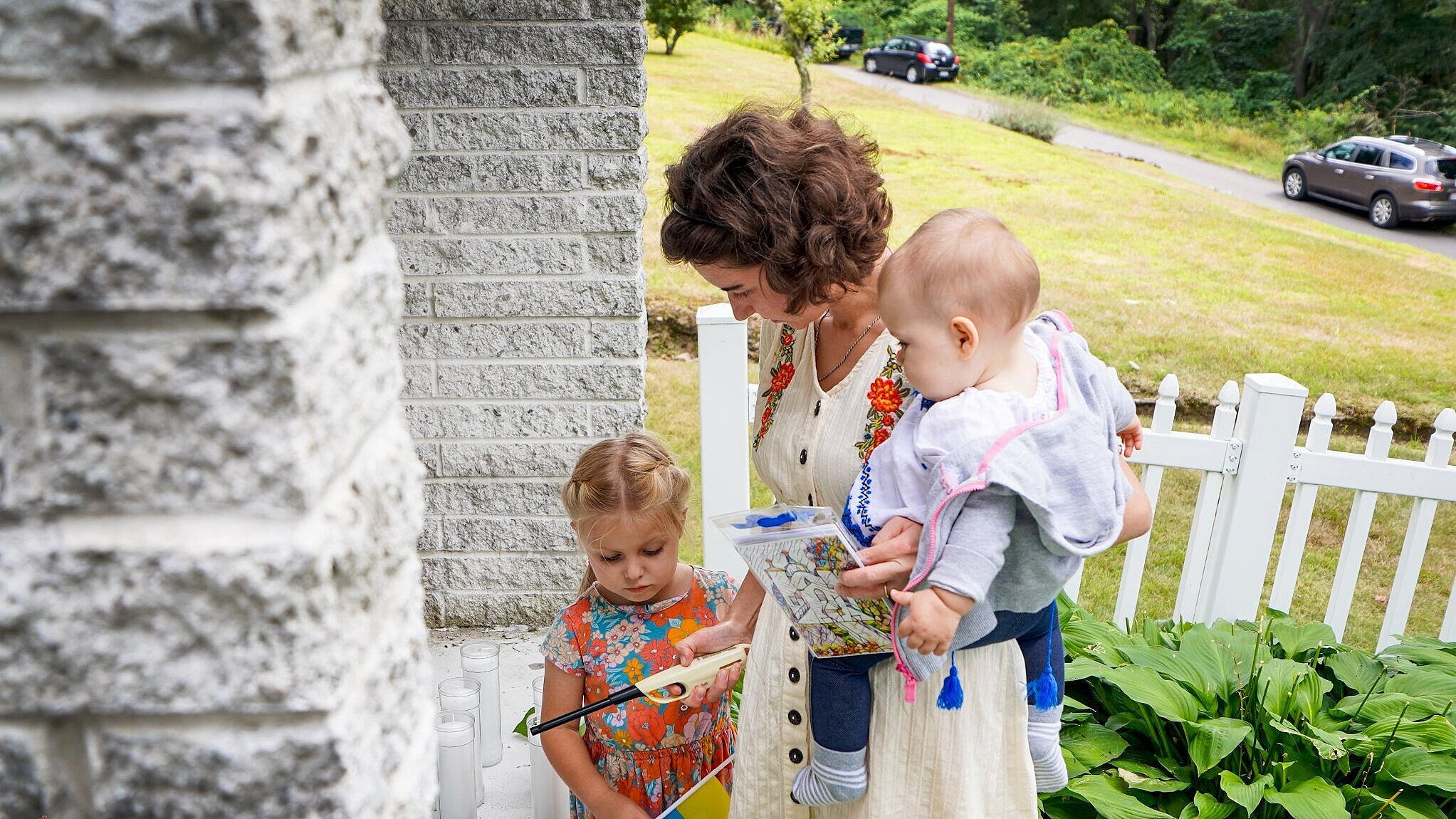
Today, Assumption of the Blessed Virgin Mary Ukrainian Catholic Church in Centralia has become a place of Marian pilgrimage — a place where hundreds of pilgrims gather each year to pray, seek healing, and place themselves under the protection of the Mother of God.

A Place of Pilgrimage

A turning point in the life of the parish came in the fall of 2015, when Patriarch Sviatoslav Shevchuk visited Centralia. According to Fr. Hutsko: “What He found and experienced was a holy place…a place filled with devotion and an atmosphere permeated by prayerfulness. He was truly moved spiritually and emotionally.” After singing a hymn to the Mother of God, Patriarch Sviatoslav proclaimed: “…this parish and church must become a place of pilgrimage for all people.”

Soon afterward, he formally decreed that an annual pilgrimage should take place at the parish on or near the Feast of the Assumption of the Blessed Virgin Mary. The first official pilgrimage was held in August 2016.

What had once seemed like a dying parish suddenly became a place to which people journeyed seeking peace, prayer, healing, and the maternal protection of Mary.

Faith Through Uncertainty

For many years, the future of the parish remained uncertain. Parishioners watched as homes disappeared, streets emptied, and the town around them slowly vanished. Yet they continued to gather for prayer before the Mother of God. 

Reflecting on those years, Fr. Hutsko commented: “For decades the faithful held their breath as each year passed, asking if this year or that year would finally be the time the parish would be closed or merged. Yet, they prayed and remained steadfast in their support of their church. Prayer to the Blessed Mother, patron of the parish and their heavenly Mother was a part of the worship that took place every Sunday and Holyday. Always asking one single thing, that She watch over and protect the parish and the faithful. Moleben to the Mother of God was prayed regularly and the Holy Rosary a part of the parish and personal prayer.” 

In the midst of uncertainty, devotion to Mary became a source of endurance and hope. The faithful continued to believe that the Mother of God had not abandoned them. Fr. Hutsko continues: “With that visit and the decree of His Beatitude Sviatoslav, the prayers of the faithful to the Mother of God for protection and guidance were finally answered. They learned in a very real and tangible way what God had planned through the years of destruction and loss of the town. This is one of the messages the parish and pilgrimage exemplifies each year. Be patient, trust, pray and God’s Will will be made known in the proper time.”

Building the Pilgrimage

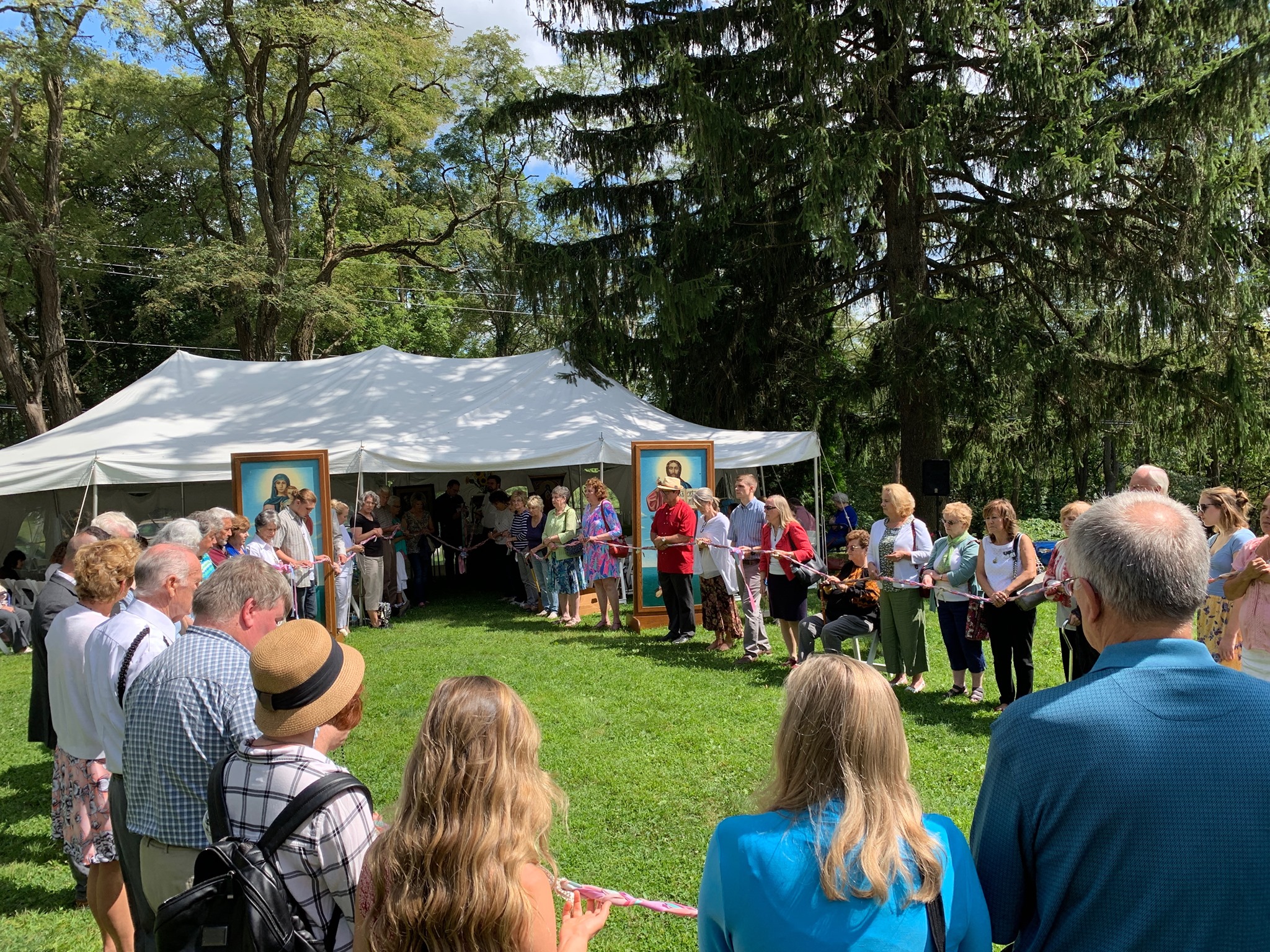
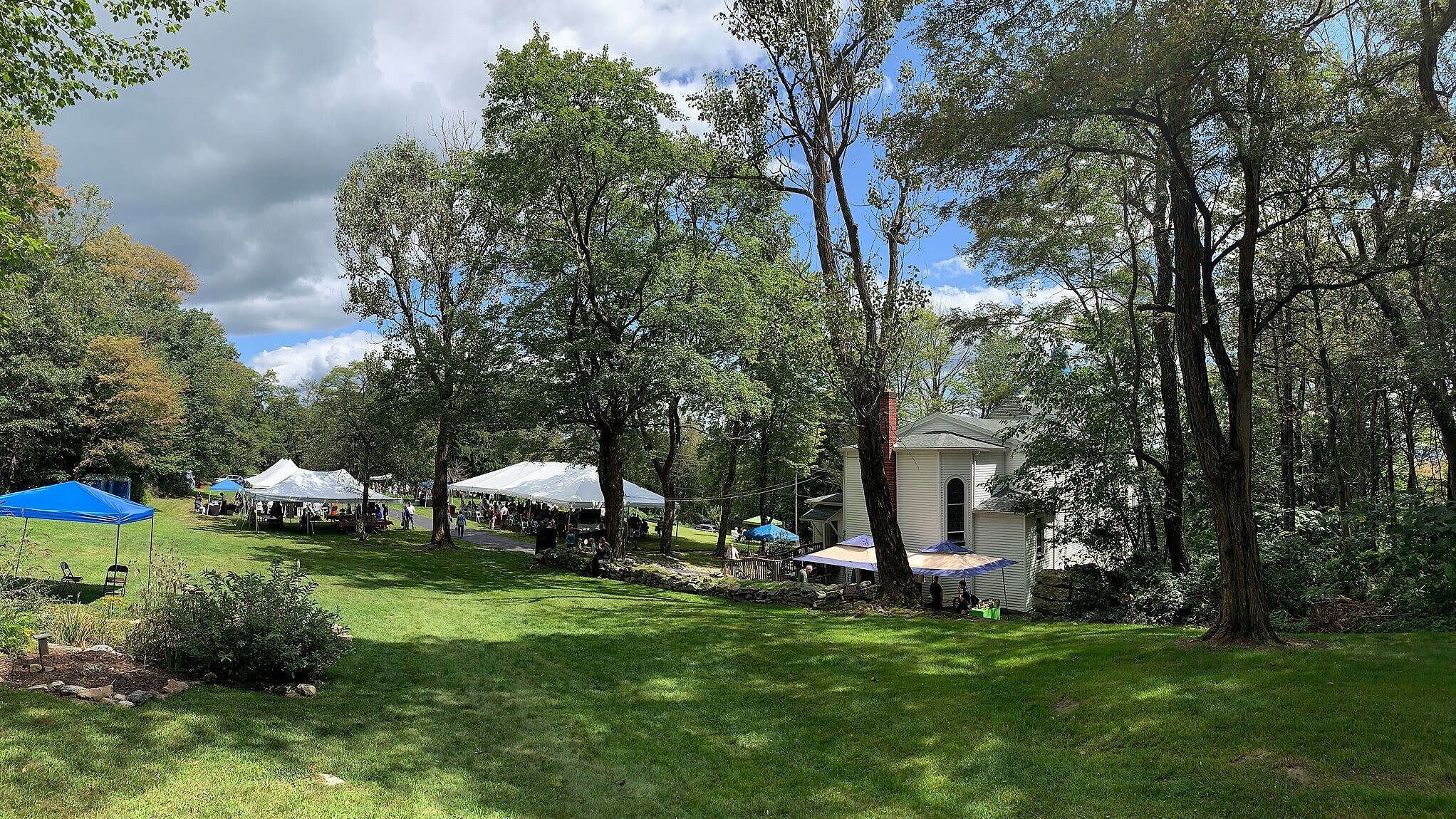
Creating a pilgrimage site in a nearly abandoned town required tremendous faith and dedication. There was no infrastructure available for large gatherings. No shelter, no drinking water, and no restrooms existed nearby. Everything needed for the pilgrimage had to be organized from the ground up. Yet the faithful understood this work not simply as preparation for an event, but as a ministry dedicated to the Mother of God and to every pilgrim who would come seeking her intercession.

Fr. Hutsko recalls: “The parishioners of Assumption, as well as Ss Peter and Paul in Mt. Carmel labored tirelessly to create a welcoming environment for those who would come. They did this work with much excitement and courage knowing they were fulfilling God’s Will for them. A beautiful grace permeated both the parishioners as well as the church as plans unfolded.”

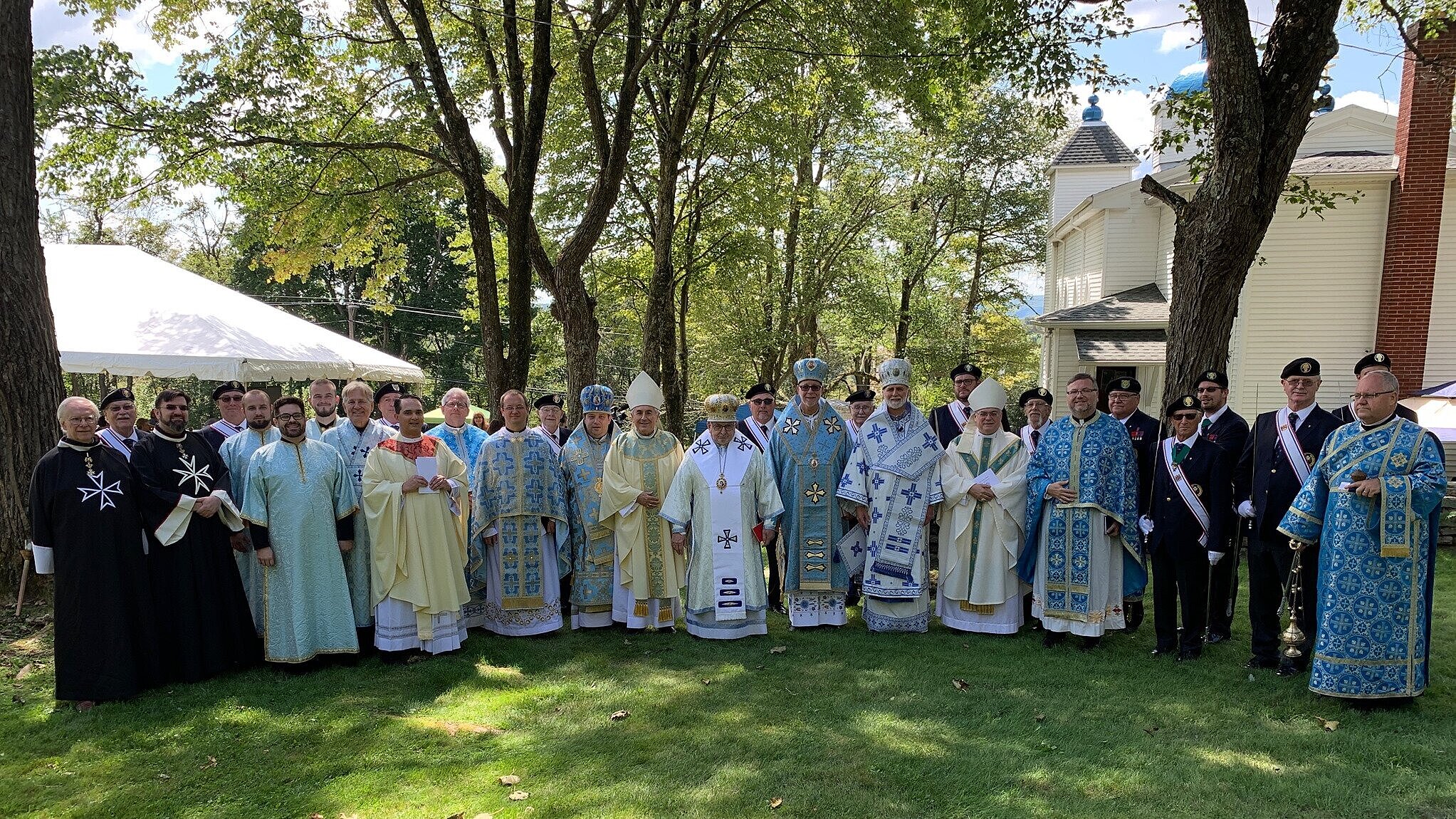
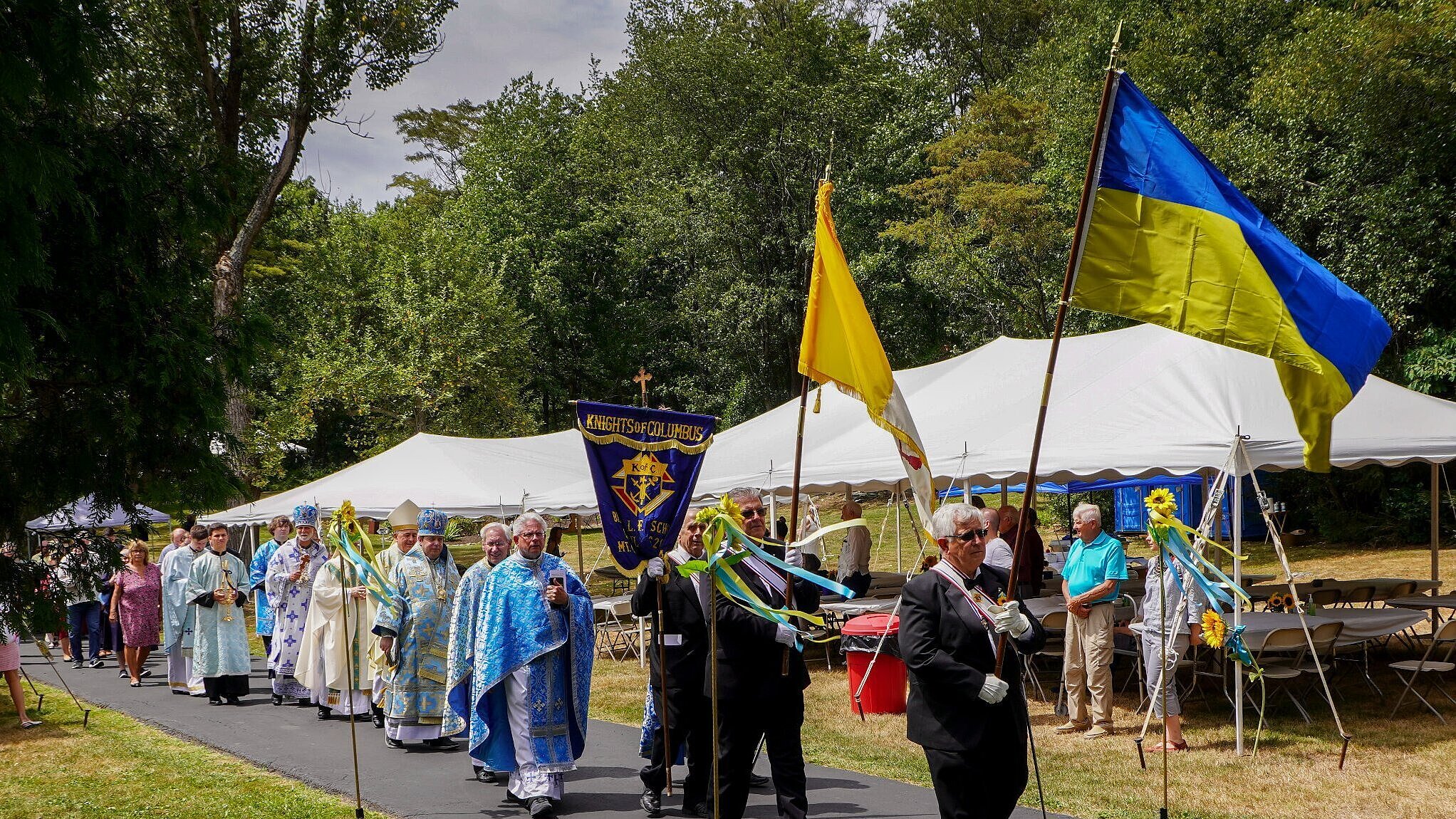
Over the years, bishops and faithful from different dioceses and eparchies joined the pilgrimage. The pilgrimage also reached thousands of people unable to travel to Centralia through the broadcasts of EWTN, which televised the liturgies and prayer services nationwide.

What Pilgrims Encounter

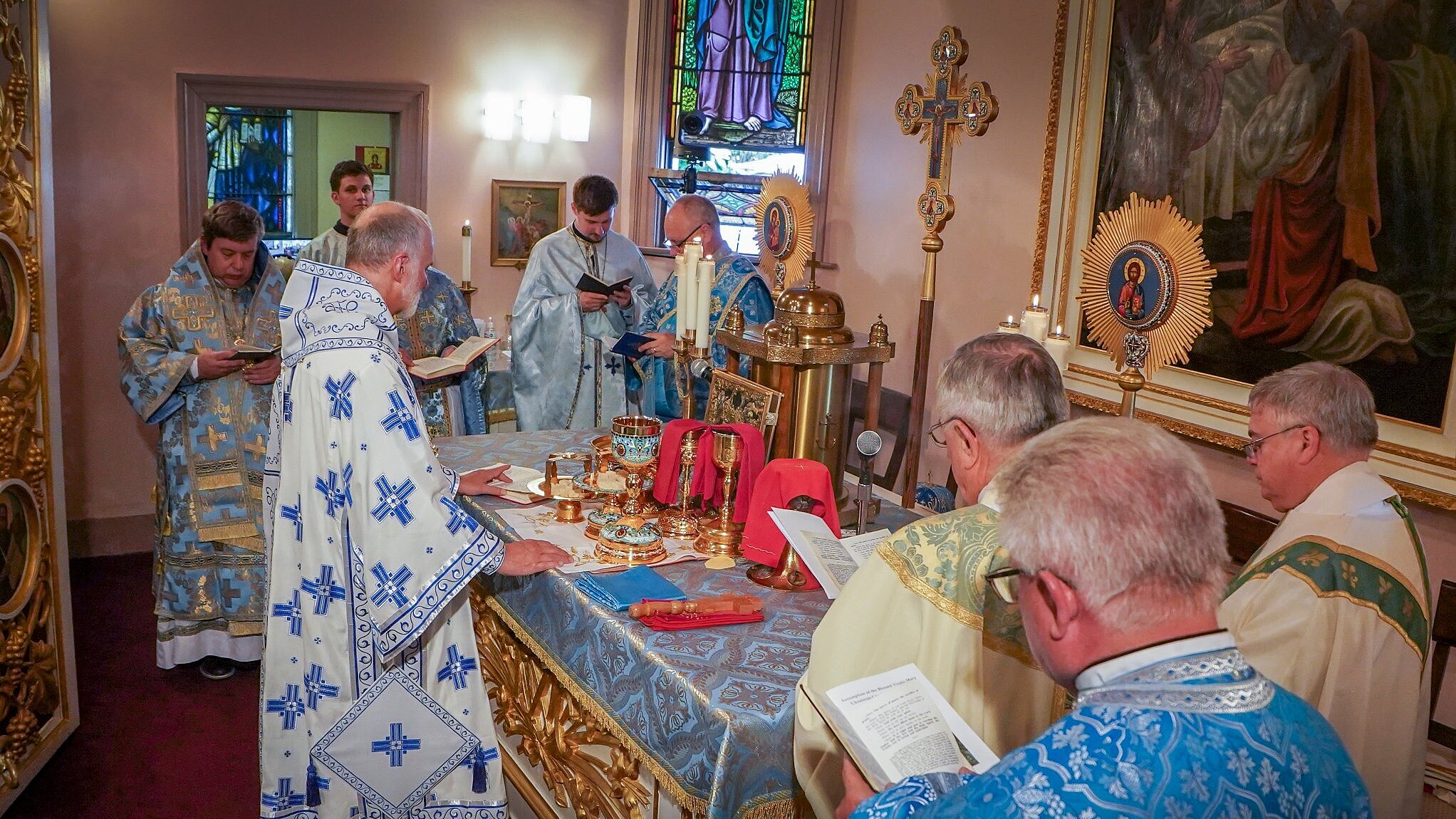
Pilgrims come to Centralia not simply to visit a historic church, but to encounter the quiet presence of the Mother of God through prayer. Throughout the day, the faithful participate in the Divine Liturgy, Moleben to the Mother of God, healing prayers, and especially the Sacrament of Reconciliation (confession), which is a central part of the pilgrimage experience.

Fr. Hutsko says: “From the first pilgrimage and every one that followed, people were drawn from near and far to spend the day in prayer to the Mother of God. Her role in salvation history, Her role as a heavenly protectress, Her role as our own Mother was celebrated and exalted at each event.” He continues: “…pilgrims opened their hearts to the presence of Our Lord and His Most Blessed Mother. From that, they very clearly experienced peace and hope and joy in the depths of their hearts.”

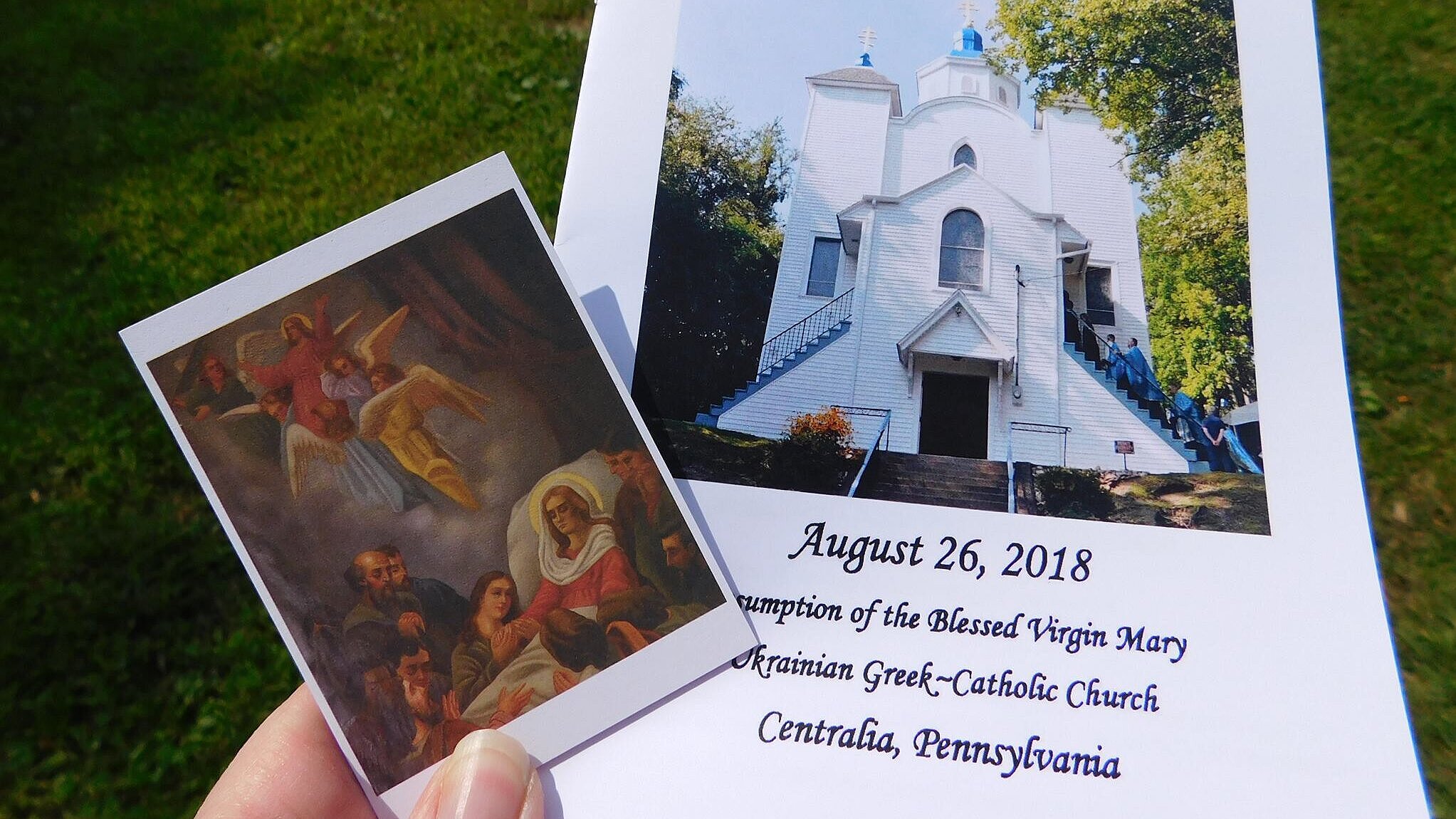
Pilgrims also have the opportunity to venerate the Icon of Our Lady of Pochaiv, the Icon of Our Lady of Persecuted Christians — blessed by Pope Francis — and the Holy Shroud of the Dormition of the Most Holy Mother of God. For many pilgrims, Centralia has become a place where the closeness of Mary is experienced in a profound and deeply personal way.

A Church Above the Fire

During the parish’s centennial celebration in 2011, Archbishop Stefan Soroka reflected on the deeper meaning of the church’s survival: “This church is standing after 100 years, despite the mine fire and the town leaving, to deliver a message to the world: We are to be like your namesake, the Mother of God, to be servants to others.”

That message continues to resonate each year as pilgrims ascend the hill to pray before the Mother of God in Centralia. As Metropolitan Borys Gudziak reflected during one of the pilgrimages, the Feast of the Dormition “calls us to be a mystical people” — people capable of recognizing God’s presence even amid destruction, suffering, and uncertainty. In many ways, the church itself has become a living Marian symbol of hope — standing above destruction, witnessing to faithfulness, and reminding pilgrims that God continues to work even through loss and uncertainty.

As Fr. Hutsko echoes: “From the first pilgrimage to the most recent in 2025, pilgrims came to experience exactly what our Patriarch experienced….holiness, prayerfulness, the presence of Holy Mary and Our Lord….all in a place that had been spared from the fire and destruction that surrounded it.” And ultimately, it is this witness that continues to draw pilgrims to Centralia: “It is through the Blessed Virgin and the gift of Her Son that we can personally and intimately experience all these things.”

Related News

More News
Apostolic Nunciature Hosts Reception Honoring Pope Leo XIV and Welcoming Archbishop Caccia

#U.S.

#Vatican

#Archeparchy

Apostolic Nunciature Hosts Reception Honoring Pope Leo XIV and Welcoming Archbishop Caccia

Deacon Ihor Demydas: Fatherhood Taught Me to Trust in God

#U.S.

#Archeparchy

#Interview

Deacon Ihor Demydas: Fatherhood Taught Me to Trust in God

Ukrainian Maritime Apostleship Expands International Partnerships in the United States

#U.S.

#Ukraine

#Archeparchy

Ukrainian Maritime Apostleship Expands International Partnerships in the United States

On the Birthday of His Beatitude Sviatoslav: “Never Be Ashamed to Be Human”

#U.S.

#Ukraine

#Archeparchy

On the Birthday of His Beatitude Sviatoslav: “Never Be Ashamed to Be Human”