Where the Mother of God Gathers Her Children: The Story of 95 Years of Pilgrimage

In the tradition of our Church, May is a special time dedicated to the Blessed Virgin Mary. For generations, the Ukrainian people have nurtured a deep love for and trust in Mary, turning to her in prayer as a Heavenly Mother and Protectress. This is why pilgrimage sites, miraculous icons, and the traditional May devotions — known as Molebens or May Services — hold such an important place in Ukrainian spiritual life. During these services, the faithful gather at churches, chapels, and grottoes to honor the Mother of God through prayer and song.

Ukrainians brought this devotion to Mary with them to America. The Ukrainian Catholic Archeparchy of Philadelphia is home to several special Marian sites: Assumption of the Blessed Virgin Mary Ukrainian Catholic Church in Centralia, PA, a home to the Icon of Our Lady of Pochaiv; Christ the King Ukrainian Catholic Church in Philadelphia, PA, which houses a copy of the miraculous Zarvanytsia Icon of the Mother of God; Sts. Cyril and Methodius Ukrainian Catholic Church in Olyphant, PA, home to the Icon of Our Lady of Zhyrovychi; as well as the monastery of the Sisters of the Order of Saint Basil the Great in Jenkintown, PA, where a grotto with the Pochaiv Icon of the Mother of God is located.

Throughout May we will share stories about these pilgrimage sites, their history, and their spiritual significance. We warmly invite you to share your memories, photos, and stories connected to these holy places to feature in our upcoming publications.

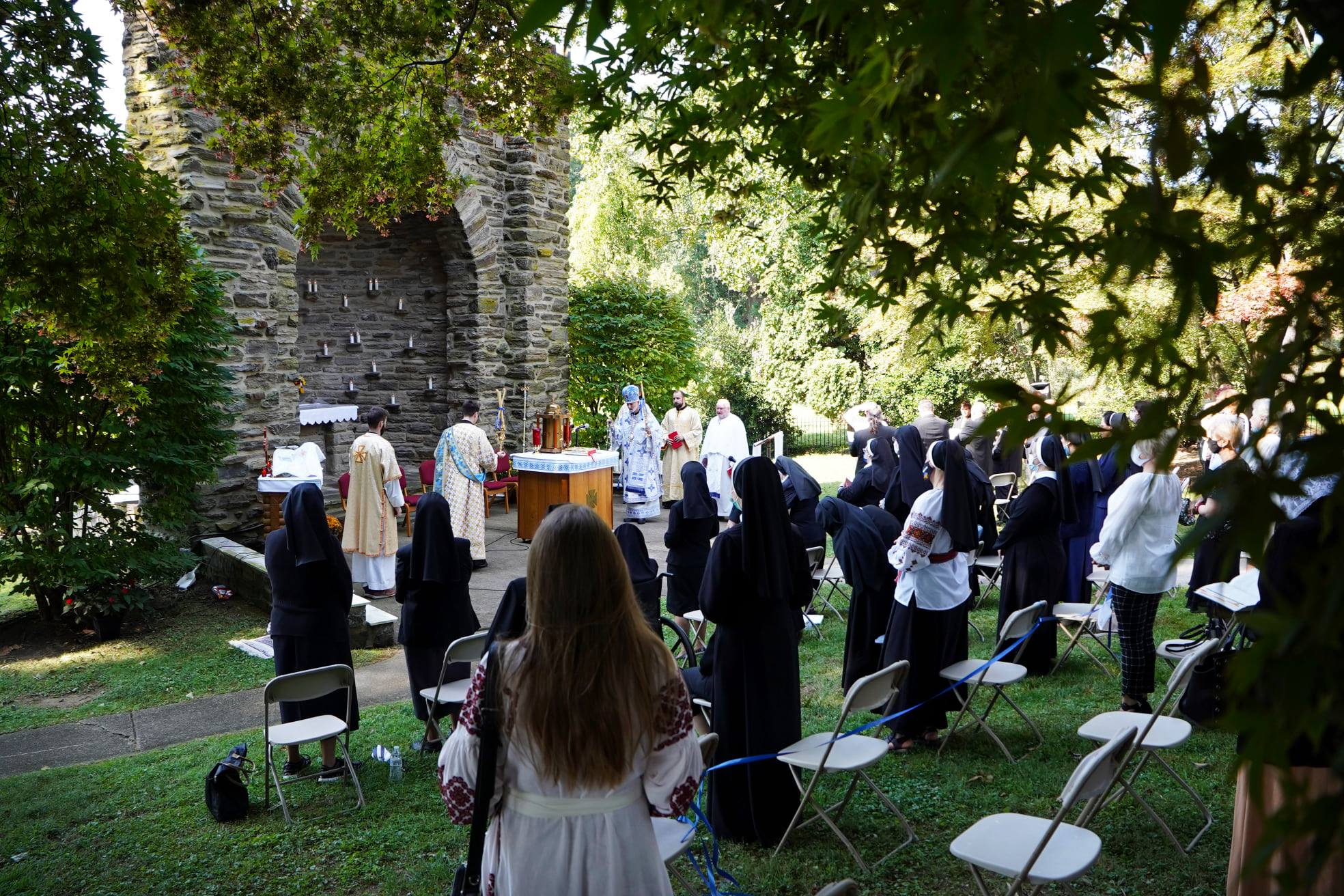
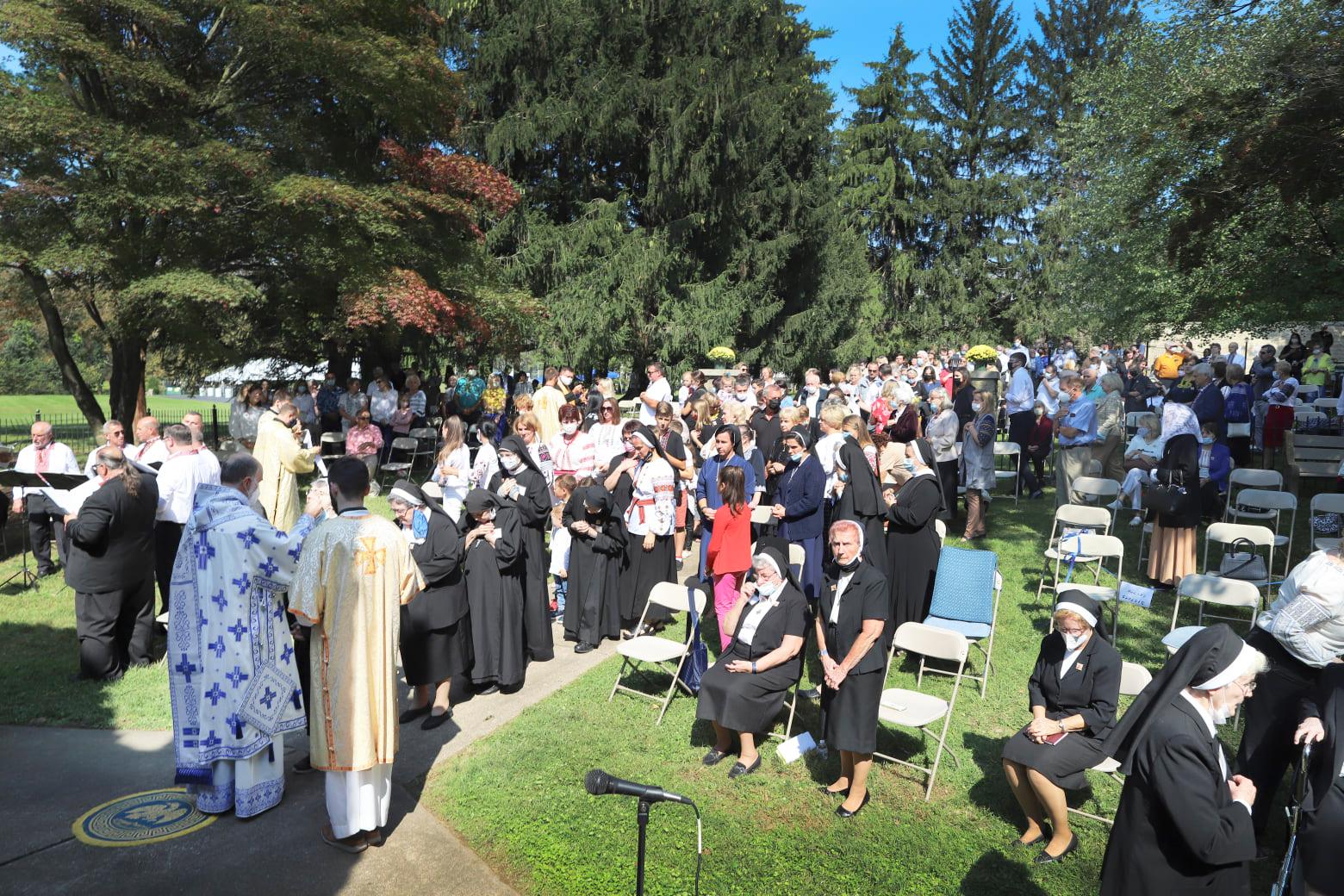
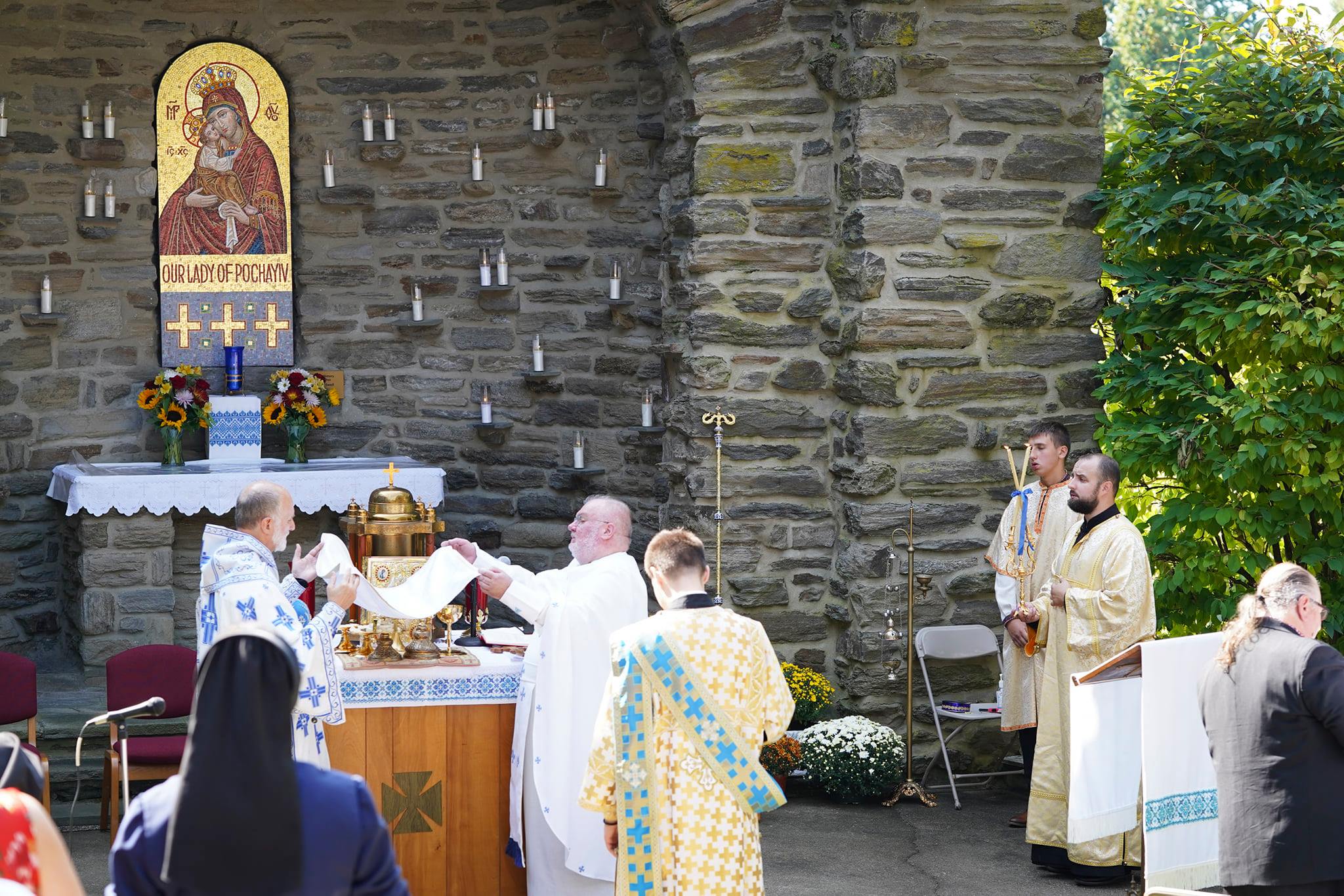
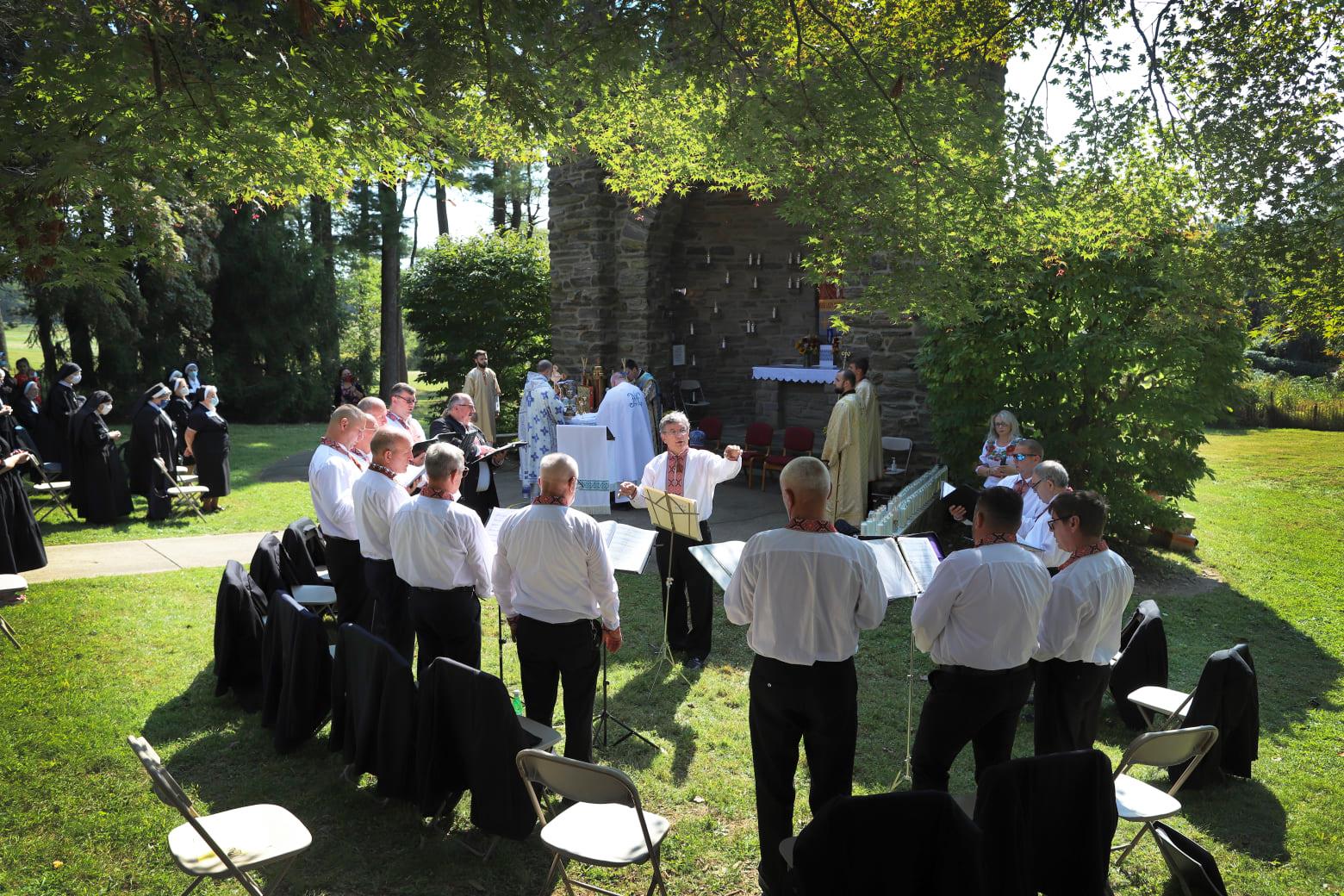
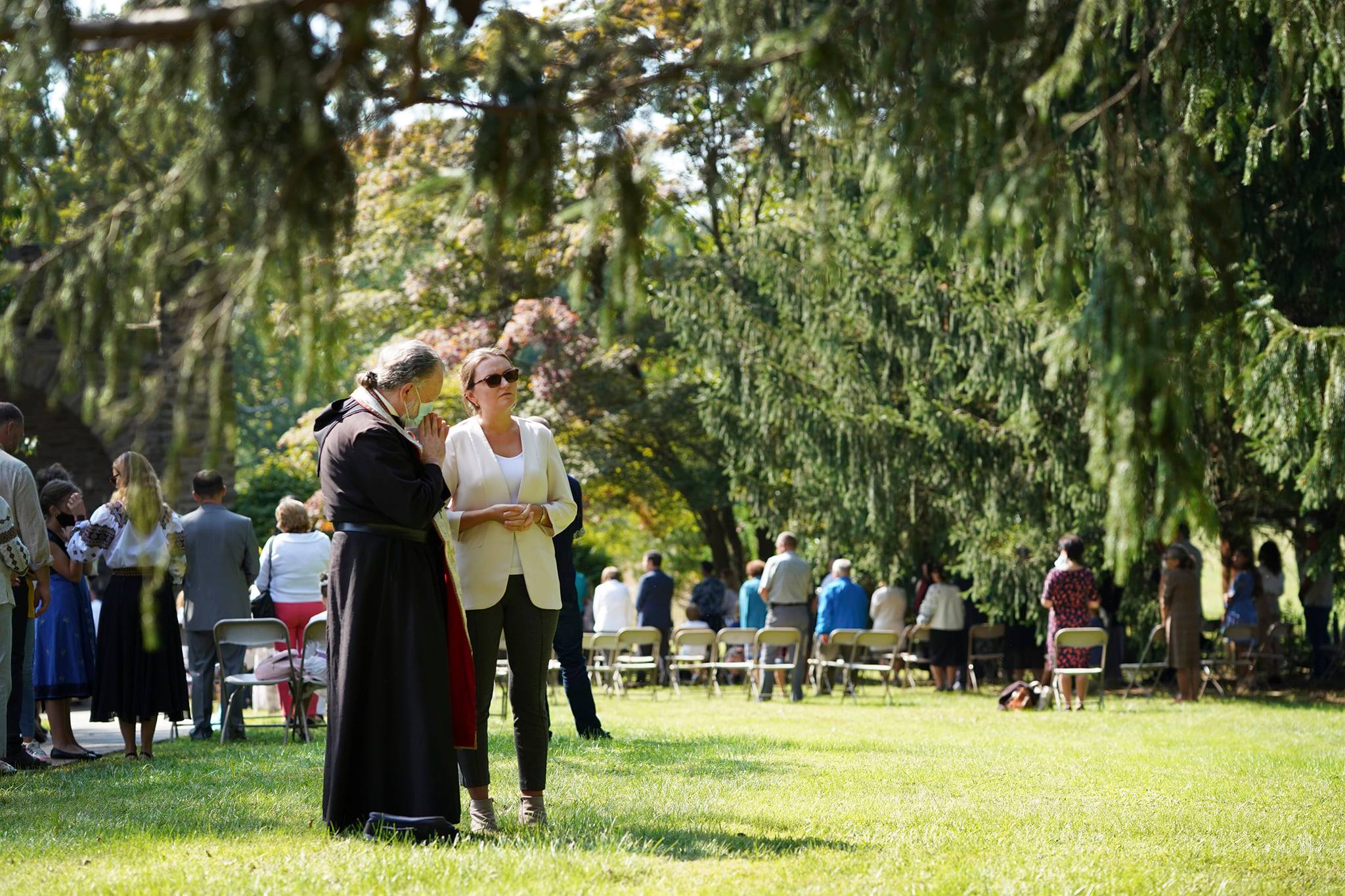
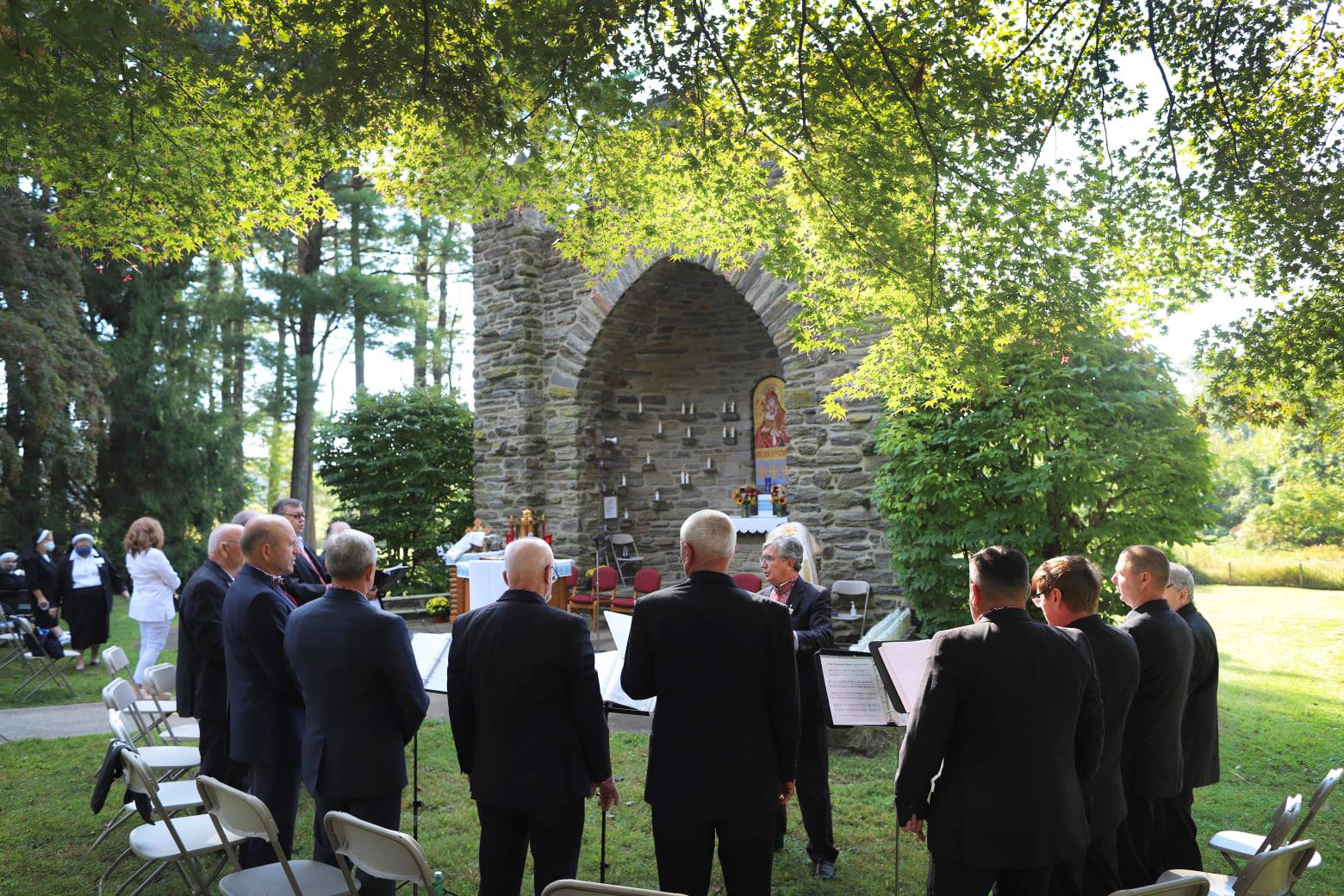
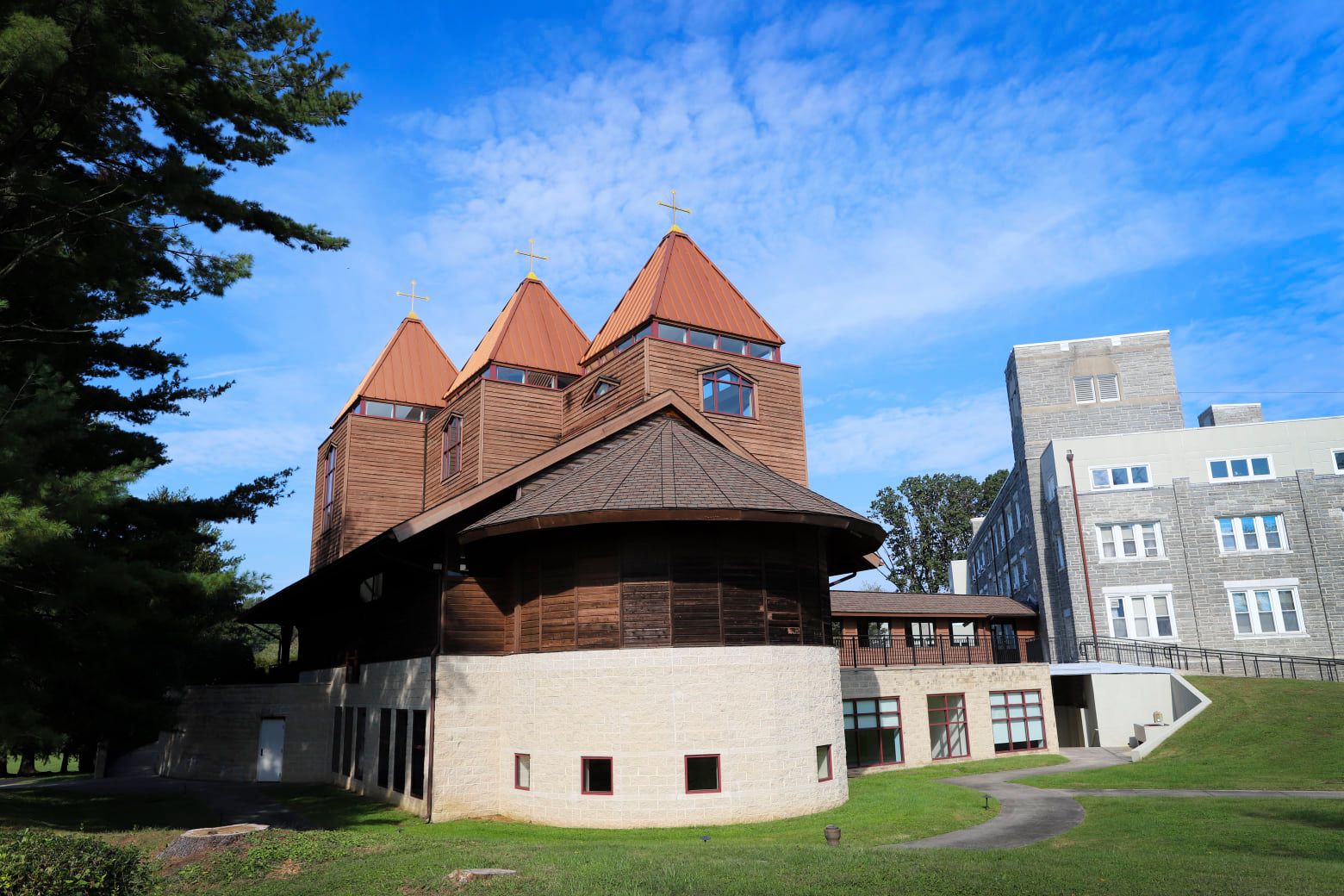
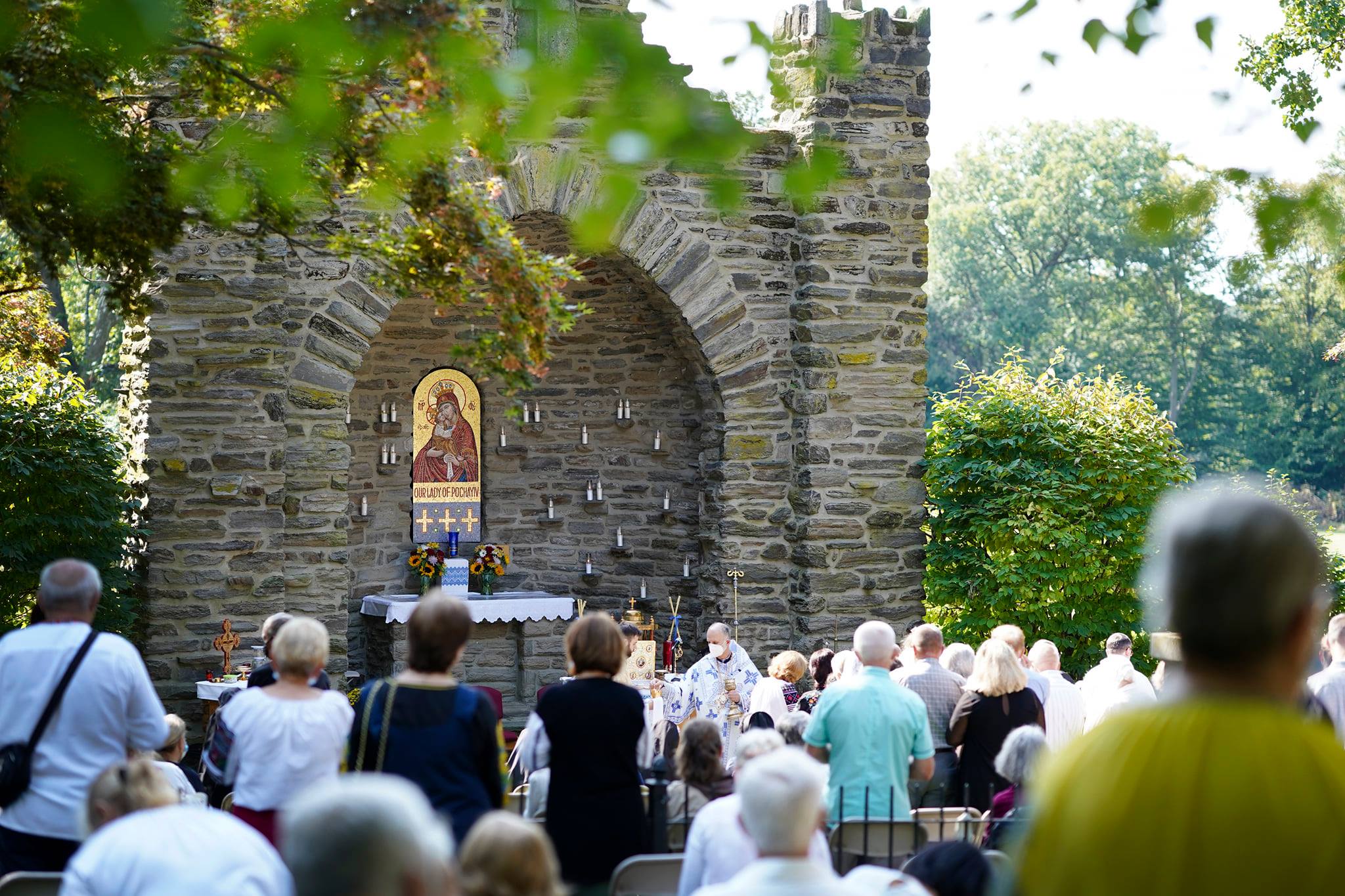
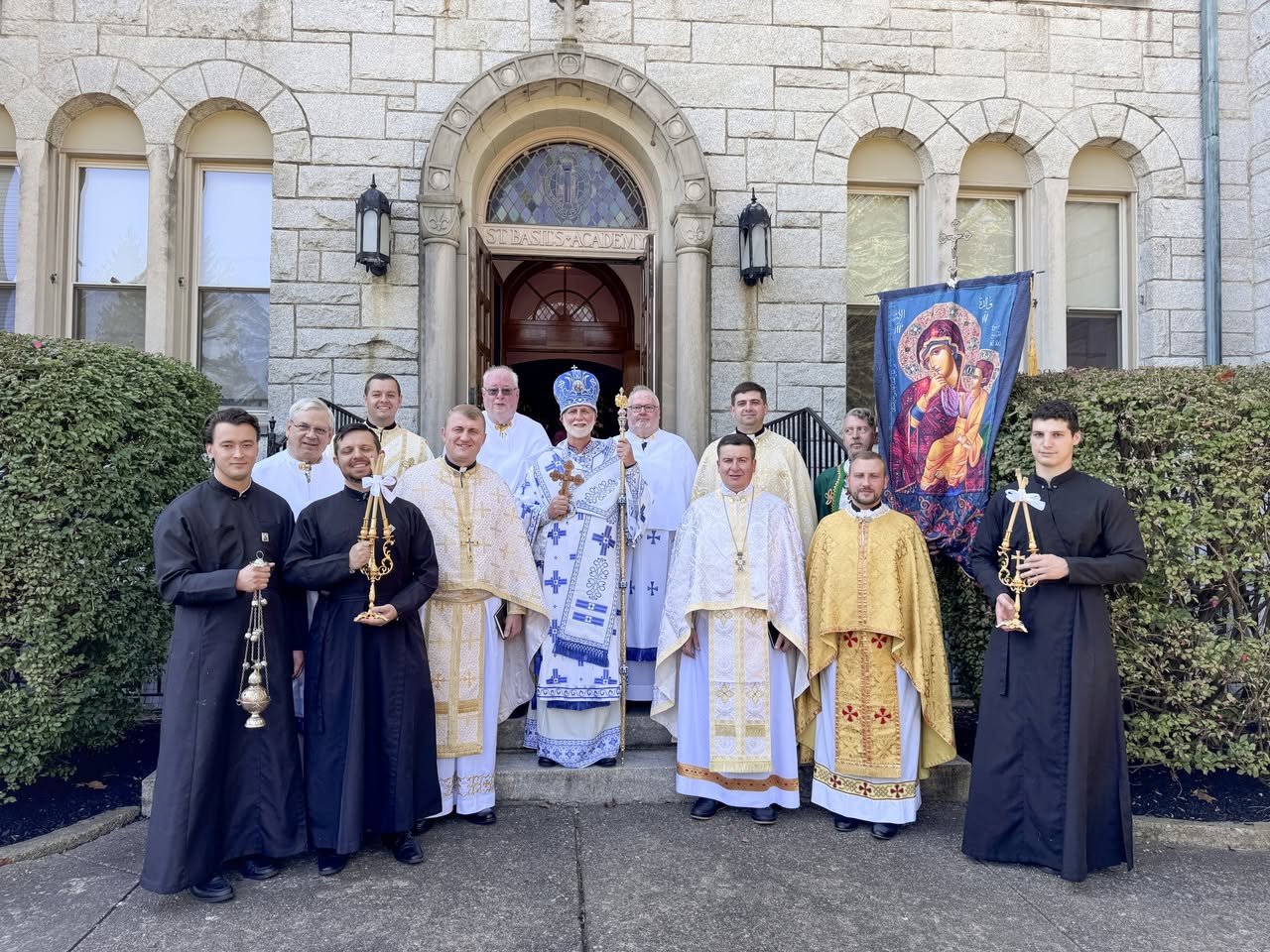
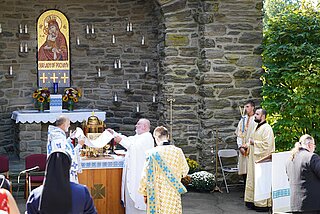
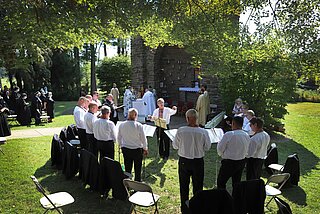
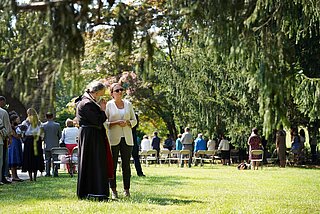
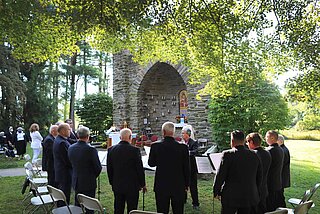
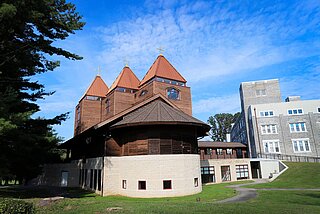
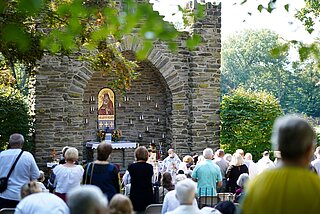
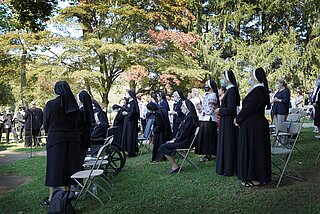
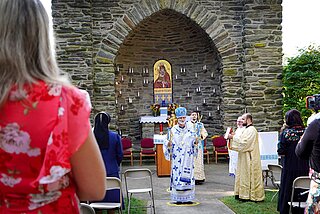
There are places people return to again and again - not because tradition requires it, but because they find peace there. For decades, one such place for Ukrainian Catholics in the United States has been the Grotto of the Mother of God on the grounds of the Motherhouse of the Sisters of the Order of St. Basil the Great in Fox Chase, Pennsylvania, near Philadelphia. Every year, pilgrims come with many intentions: to give thanks, to pray for healing, to entrust their families to God, or to seek comfort amid life’s challenges. On October 4, 2026, the Basilian Sisters will host their 95th Annual Pilgrimage to the Mother of God.

A Pilgrimage Born of Gratitude

The story of this pilgrimage began nearly a century ago. In the early 1930s, a grotto dedicated to Our Lady of Lourdes was constructed over a spring on the grounds of the Basilian Sisters’ Motherhouse. Mother Josaphat Theodorovych initiated the construction of the grotto as an expression of gratitude to the Blessed Virgin Mary for her protection and assistance during the building of the Motherhouse, which faced numerous challenges due to the worldwide economic crisis of the time.

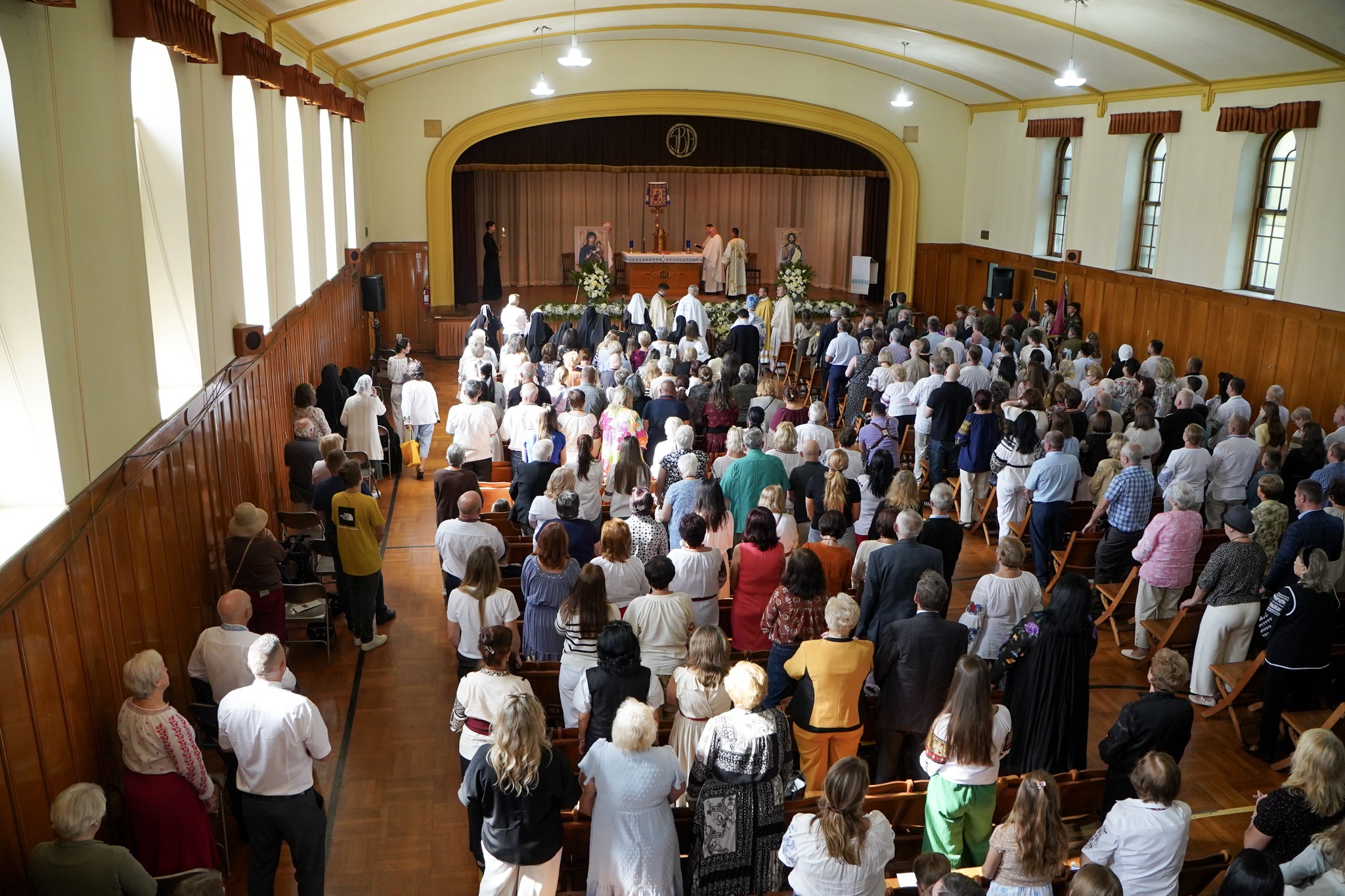
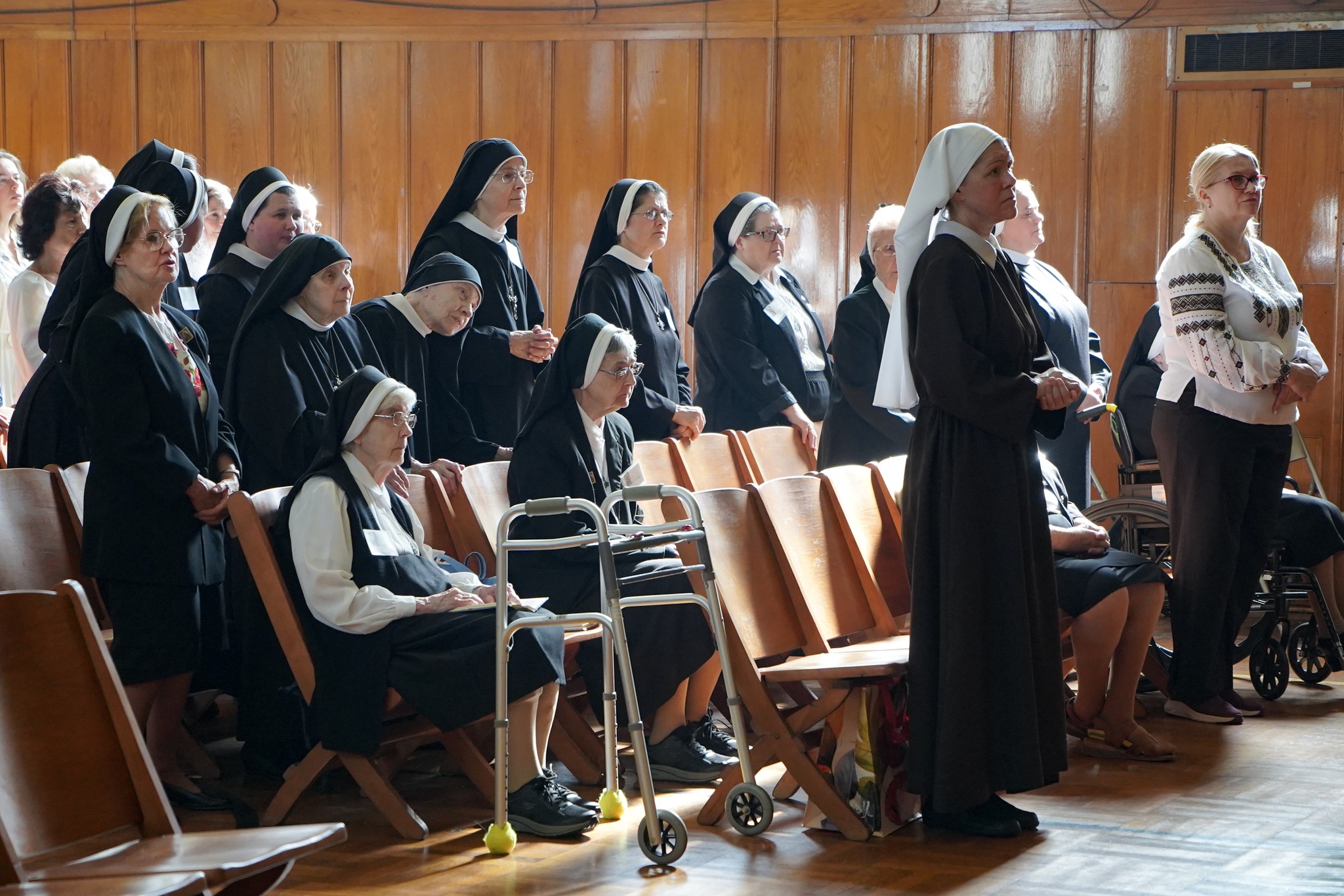
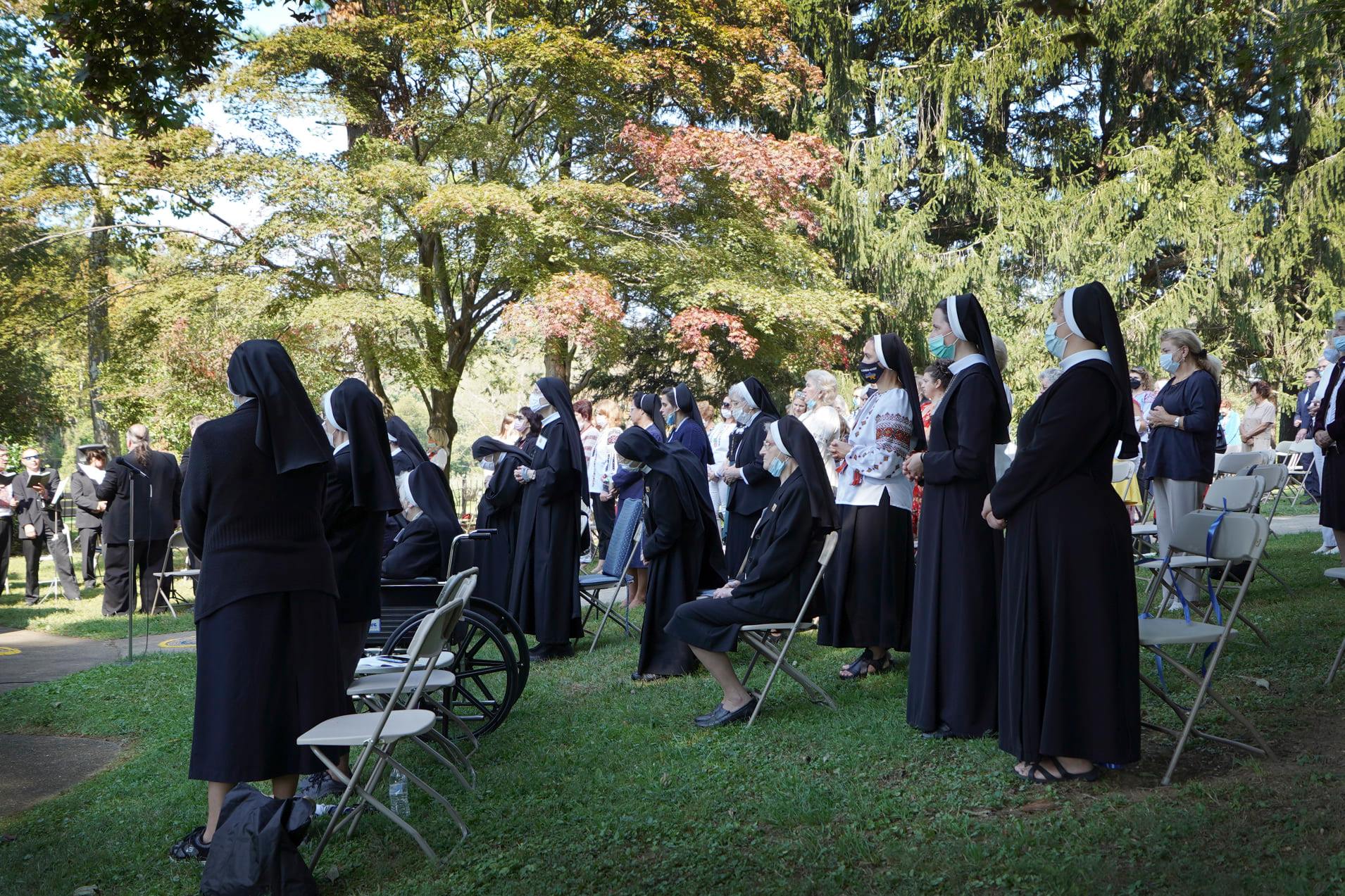
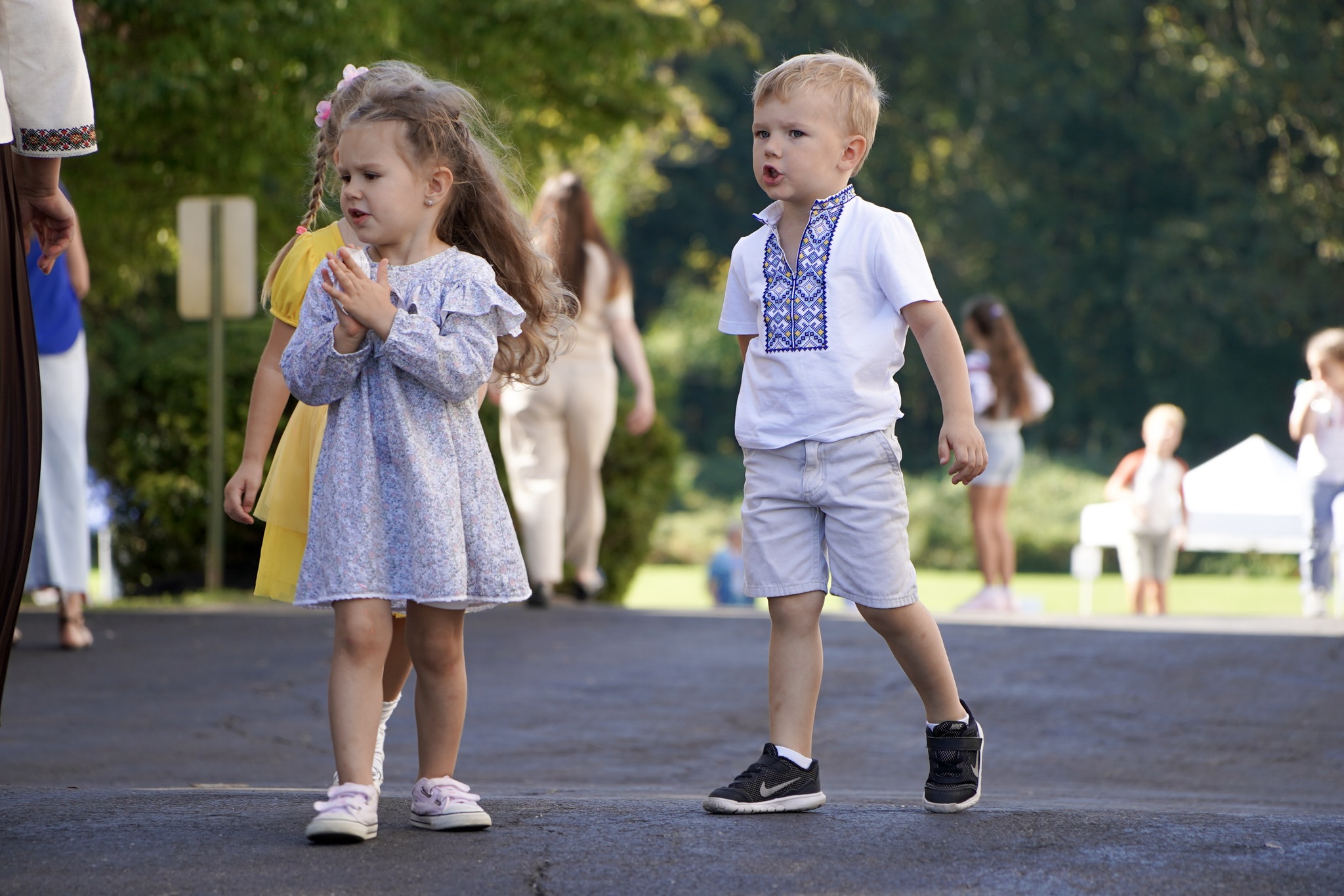
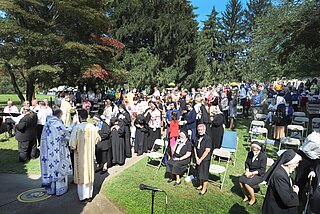
It was here that the first pilgrimage took place in 1931. On the second Sunday of May, Mother’s Day, Mother Josaphat Theodorovych and Mother Marie Dolzycka brought twelve girls from the Marian Sodality together with their mothers to honor the Blessed Virgin Mary. What began as a small gathering for prayer gradually grew into one of the most significant Ukrainian pilgrimages in the United States. Thousands of pilgrims traveled by car, bus, and train from across the country, especially from parishes where the Basilian Sisters taught and ministered.

In 1940, the Sisters petitioned Rome for official recognition of the grotto as a pilgrimage site. Their request was granted, and the shrine was recognized as a consecrated place of pilgrimage where the faithful praying to the Mother of God could receive a plenary indulgence.

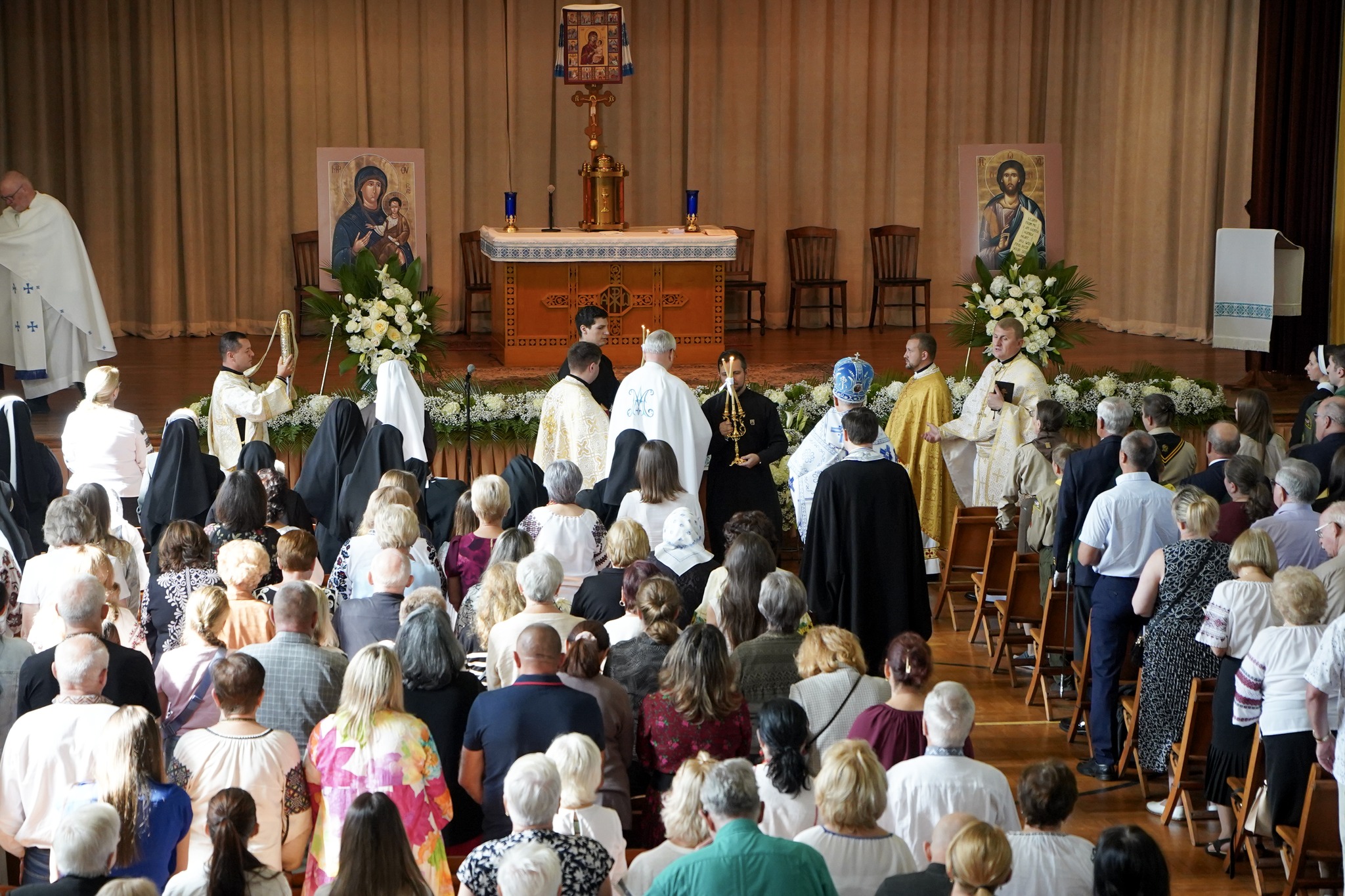
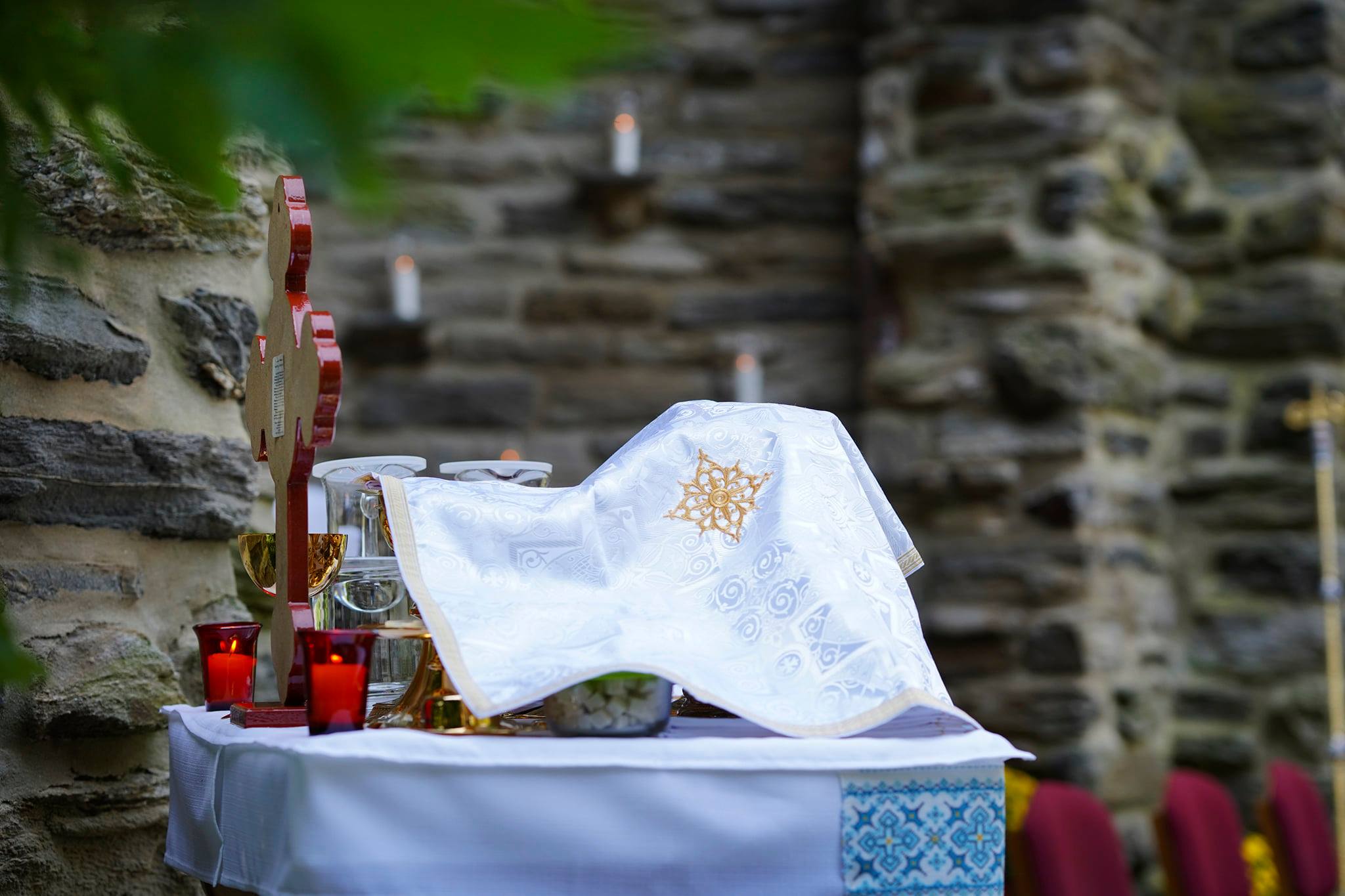
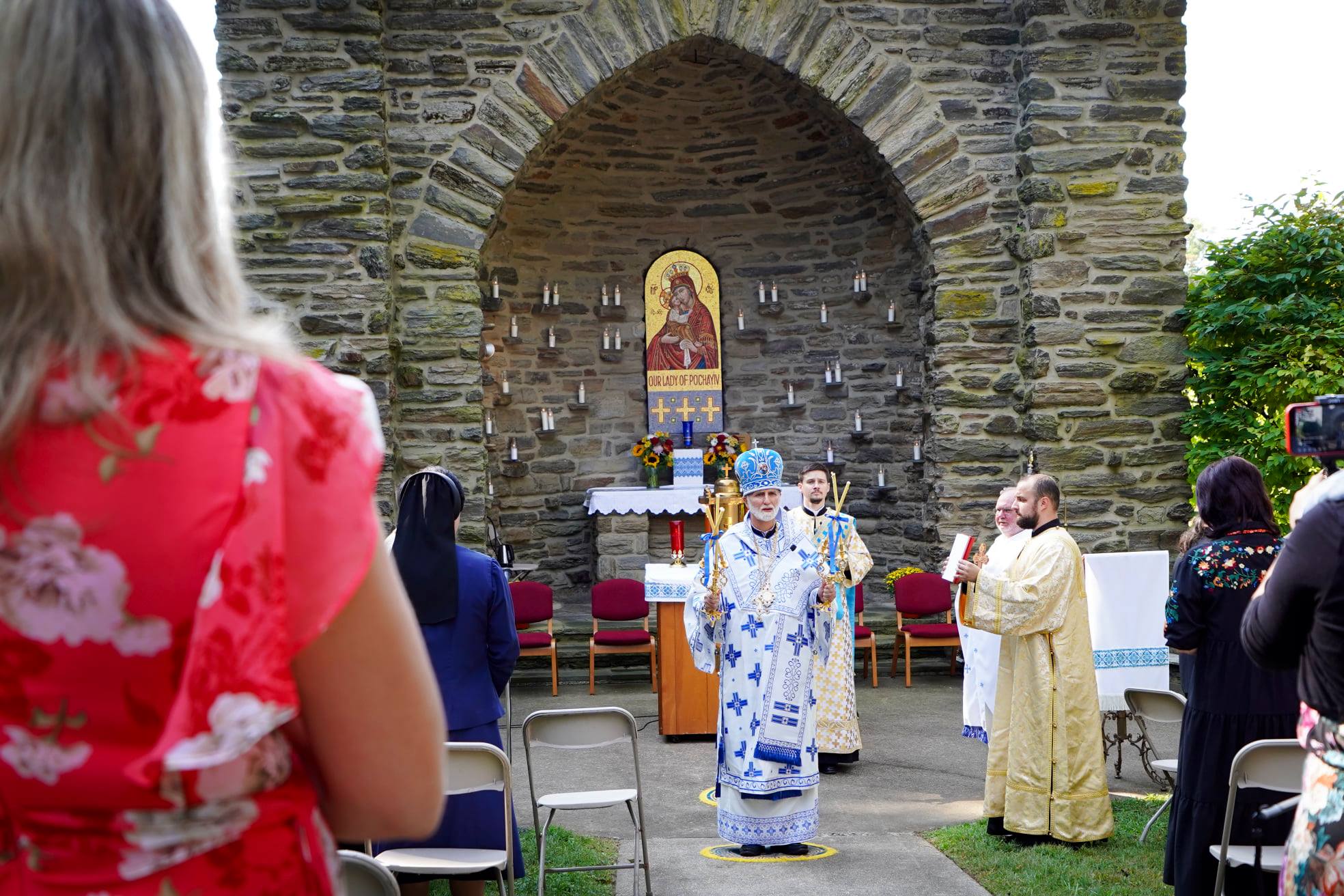
Over the decades, the pilgrimage program continued to develop. In addition to the Hierarchical Divine Liturgy, pilgrims had the opportunity to receive the Mystery of Reconciliation, participate in Molebens and the Anointing of the Sick, and take part in a variety of spiritual activities. Throughout the years, the pilgrimage has included youth and children’s programs, evening prayers at the grotto, the blessing of water, the Way of the Cross, the praying of the Rosary, meetings with bishops and clergy, spiritual conferences for adults, and special observances during Jubilee Years.

In later years, the pilgrimage was moved to the first Sunday of October to coincide with the Feast of the Protection of the Mother of God. In 2000, an icon of Our Lady of Pochayiv was blessed during the pilgrimage and replaced the statue of Our Lady of Lourdes in the grotto. The statue was later moved to a gazebo on the monastery grounds.

The Most Important Thing: Trust in the Mother of God

Sister Lidia Savka, OSBM, recalls that for many years the Sisters taught children in schools and sought to foster in them a special devotion to the Blessed Virgin Mary. “For children, their mother is the dearest person in the world, and Mary is the Mother of the Lord. We often had Marian sodalities and processions and taught children songs in honor of the Mother of God. Every year, during parish processions, we crowned Mary with a wreath of flowers. All of this helped cultivate in them a love for and devotion to the Mother of God,” Sister Lidia explains.

According to her, devotion to the Mother of God remains deeply rooted among Ukrainians both in Ukraine and in the United States. “From childhood, people learn to pray to the Mother of God because they know that she will protect and help them. We often see people coming to our grotto throughout the year. Whether it is raining, snowing, or storming, they come to pray. And when they leave, they seem calmer. You can sense that someone has listened to them, heard them, and will continue to guide them along the way.”

For many pilgrims, this experience of inner peace is the greatest gift of the pilgrimage. Its significance is perhaps even greater today, as the world continues to experience war, displacement, and uncertainty. “Today, when there is so little peace, when life is filled with stress and people do not know what to do, Mary becomes especially close to them. She, too, knew what it meant to journey, to flee into Egypt, and to leave her homeland behind. For many of our people, Mary serves as a connection between families here in the diaspora and their loved ones in Ukraine,” Sister Lidia shares.

For many families, participation in the pilgrimage has become a cherished tradition passed down from one generation to the next. Just as it was ninety-five years ago, so it remains today: a place where people can pause amid the busyness of life, open their hearts to God, and experience the maternal presence of the One who unfailingly leads all people to her Son.

By Halyna Vasylytsia

Related News

More News
In Rome, Halyna Vasylytsia Defended a Licentiate Thesis on Women in the Catholic Church and Synodality

#U.S.

#Vatican

#Archeparchy

In Rome, Halyna Vasylytsia Defended a Licentiate Thesis on Women in the Catholic Church and Synodality

Christ the King Church Under the Patronage of Our Lady of Zarvanytsia

#U.S.

#Ukraine

#Archeparchy

#Parishes

Christ the King Church Under the Patronage of Our Lady of Zarvanytsia

Clergy of the Ukrainian Catholic Archeparchy of Philadelphia Gather for Spring Conference

#U.S.

#Archeparchy

#Parishes

Clergy of the Ukrainian Catholic Archeparchy of Philadelphia Gather for Spring Conference

The Meaning of the Vyshyvanka: Stories Shared by Our Parishioners and Friends

#U.S.

#Ukraine

#Archeparchy

#Parishes

#Interview

The Meaning of the Vyshyvanka: Stories Shared by Our Parishioners and Friends