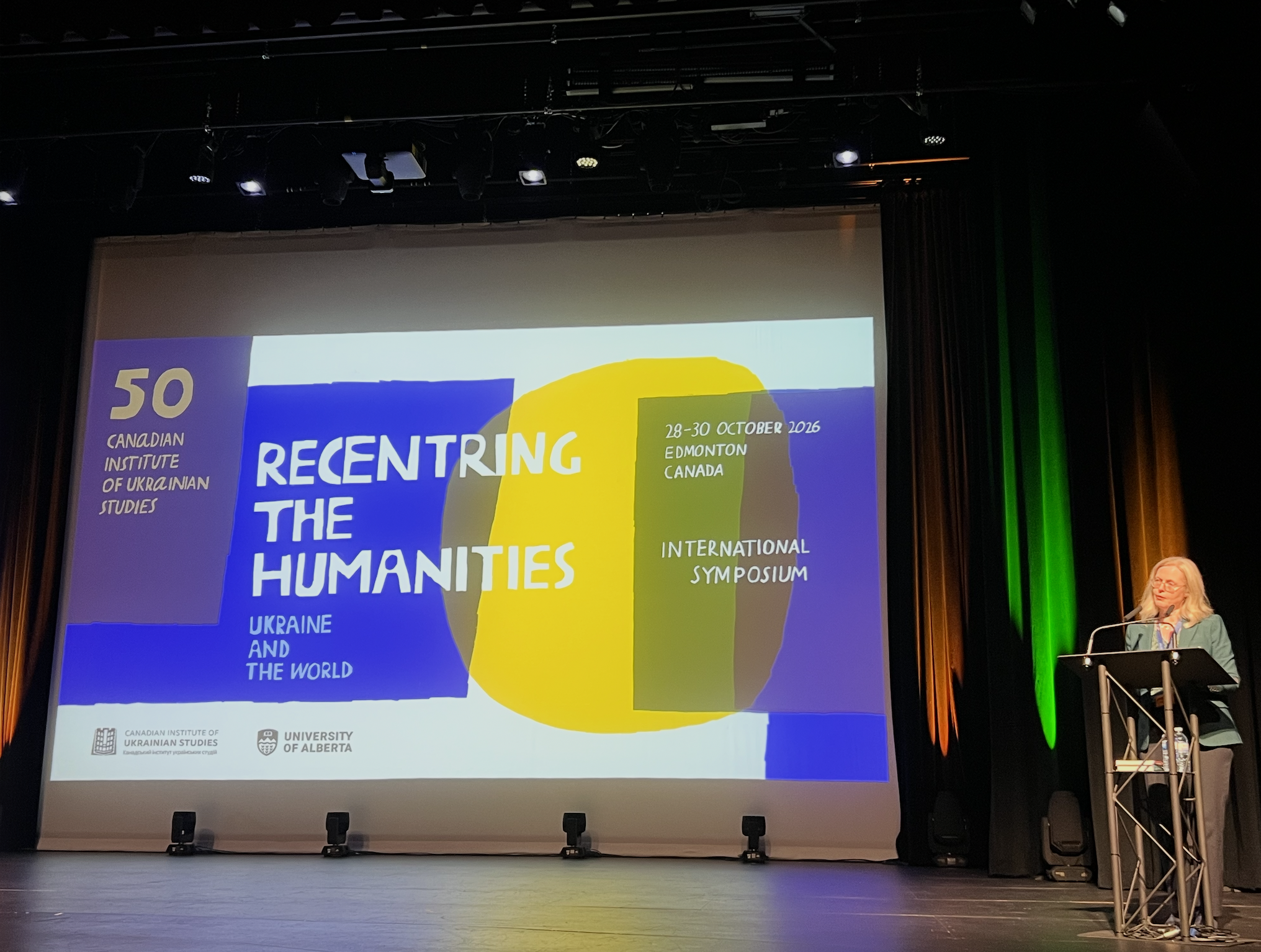
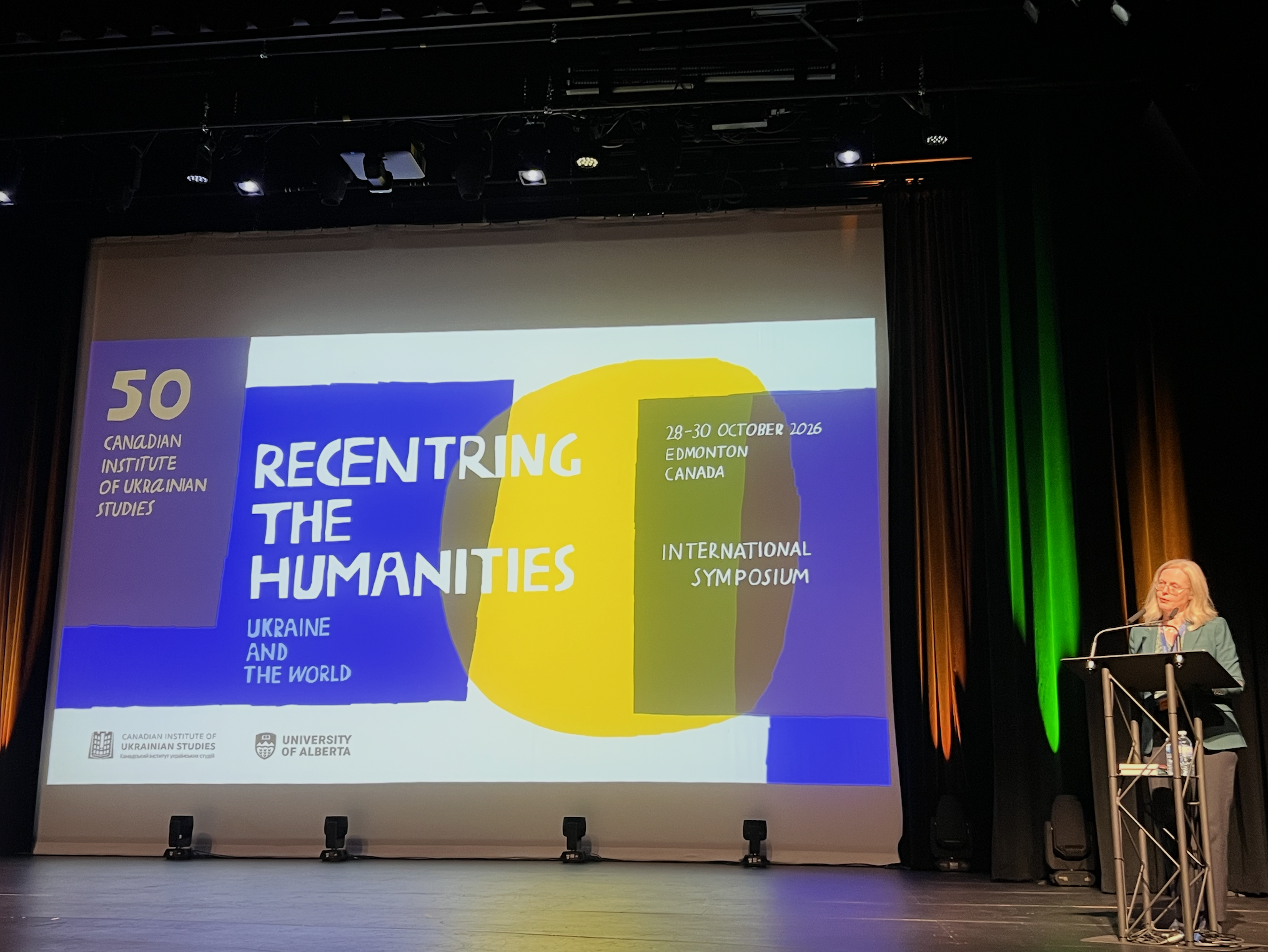
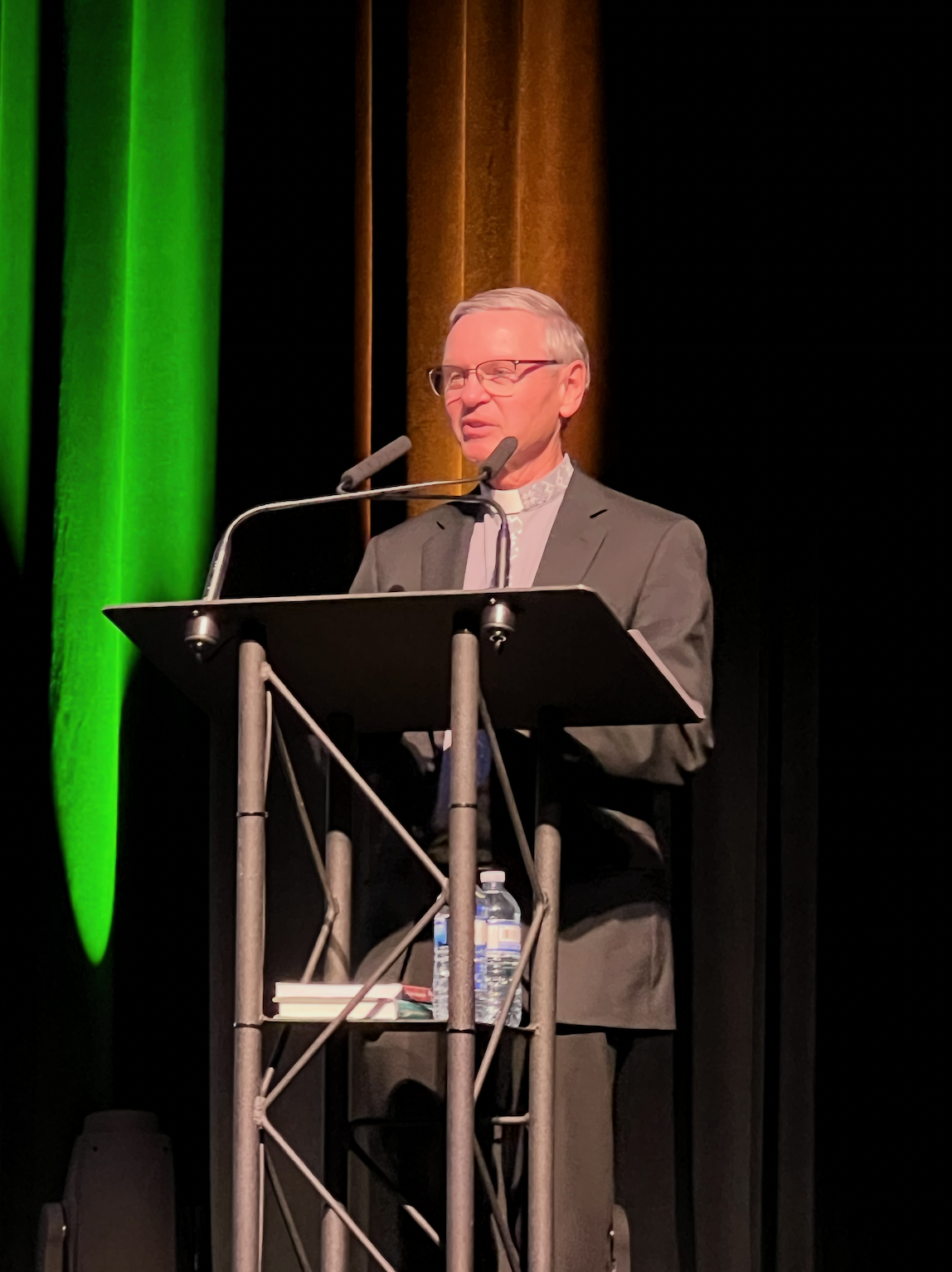
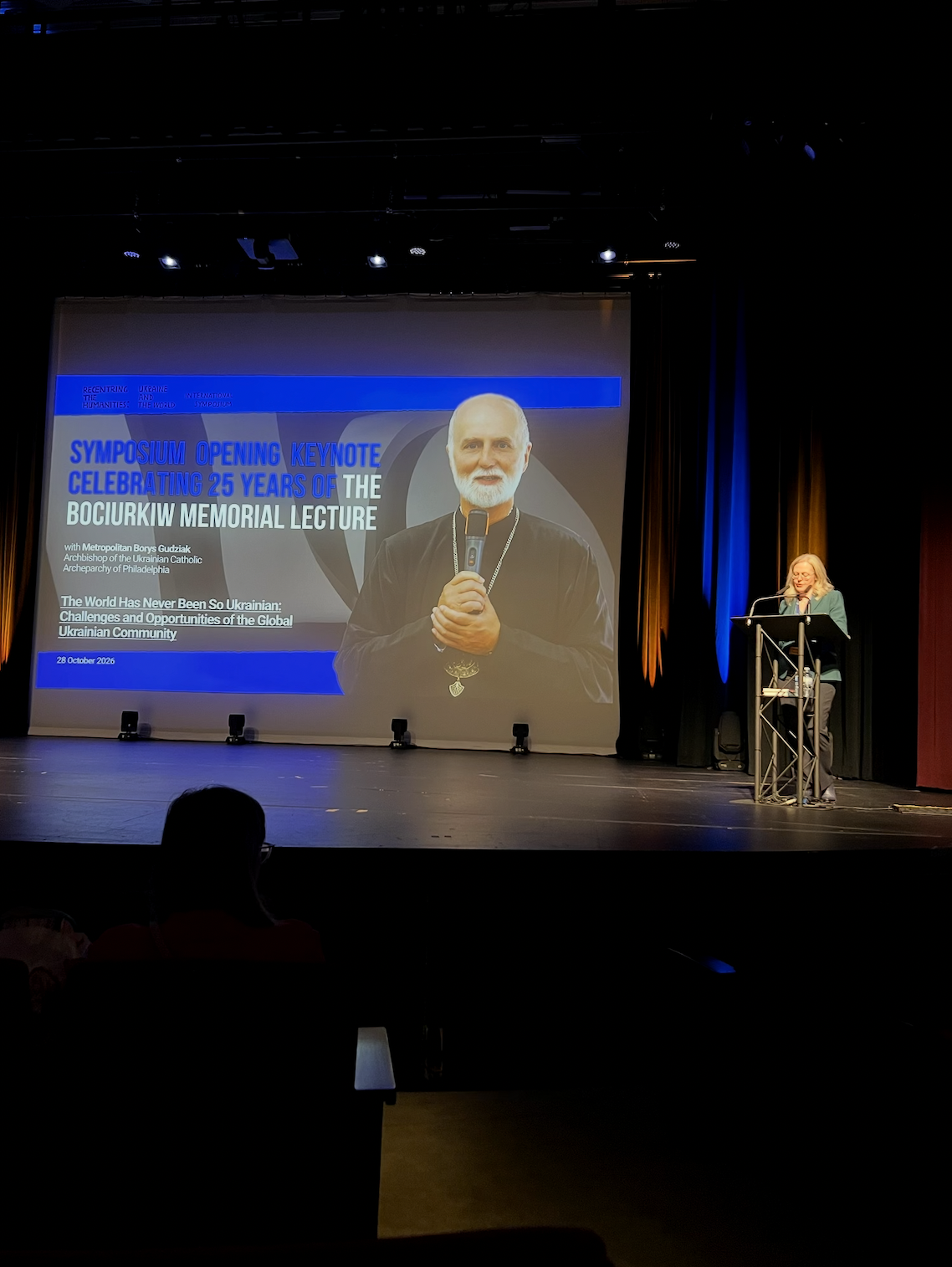
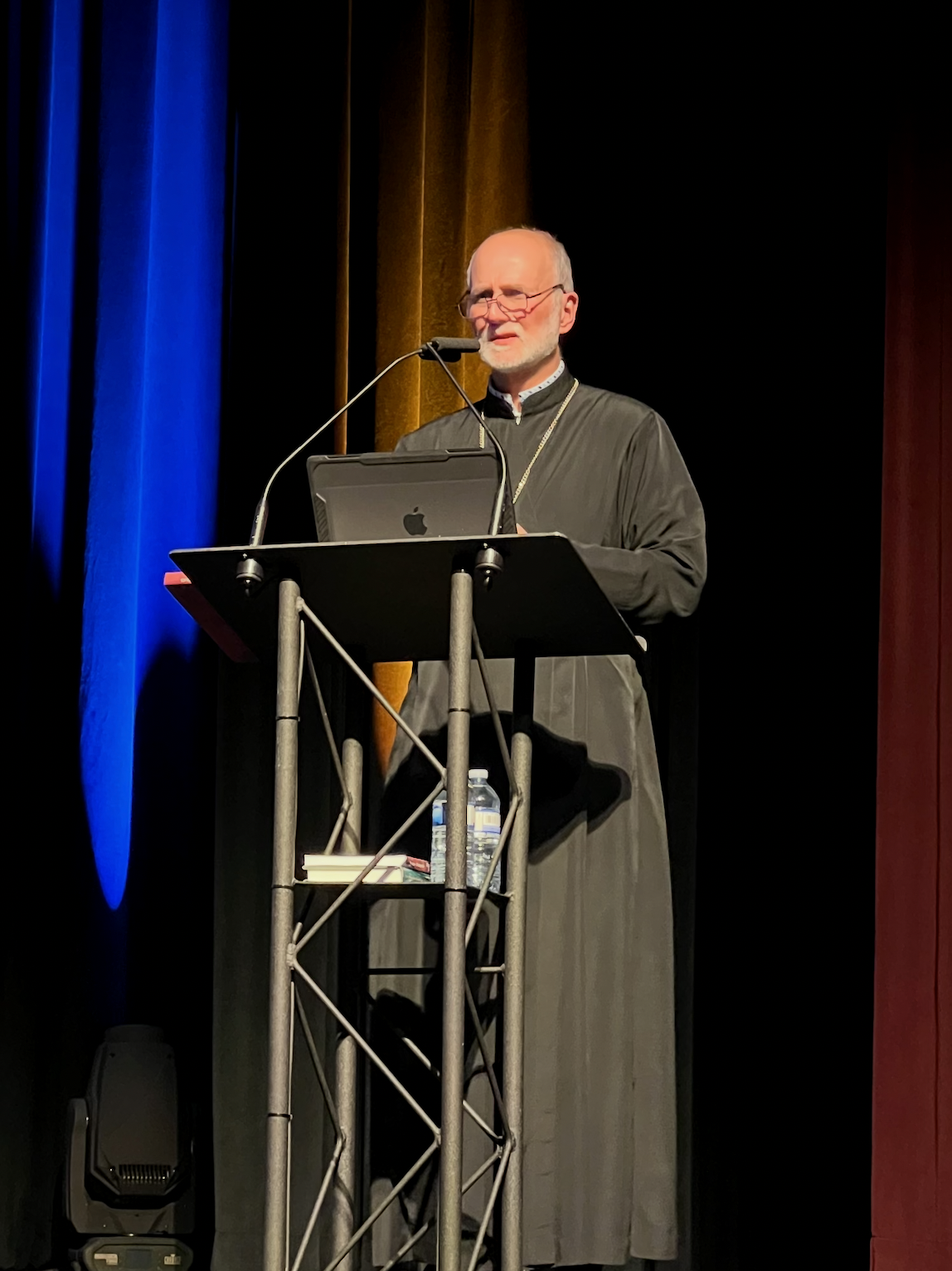
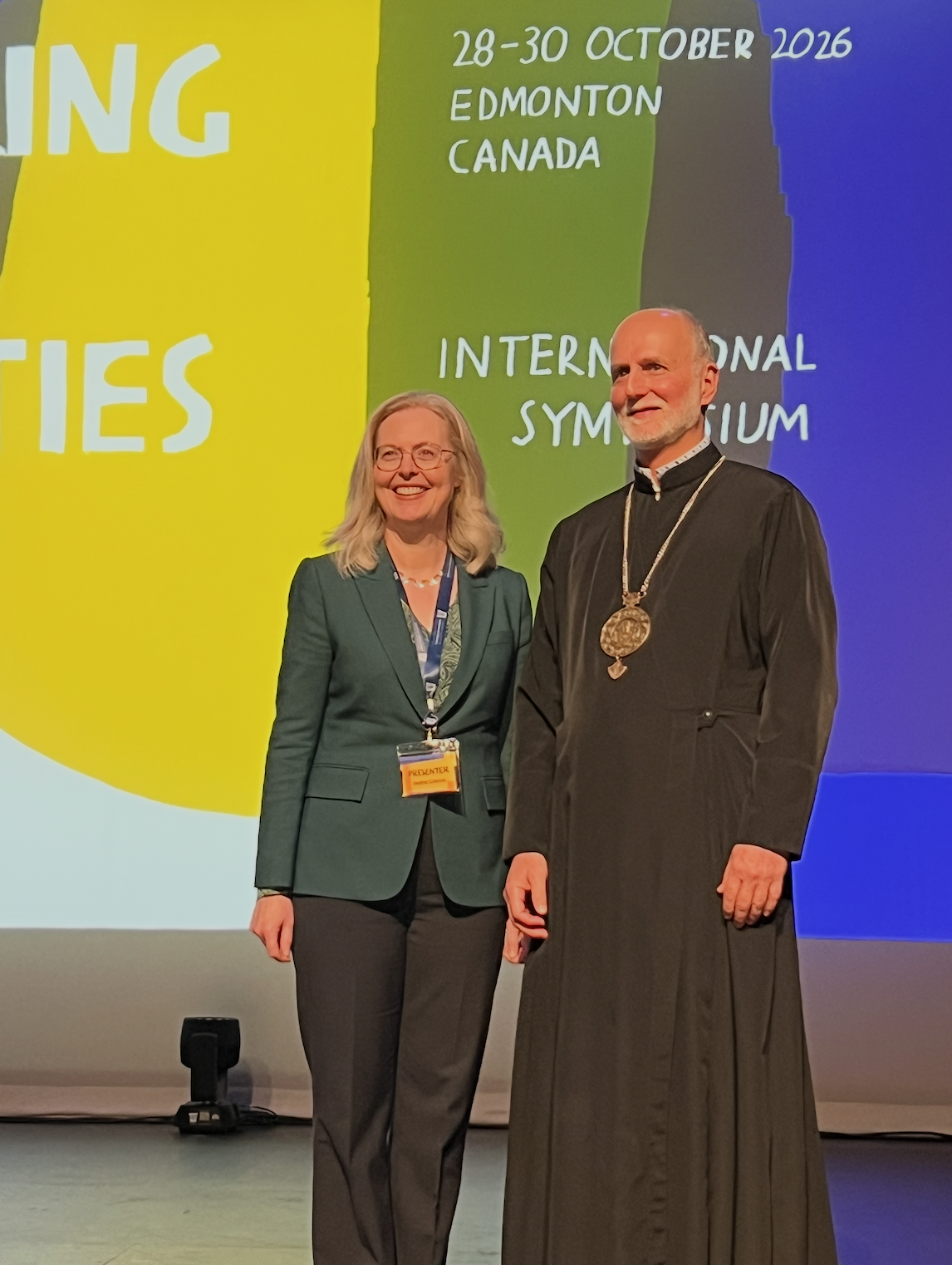
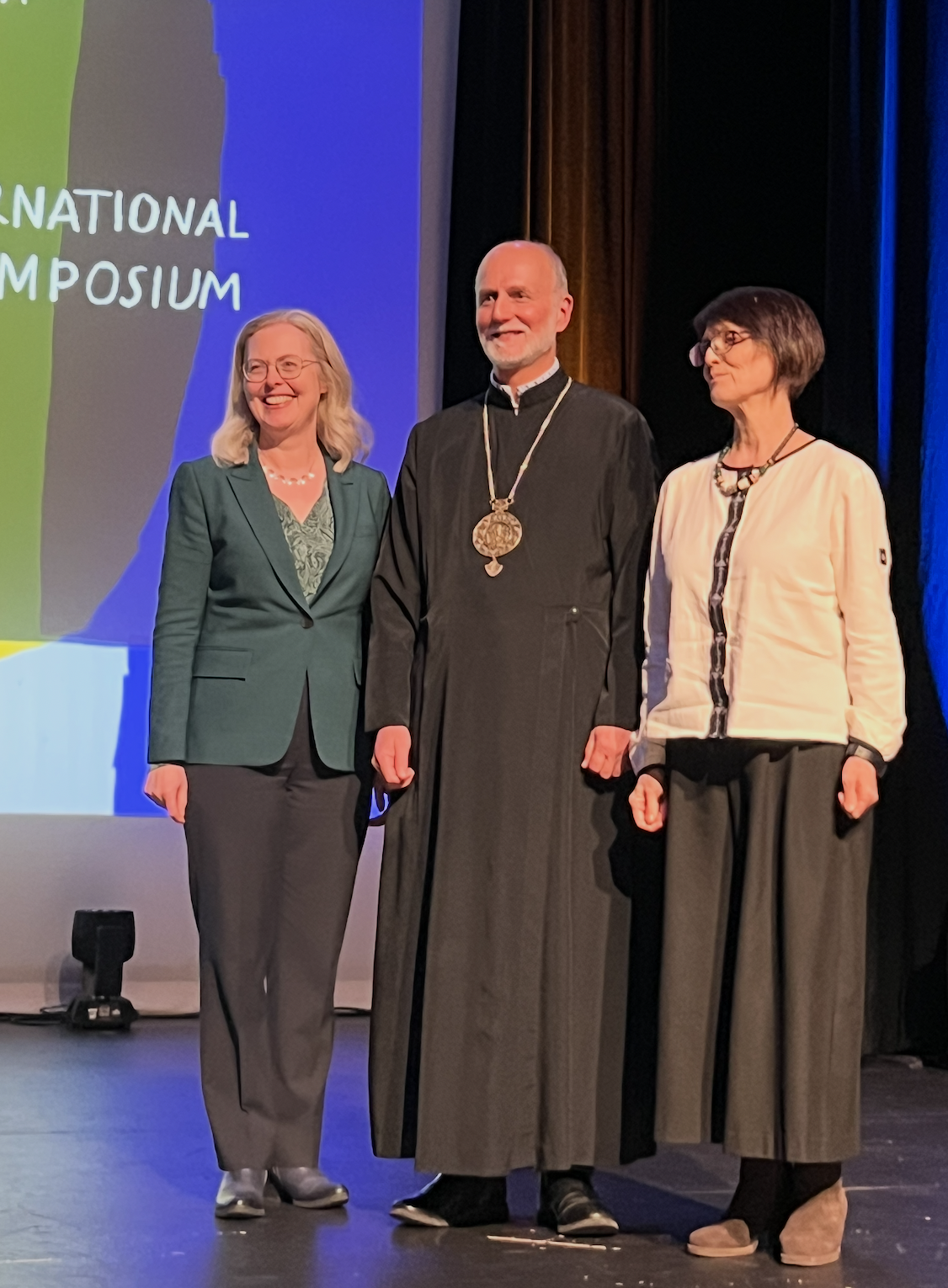
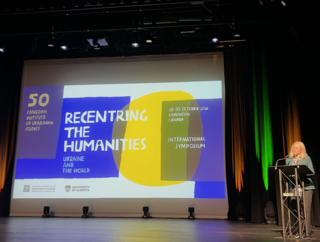
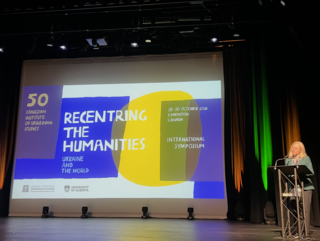
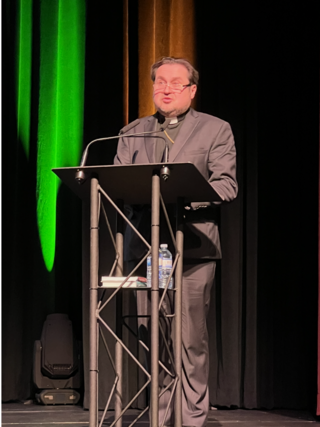
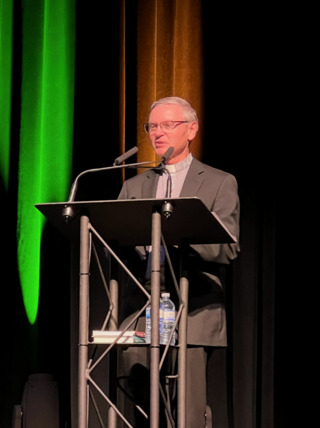
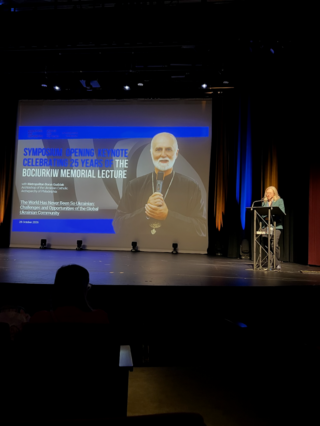
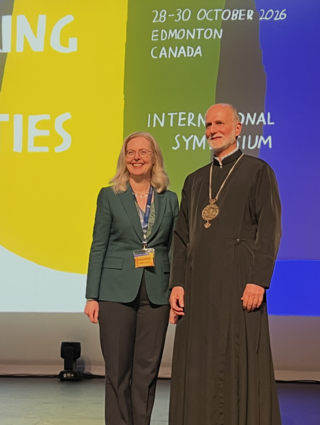
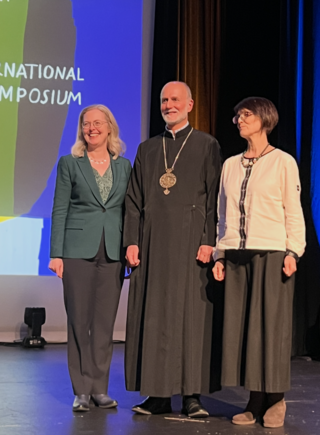
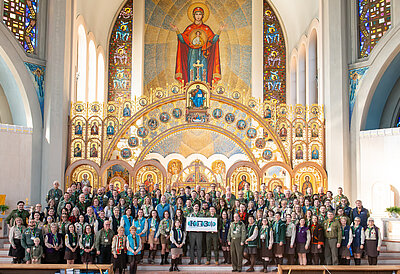
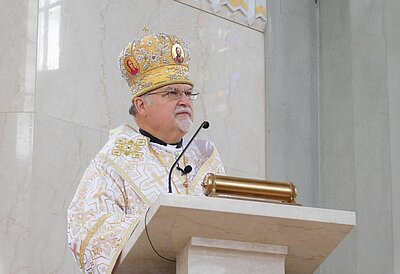
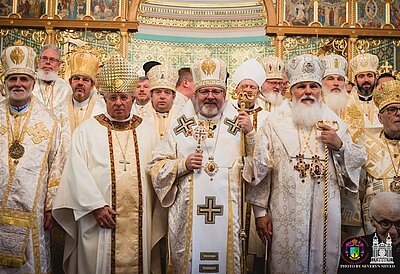
On October 28–30, 2026, Metropolitan Borys Gudziak, Archbishop of the Ukrainian Catholic Archeparchy of Philadelphia, participated in the international symposium "Recentring the Humanities: Ukraine and the World," held at the University of Alberta in Edmonton, Canada, to mark the 50th anniversary of the Canadian Institute of Ukrainian Studies (CIUS). Representatives of the Archeparchy also attended the symposium.
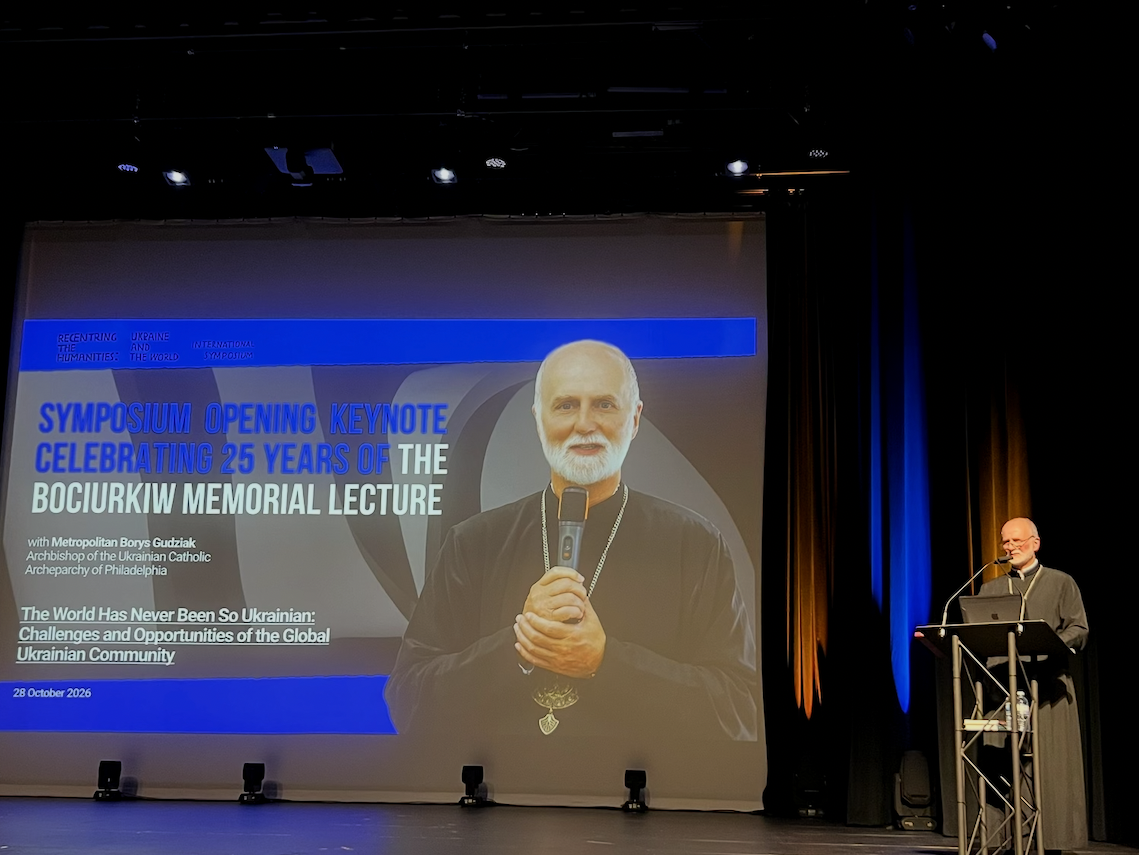
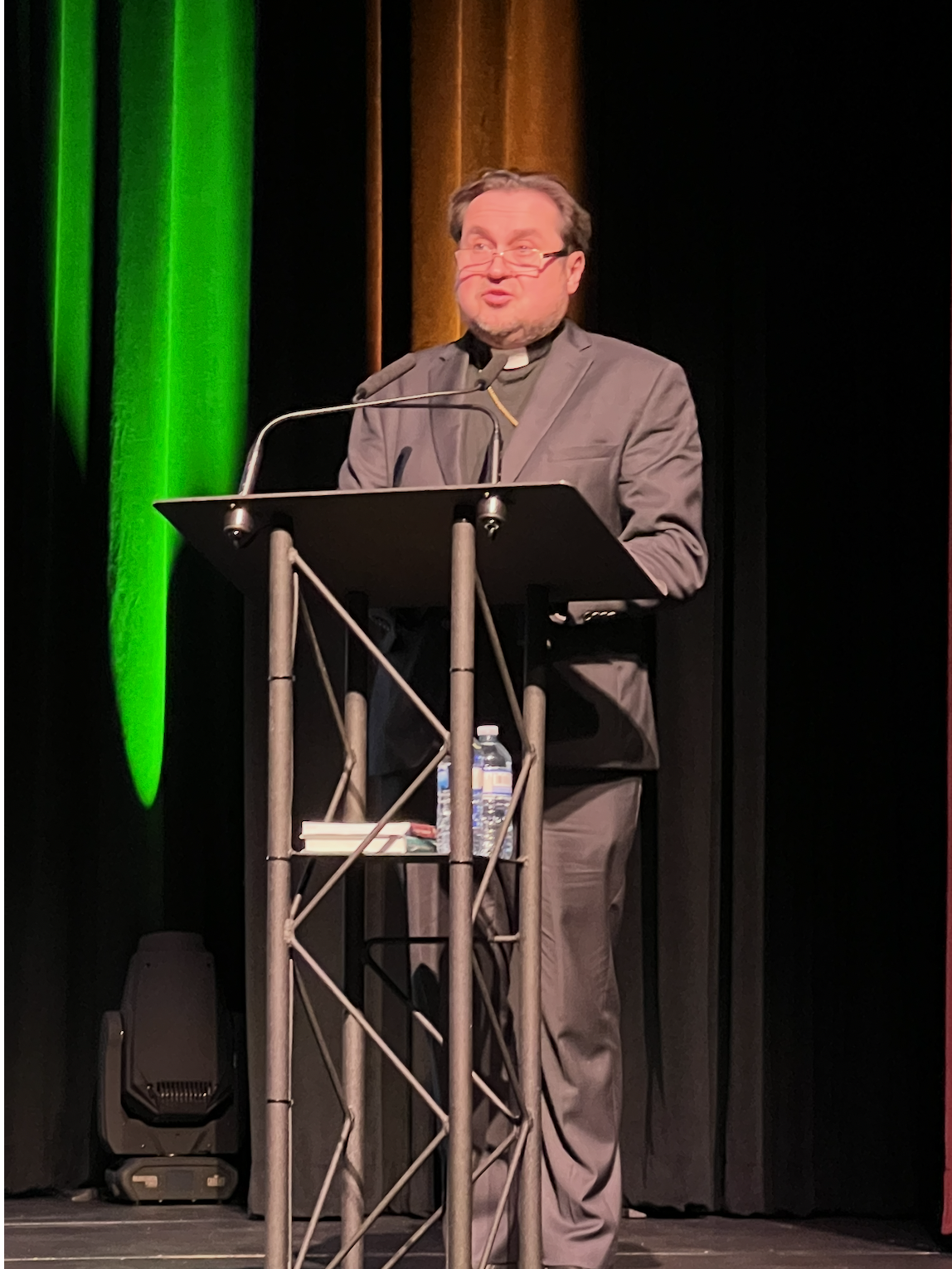
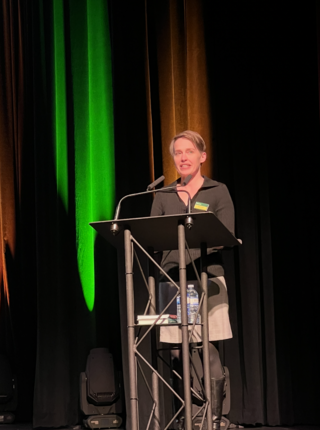
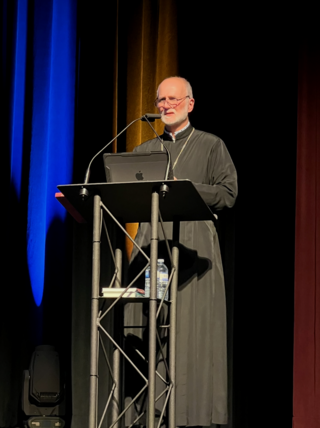
On October 28, Metropolitan Borys delivered the keynote address, "The World Has Never Been So Ukrainian: Challenges and Opportunities of the Global Ukrainian Community," as part of the 25th Bohdan Bociurkiw Memorial Lecture.
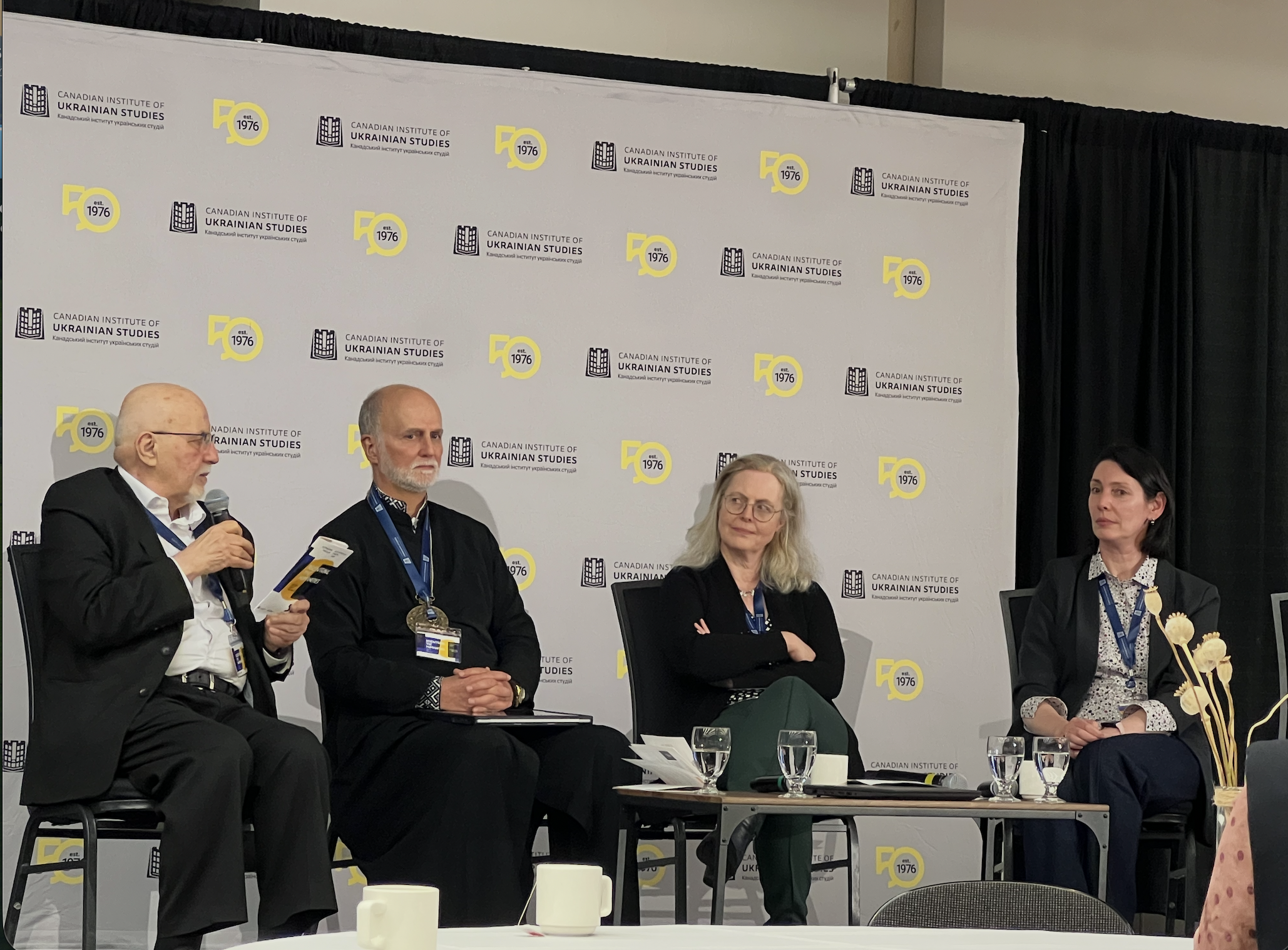
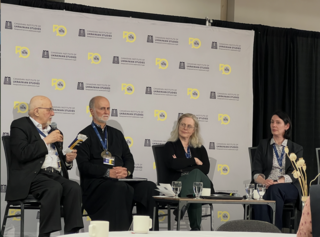
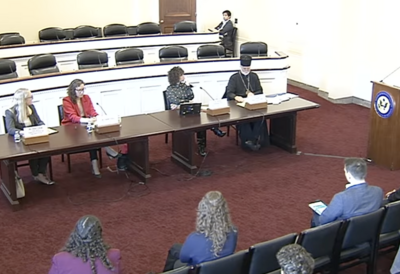
The following day, the Metropolitan participated in a panel discussion titled "Agency, Resilience, Dialogue: Religion in Times of Rupture." The discussion explored the impact of Russia's war against Ukraine on religious life, including increased religious participation in some communities and declining engagement in others, as well as the ways in which the war has tested people's faith. Reflecting on the response of the Ukrainian community, Metropolitan Borys stated, "The war galvanized our community."
In his keynote address, Archbishop Borys examined how Russia's war against Ukraine has transformed the country's international standing while forcing millions of Ukrainians from their homes. He reflected on the responsibilities of the global Ukrainian community, the legacy of earlier generations of emigrants and the role of religious, educational and cultural institutions in shaping its future.
"The world has never been so Ukrainian, and Ukrainians have never been so sprawling in their international presence, so disseminated and scattered," Metropolitan Borys said.
The Archbishop emphasized that Ukraine's resistance to Russian aggression has made the country an important force in global discussions about democracy, international law, religious liberty and human dignity. He described Ukraine's struggle as an example of a smaller nation standing against a powerful aggressor, offering hope to others facing similar threats.
A significant portion of the lecture was dedicated to Professor Bohdan Bociurkiw, one of the founders of the Canadian Institute of Ukrainian Studies and a distinguished scholar of Ukrainian church history and Soviet religious policy.
Metropolitan Borys recalled Bociurkiw's journey from postwar displacement to an academic career in Canada, where the scholar devoted much of his research to documenting religious persecution under Soviet rule. The Archbishop highlighted Bociurkiw's work on the Ukrainian Greek Catholic Church, including his use of previously classified Soviet archival materials made available through cooperation with the Institute of Church History in Lviv.
Drawing on Bociurkiw's legacy, the Metropolitan explained that earlier generations of Ukrainians abroad established institutions to preserve scholarship, culture and religious traditions that could not develop freely under Soviet rule. Today, however, the relationship between Ukraine and its communities abroad requires a different approach.
"Today, Ukraine does not need a substitute, international surrogate or proxy. It needs partners," Archbishop Borys stated.
The Metropolitan emphasized that the global Ukrainian community encompasses Ukrainians living in their homeland, the historic diaspora and those displaced by the ongoing war. He encouraged a broader understanding of belonging that extends beyond geography, language and the circumstances of migration.
"What holds us is a shared sense of human dignity, carried by communities of faith, by a shared memory, a common service, and the courage to build where we are, while staying close to home," he said.
Archbishop Borys noted that while language and cultural traditions remain important, they cannot alone sustain connections across generations. Shared stories, historical memory and educational institutions also play a vital role, particularly as younger Ukrainians grow up in different cultural environments.
The Metropolitan also reflected on the historic contribution of Ukrainian churches to community life in North America. Recalling the establishment of the first Ukrainian Greek Catholic parishes in the United States, including the early community in Shenandoah, Pennsylvania, he described how parishes developed into centers of worship, education, cultural preservation and mutual assistance.
"From Shenandoah to Edmonton, our parishes were not only places of prayer; they were school halls and shelters. In a foreign land, the church was the way a scattered people became a community again," Archbishop Borys noted.
Turning to contemporary pastoral challenges, the Metropolitan observed that many Ukrainians who arrived in the United States following the full-scale invasion have not established regular connections with churches or Ukrainian community organizations. He called for new approaches to pastoral ministry that respond directly to the needs of displaced families. "They don't come to the church. The church must go to them. Mobile, flexible, present—a church in a backpack," Metropolitan Borys said.
The Archbishop also addressed tensions between different generations of emigrants and misunderstandings between Ukrainians who remained in their homeland and those who left. He encouraged humility, hospitality and mutual respect, emphasizing the importance of dialogue and reconciliation.
Looking toward the future, Metropolitan Borys called for stronger connections through education, information and culture. He encouraged Ukrainians to move beyond nostalgia and the memory of past suffering, focusing instead on what they can build and contribute to society.
Concluding his address, the Archbishop stressed that the future of the global Ukrainian community depends on a conscious commitment to maintaining relationships and working together. "The world has never been so Ukrainian. Whether it stays so, and whether Ukrainians stay as a people within this world, it's not a fate or a destiny. It is a decision. Let us renew it. God bless you all."
The symposium, held during the Canadian Institute of Ukrainian Studies' 50th anniversary year, provided an opportunity to reflect on Ukraine's place in the world and the contributions of Ukrainian scholarship to international academic and public discourse.