At the end of April, part of the team of the Ukrainian Maritime Apostleship — National Director Rev. Oleksandr Smerechynskyi and Program Director of the Ukrainian office Eugene Barsukov — undertook a working visit to the United States. The visit had a strategic character and combined participation in a global environmental dialogue, a series of strategic meetings with Church and institutional partners, and the exploration of opportunities to expand ministry among Ukrainian seafarers abroad.
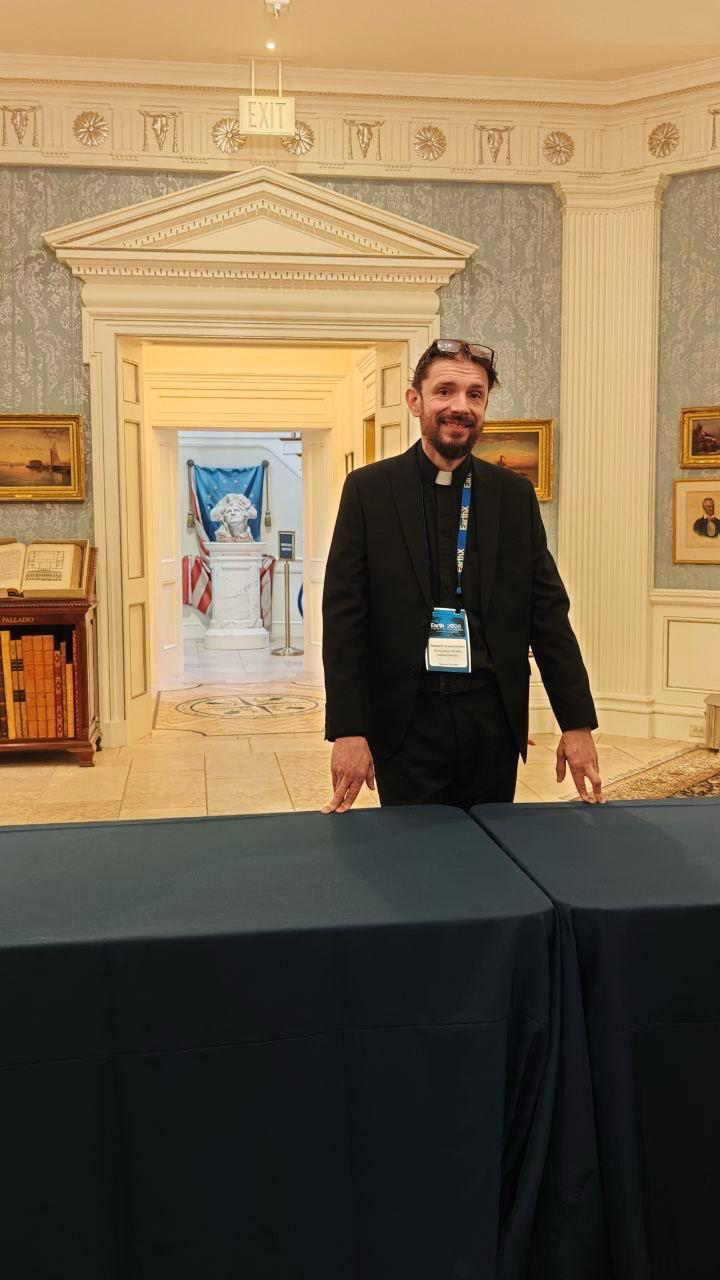
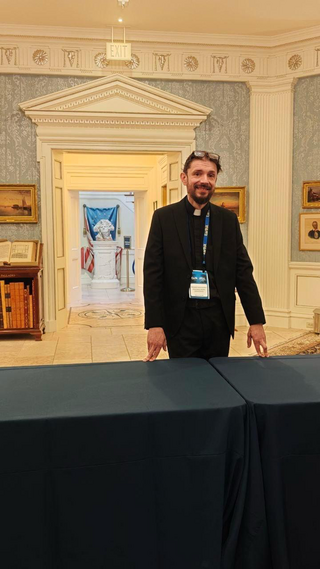
The first stage of the visit was participation in the international EarthX Congress in Dallas — one of the leading global platforms bringing together governments, businesses, and marine and scientific communities around issues of sustainable development, climate, and the future of the oceans. Within this platform, the Ukrainian delegation raised the issue of Black Sea security, the humanitarian situation of maritime communities, and the impact of the war on marine ecosystems. In effect, the delegation sought to bring the Ukrainian experience into the global agenda, where it had previously been underrepresented.
The Maritime Apostleship, known worldwide as Stella Maris, is a global Catholic mission active in dozens of countries, providing spiritual, social, and humanitarian support to seafarers. Its ministry includes work with seafarers in ports, support for their families, response to crisis situations, and the integration of maritime communities into broader humanitarian programs. In the Ukrainian context, this mission has taken on particular importance because of the full-scale war.
Today, Ukraine’s coastal communities remain under constant pressure. Shelling of coastal areas, mined waters, destruction of port infrastructure, and the degradation of marine ecosystems have created a complex crisis with both security and socio-economic dimensions. Many people have lost the ability to go to sea and continue traditional economic activities, including fishing. Under these conditions, the Maritime Apostleship provides rapid response in ports, supports the families of seafarers killed in the Black Sea, and accompanies maritime communities that remain connected to the sea as a source of life and livelihood.
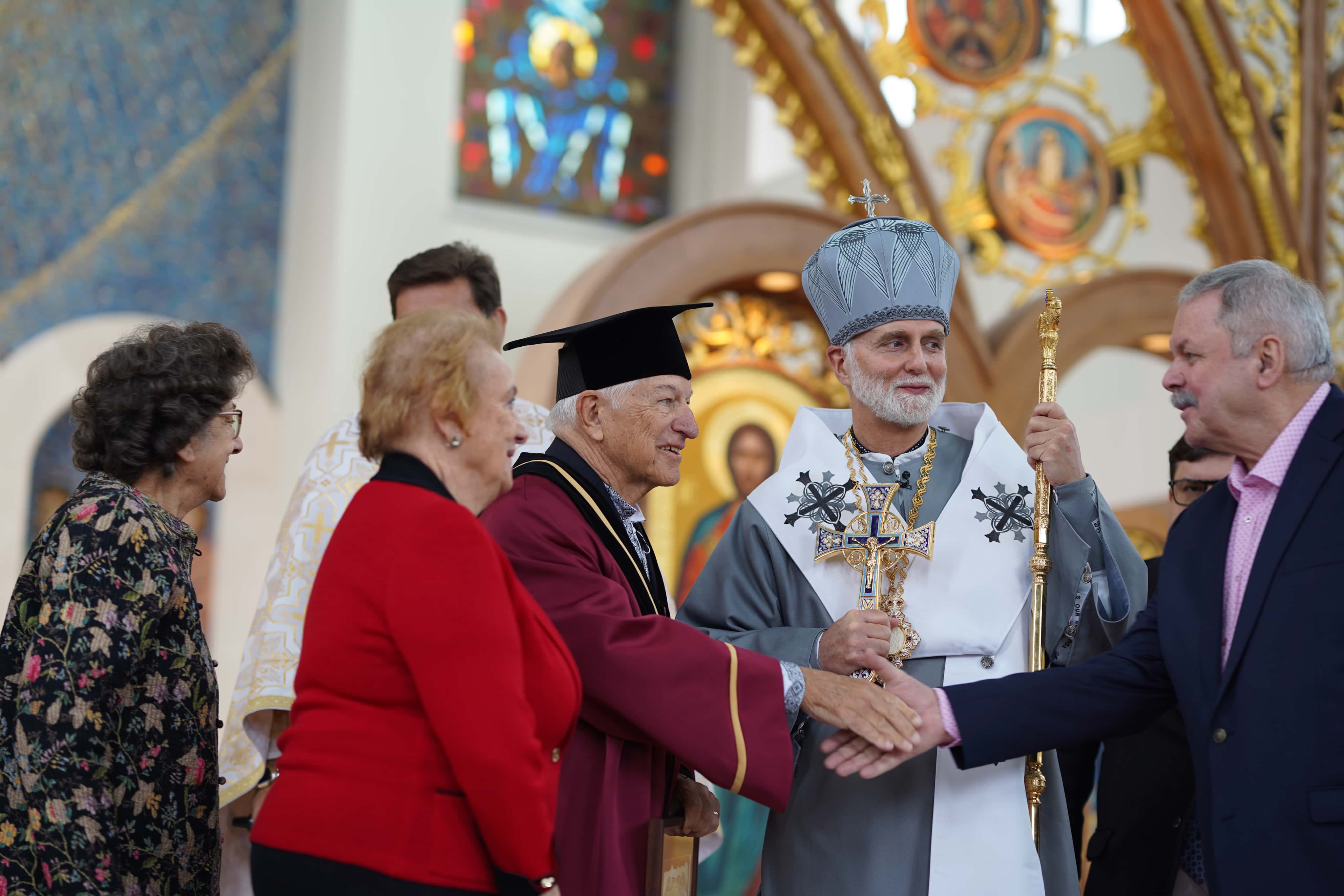
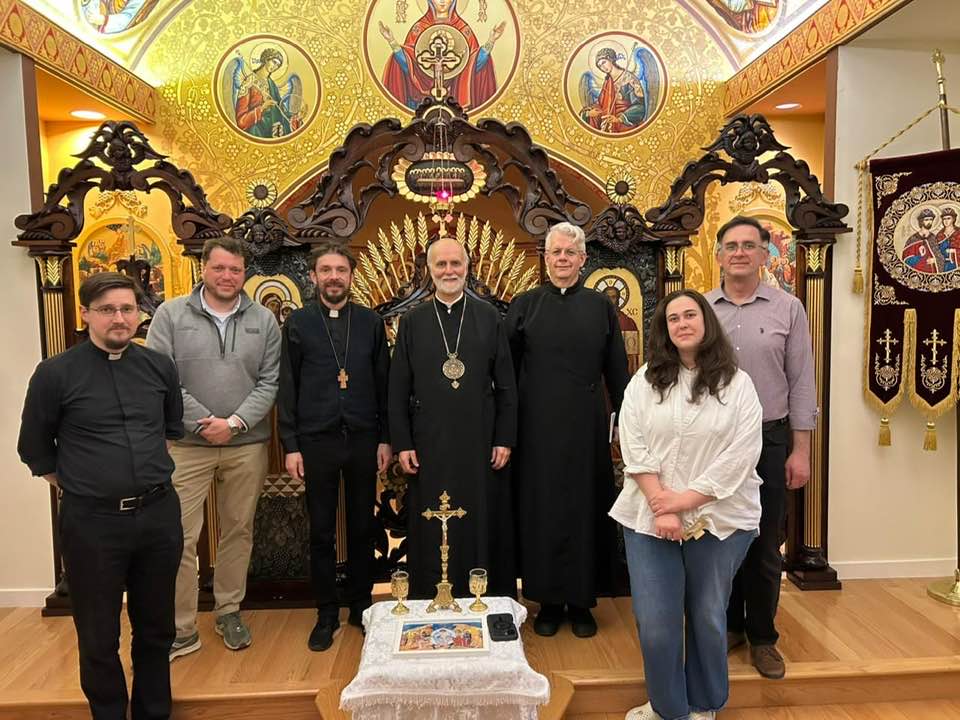
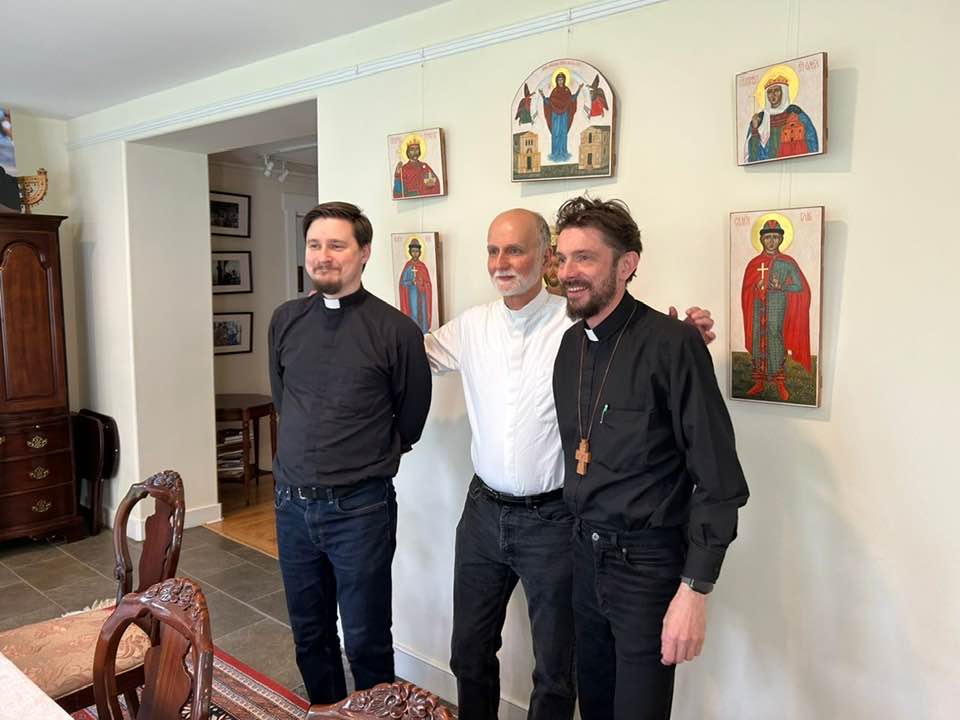
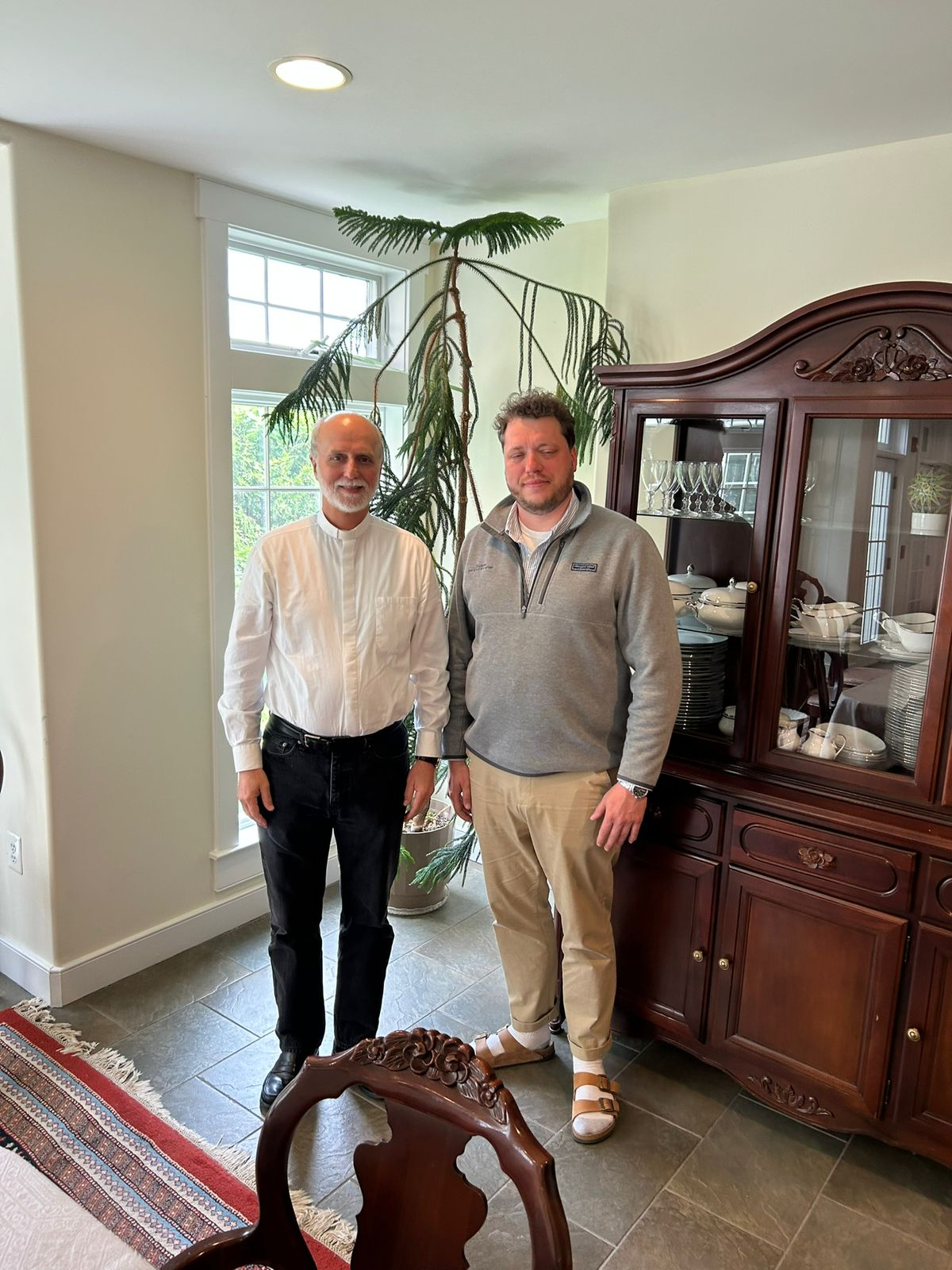
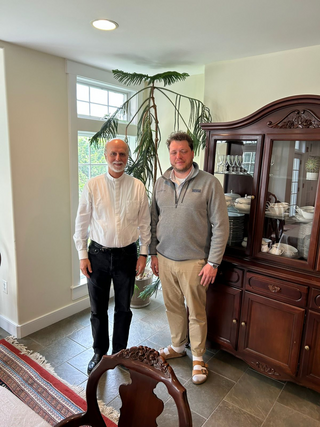
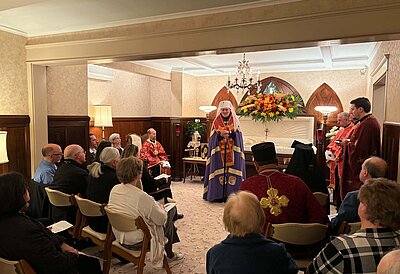
During the visit, several important meetings took place with leaders of the Ukrainian Greek Catholic Church (UGCC) in the United States, including Metropolitan Archbishop Borys Gudziak; bishop-promoter of the Maritime Apostleship of the UGCC, Bishop Paul Chomnycky, who is responsible for the development of Stella Maris within the structure of the Church; as well as maritime chaplain Rev. Paul Makar. These contacts form the foundation for coordinating ministry among Ukrainian seafarers in the United States and strengthening the institutional presence of the Apostleship.
Another important direction of the visit involved meetings with maritime institutions. The delegation held discussions with the Seamen’s Church Institute — one of the leading organizations supporting seafarers in the United States, with significant influence on policies related to safety and welfare in the maritime sector. The delegation also engaged with the State University of New York Maritime College, an important educational and expert center in the maritime industry. These contacts open opportunities for institutional partnerships, joint programs, and the involvement of American expertise in the Ukrainian maritime context.
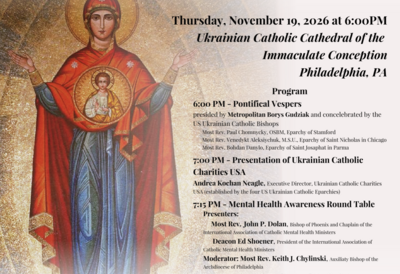
The next part of the visit focused on work along the East Coast of the United States, particularly in Stamford and Philadelphia — regions with developed port infrastructure and a significant presence of Ukrainian seafarers. According to informal estimates, Ukrainians make up a substantial portion of crews on commercial vessels entering U.S. ports, creating a natural foundation for the development of ministry and support networks.
Overall, the visit carries strategic importance and lays the groundwork for the next stage: expanding the activities of the Maritime Apostleship in North America, launching Ukrainian-American initiatives in the maritime sector, and promoting the issue of the Black Sea as a distinct focus within global maritime and environmental policy. A key challenge remains the transition from humanitarian response to a structured institutional presence capable of influencing international decisions, building long-term partnerships, and providing sustained support to Ukrainian seafarers and coastal communities.