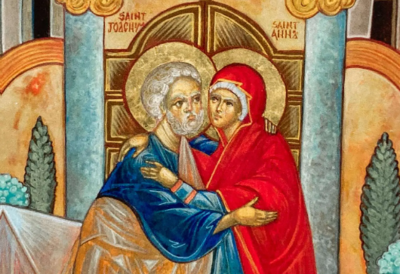
On April 24, 1646, sixty-three priests of the Mukachevo eparchy gathered at Uzhhorod Castle and entered into communion with the Holy See while preserving the Byzantine rite and traditions of the Eastern Church. Although only a small portion of the clergy participated, the Union of Uzhhorod marked the beginning of a process that would shape the religious history of Transcarpathia and become the foundation of several Eastern Catholic Churches in Central Europe and North America.
The story of the Union of Uzhhorod begins during one of the most significant periods of religious change in European history. During the sixteenth century, the Protestant Reformation challenged the authority and teachings of the Catholic Church throughout Europe. In response, the Catholic Church undertook a period of renewal known as the Catholic Reformation or Counter-Reformation. Within this changing religious landscape, many Eastern Christian communities sought to preserve their Byzantine traditions while restoring communion with the Bishop of Rome.
The first major step occurred in 1596, when the bishops of the Kyivan Metropolitanate entered into communion with Rome through the Union of Brest. While recognizing the authority of the Pope, they retained their Byzantine liturgy, spirituality, ecclesiastical traditions, and married priesthood. The Union of Brest became the model for similar developments among Eastern Christians living in neighboring lands.
Fifty years later, this movement reached Transcarpathia. On April 24, 1646, sixty-three Orthodox priests of the Mukachevo eparchy gathered at Uzhhorod Castle in the presence of Bishop György Jakusics of Eger. There they professed communion with the Holy See while preserving the Eastern (Byzantine) rite. The agreement also safeguarded the right of the Mukachevo eparchy to elect its own bishop, subject to papal confirmation, and granted its clergy the same rights and privileges enjoyed by Roman Catholic priests.
At the time, the sixty-three priests represented only about ten percent of the clergy of the Mukachevo eparchy. They came primarily from the region around Uzhhorod, where the local Hungarian nobility supported closer cooperation with the Catholic Church. The Union therefore did not immediately include the entire eparchy.
Instead, the Union of Uzhhorod marked the beginning of a gradual process. Over the following decades, more clergy and parishes entered into communion with Rome, and by 1721 the Union had been accepted throughout the Mukachevo eparchy. The Church remained fully Byzantine in its liturgy, spirituality, and traditions while living in full communion with the Holy See.
The significance of the Union of Uzhhorod extended far beyond Transcarpathia. It became the spiritual foundation of the Greek Catholic communities that later developed in present-day Ukraine, Slovakia, Hungary, Croatia, and, through later migration, North America. The Mukachevo eparchy itself later gave rise to the Prešov Eparchy in 1818 and the Hajdúdorog Eparchy in 1912, while the Byzantine Catholic Metropolitan Church of Pittsburgh traces its spiritual heritage to the clergy and faithful of the Mukachevo tradition.
For nearly three centuries, the Church established through the Union of Uzhhorod continued to grow despite changing political circumstances. However, the conclusion of the Second World War brought Transcarpathia under Soviet rule. The communist government promoted militant atheism and regarded the Greek Catholic Church with particular suspicion because of its communion with Rome. Following the Soviet-orchestrated Lviv Pseudo-Council in 1946, which attempted to abolish the Ukrainian Greek Catholic Church, the authorities turned their attention to the Mukachevo eparchy.
In 1949, the Soviet government officially declared the Greek Catholic Church in Transcarpathia abolished. Churches were transferred to the Russian Orthodox Church, monasteries were closed, clergy who refused to renounce communion with Rome were arrested, imprisoned, or deported, and many faithful were forced to practice their faith in secret. Yet the Church endured. Bishops secretly ordained priests, the Divine Liturgy continued to be celebrated in homes and hidden chapels, and generations of faithful preserved their Byzantine Catholic identity despite decades of persecution.
When religious freedom returned in 1989, the Greek Catholic Church emerged from the underground. The Union of Uzhhorod had survived not merely as a historical agreement but as a living tradition carried forward through centuries of faith, sacrifice, and perseverance. More than three hundred and seventy-five years after sixty-three priests gathered at Uzhhorod Castle, their witness continues to shape the identity of Eastern Catholics throughout the world.
Key:
1596 — The Union of Brest establishes communion between the Kyivan Metropolitanate and the Holy See while preserving the Byzantine tradition.
April 24, 1646 — Sixty-three priests of the Mukachevo eparchy proclaim the Union of Uzhhorod.
1721 — The Union of Uzhhorod is accepted throughout the Mukachevo eparchy.
1818 — The Prešov Eparchy is established from the Mukachevo tradition.
1912 — The Hajdúdorog Eparchy is established in Hungary.
1946 — The Soviet-sponsored Lviv Pseudo-Council attempts to abolish the Ukrainian Greek Catholic Church.
1949 — The Soviet authorities liquidate the Greek Catholic Church in Transcarpathia.
1989 — The Greek Catholic Church emerges from the underground and begins its legal restoration.
Key Terms:
Union of Brest (1596) – The agreement through which the bishops of the Kyivan Metropolitanate entered into communion with Rome while preserving the Byzantine liturgical and spiritual tradition.
Union of Uzhhorod (1646) – The act by which sixty-three priests of the Mukachevo eparchy entered into communion with the Holy See while preserving the Byzantine rite, laying the foundation for several Eastern Catholic Churches.
Mukachevo Eparchy – A Byzantine Catholic eparchy centered in Transcarpathia with a distinct historical development and spiritual heritage.
Byzantine Rite – The liturgical, theological, and spiritual tradition of the Eastern Christian Churches.
Communion with Rome – Full unity with the Pope while preserving the traditions, liturgy, spirituality, and governance of an Eastern Church.
Catholic Reformation (Counter-Reformation) – The period of renewal within the Catholic Church in response to the Protestant Reformation.
Lviv Pseudo-Council (1946) – A Soviet-orchestrated assembly that illegally declared the Ukrainian Greek Catholic Church dissolved and forcibly incorporated it into the Russian Orthodox Church.
Underground Church – The clandestine existence of the Greek Catholic Church during the Soviet period, when bishops, clergy, and faithful continued their religious life in secret despite persecution.
#BorysGudziak #history #ugcc_history