“I Won’t Leave Religious Life Just Because It’s Hard”: Sister Yosafata on Remaining Faithful to Her Vocation

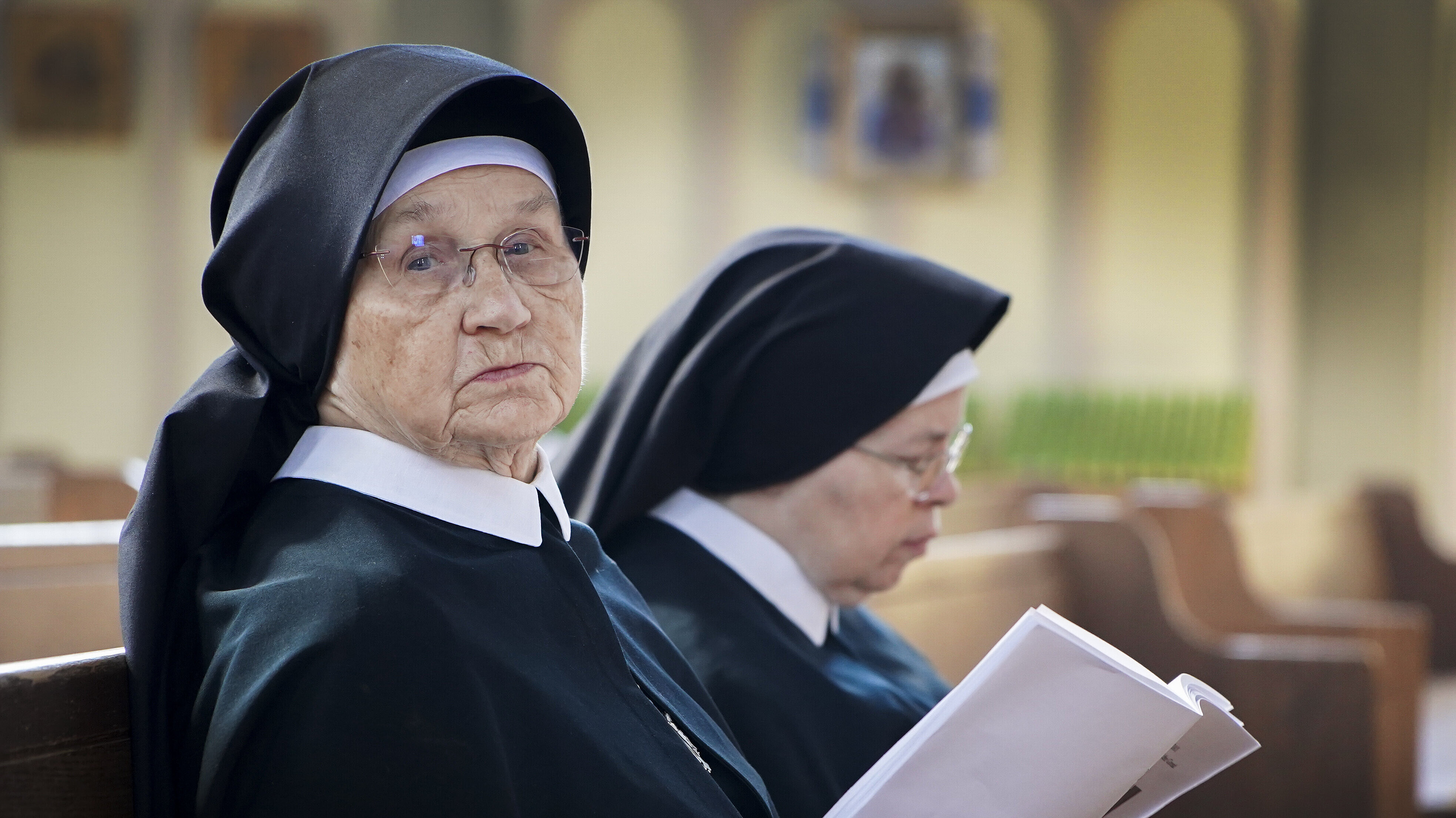
The central theme of the 2026 Synod of Bishops of the Ukrainian Greek Catholic Church is “The Pastoral Care of Vocations to the Priesthood and Religious Life.” Continuing our series of conversations on vocations, we speak with Sister Yosafata of the Missionary Sisters of the Mother of God.

Sister Yosafata was born to Ukrainian immigrant parents in Brazil. She lost both parents at an early age and dreamed of becoming a doctor, but her life took a very different path. She eventually came to the United States, where she devoted decades to religious life, including 55 years working with children at Assumption Catholic School in Perth Amboy, New Jersey. What helped her remain faithful to her vocation through times of doubt? Why does she believe that religious life cannot exist without sacrifice? And what words have guided her throughout her life?

Sister Yosafata, you were born into a family of Ukrainian immigrants in Brazil. What stands out most from your childhood, and how did those experiences shape your life?

My parents came from Ukraine. They arrived in Brazil sometime around 1908 and settled in the state of Paraná, where they had a farm and worked the land. That's where I was born. I was very sick when I was born, and they thought I was going to die. My father was prepared for the worst, so he baptized me himself. But with God's help, I survived. Whenever my father came home from work, the first thing we did was pray together. He died when I was only two years old. My mother was a very devout woman. She was ill and spent much of her time sitting on the porch, praying the rosary and singing Ukrainian religious songs. I would sit with her, and I loved being there. I used to bring her flowers, and she would thank me and tell me stories about her childhood in Ukraine.

I think that's where my deep devotion to the Holy Family began. I had an icon of the Holy Family in my bedroom, and in a way, I came to depend on them as my own family because, not long afterward, my family was no longer what it had been. My mother died when I was seven. After that, I lived with my older sister, who was only ten years older than I was. I was seven, and she was seventeen. She was a very devout young woman, and we got along very well. She continued the influence my mother had on me.

Of course, at that age, I didn't really understand what a vocation was. But prayer and the religious life I grew up with always drew me toward dedicating myself to something. I wanted to do something useful with my life. I dreamed of becoming a doctor (smiles). But that wasn't possible because I couldn't afford a medical education. Later, I attended a boarding school run by religious sisters. I lived there and helped them wherever I could. I even spent some time working in the hospital they operated. By then, I already knew I wanted to dedicate my life to something special.

When I was about fifteen, I heard about the Missionary Sisters, and I very much wanted to come to the United States. Father Khrystofor Mitskiv helped me with the paperwork and travel arrangements, and in May 1952, I arrived in America.

Sister, you have devoted so many years to religious life. Were there times when you doubted your vocation?

I think that in the early years of religious life, there were many doubts, many disappointments, and a great deal of searching. But deep down, I always knew that, whatever temptations came, I would persevere. I knew I wasn't going to leave religious life simply because it was difficult.

What did you do when those doubts, disappointments, or moments of sadness came? What helped you keep going?

Doubts will always come. Sadness will come too, no matter what. But there is faith. And no matter how sad you may feel, somewhere deep inside, there is still that sense that you are where you belong. Sadness may last for several days, or it may come only now and then. It's natural to feel sad.

Whenever I felt disappointed or sad, I tried to find something meaningful to do. I might go work in the garden, start a new embroidery project, or try my hand at painting. Sometimes I would read something that interested me or something that helped me work through the sadness.

Sister Yosafata, you spent 55 years working at a school in Perth Amboy. How did that ministry begin, and what did it mean to you?

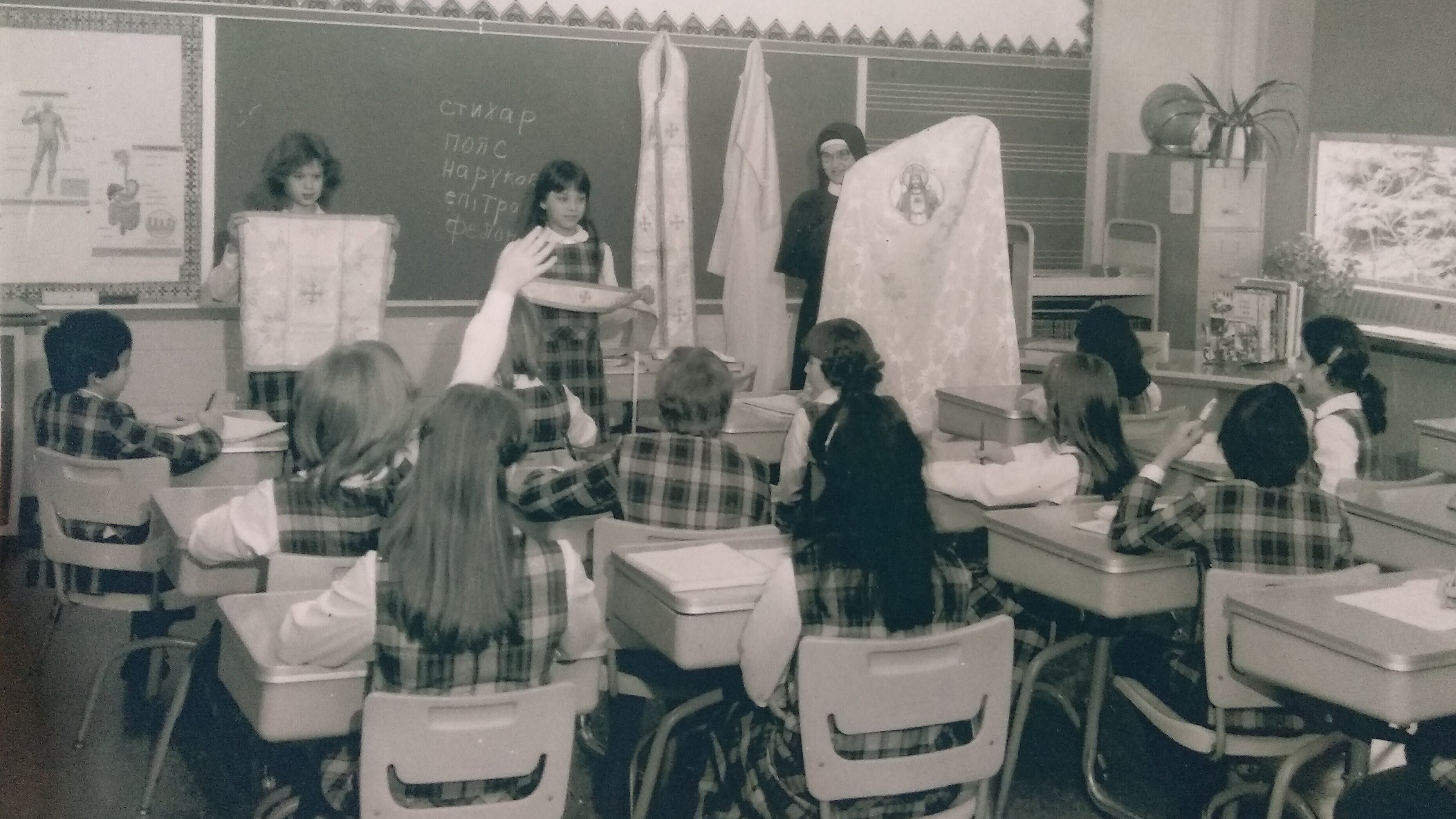
I hadn't even finished all my studies when I was assigned to Perth Amboy, New Jersey, to help start a school. There were two of us, Sister Yosyfa and myself. That was in 1962 or 1963. We went there and started the school.

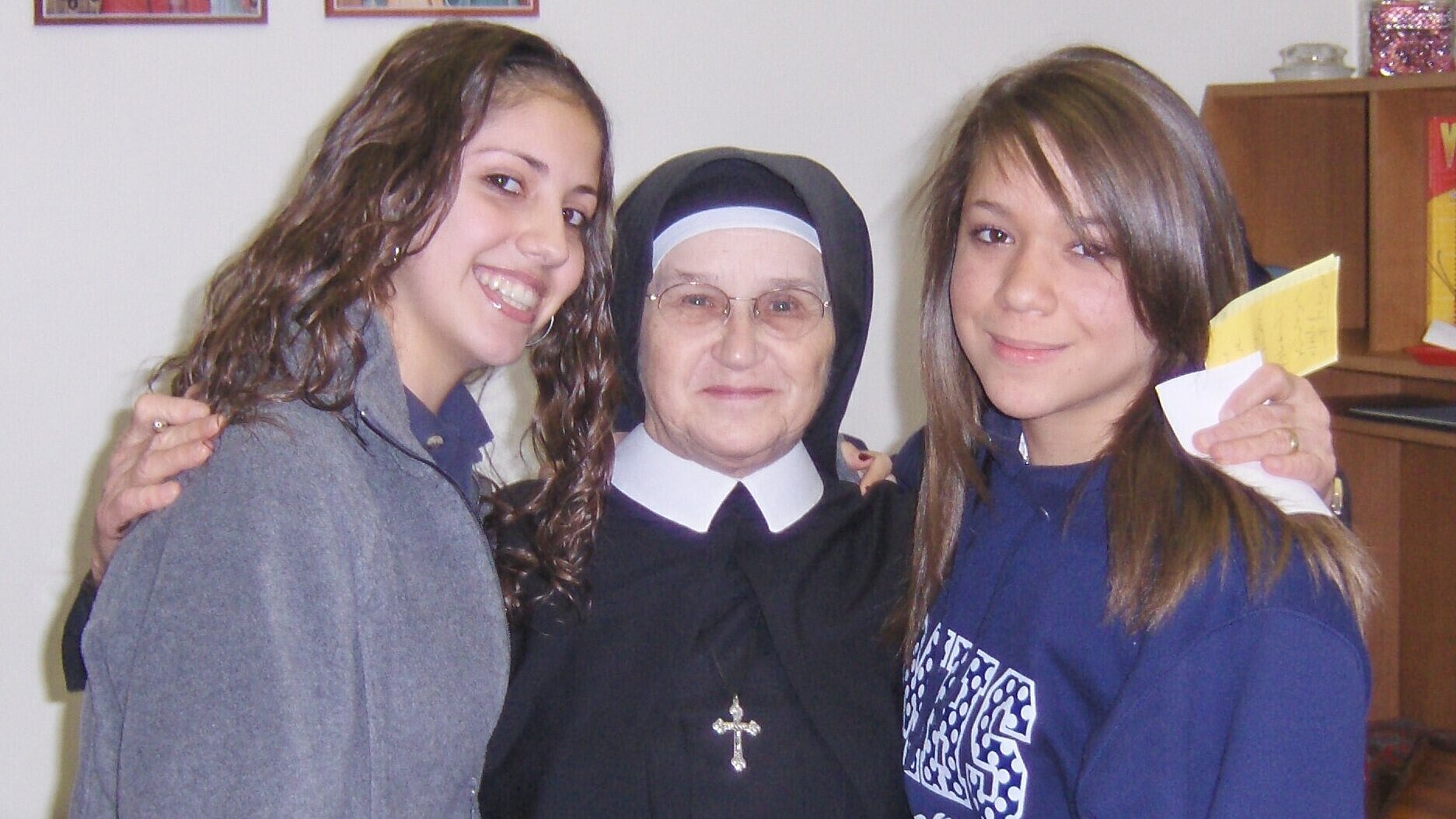
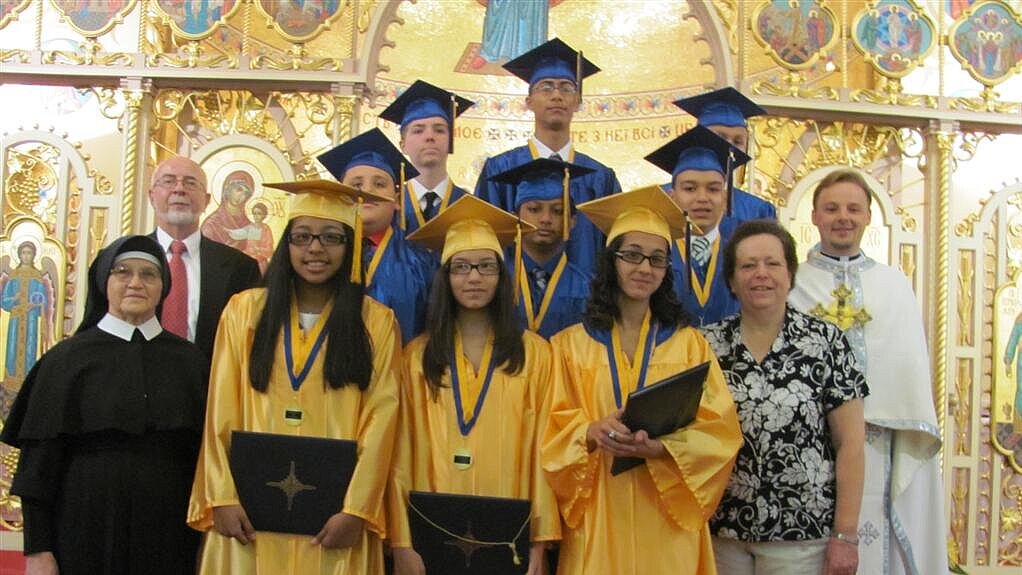
I worked at that school for 55 years. I had many different responsibilities and taught whichever grades needed a teacher. I also taught catechism, especially to children who didn't attend our school.

Catechesis was one of the most important parts of my life. Even before I began teaching in the school, I was already teaching catechism to children in the parish. Every Saturday, the children would come for religious instruction. During the summers, we traveled to different parishes, sometimes even in other states. We would spend an entire month there, bringing the children together to pray and learn about their faith. Even after I began working at the school, we continued spending Saturdays teaching catechism in other parishes wherever there was a need. Over those 55 years, I prepared children for Holy Communion almost every year. Those were happy days in my life.

You spent so many years working with children. How did you help them discover their vocations?

I think it's very important for children to hear about vocations to the priesthood and religious life from an early age. But we have to introduce the idea in the right way and, above all, pray a great deal. At Assumption Catholic School, we prayed every day for vocations to the priesthood and religious life. It was part of our morning prayers. After a while, the children knew the prayer by heart. It became something natural to them, part of their everyday lives.

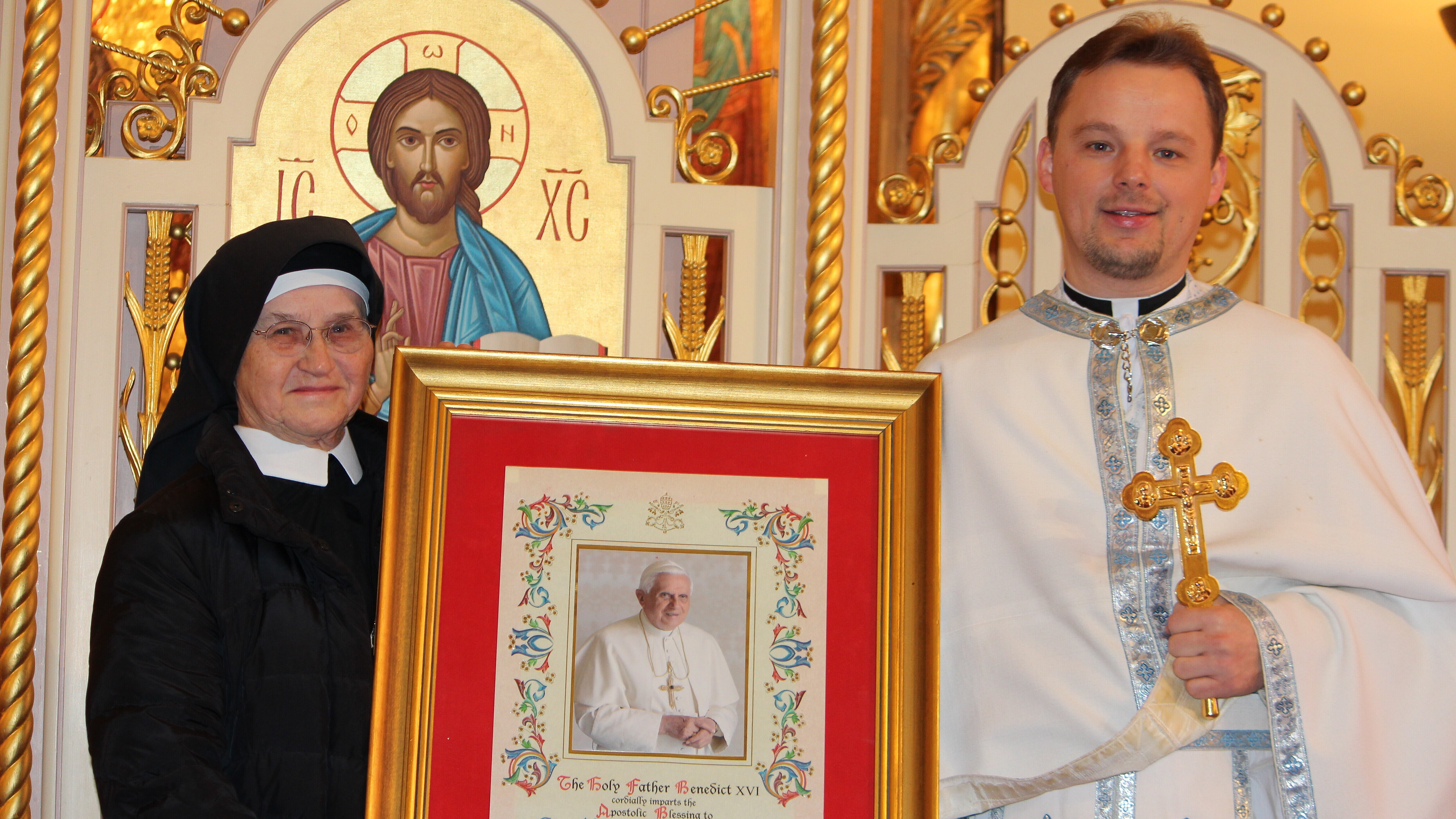
We also explained what a vocation was and encouraged the children to pray for their own vocations and for those of other children. Father Paul Makar, for example, was an altar server. His father was a deacon, and he had many good examples among our priests. Even as a young boy, there were signs of a vocation. Later, he joined the military. When he returned, he had a job and a home of his own. But eventually, he decided that he wanted to become a priest, and he followed that calling.

In your opinion, what can parishioners, priests, and religious sisters do to help young people become more open to God's call?

That's not an easy question. I think parishioners need to set a good example by showing respect for their priest, helping him, and working together with him. Of course, there may be disagreements. But a priest is an apostle for us, and it's very important for children to see that he is treated with respect. I think that when a child constantly hears criticism of a priest, it can discourage that child from ever considering the priesthood.

But priests themselves also have to set a good example. They need to show genuine love and respect for people, especially the young people in their parishes. That's very important. If a priest treats a child poorly, that experience can also turn the child away from a possible vocation. The same is true of religious sisters. If we want young women to consider religious life, we sisters have to set a good example ourselves. A consecrated person should reflect Christ through the way she lives, through her faith and prayer. That kind of example can inspire a young person to follow the same path.

Sister Yosafata, you've said that religious life is also a life of sacrifice. What do you mean by that?

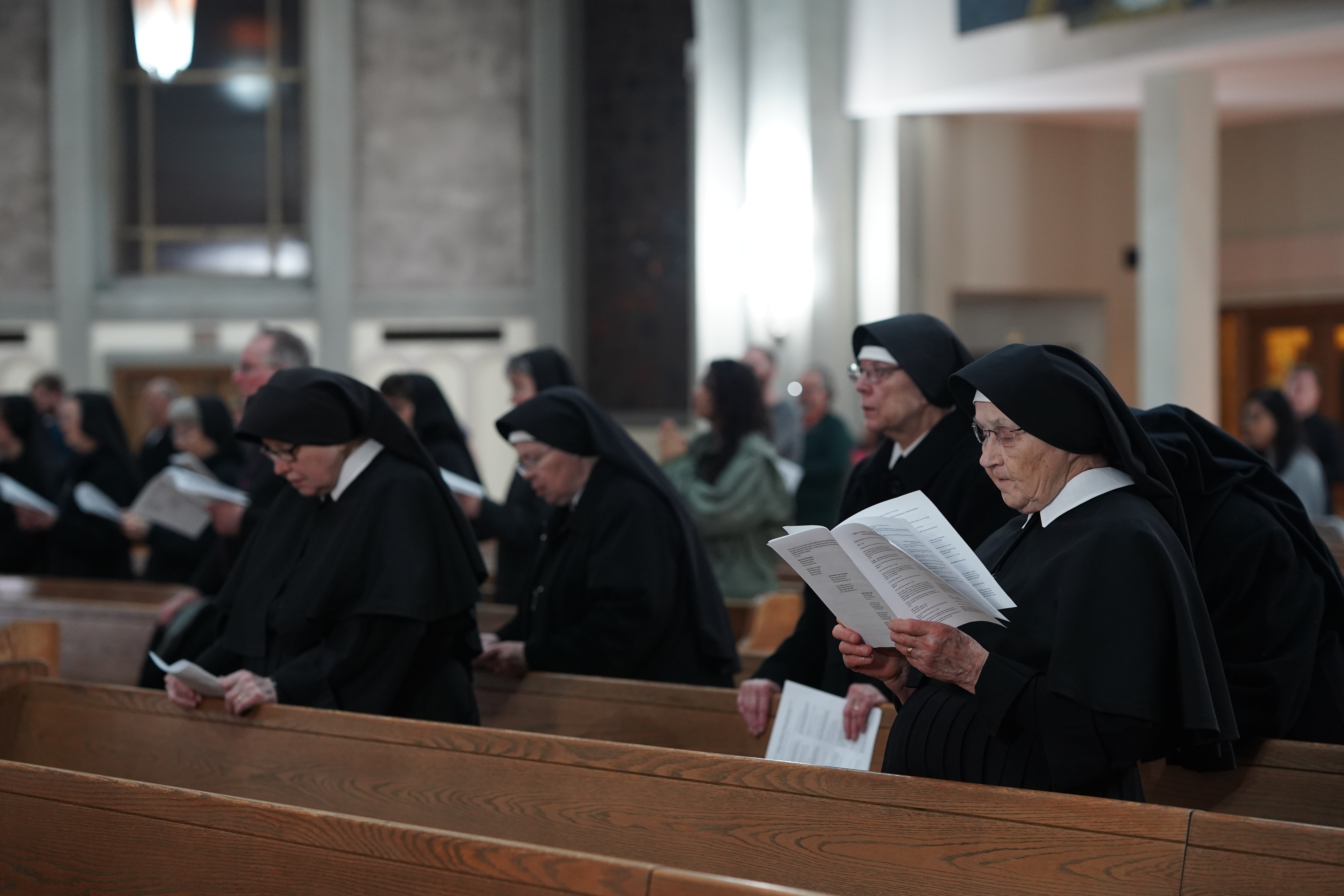
I think that sometimes, when people talk about vocations, they make religious life sound as though everything is wonderful. Oh, you'll enter the convent, everyone will be happy, and you'll be happy too! But we have to remember that religious life involves sacrifice. Every vocation requires us to give something of ourselves, and religious life is no exception. Yes, religious life is a happy life. But sisters are human beings too. We have our difficulties. And we have to learn to accept those difficulties out of love for the One we love.

Many of us entered religious life because we wanted to dedicate our lives to others. We offer ourselves to Christ, and at the same time, we serve other people. To me, that's why a person enters religious life: to give herself to Christ, not to expect everyone else to make sacrifices for her. Because that's simply not how it works.
You have prayed for vocations throughout your life. Do you see the fruits of those prayers today?

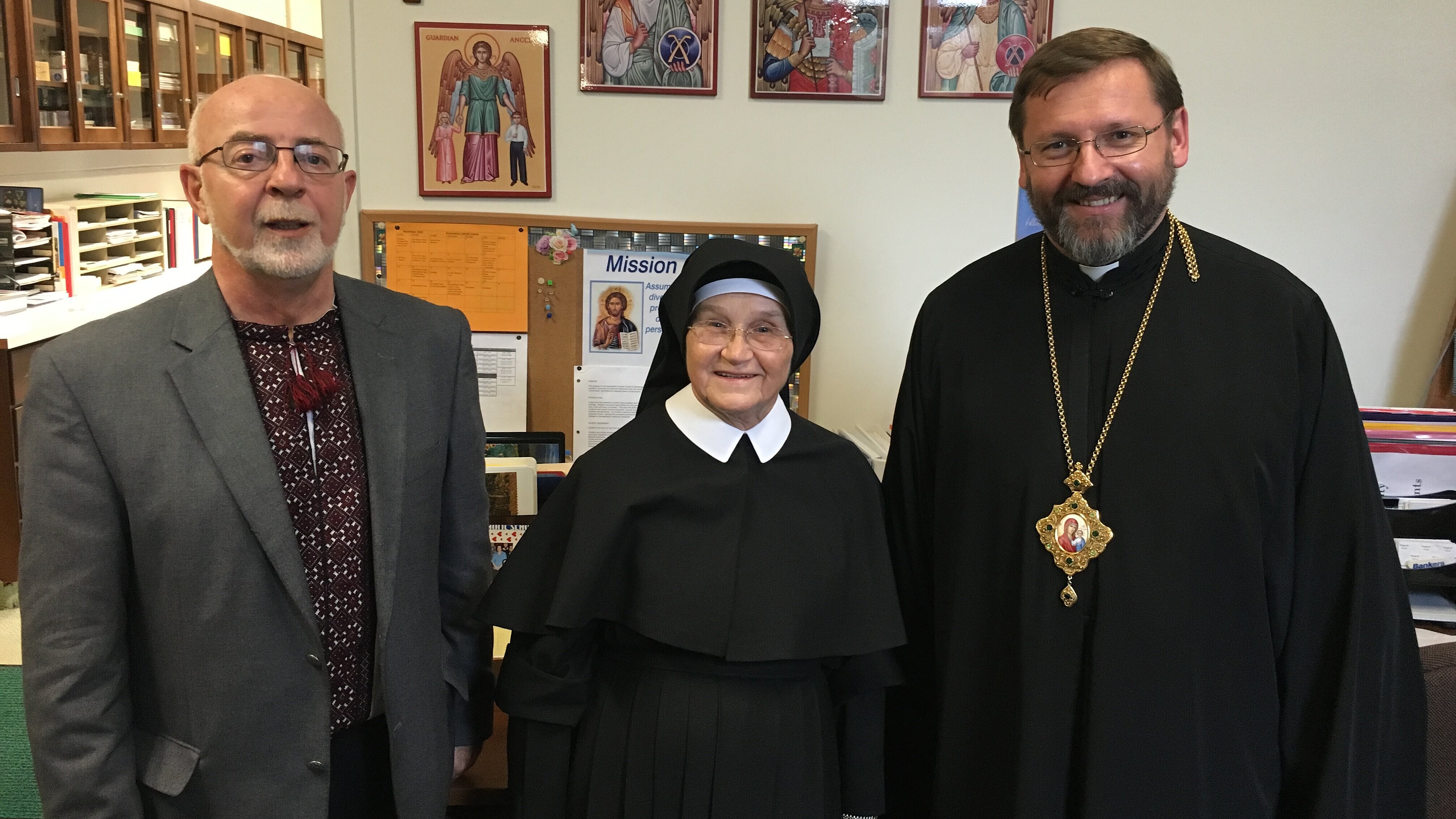
We pray for vocations every day. But it's up to God whom He chooses. Not long ago, Metropolitan Borys was in our chapel when some young priests from Ukraine came to visit. And he said to me, “Sister, these are the fruits of your prayers for vocations.” You see, you may be praying for vocations to your own community, but God may answer those prayers in a completely different way.

That's why we need to keep praying that God will call those He chooses and give them the strength to persevere in their vocations.

Are there any words or spiritual teachings that have helped you remain faithful to your vocation throughout all these years?

My first retreat was led by a Basilian priest. During that retreat, I heard a few lines that became a guide for my entire life:

Quietly offer yourself in sacrifice,
Quietly keep your pain within your heart,
Quietly call upon God in your sorrow,
Quietly do the will of God.

Those words have stayed with me throughout my religious life. Because there are times when you simply have to bear things quietly.

Interview by Halyna Vasylytsia

Related News

More News
Washington National Cathedral Hosts Ecumenical Prayer Service for Ukrainian Children

#U.S.

#Ukraine

#Archeparchy

#Parishes

Washington National Cathedral Hosts Ecumenical Prayer Service for Ukrainian Children

Ukrainian Greek Catholic Church to Observe Week of Prayer for Vocations, November 21–27

#U.S.

#Ukraine

#Archeparchy

#Parishes

Ukrainian Greek Catholic Church to Observe Week of Prayer for Vocations, November 21–27

"Do Not Be Afraid, Little Flock": Metropolitan Borys Gudziak Visits St. George Ukrainian Catholic Church in New York

#U.S.

#Archeparchy

#Parishes

"Do Not Be Afraid, Little Flock": Metropolitan Borys Gudziak Visits St. George Ukrainian Catholic Church in New York

"The World Has Never Been So Ukrainian": International Symposium Explores the Future of the Global Ukrainian Community

#U.S.

#Ukraine

#Archeparchy

"The World Has Never Been So Ukrainian": International Symposium Explores the Future of the Global Ukrainian Community