Christ Is Born Now: The Jubilee Year of Hope was solemnly closed at the Cathedral in Philadelphia
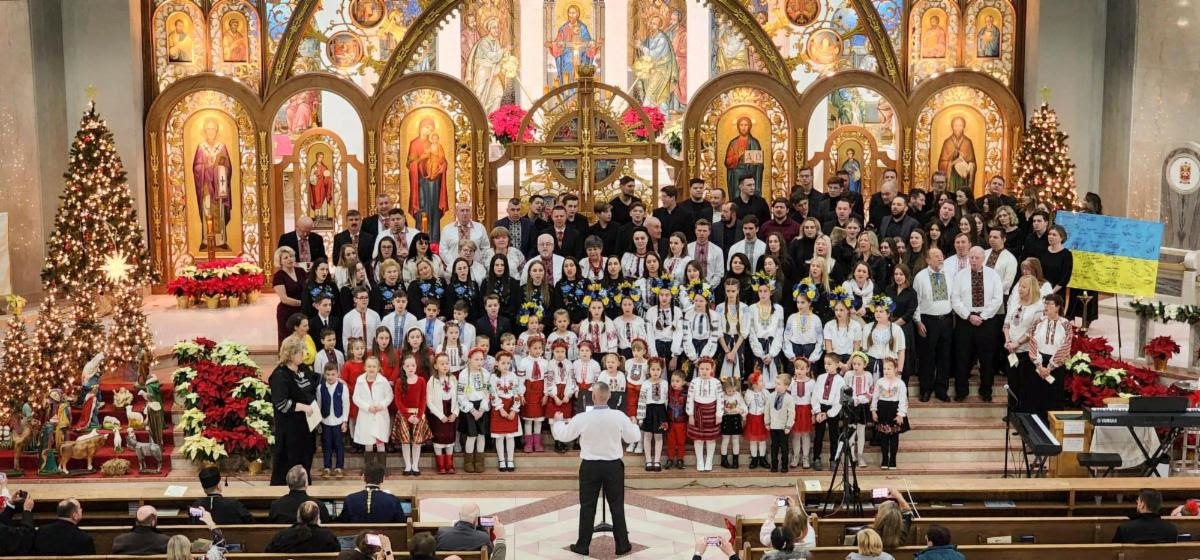
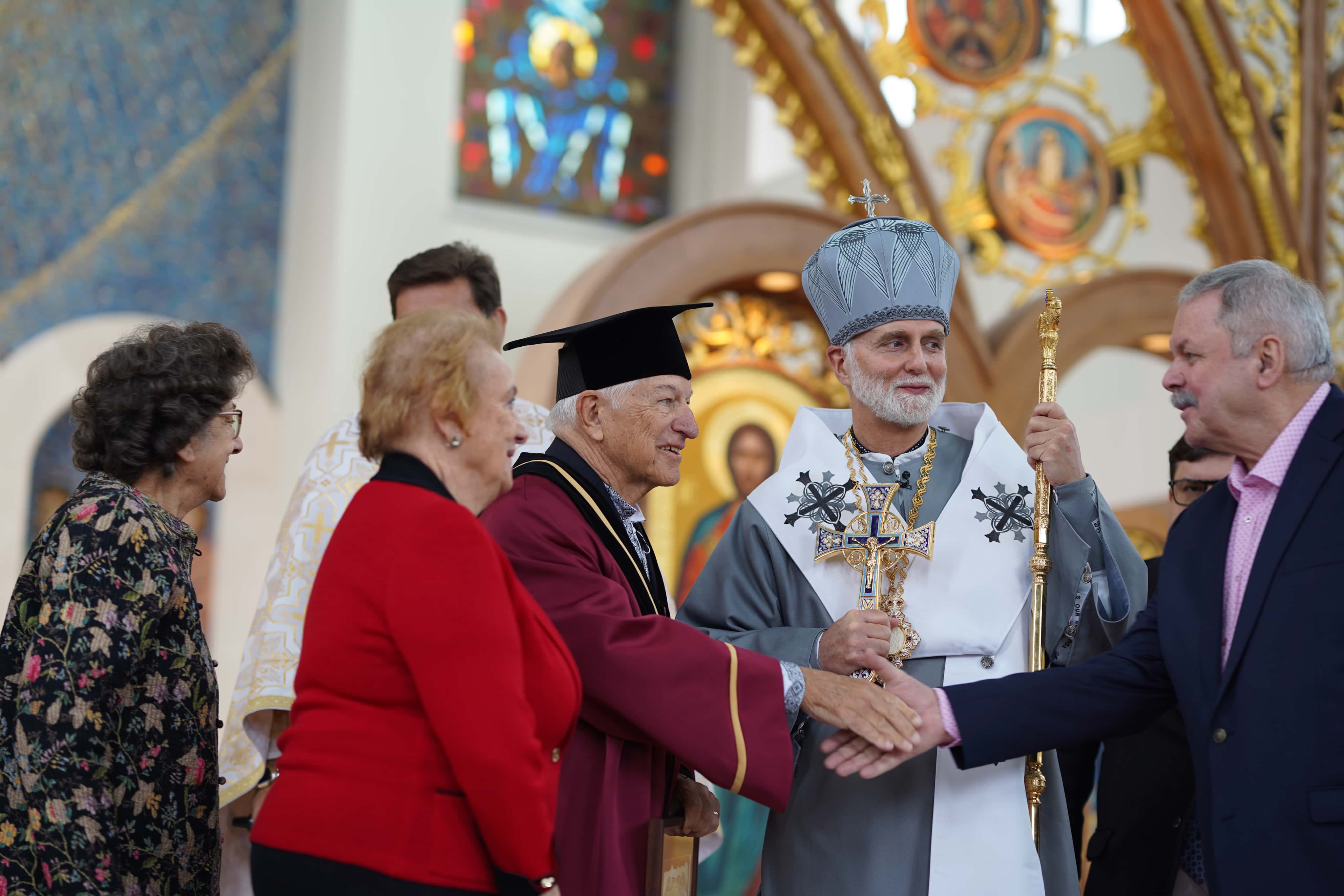
On December 28, the Sunday following the Nativity of Christ, the faithful gathered at the Cathedral of the Immaculate Conception in Philadelphia for the Divine Liturgy, during which prayers were offered to conclude the Year of Hope. The Year of Hope — the 2025 Jubilee Year, proclaimed by Pope Francis — became for the Catholic Church a time to renew trust in God and embark on a spiritual pilgrimage of hope amid the trials of the contemporary world. The Philadelphia Archeparchy honored the Year of Hope through prayers, spiritual programs, the visit of His Beatitude Sviatoslav, and other initiatives, emphasizing hope, unity, and solidarity.
At the beginning of his homily, Metropolitan Borys Gudziak emphasized the immediacy of God’s Word, here and now. “Christ is born now. He is the Word — now. And we hear this Word today,” he stressed.
This Sunday is dedicated to three figures: King David, Joseph the Betrothed, and James, the Lord’s brother — a cousin of Jesus, the first bishop of Jerusalem, who gave his life as a martyr. At the heart of the day’s reflections stood Joseph the Betrothed — the “quiet hero of Christmas.” The Metropolitan noted that Joseph is a key figure in the Gospel narratives of Christ’s birth, especially in the Gospel of Matthew. Through him, we see not only the light of Christmas but also its shadow — persecution, threat, flight, and fear.
“There is not a single recorded word from Joseph in the Gospels,” the Metropolitan observed. “There are only his actions.” Early Christian texts, he explained, suggest that Joseph may have been a widower with children from a previous marriage. Yet, regardless of historical details, one thing is clear: his life was not easy. The Metropolitan also highlighted the historical and spiritual context of the time, mentioning the Essene community in Judaism — a radically devoted group for whom a vow of purity was a normal way of life. Some biblical scholars hypothesize that the Blessed Virgin Mary may have belonged to such a spiritual milieu. It is precisely in this tension between God’s plan and human expectations that Joseph emerges as one who silently assumes responsibility and trusts.
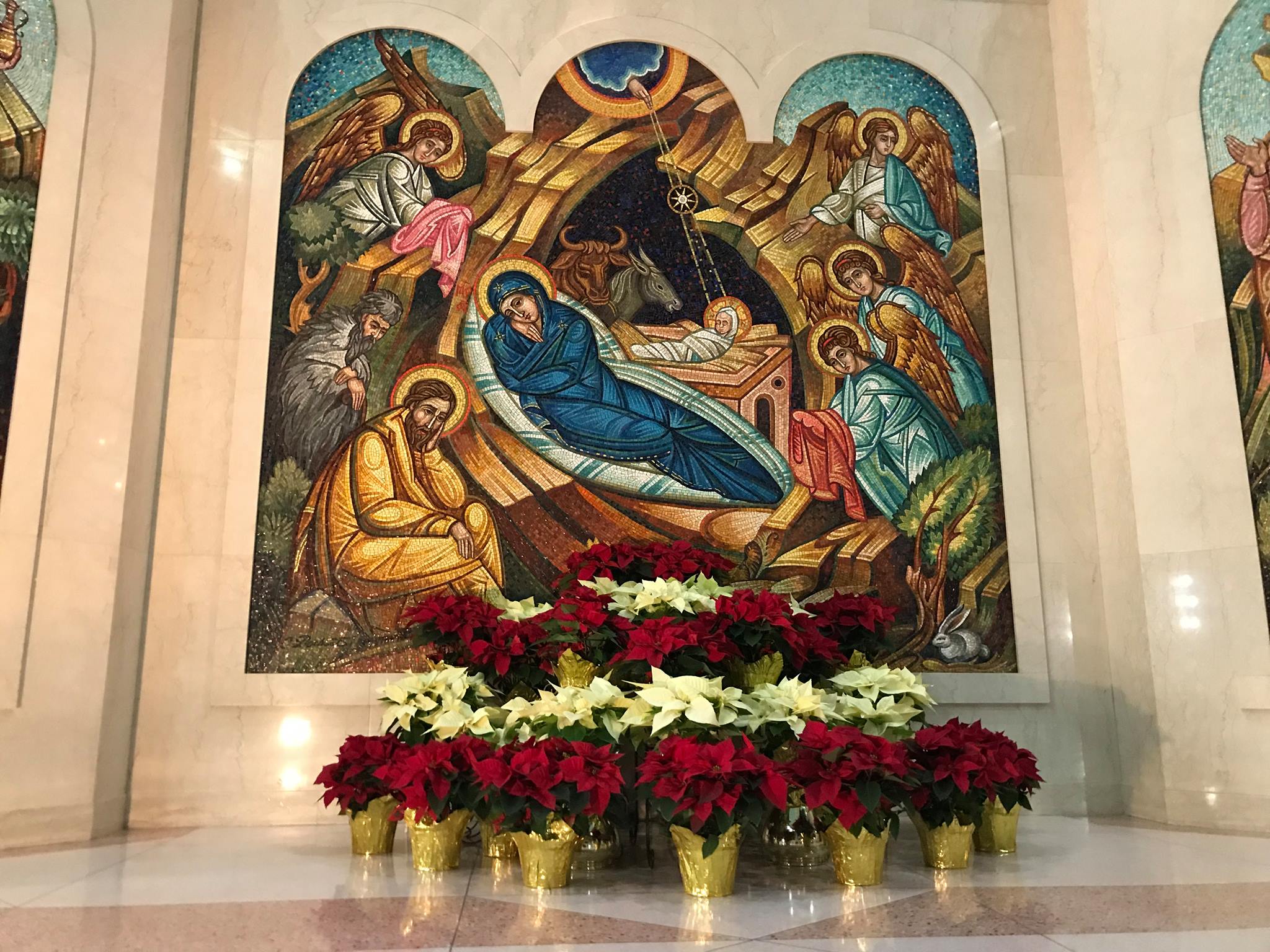
The Metropolitan also drew attention to the depiction of Joseph in icons, where he is often shown in thoughtful contemplation. This, he explained, challenges the common notion that the lives of the saints were always clear and simple. “Joseph had doubts. He faced misfortune. He faced many challenges — just like each of us,” the Metropolitan said.
One of the central images of the homily was that of sleep. “I wish you restful sleep — in times of war, in times of work, in times of illness. Let sleep heal,” the Metropolitan said. He noted that it is in sleep that the angel addresses Joseph three times with the single word: “Rise.” “Rise and take Mary as your wife. Rise and flee to Egypt. Rise and return to Nazareth.” This “rising,” the Metropolitan explained, is not merely a physical movement but a profound spiritual act — a readiness to respond to God’s Word, even when it leads into the unknown.
Concluding the Year of Hope, Metropolitan Borys emphasized that trust in God does not mean an easy life. “God’s Word may lead a person into ‘trouble.’ But it is precisely there that God’s will is fulfilled and salvation is born,” he said.
“Let us trust Christ, who is born. Let us open ourselves — like Joseph — to what is not from people but from God. Inspired by the grace of this year, having received the gift of hope, we go forth to meet our calling and our mission. Let us open ourselves — like Joseph — to what is extraordinary, not from people but from God,” Metropolitan Borys exhorted.