A Sweet Tradition in Hazleton

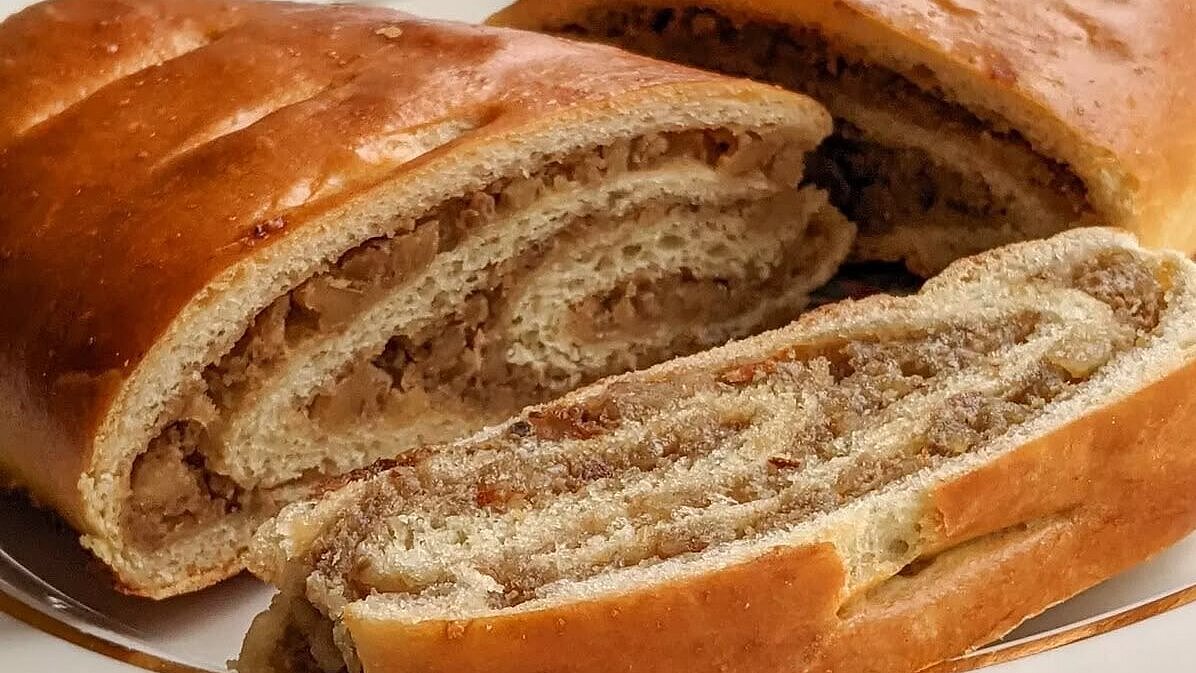
Across the Ukrainian Catholic Archeparchy of Philadelphia, the nut rolls baked at the parish in Hazleton have become well known and eagerly anticipated. Prepared with care and dedication, these traditional pastries are more than just a delicious treat — they are a sign of parish life, hospitality, and the continuation of cherished Ukrainian culinary traditions. Behind every batch of nut rolls are the hands of parishioners who generously give their time and talents to support their church and bring the community together.

To learn more about this beloved tradition, we spoke with two of the parish bakers about the history, process, and meaning behind these famous nut rolls.

Although the organized baking effort began in August 1997, its roots go back much further.

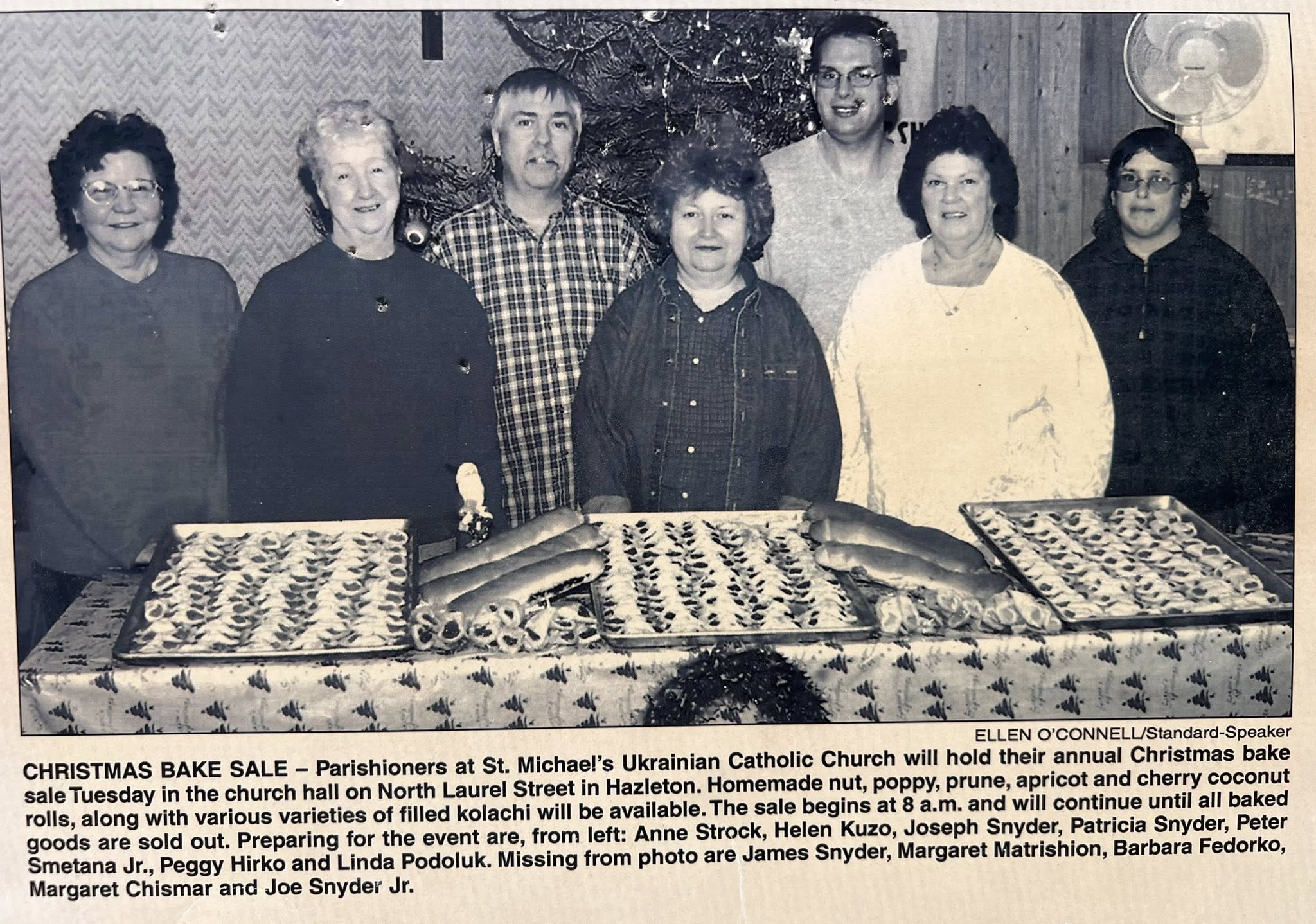
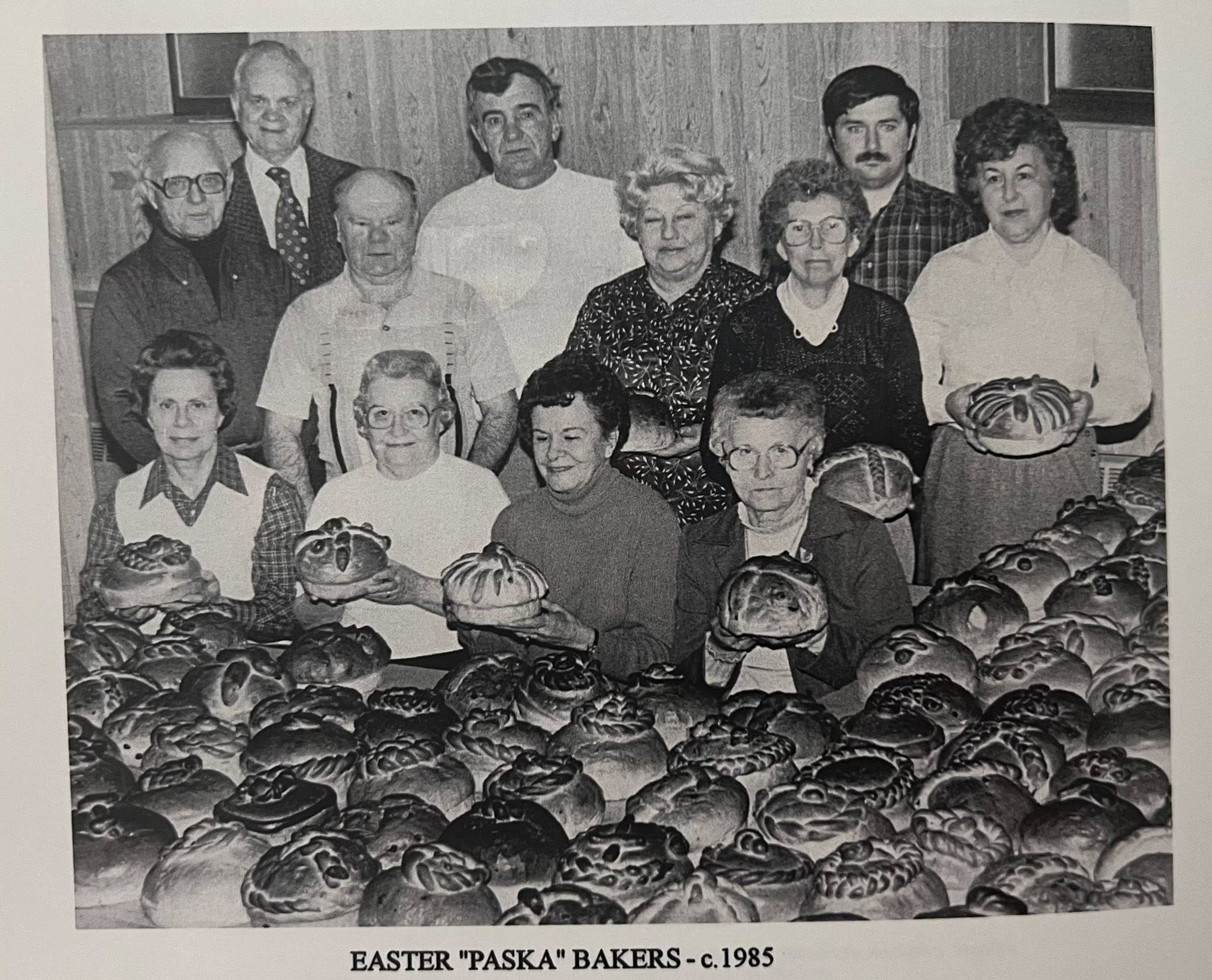
In the 1950s, parishioners would bring homemade baked goods to church fundraisers, creating not only a source of support for the parish but also a space of shared work and fellowship. Among these baked goods, nut rolls quickly became a favorite.

Joseph Snyder, Sr., who has been baking since the mid-1990s, remembers these early influences well. He learned the craft from his mother and grandmother, carrying forward a family recipe that has now been preserved for three generations. What began as a family tradition gradually became a parish-wide effort.

“You wouldn’t believe how often people tell us it reminds them of their grandmother’s baking – that’s a standard refrain among our patrons”, Anne mentions.

In the early years, the process required considerable labor. Every step — from preparing the dough to grinding the filling and shaping each roll — was done entirely by hand.

“That first couple of years was a lot of work,” Joseph recalls.

The development of the baking initiative was made possible in large part through the generosity of Nicholas Skimbo — a professor at Penn State, who donated equipment that is still in use today. This support allowed the parish to increase production, improve efficiency, and establish a more sustainable rhythm of work.

“That’s when things really started to take off,” says Anne Strock, who later joined the effort after her retirement, seeking a meaningful way to contribute to parish life.

At the center of this work remains a commitment to quality and consistency. The ingredients are carefully selected, and the process follows a well-established routine. The parish avoids the use of fillers, ensuring that each nut roll is prepared in a traditional manner.

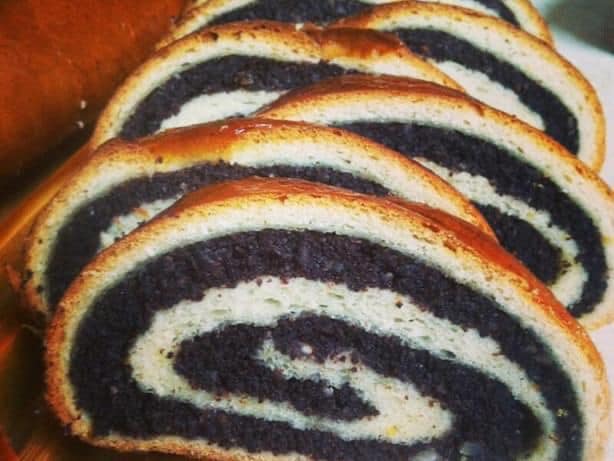
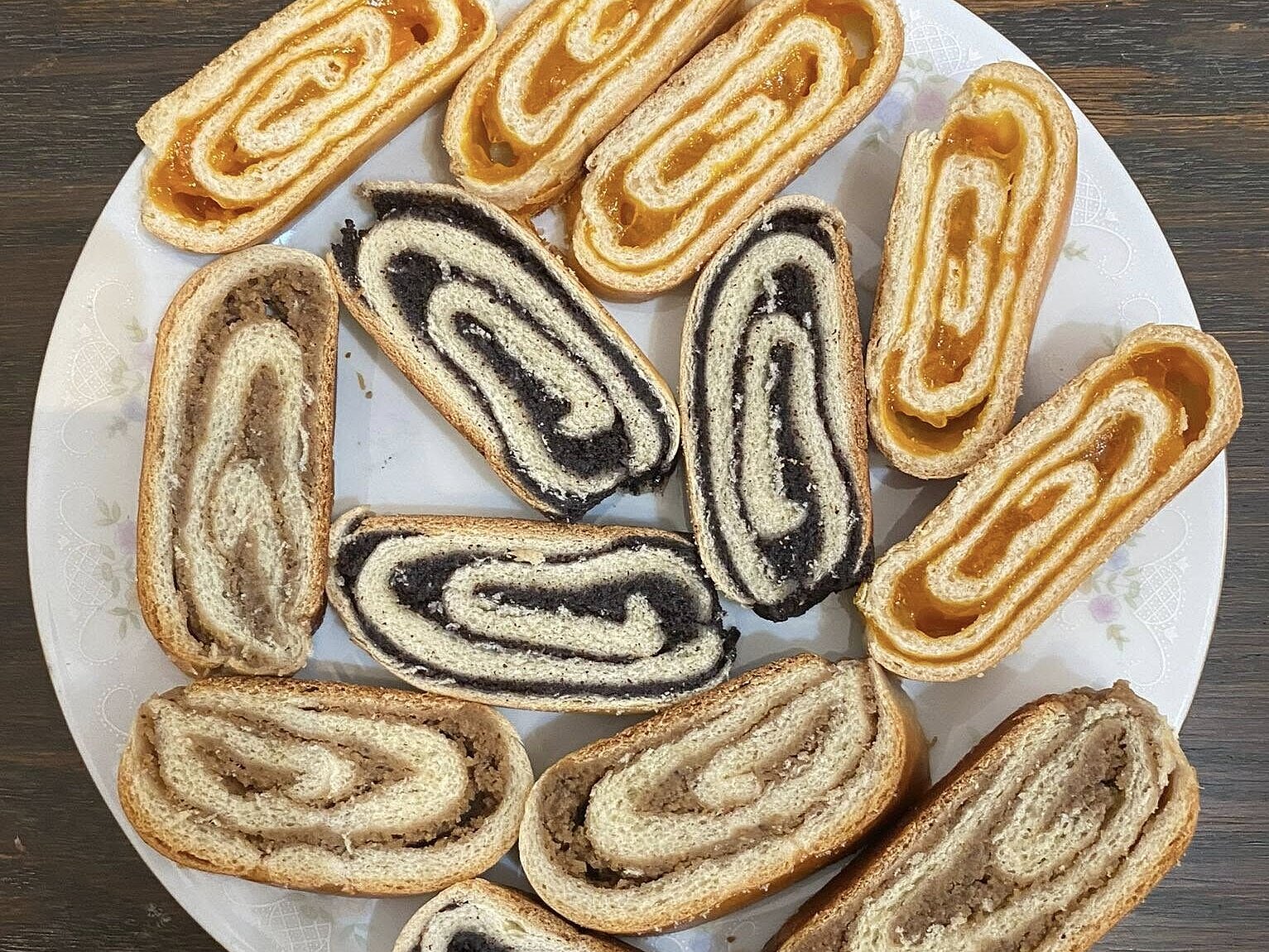
“We use good nuts and avoid fillers,” Joseph explains. “Nut rolls are filled with nuts, and poppyseed rolls with poppyseed — always freshly ground.”

This attention to detail has become one of the defining characteristics of the Hazleton nut rolls, contributing to both their taste and their reputation.

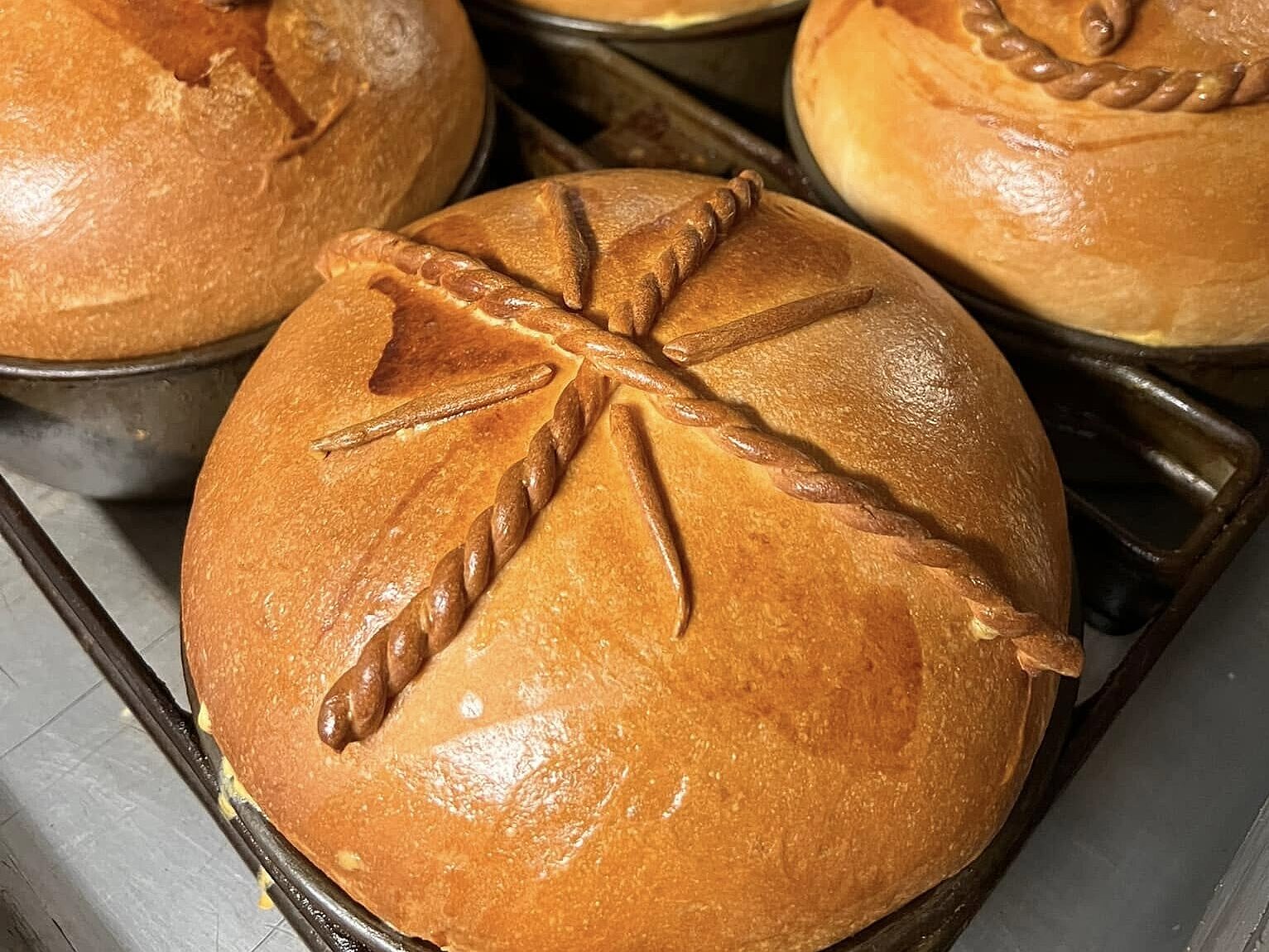
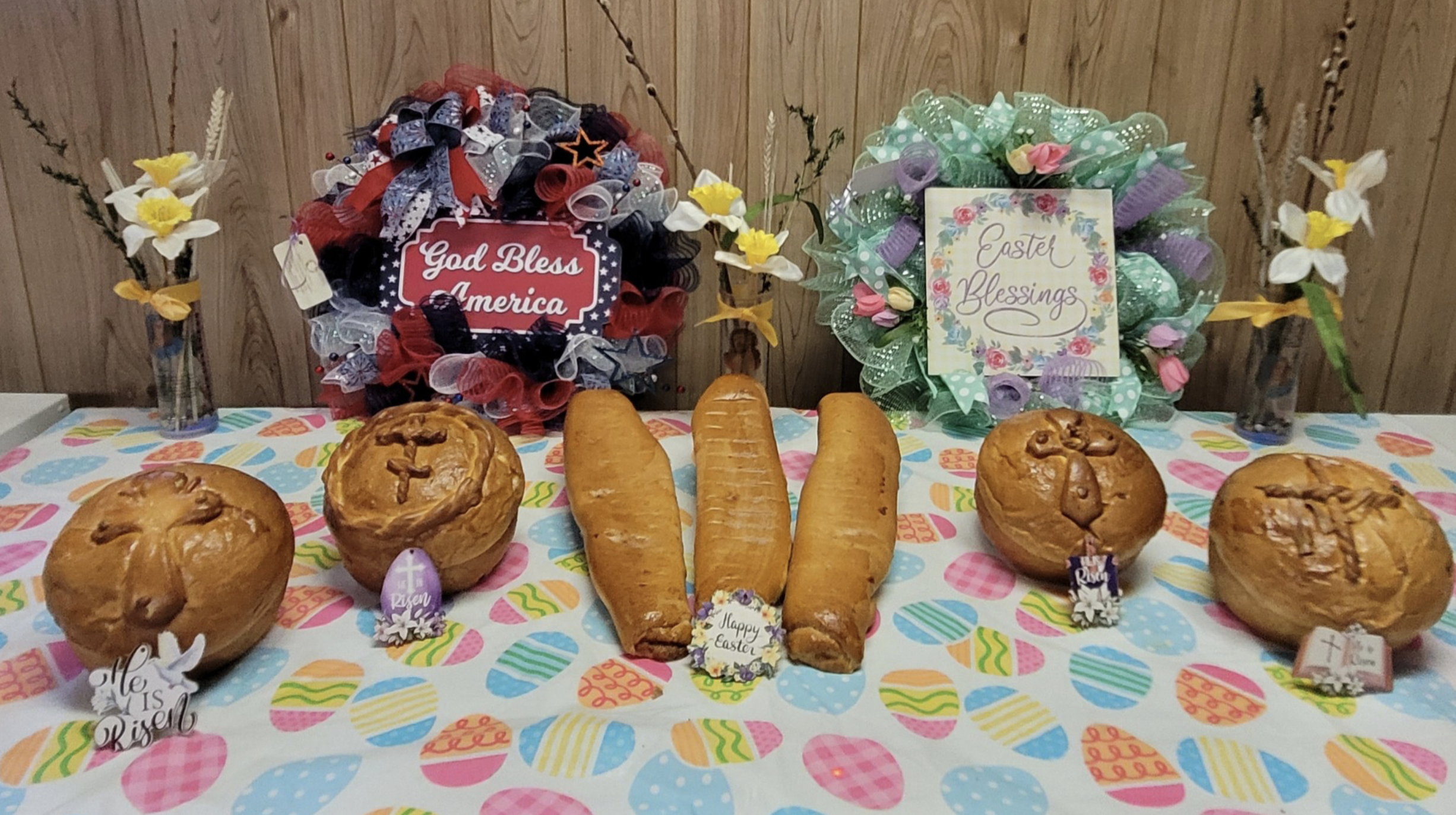
Baking takes place primarily in preparation for major feasts, especially Christmas and Easter, as well as for Ukrainian Seminary Days in July. These moments in the liturgical and parish calendar provide both the need and the opportunity for large-scale preparation.

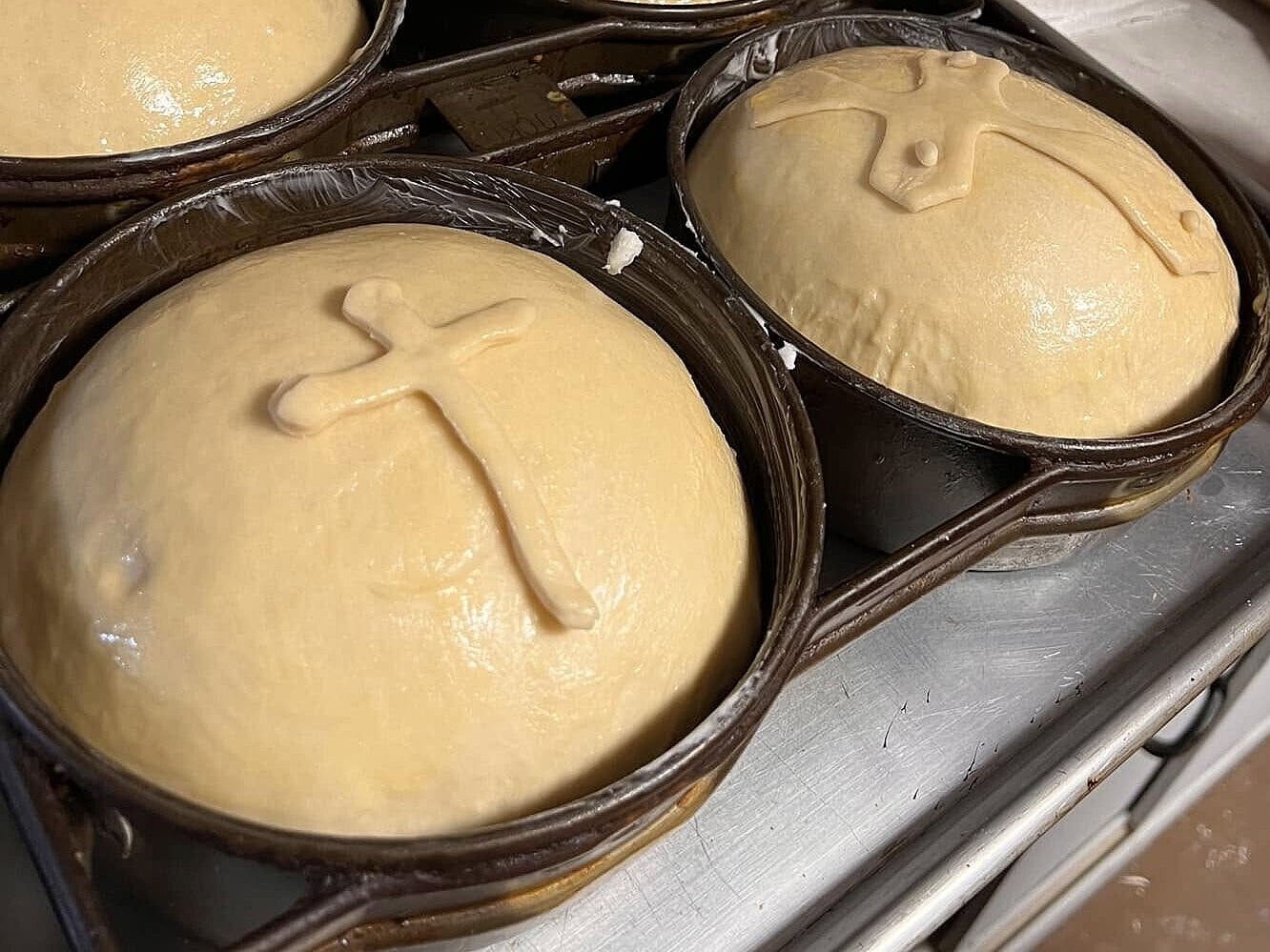
The volume of production reflects the scale of the tradition. At Easter, the parish typically prepares around 2,300 rolls, but last year reaching over 3,100, including different varieties and paska. Christmas production ranges between 1,800 and 2,000 rolls, while smaller batches between 75-100 are prepared during the summer months for Ukrainian Seminarian Days.

Despite the scale, the work remains deeply communal. Parishioners come to assist as their schedules allow, forming a steady circle of volunteers who return year after year.

“People come when they’re available,” Joseph says. “Anne and I are always here.”

Each baking day follows a structured rhythm. Dough is prepared, fillings are made, rolls are shaped, baked, and carefully organized for distribution. The work is physically demanding and requires coordination and attention to detail.

“We do three batches a day — that’s about seven to eight hours,” Anne explains.

Within this routine, there are also moments that define the experience in a more tangible way. One of these is when the nut rolls come out of the oven.

“The smell is magnificent, and it lingers,” Joseph says.

Over time, the nut rolls from Hazleton have become widely recognized across the Archeparchy. This development did not happen suddenly, but gradually, as people began to associate the parish with this particular tradition.

“Archbishop Soroka used to encourage everyone to buy from their parishes first, and I think that made a big difference. People started to go to the parishes for foods that they might have otherwise purchased at a supermarket. And word got around on who makes what. Some parishes do pierogi or holupki – we bake.” Joseph notes.

As a result, customers now come from many different areas, often returning year after year. In recent years, the parish has adopted a pre-order system, allowing for a more organized and efficient process.

“People come from all over. Up until about five or six years ago, we had open sales. Now, we only do pre-orders and that’s made things much more efficient. Orders are accepted by phone. Anne says.

The baking initiative also plays a significant role in supporting the parish financially.

“It’s a fundraiser that supplements our weekly collection,” she explains. “The proceeds often match or even exceed the envelopes.”

At the same time, the meaning of this work extends beyond its practical function. For those involved, it is also about relationships, continuity, and shared experience.

“I love when people pick up their orders,” Joseph shares. “The looks on their faces — it’s great.”

He continues, “If you think of a pizzeria, the moment the pizza comes out of the oven. There’s almost a sense of awe.”

Anne adds that the tradition has shaped how the parish is perceived beyond its immediate community.

“It gave us a reputation in the wider community. People know us.”

There is also a spiritual dimension that accompanies the work.

“Pray a lot! We always pray before baking,” Joseph says. “God has helped us in so many ways — too many to count.” “The volunteers and donations didn’t come out of nowhere.”

The tradition also carries the memory of those who helped build it over the years. Many of the original contributors are no longer present, but their efforts remain part of the foundation of the work.

“There were so many good people who were part of this,” Joseph reflects. “Each of them contributed in their own way.”

Looking ahead, the commitment to continue remains clear. What began as a practical initiative has become a lasting expression of parish life.

“We plan to keep it going,” Joseph says. “I love this parish, and lived my whole life here. The priests were good to me and my family.” “This is my way of giving back to the parish.”

“We’ve never needed to advertise,” Anne adds. “Our reputation has always been enough — and we try to fill every order we receive.”

In this way, the nut rolls of Hazleton remain more than a tradition. They are a reflection of continuity, shared work, and the quiet dedication of a community that continues to serve through both faith and action.

Interview by Fr. Nicholas Kostyk
Questions and text by Oksana Loziak
Photos: Parish Facebook page archive

Related News

More News
Funeral Services Held for Fr. Gregory Maslak

#Archeparchy

Funeral Services Held for Fr. Gregory Maslak

Metropolitan Borys Gudziak Participates in Installation of Bishop Bonnici in Rochester

#U.S.

#Archeparchy

Metropolitan Borys Gudziak Participates in Installation of Bishop Bonnici in Rochester

Metropolitan Borys Gudziak Participates in Spring Meeting of Eastern Catholic Bishops in St. Louis

#U.S.

#Archeparchy

Metropolitan Borys Gudziak Participates in Spring Meeting of Eastern Catholic Bishops in St. Louis

A Cry for Peace and Justice from the Eastern Catholic Bishops of the United States

#U.S.

A Cry for Peace and Justice from the Eastern Catholic Bishops of the United States