Ukrainian Catholic Archeparchy of Philadelphia Hosts Evening of Prayer and Reflection on Mental Health Ministry

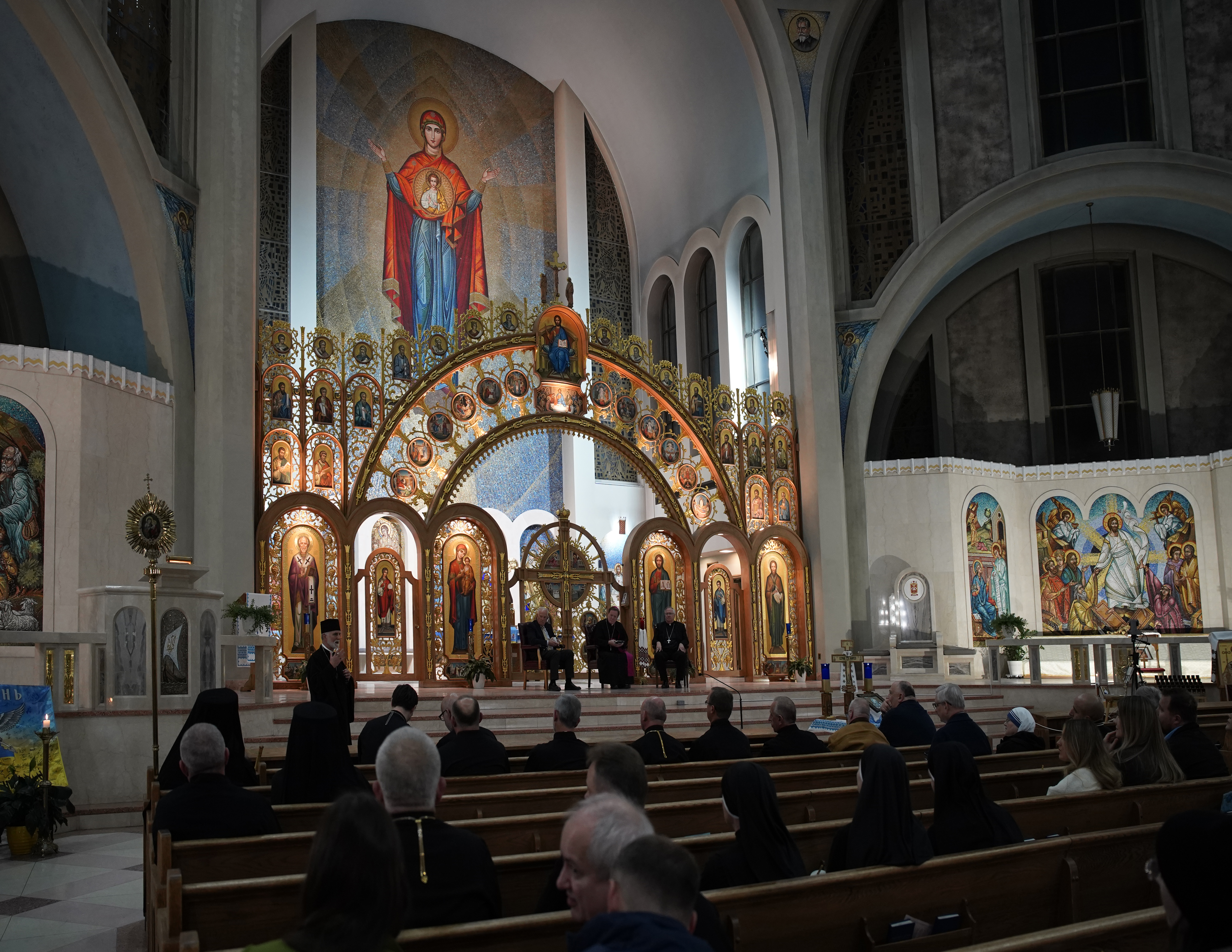
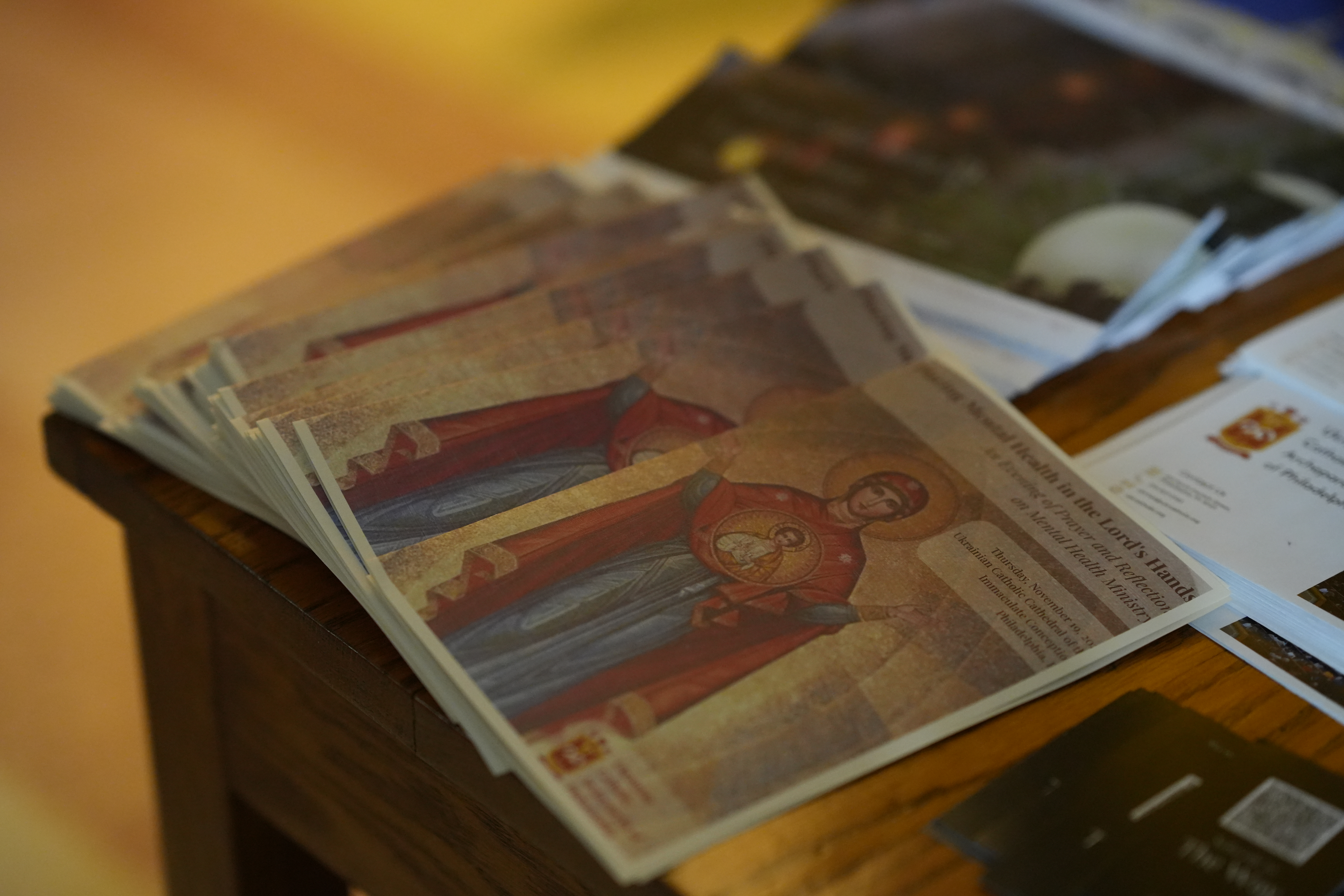
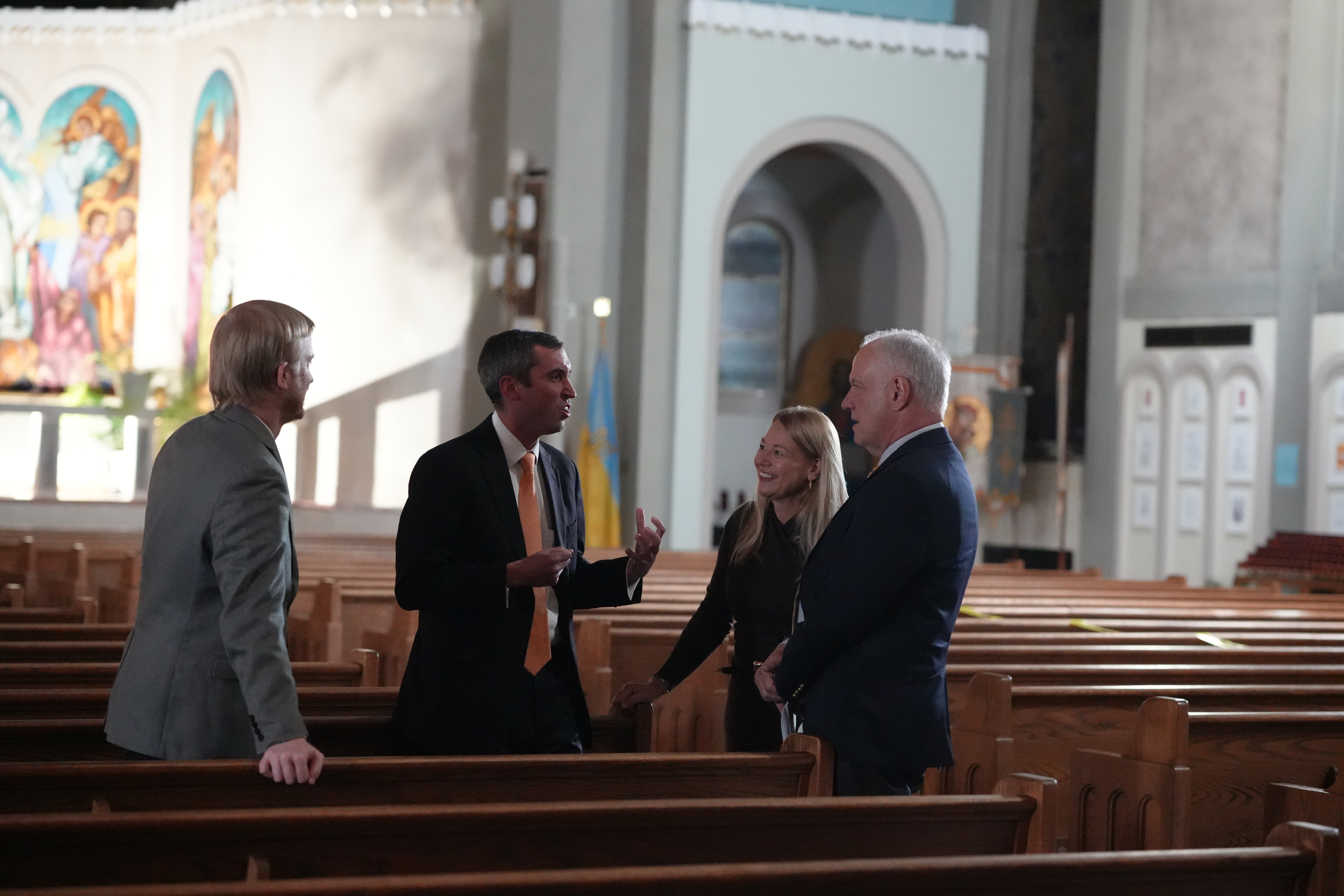
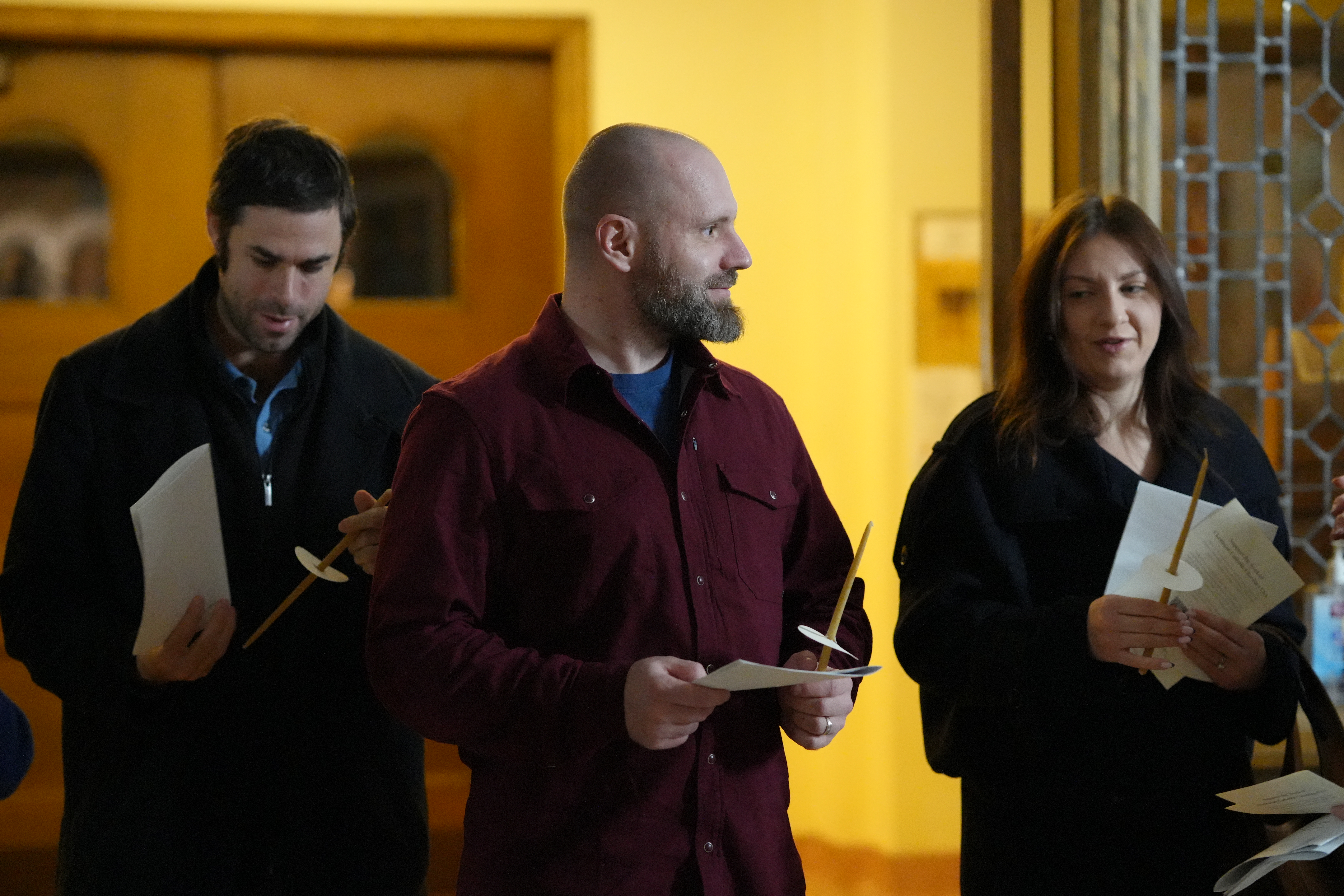
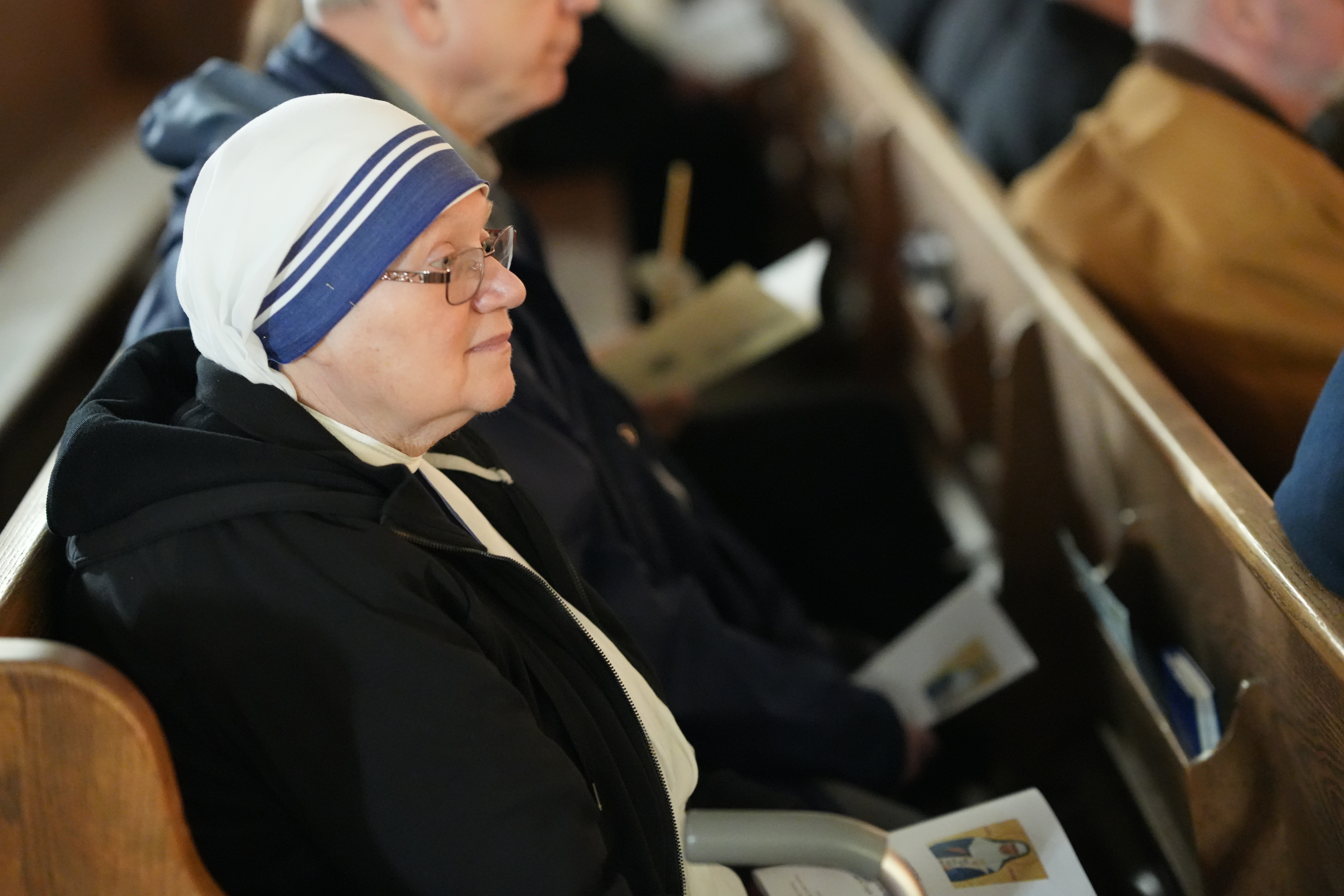
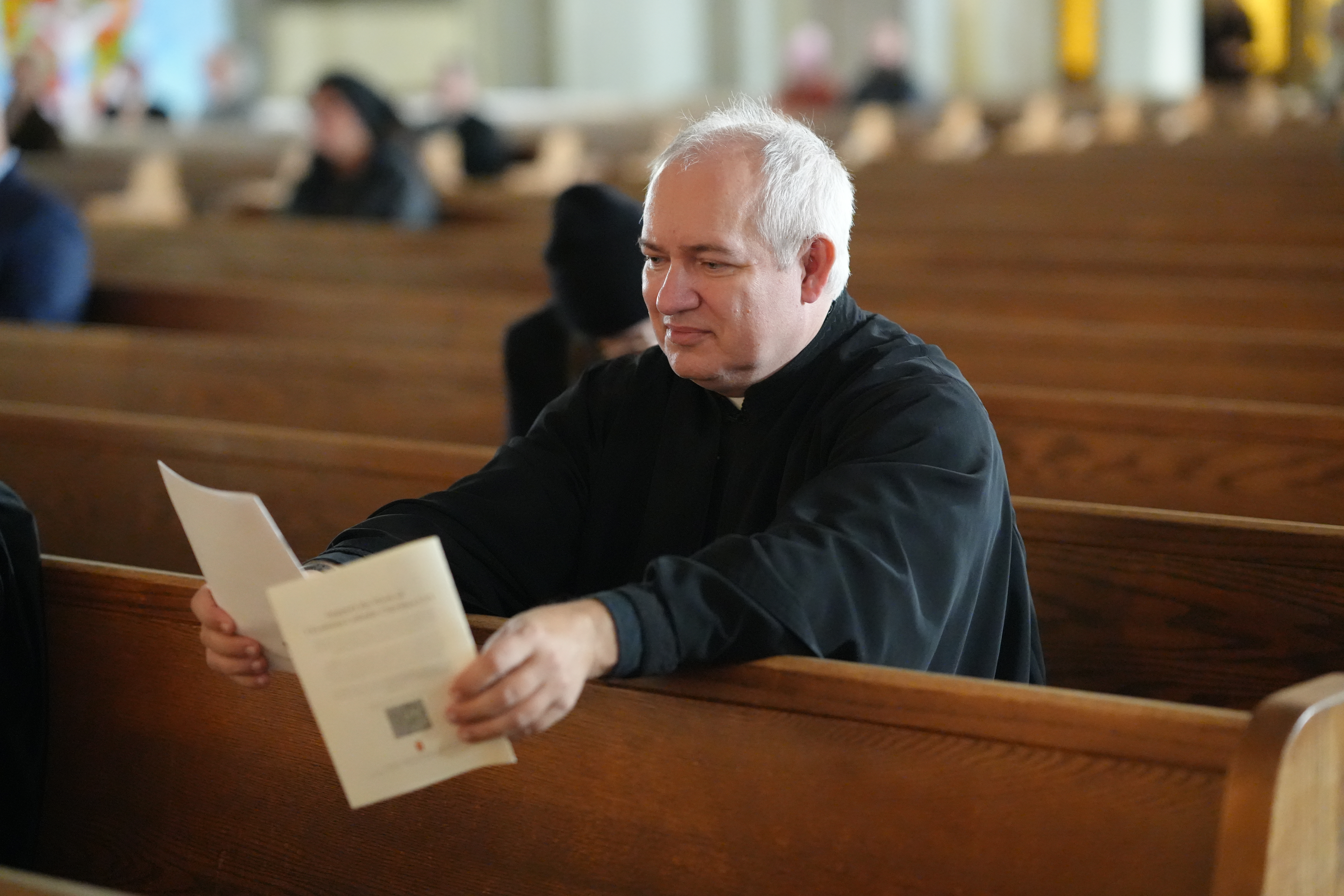
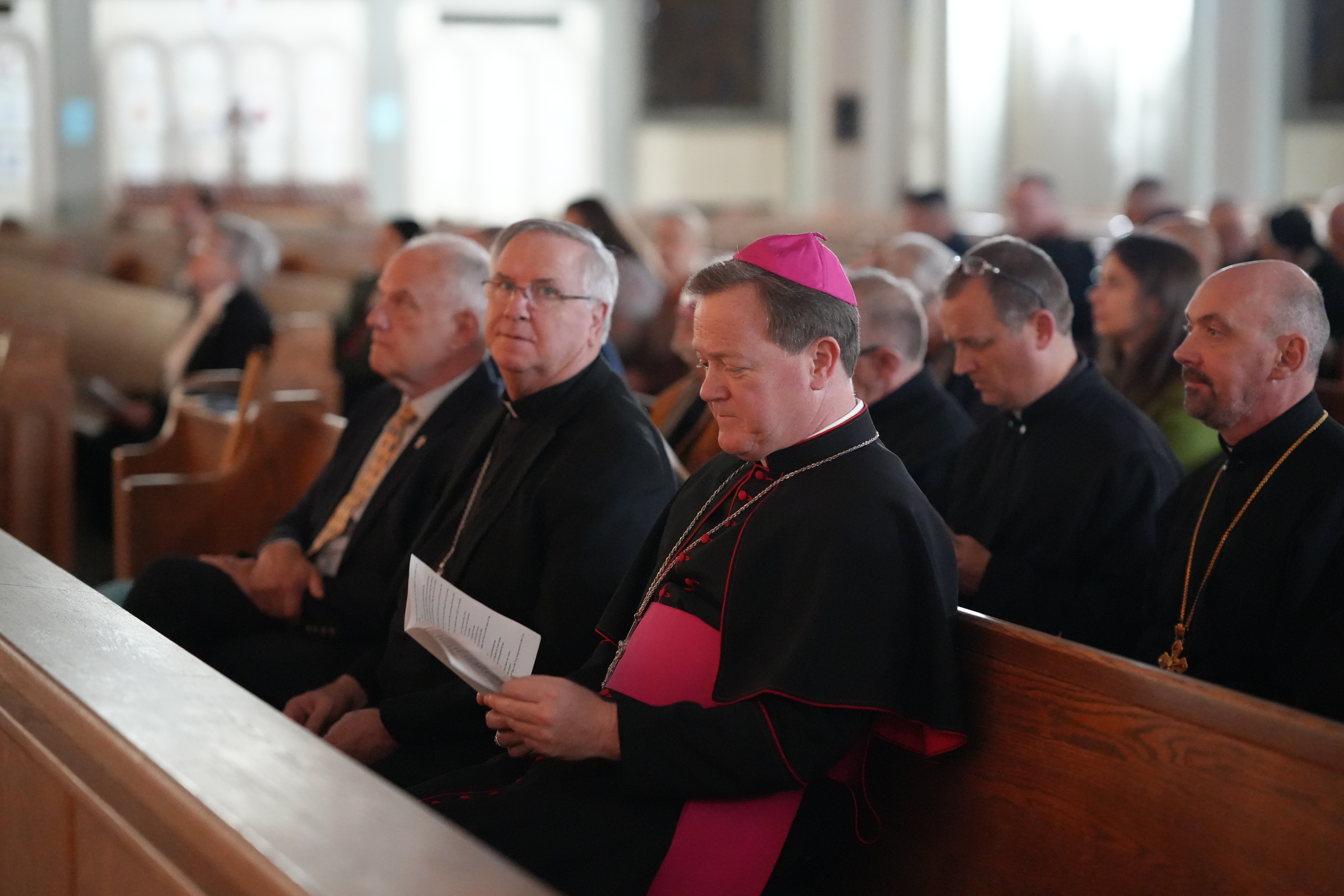
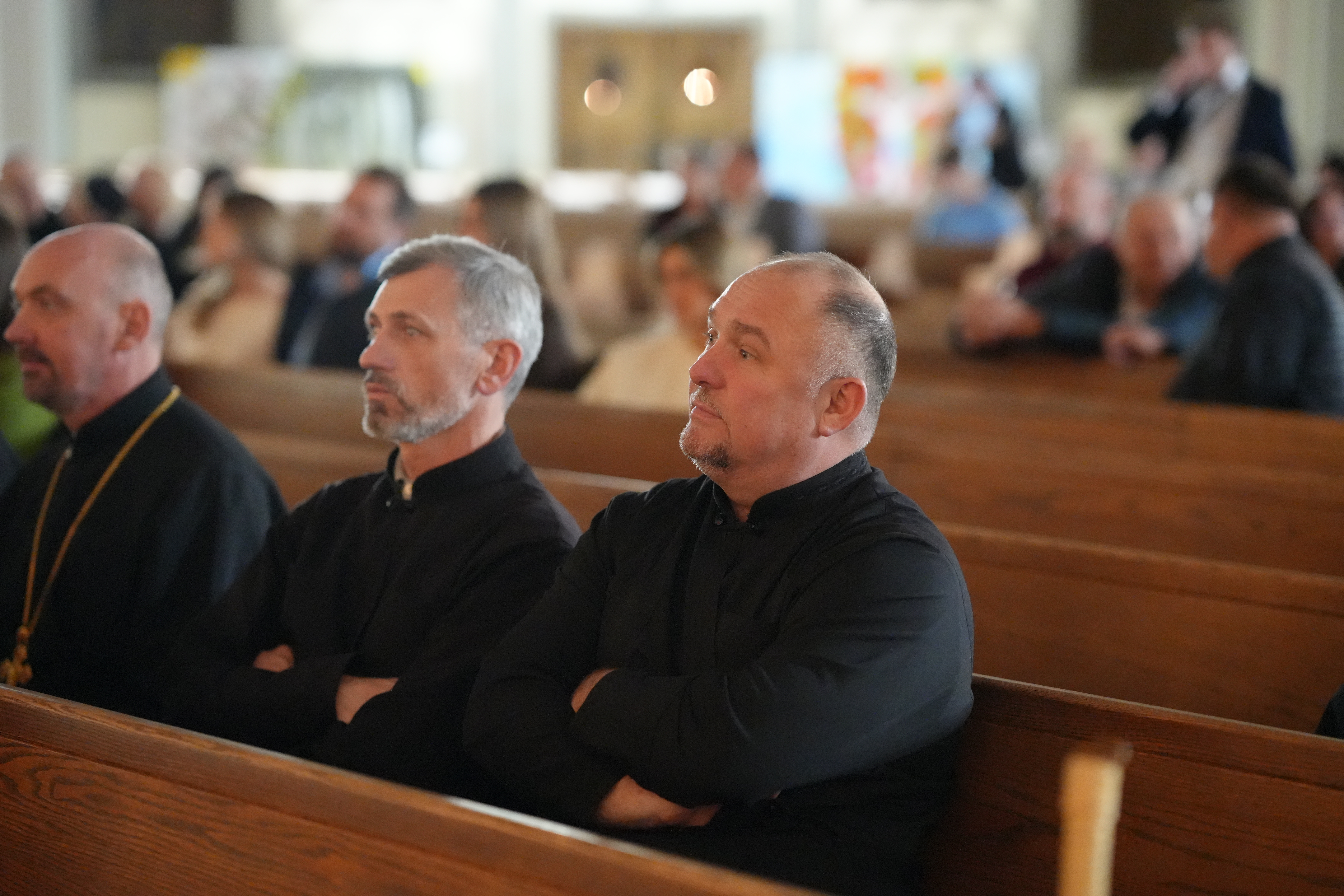
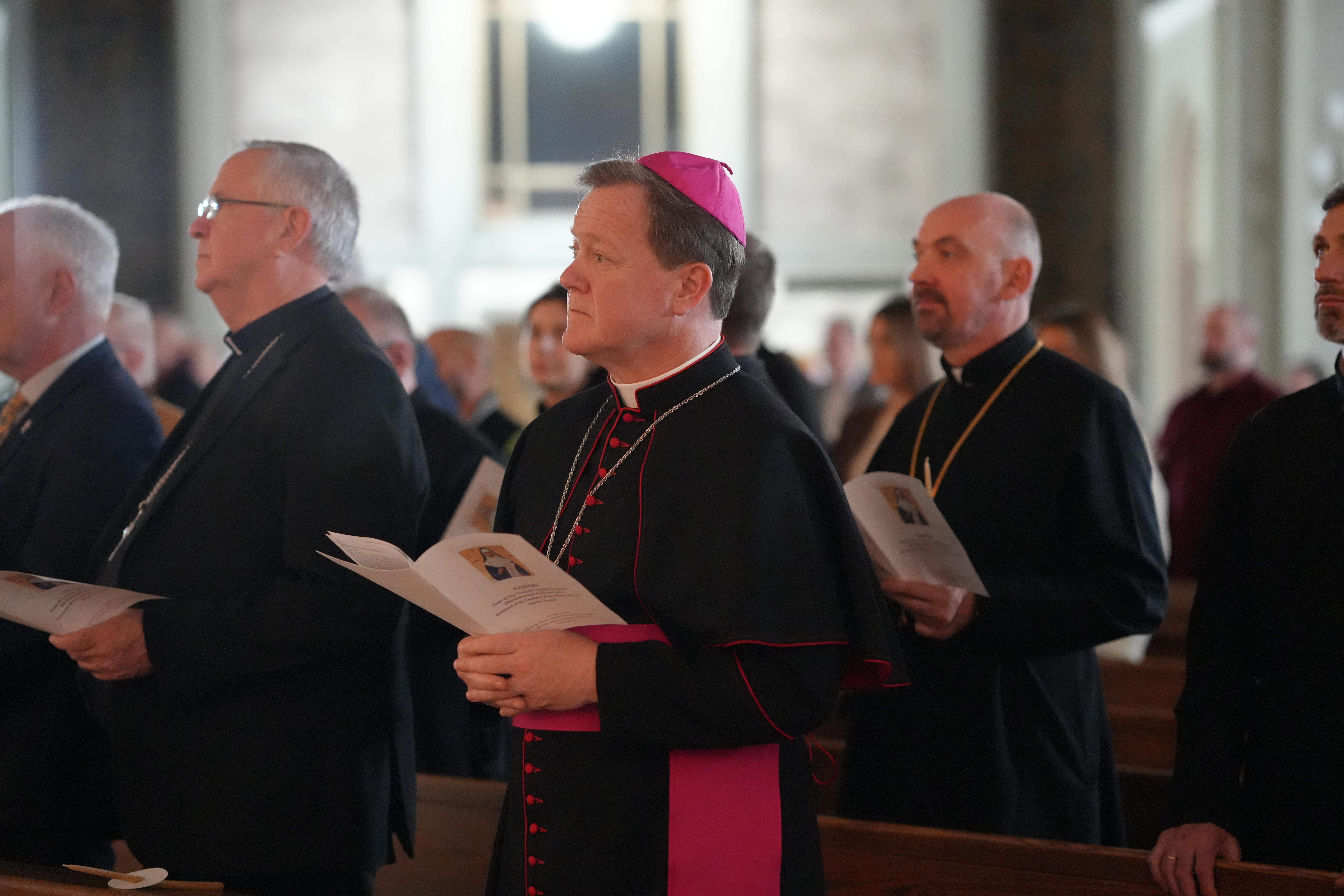
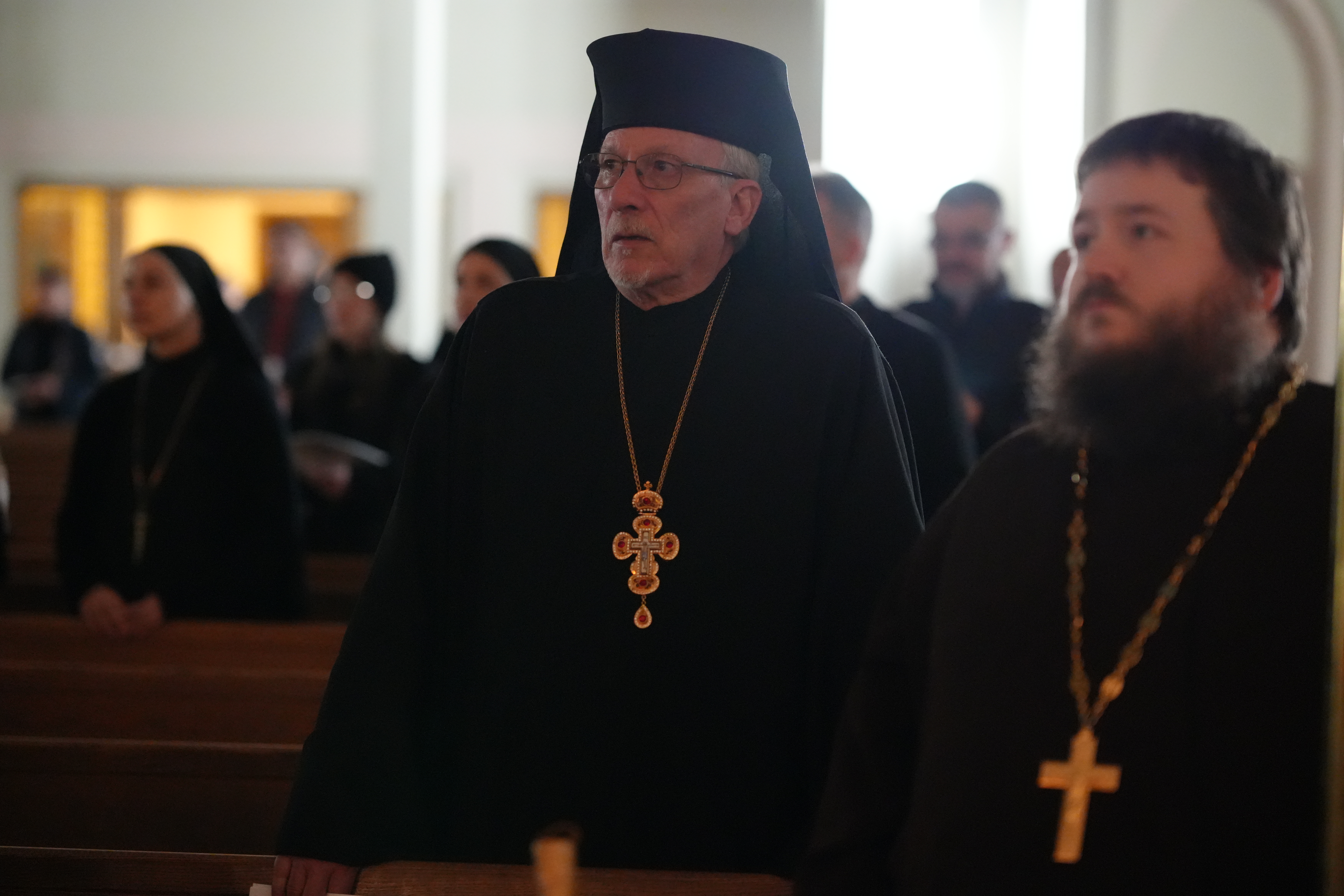
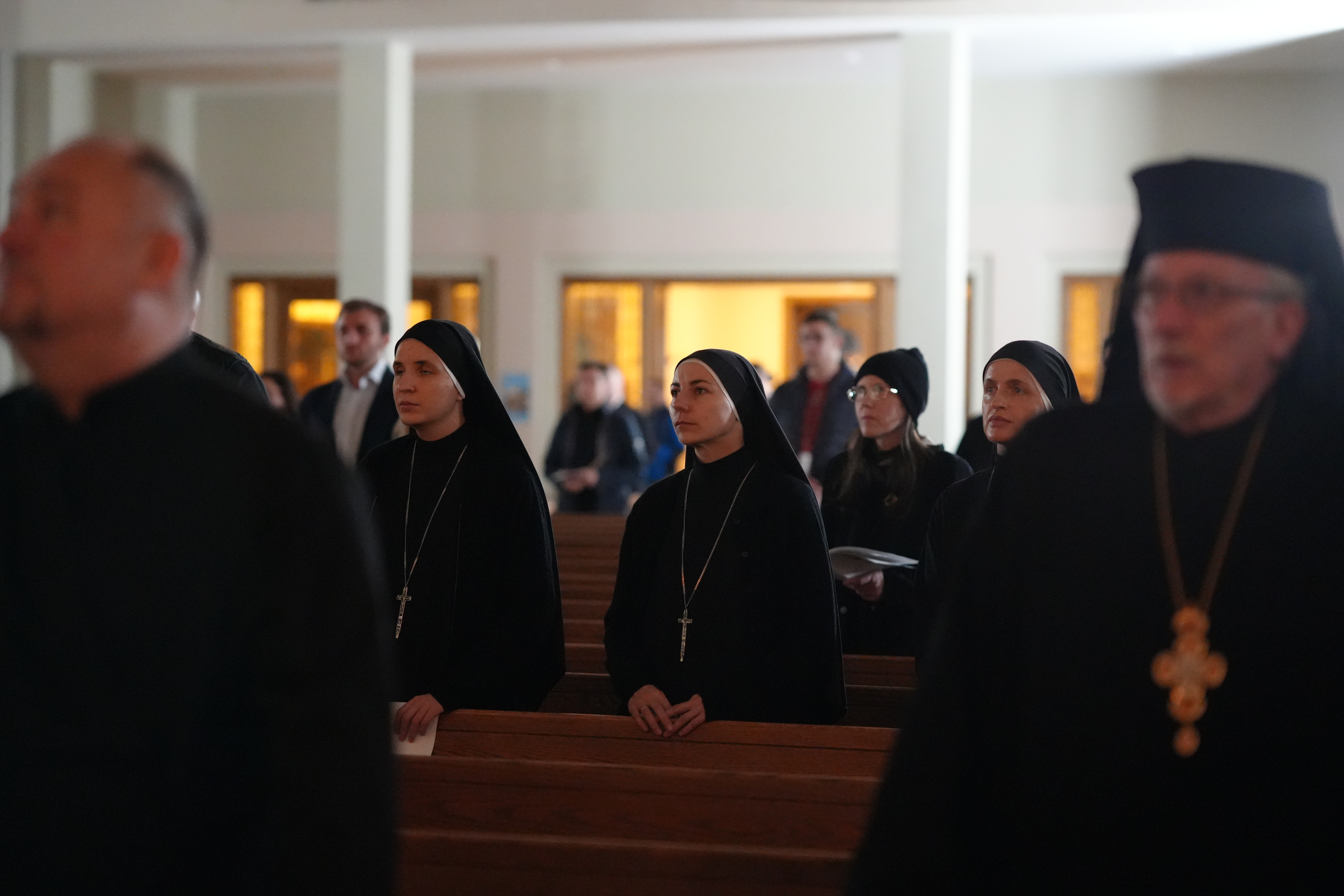
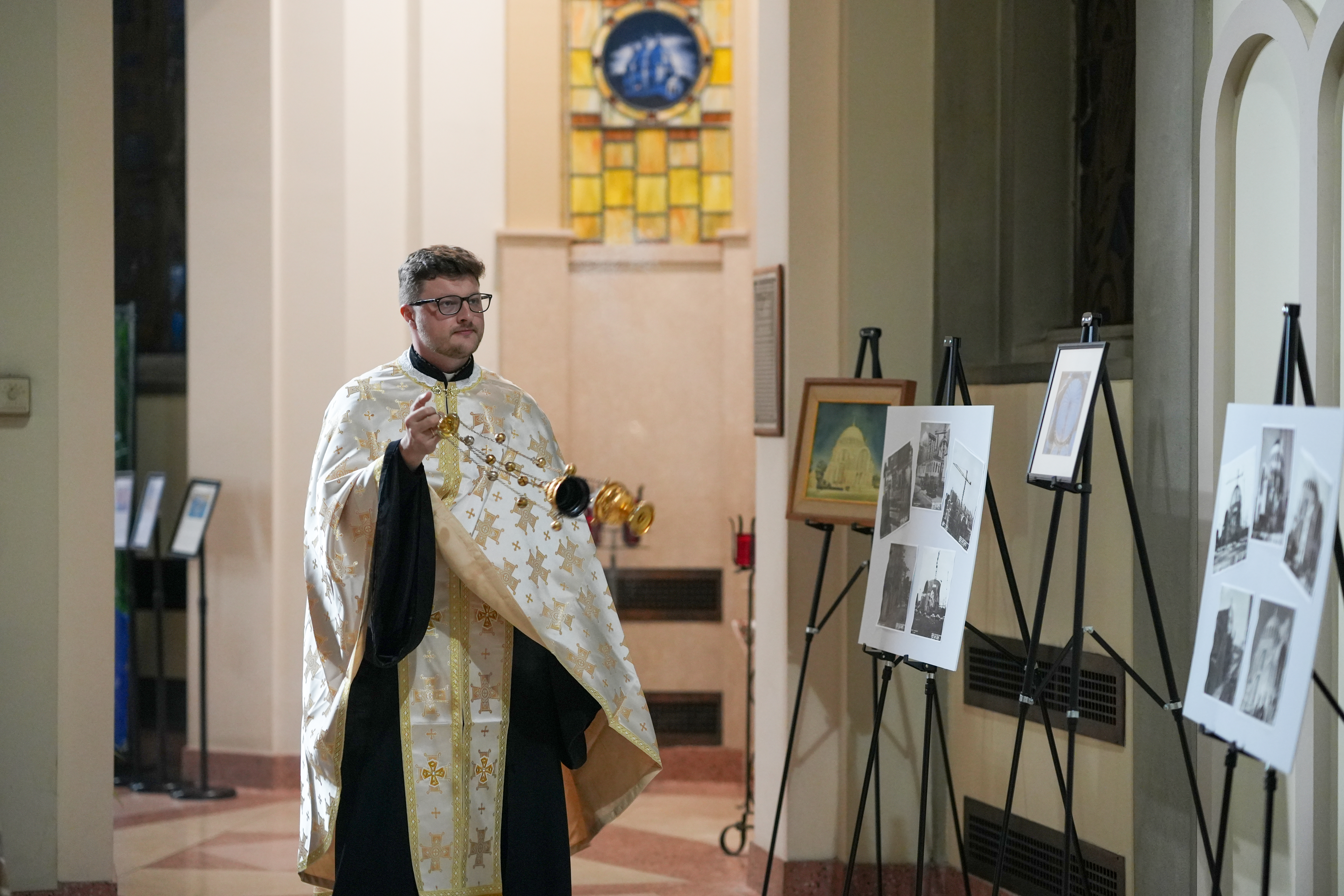
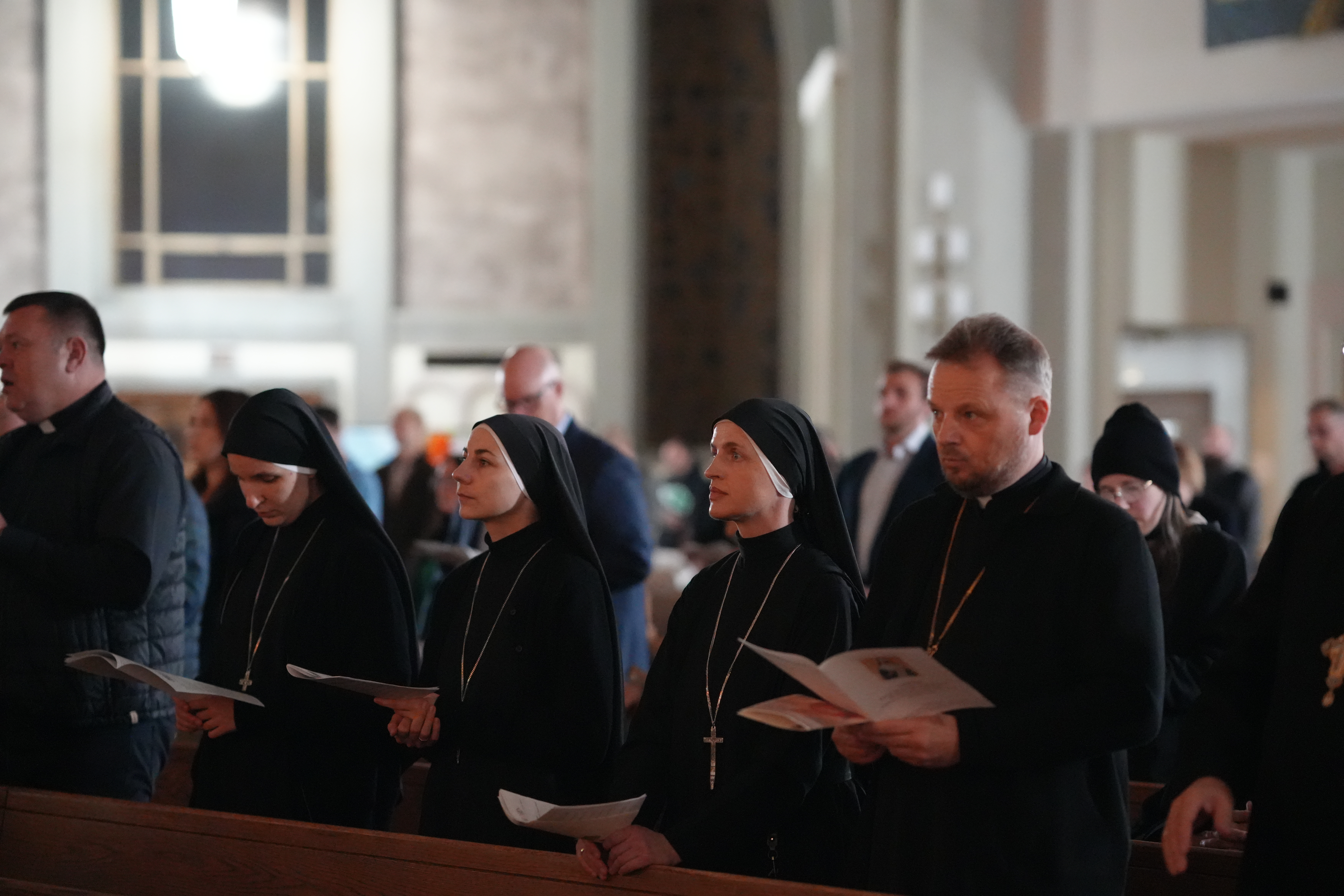
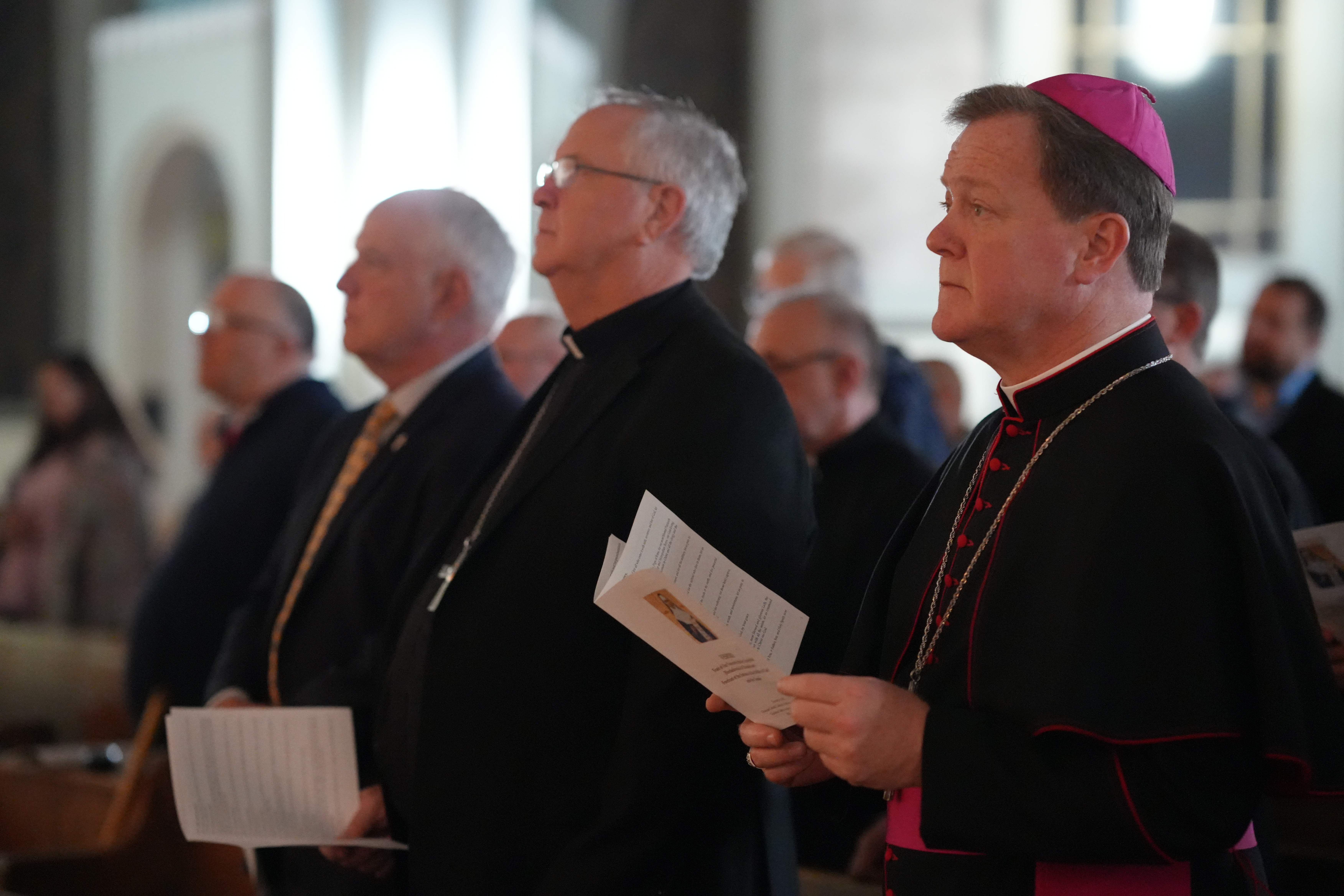
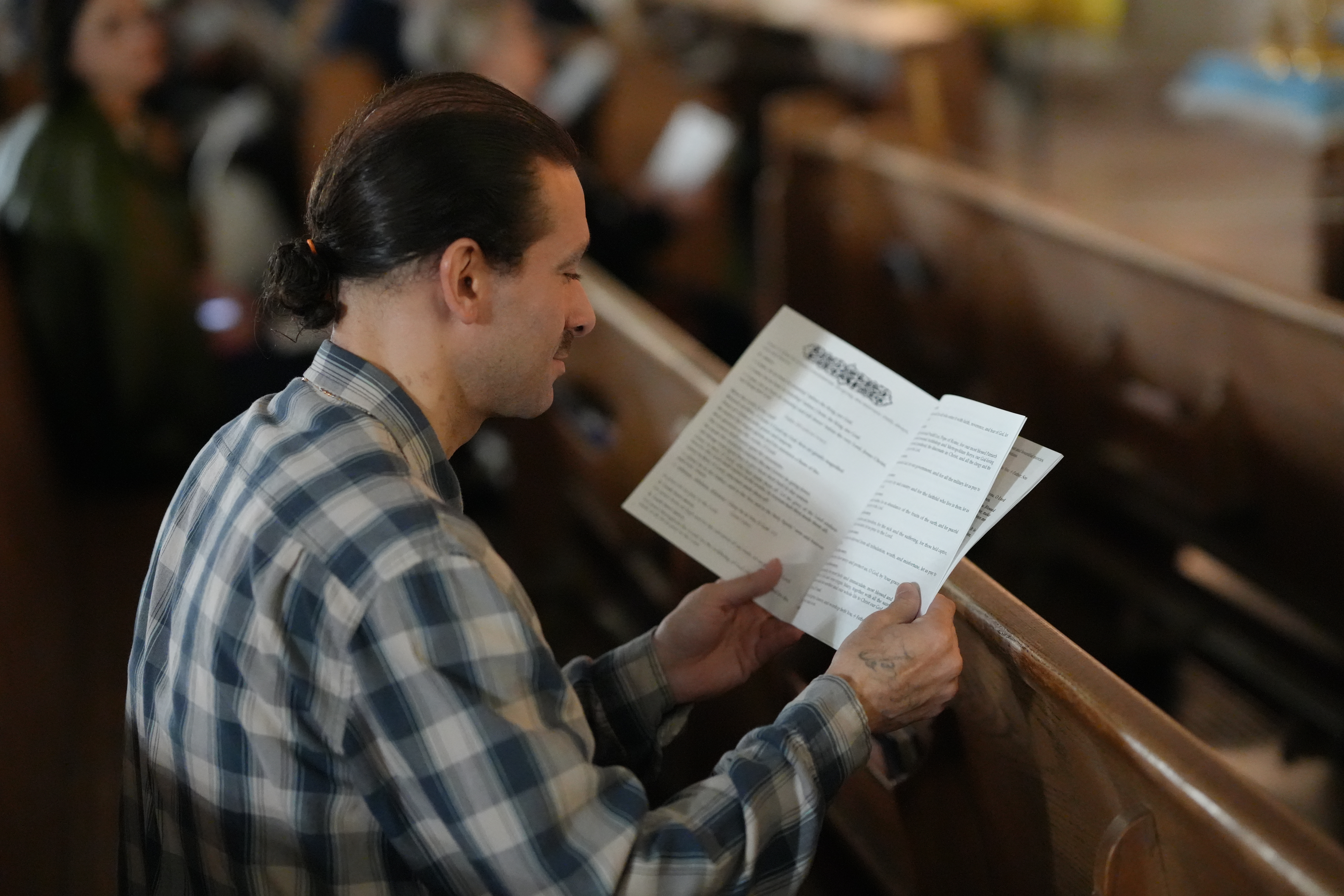
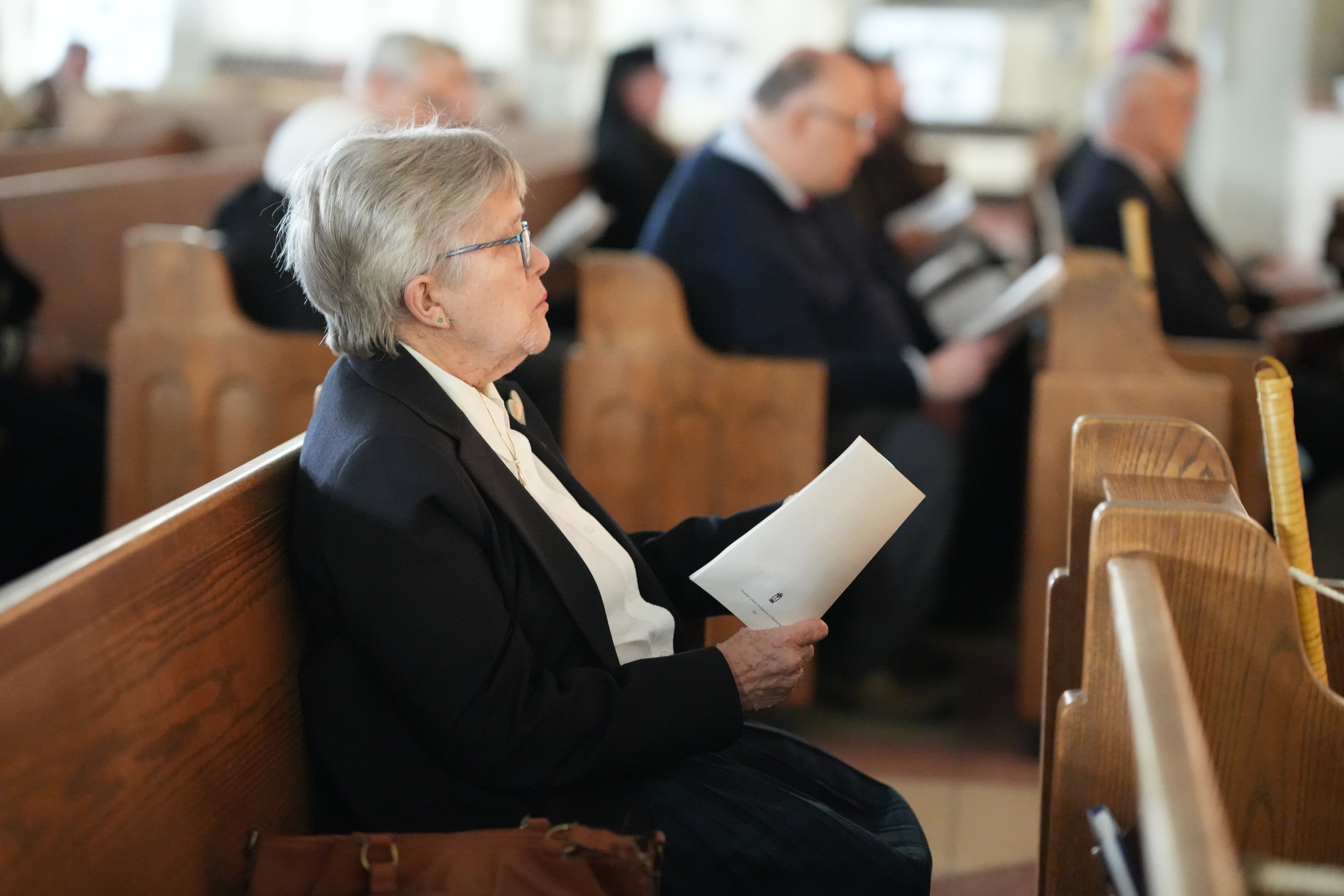
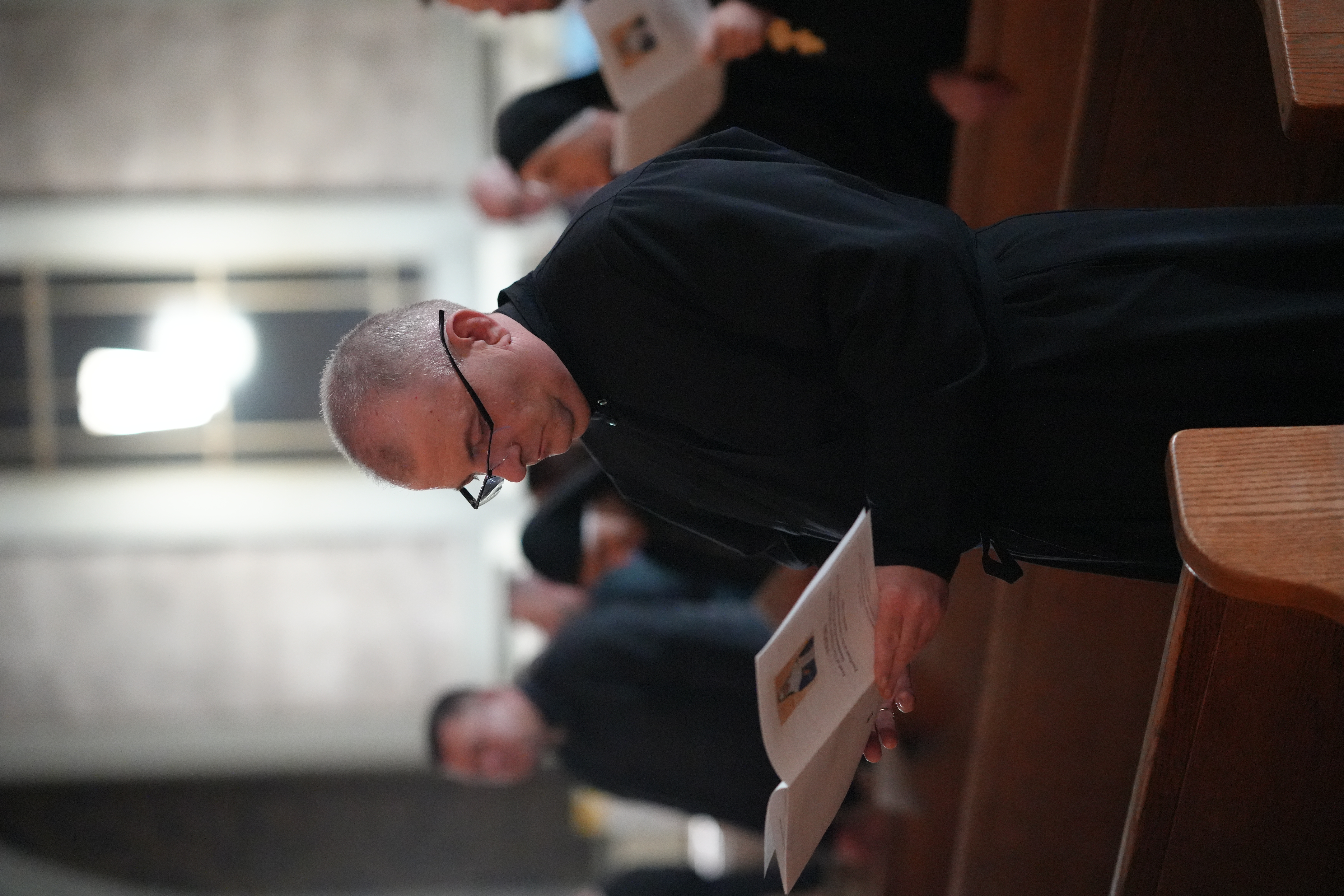
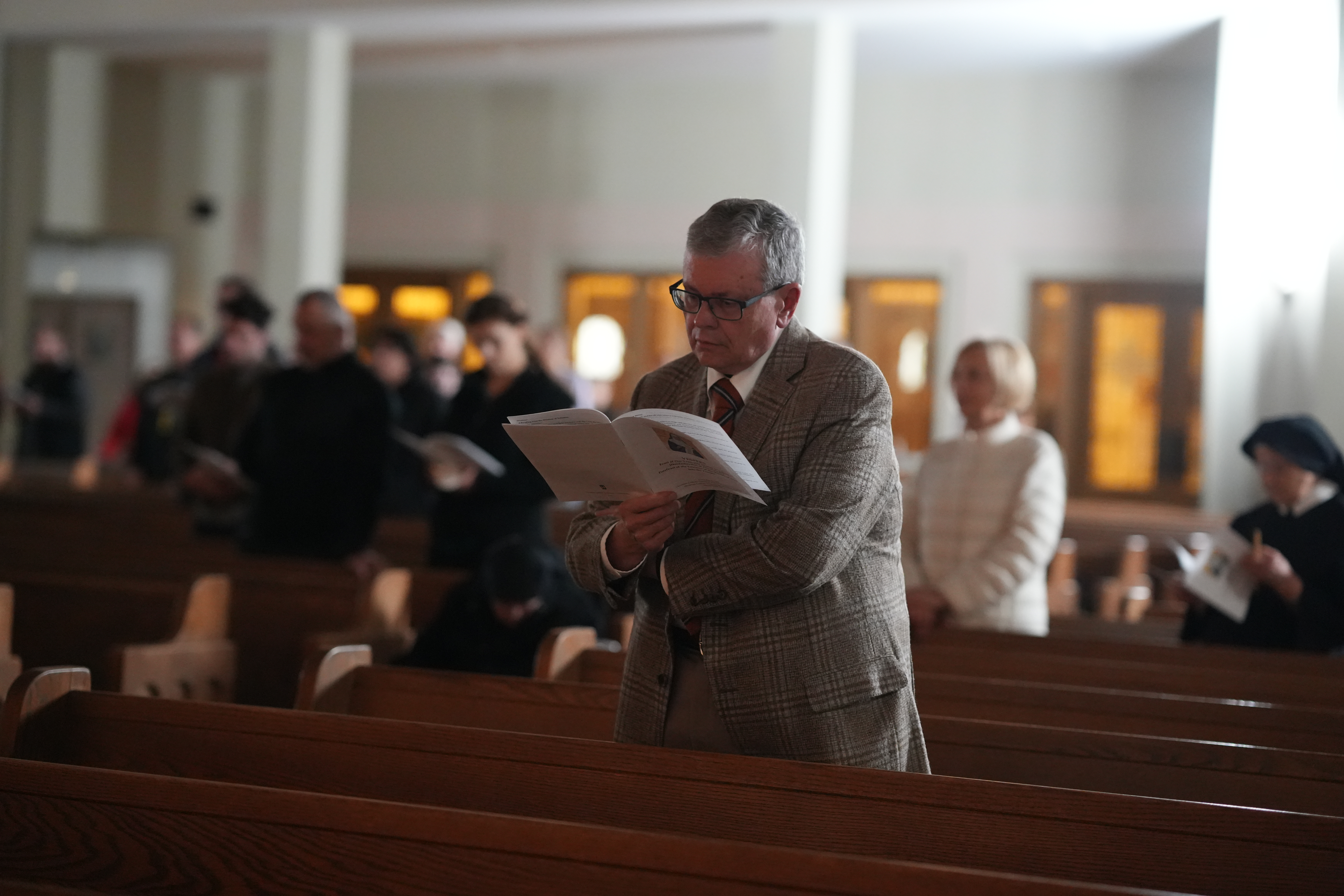
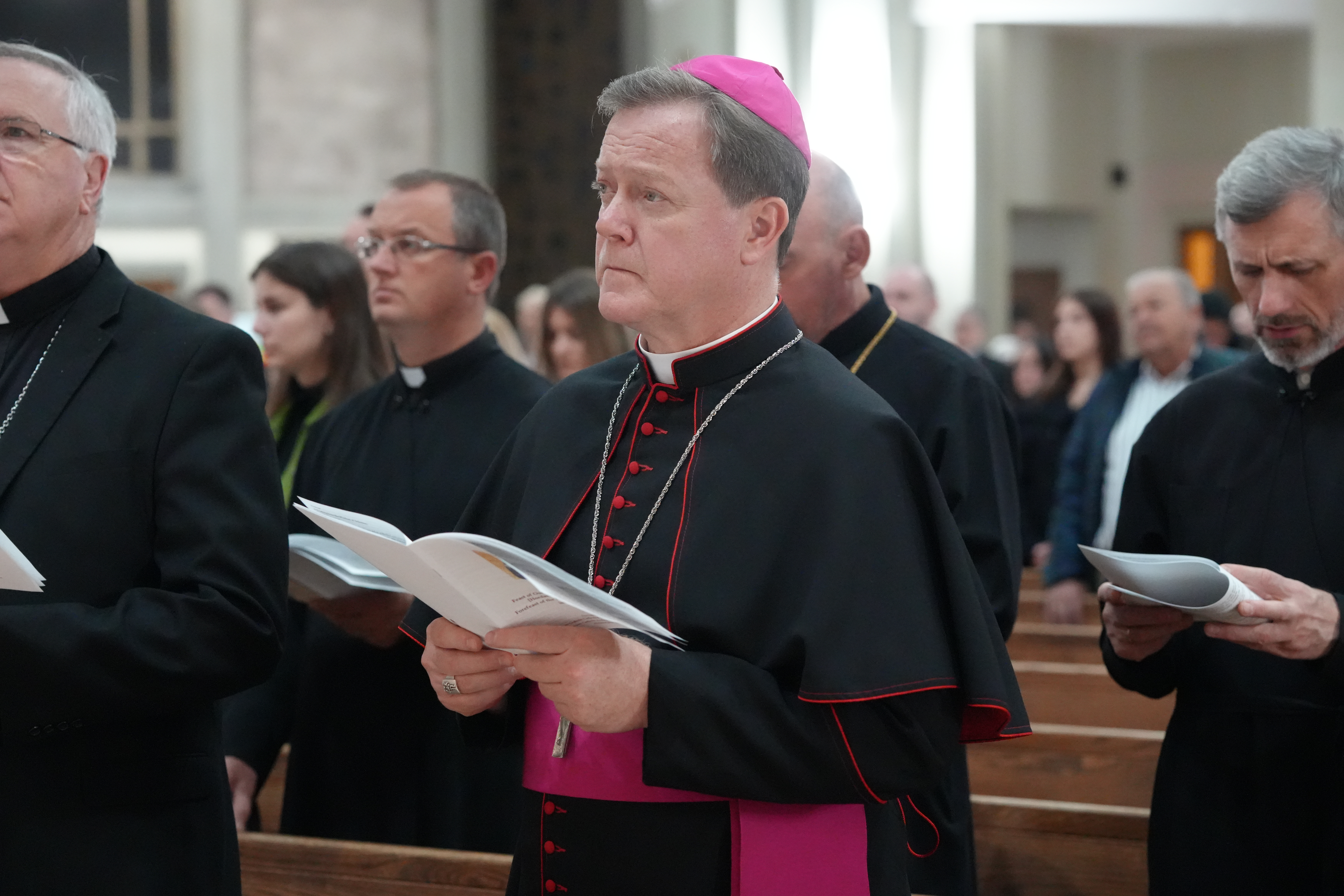
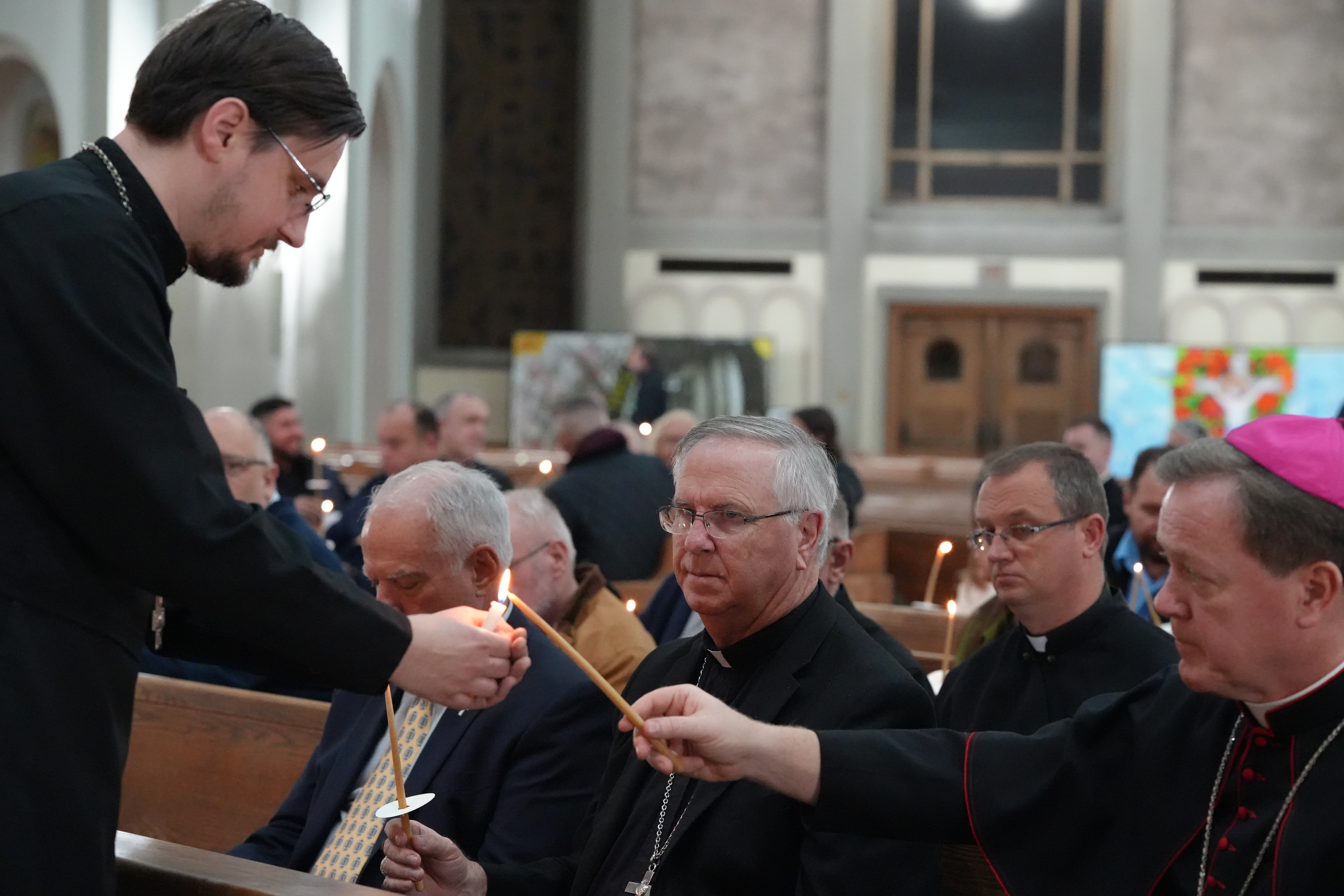
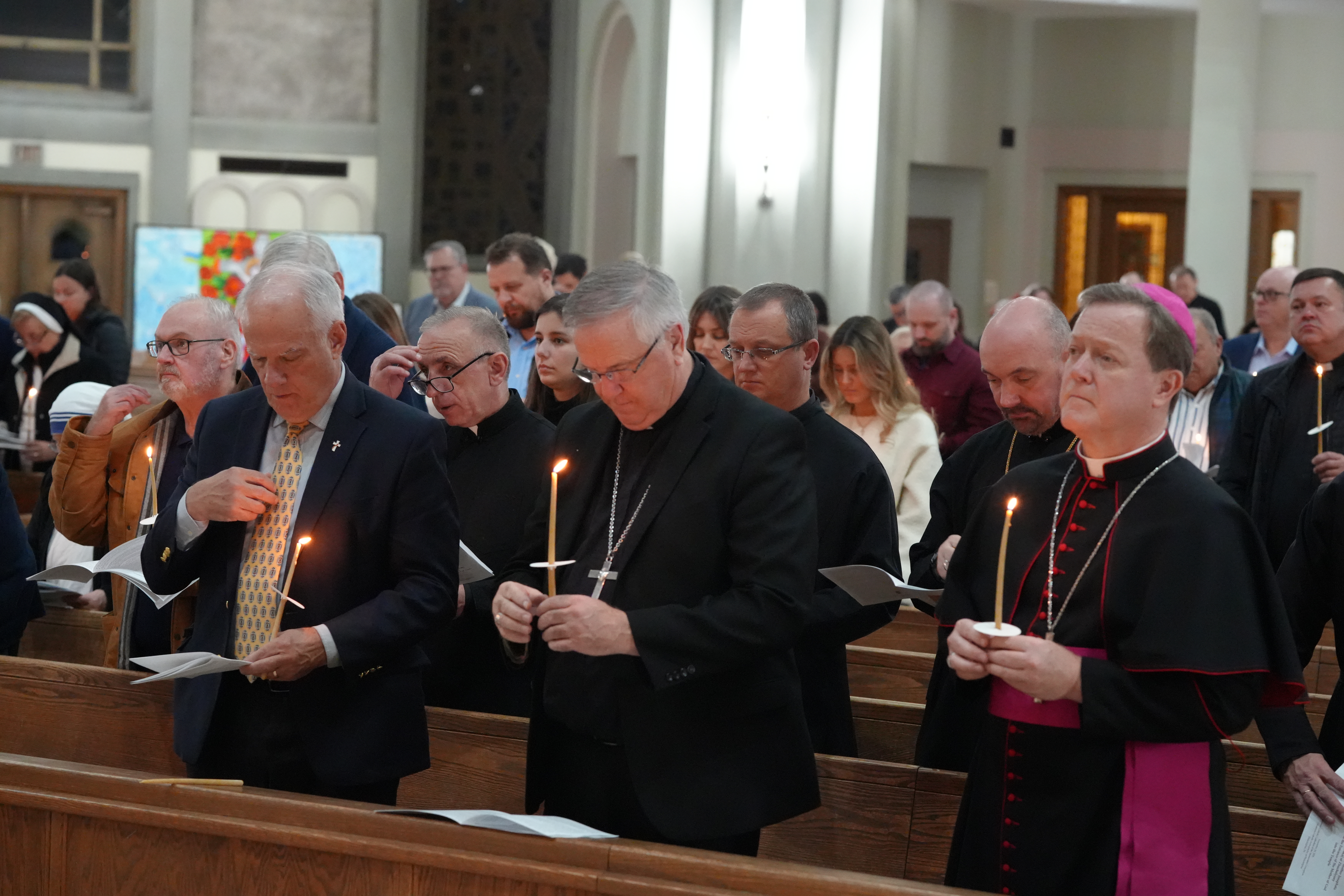
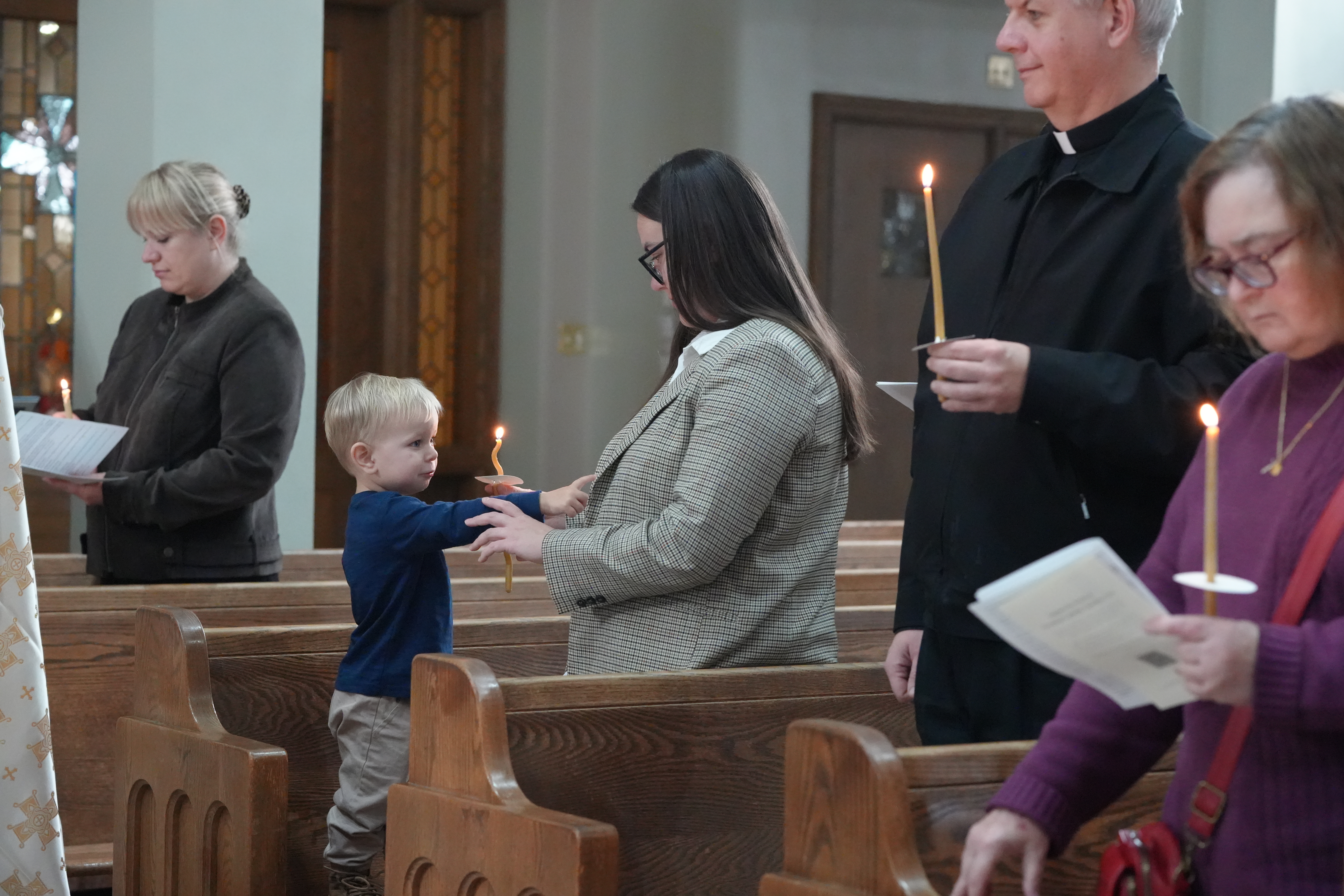
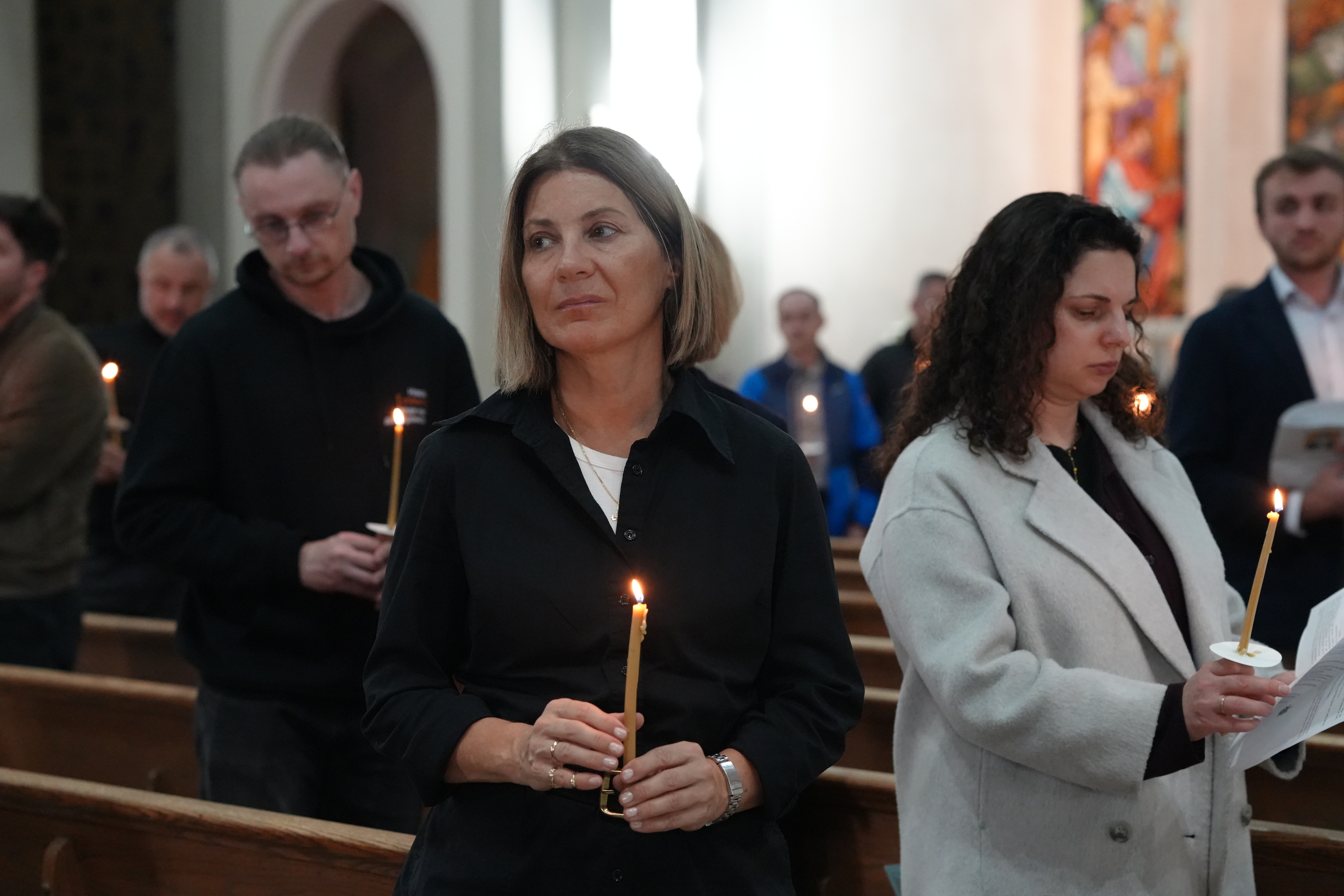
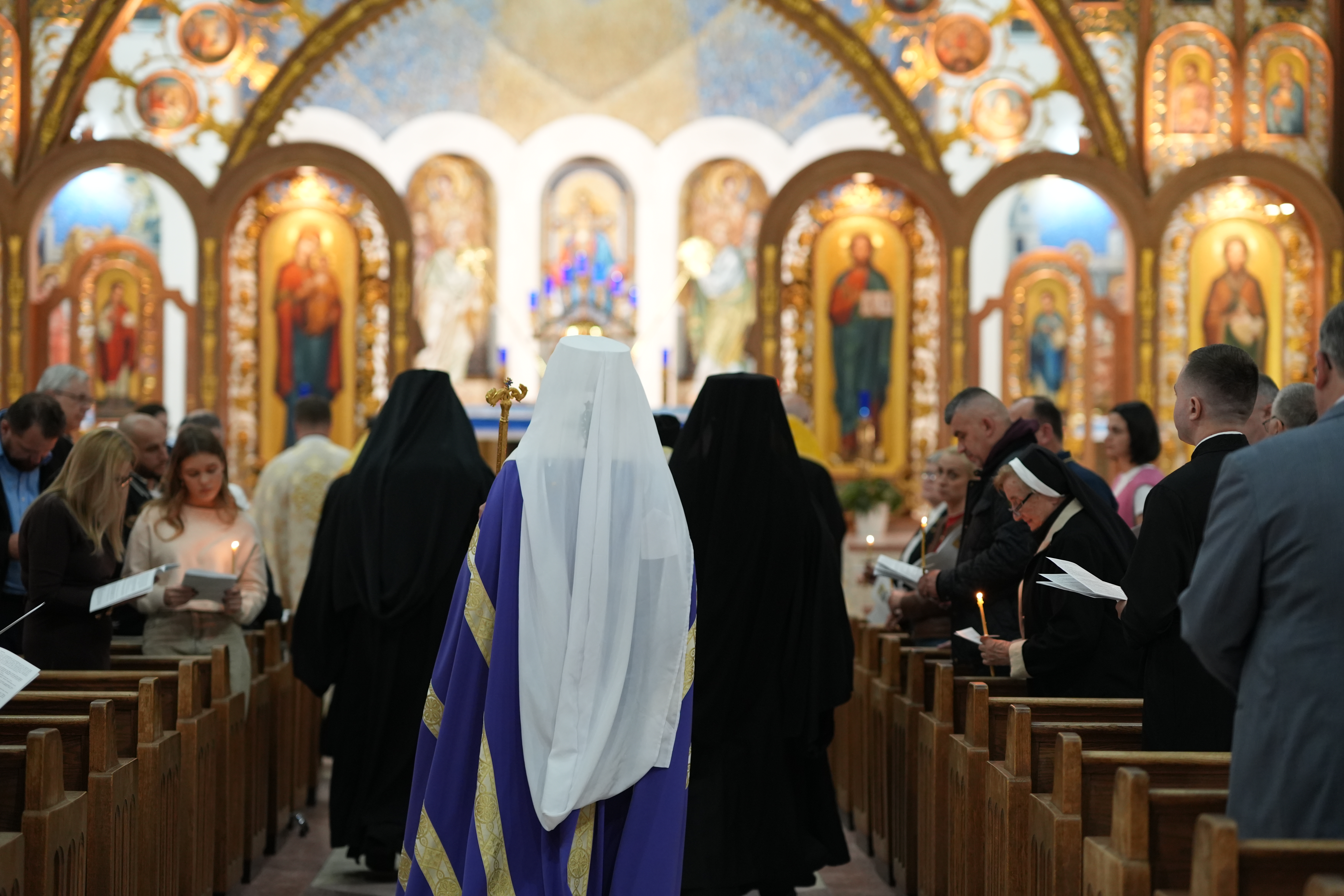
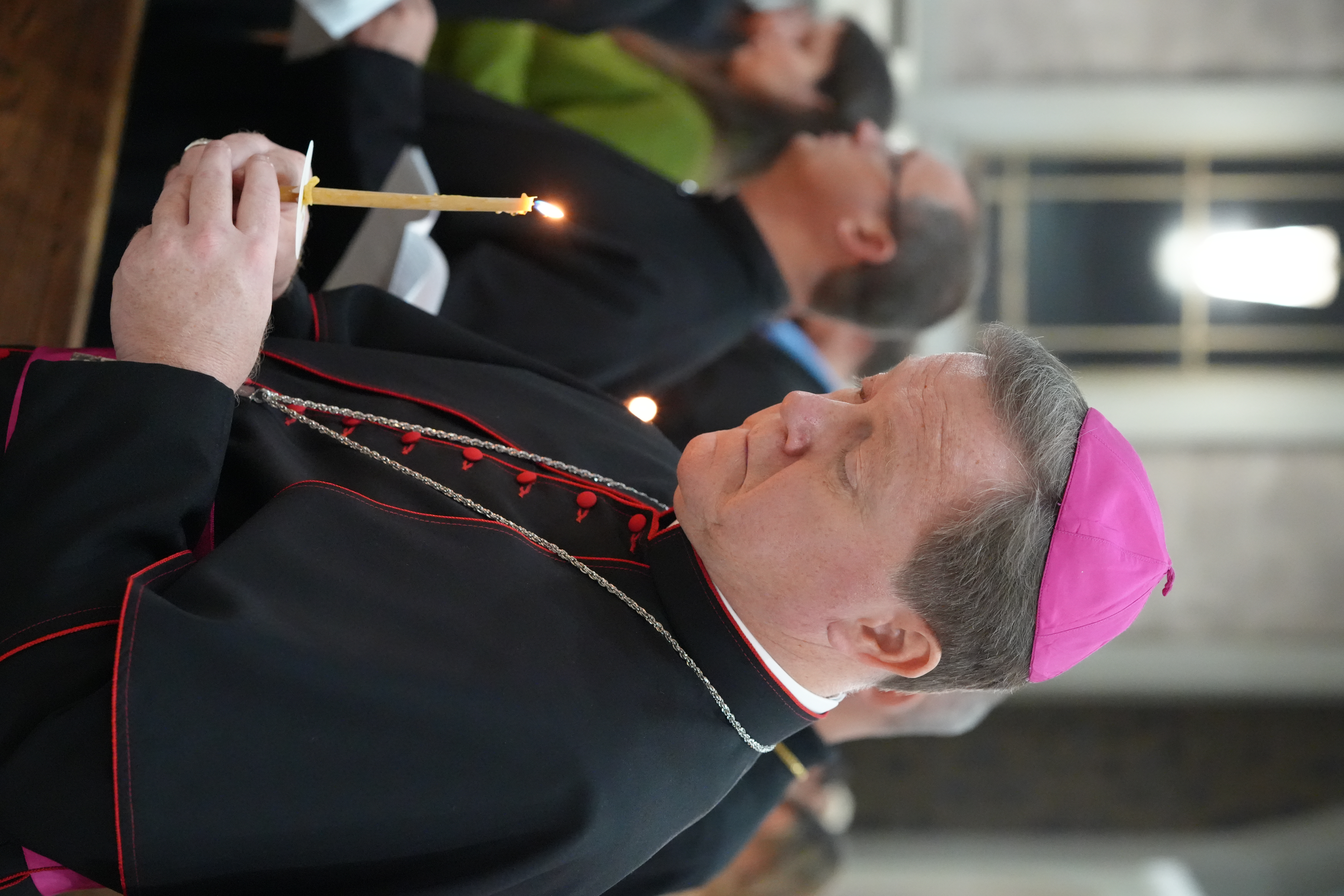
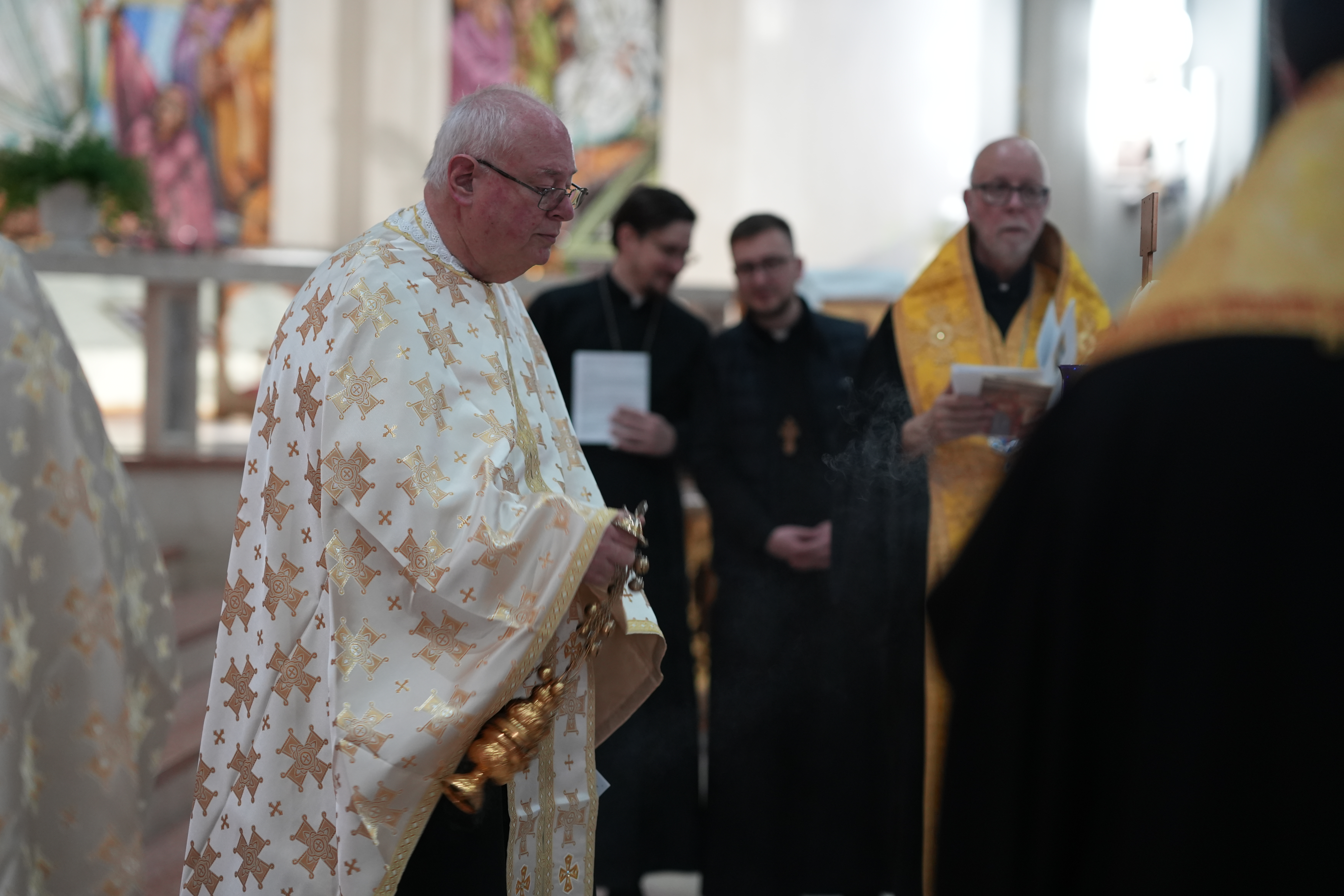
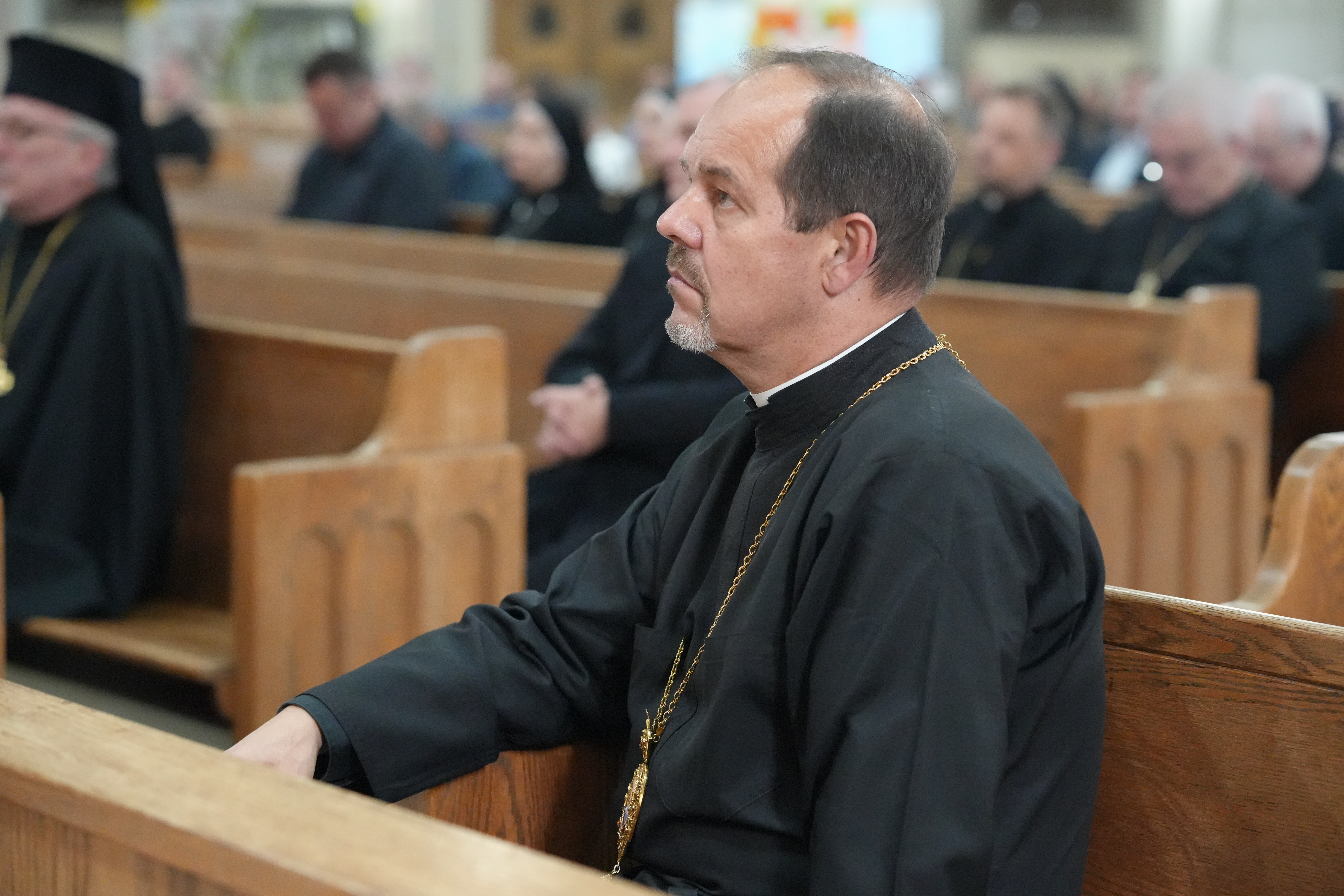
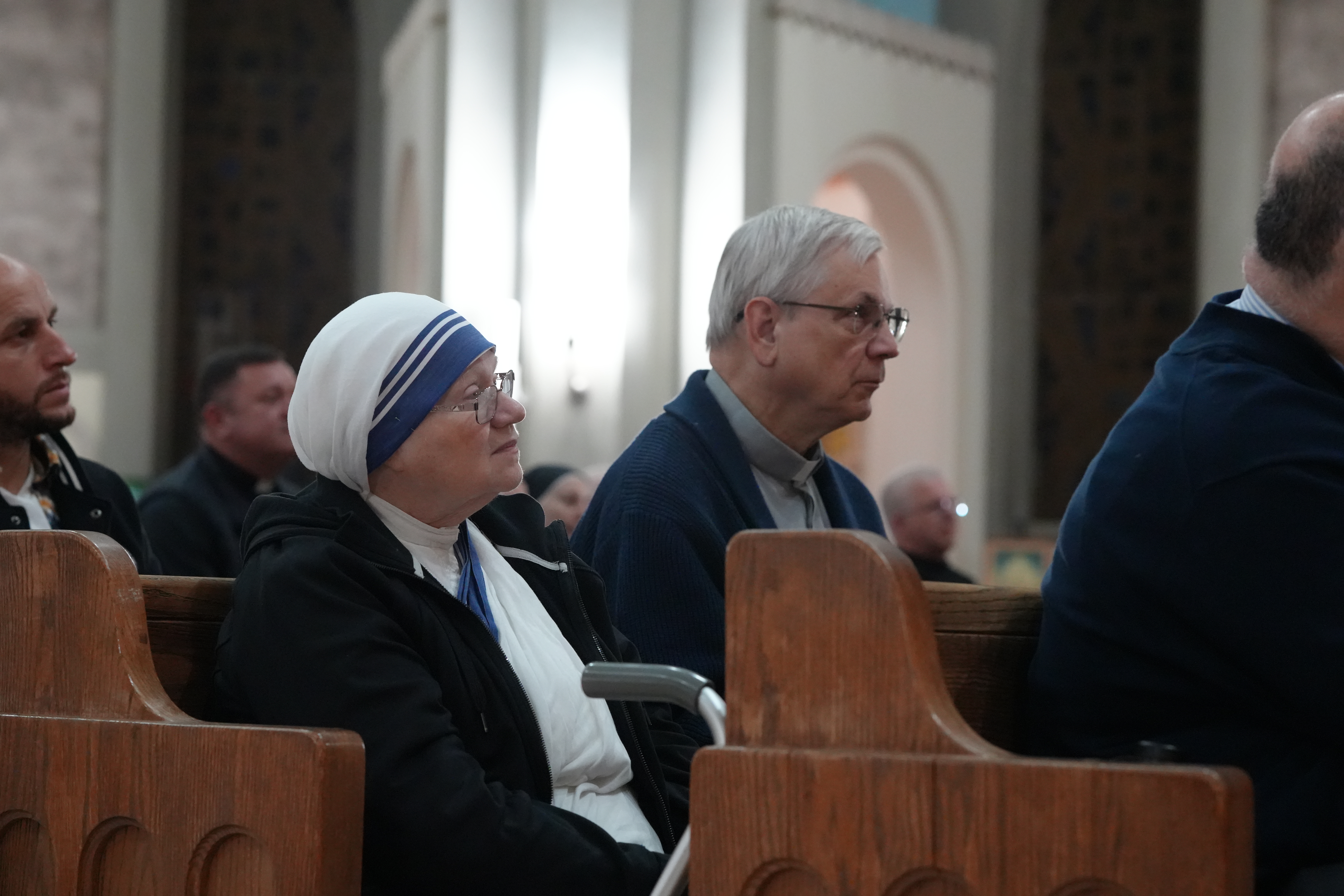
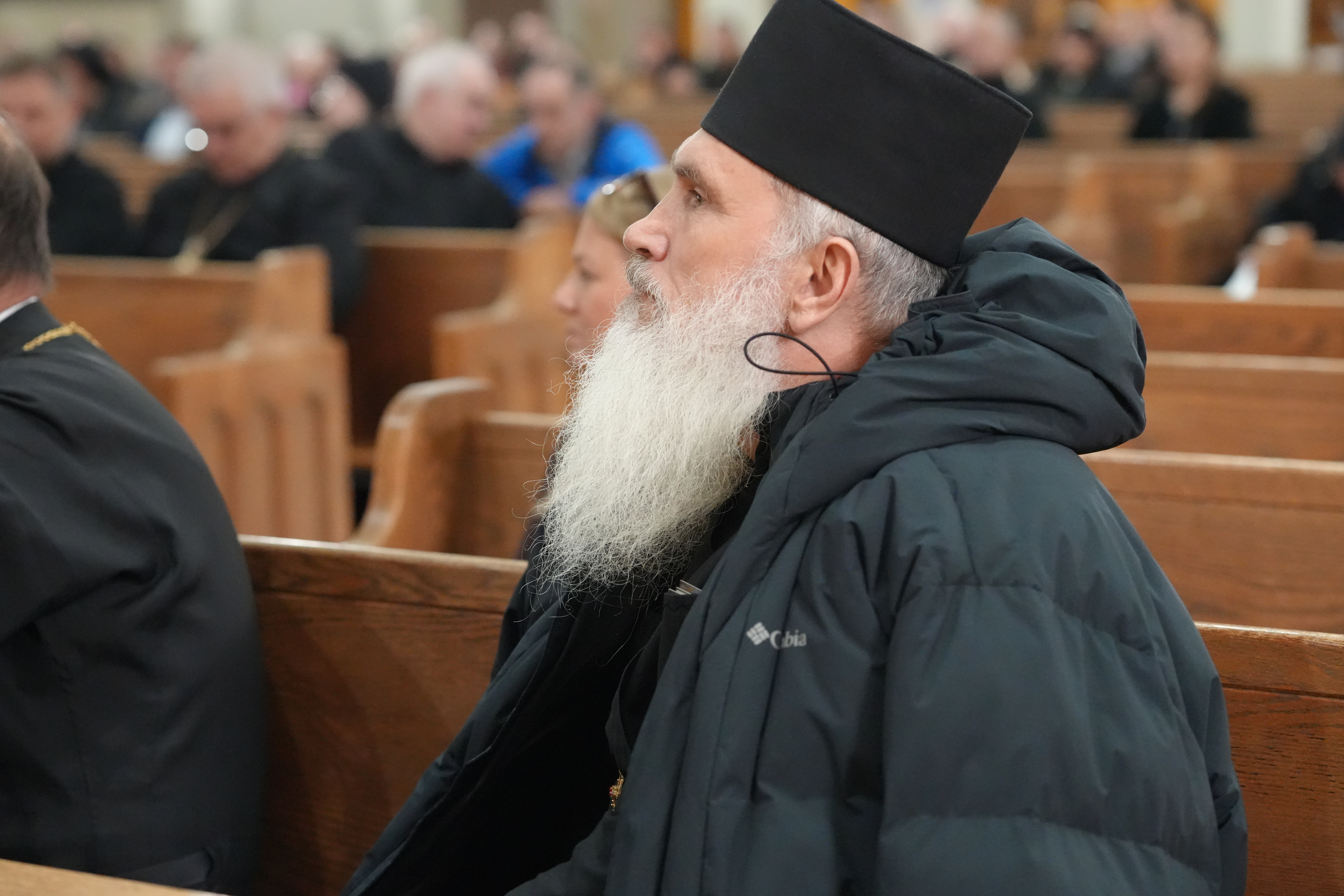
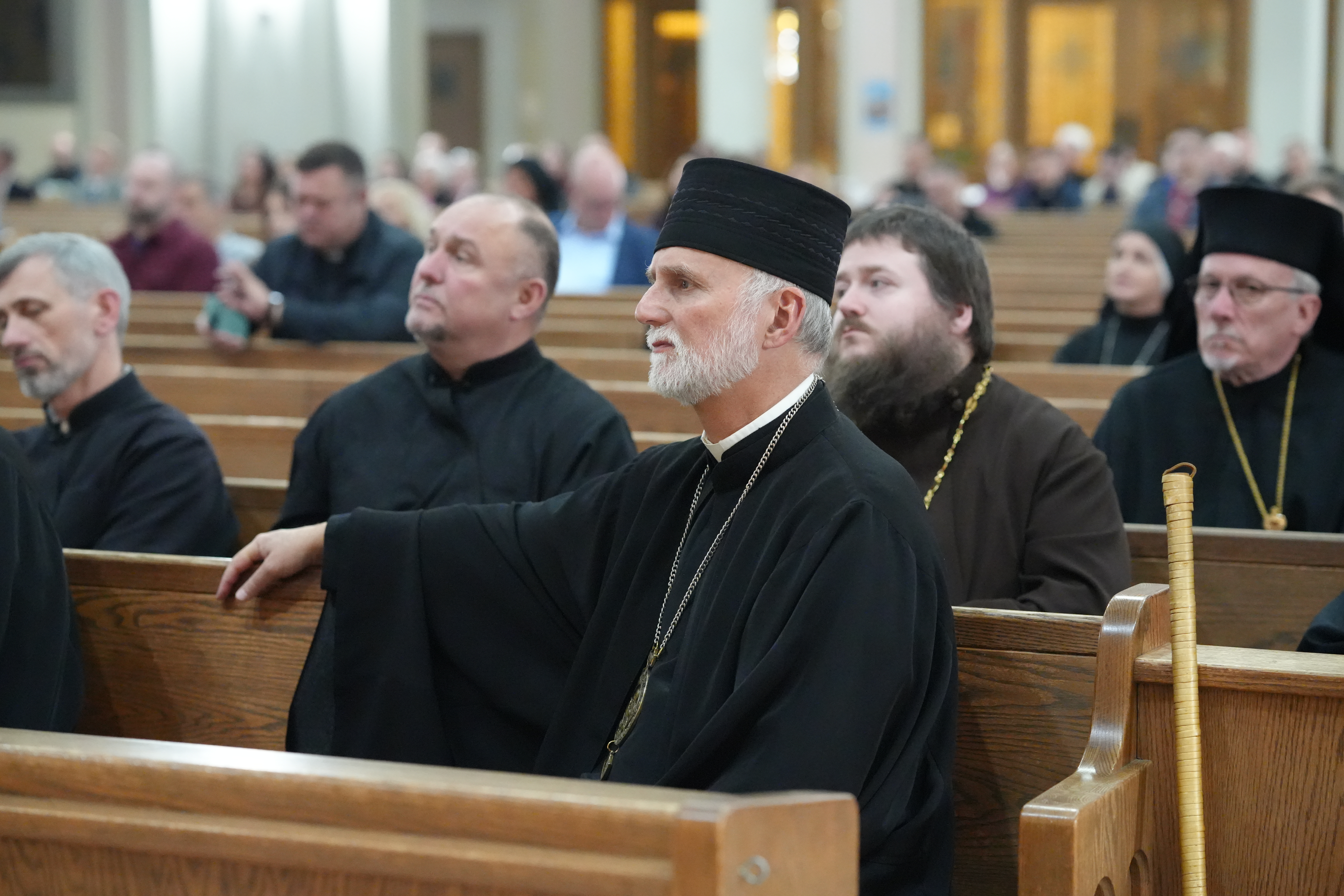
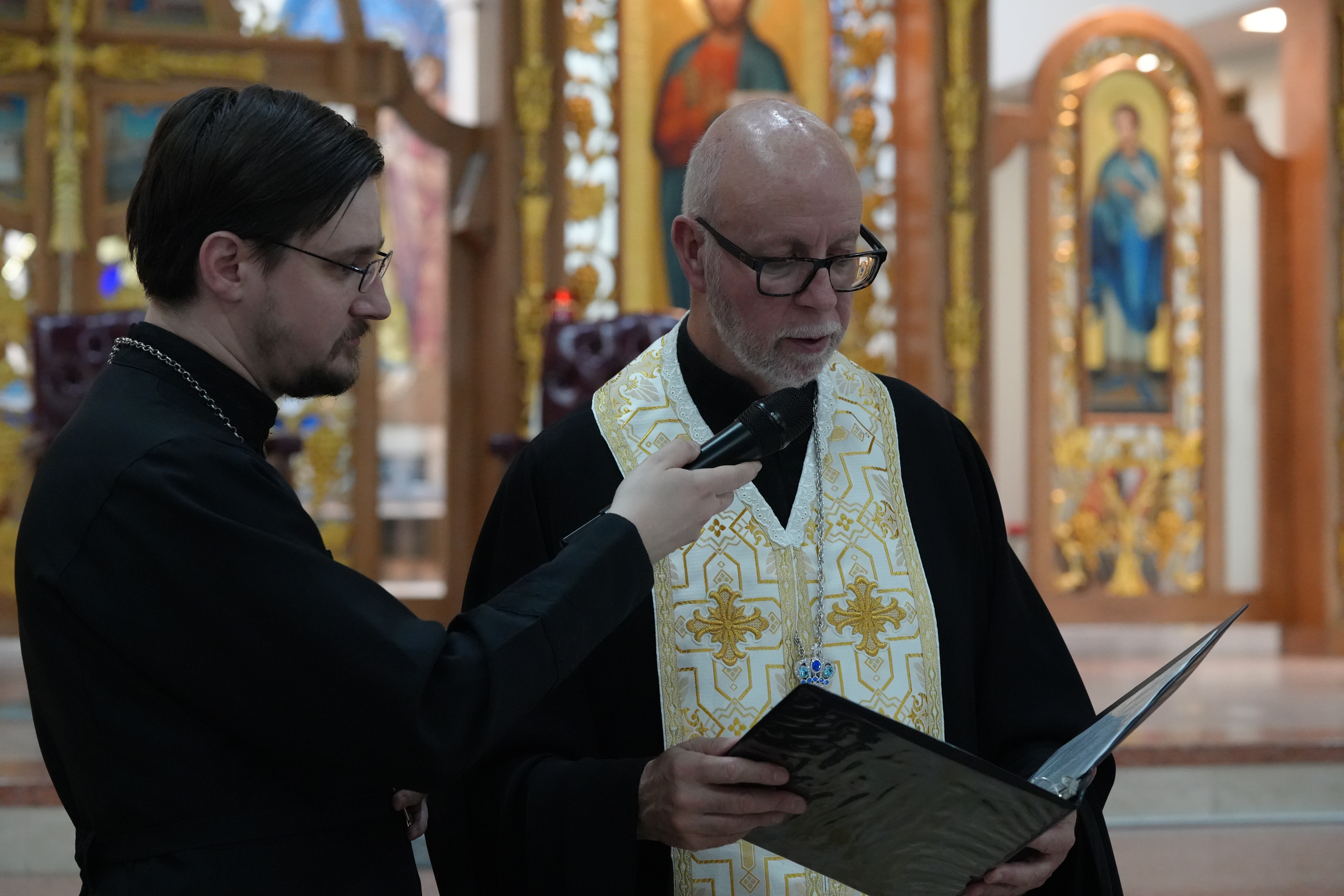
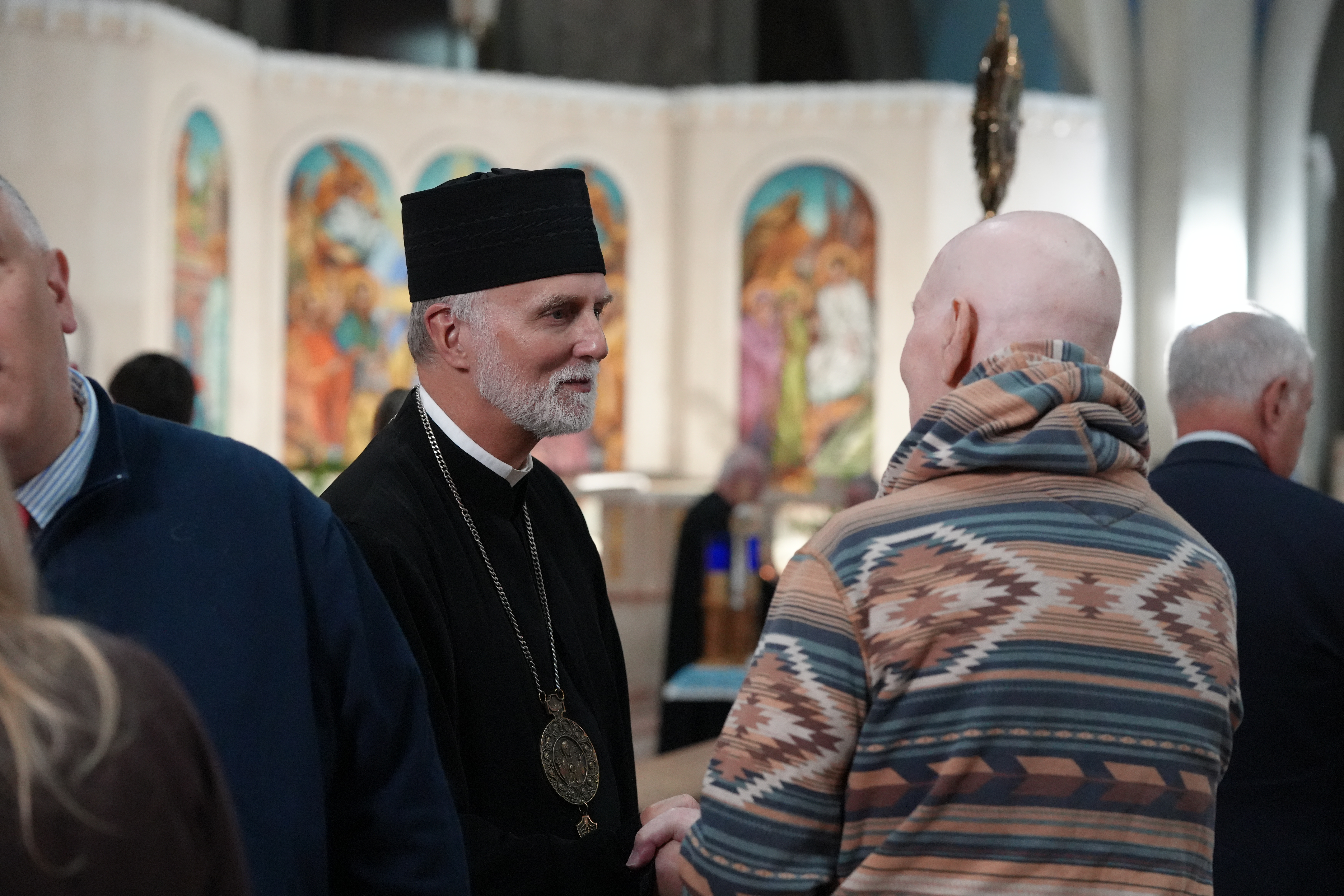
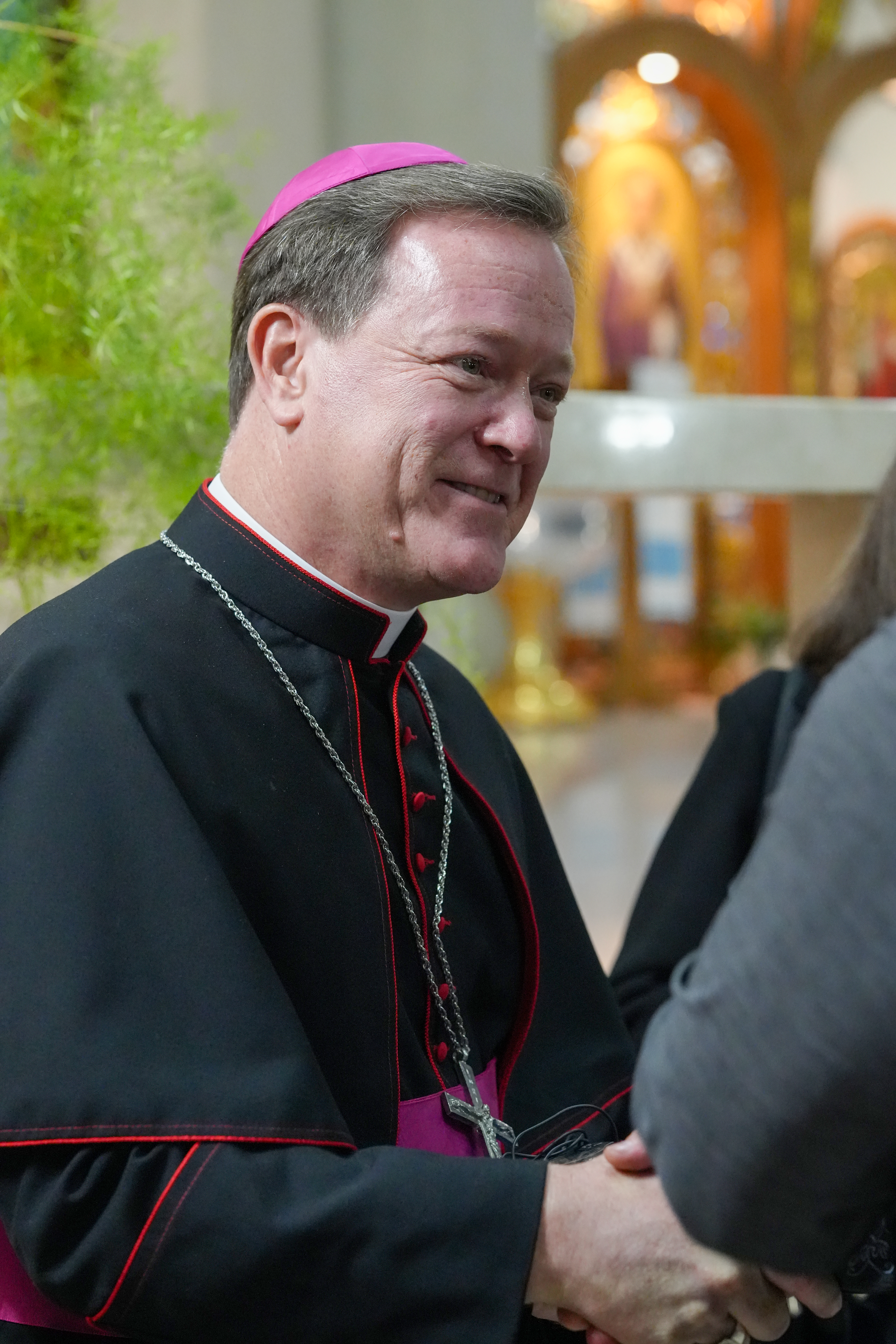
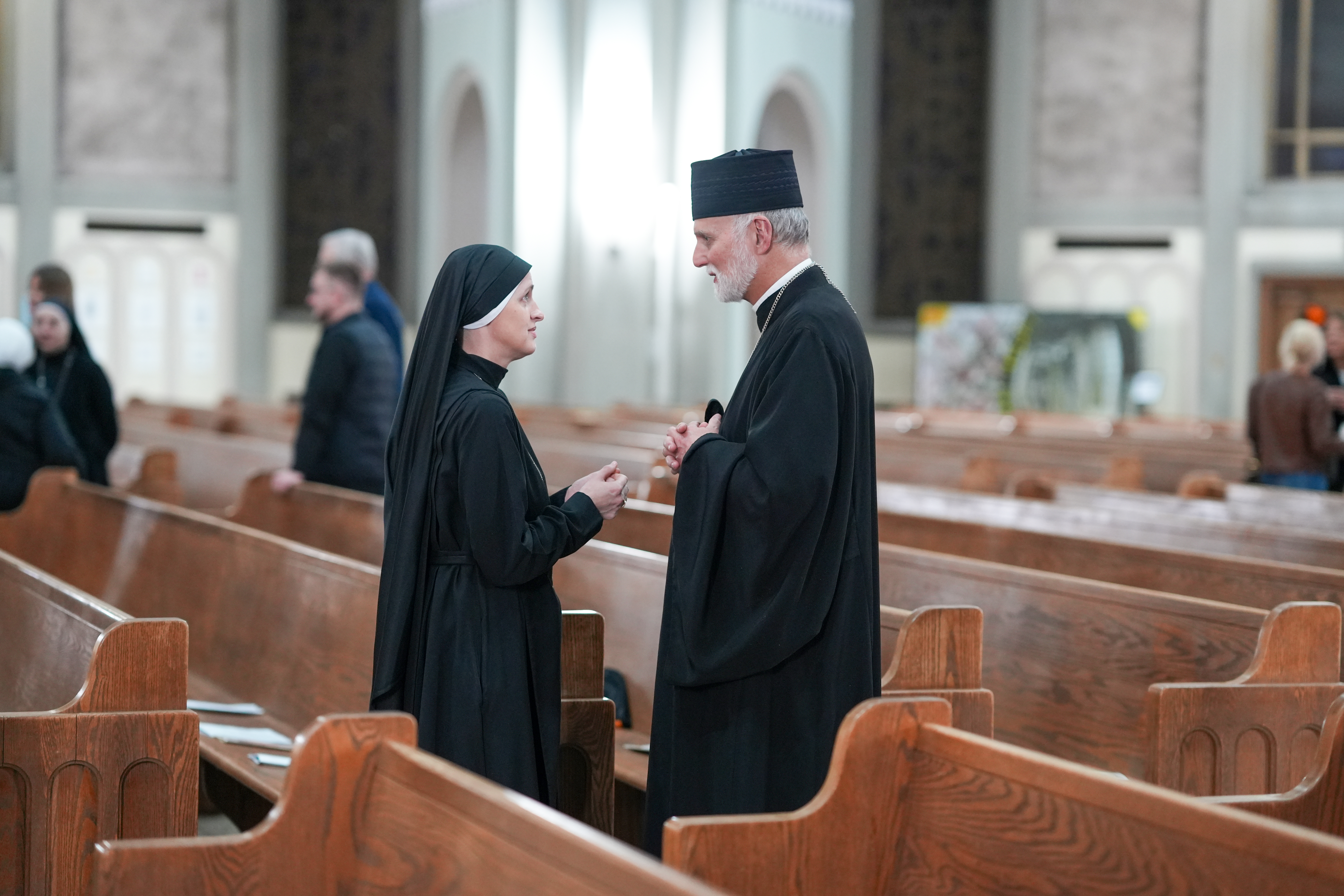
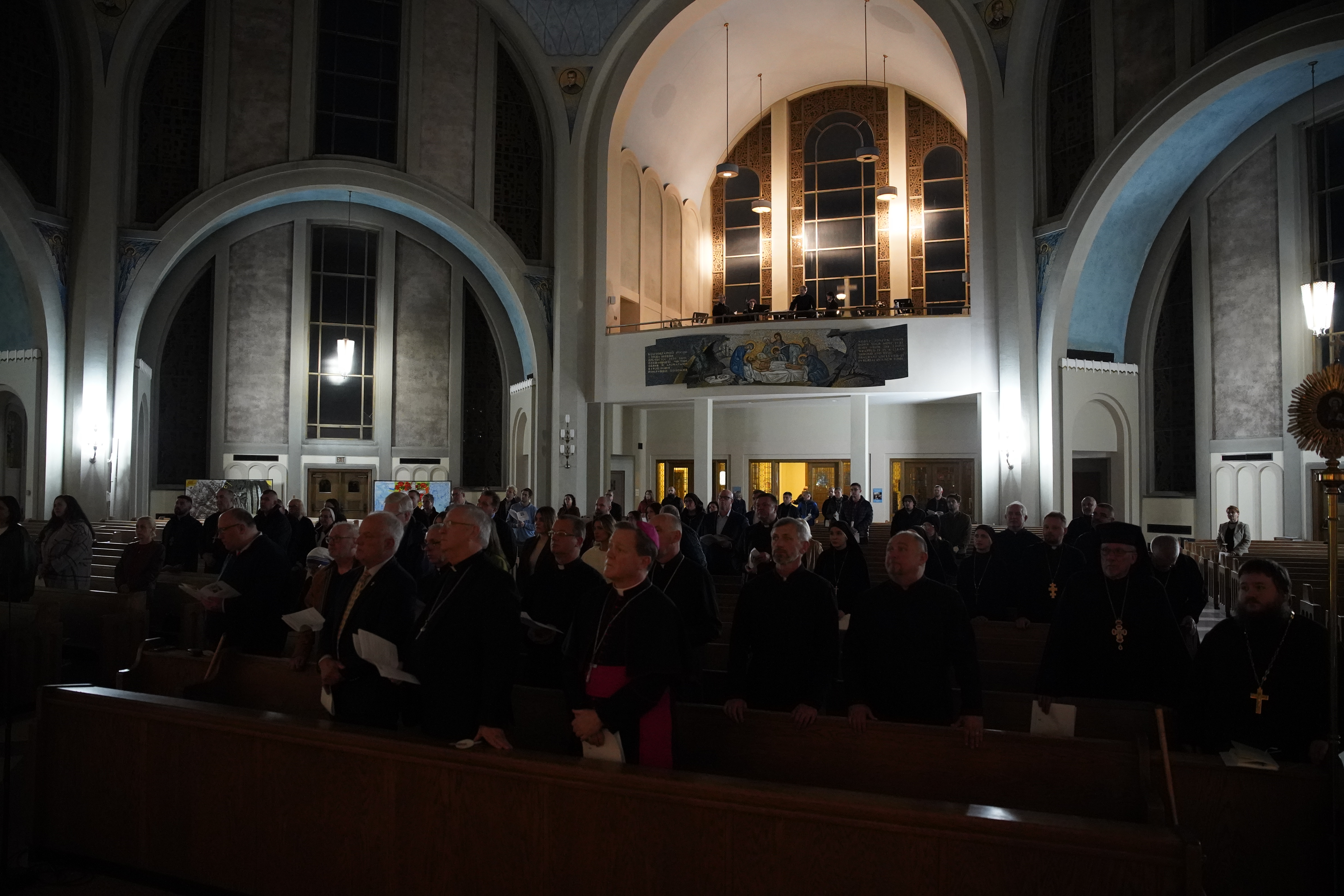
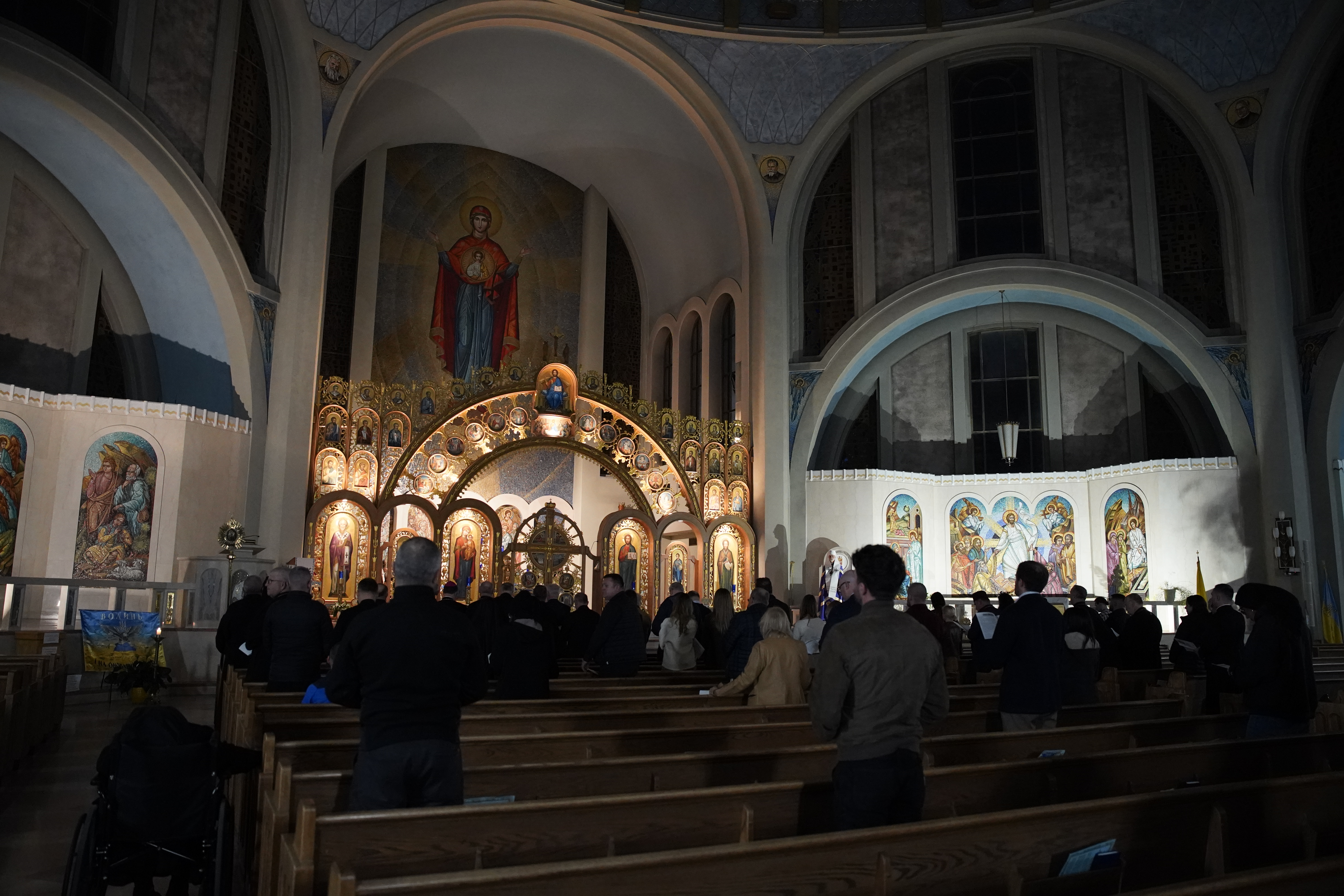
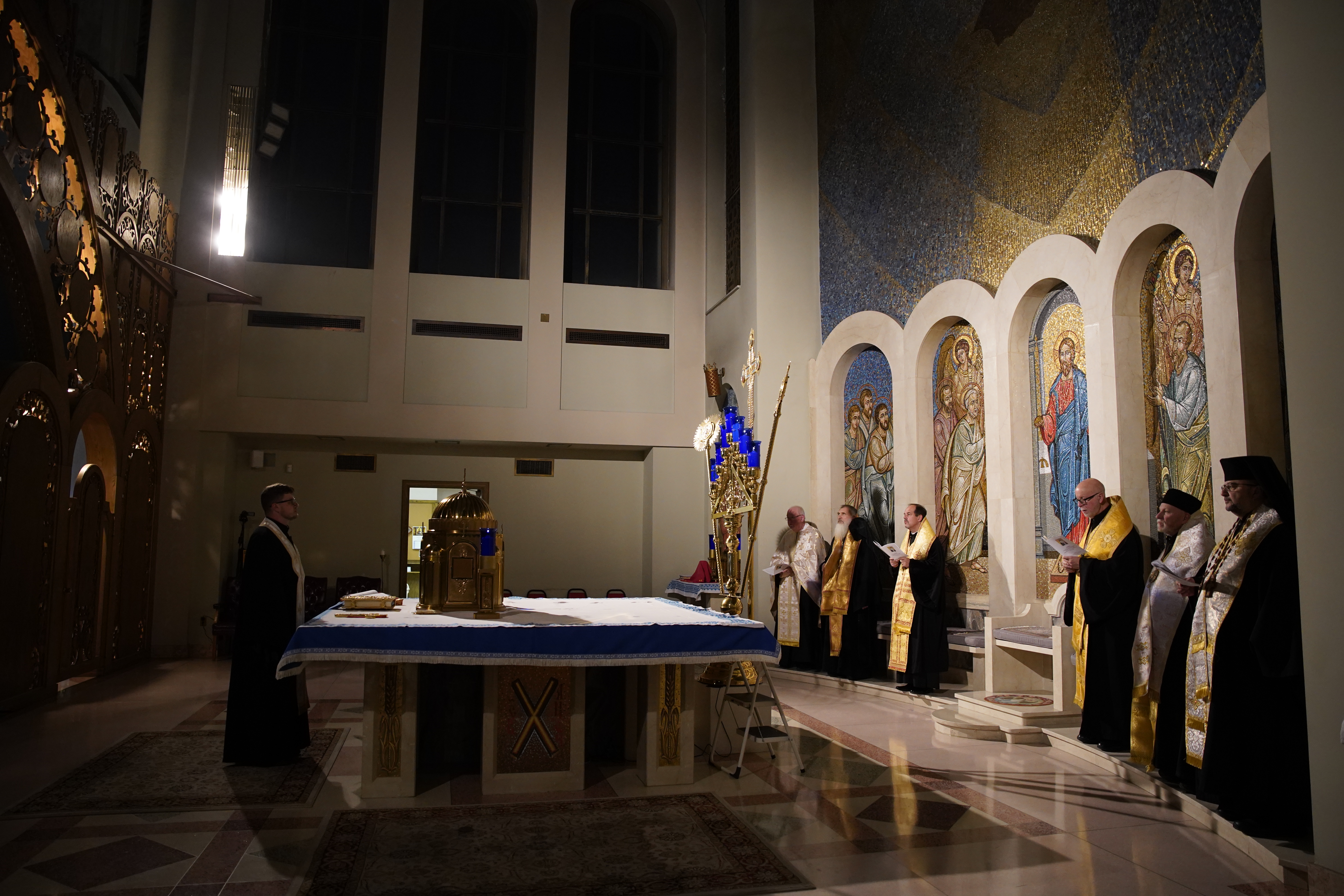
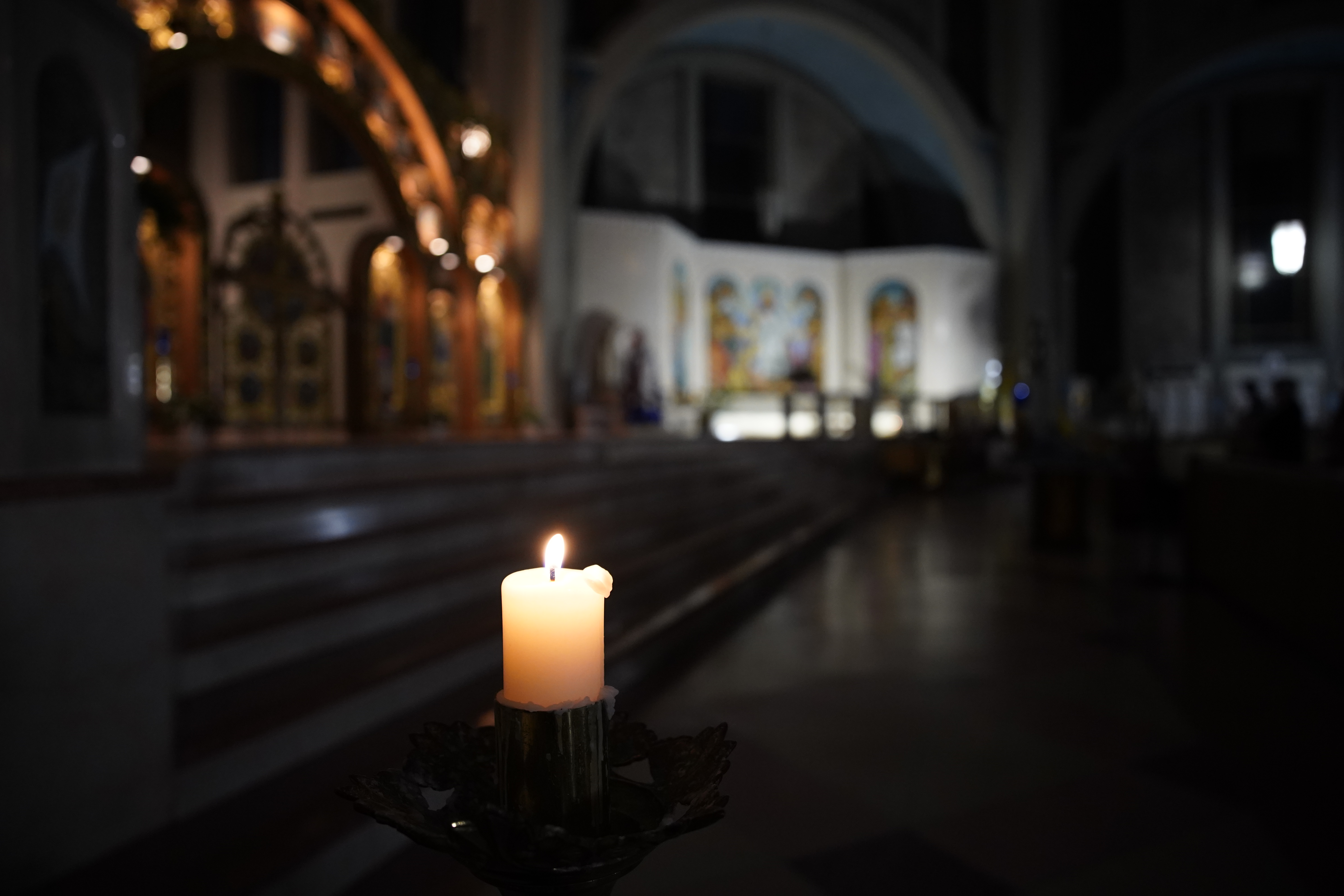
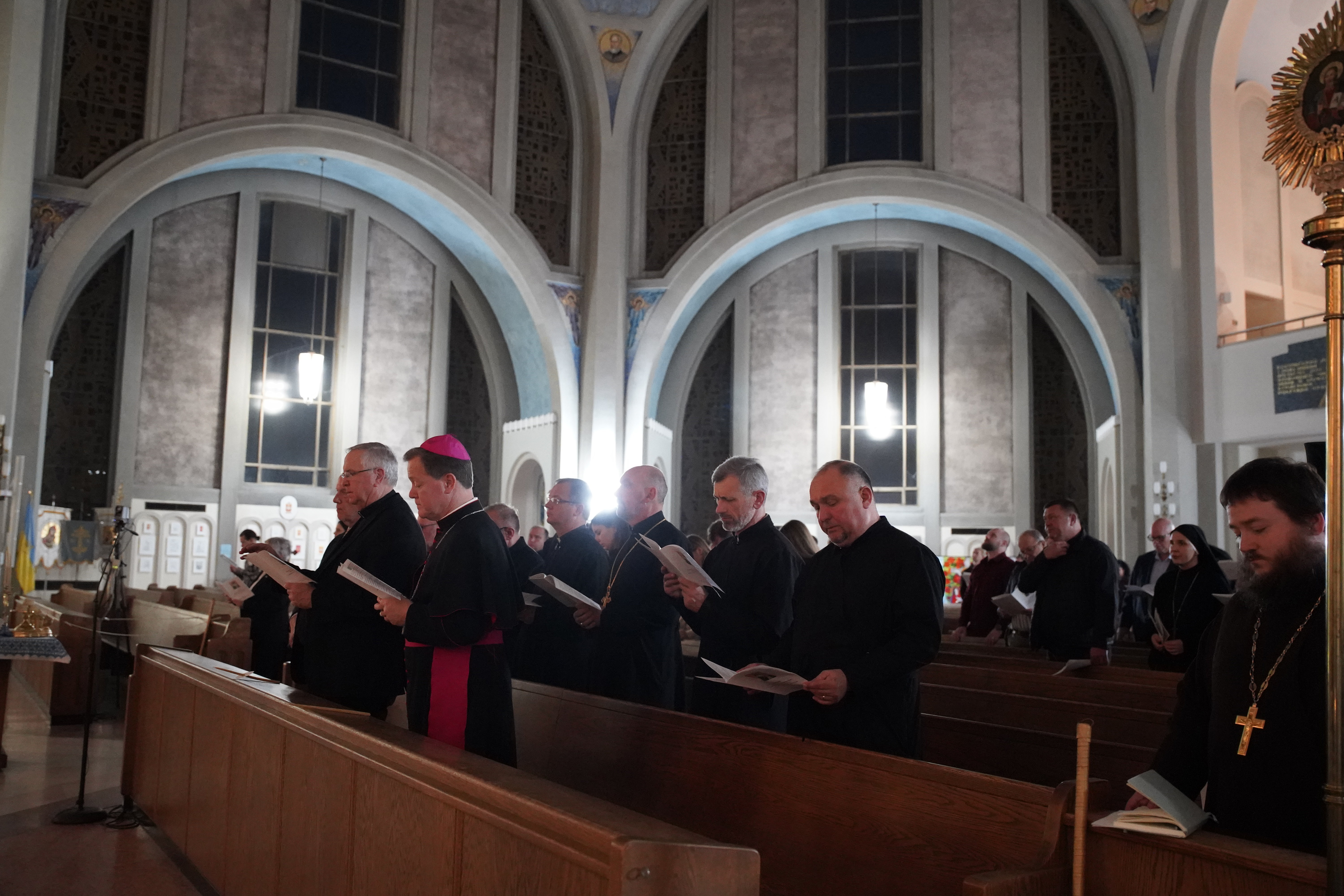
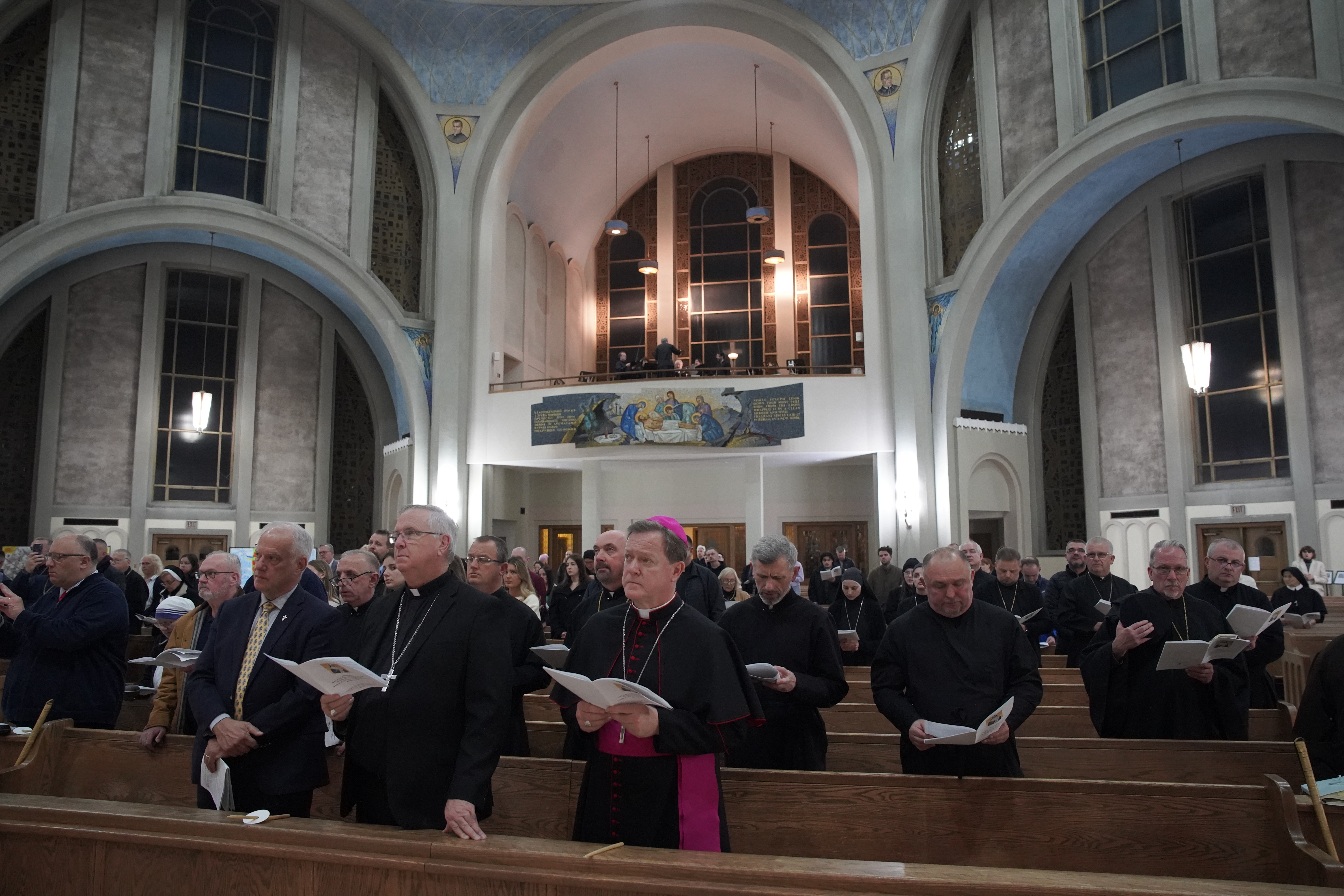
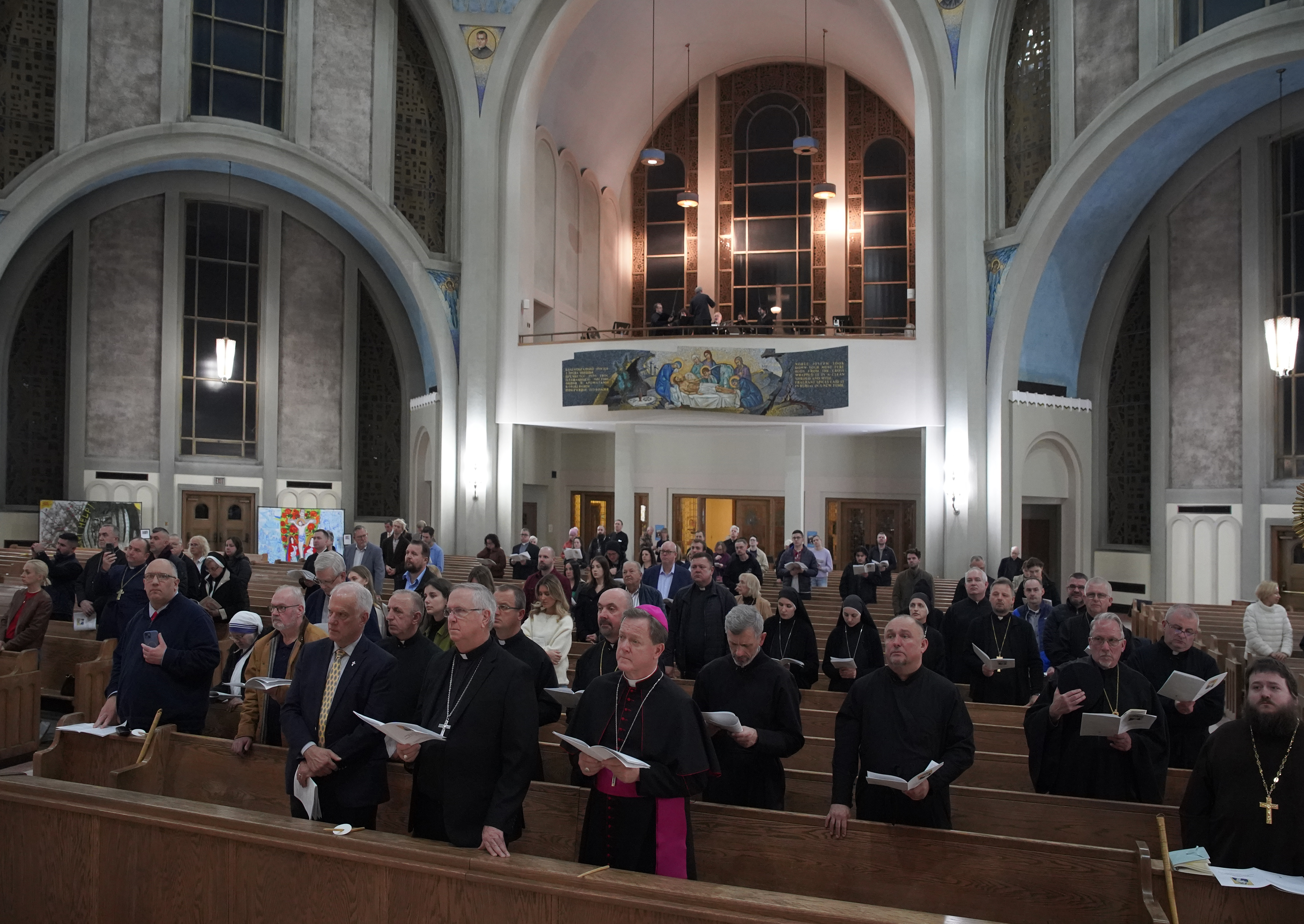
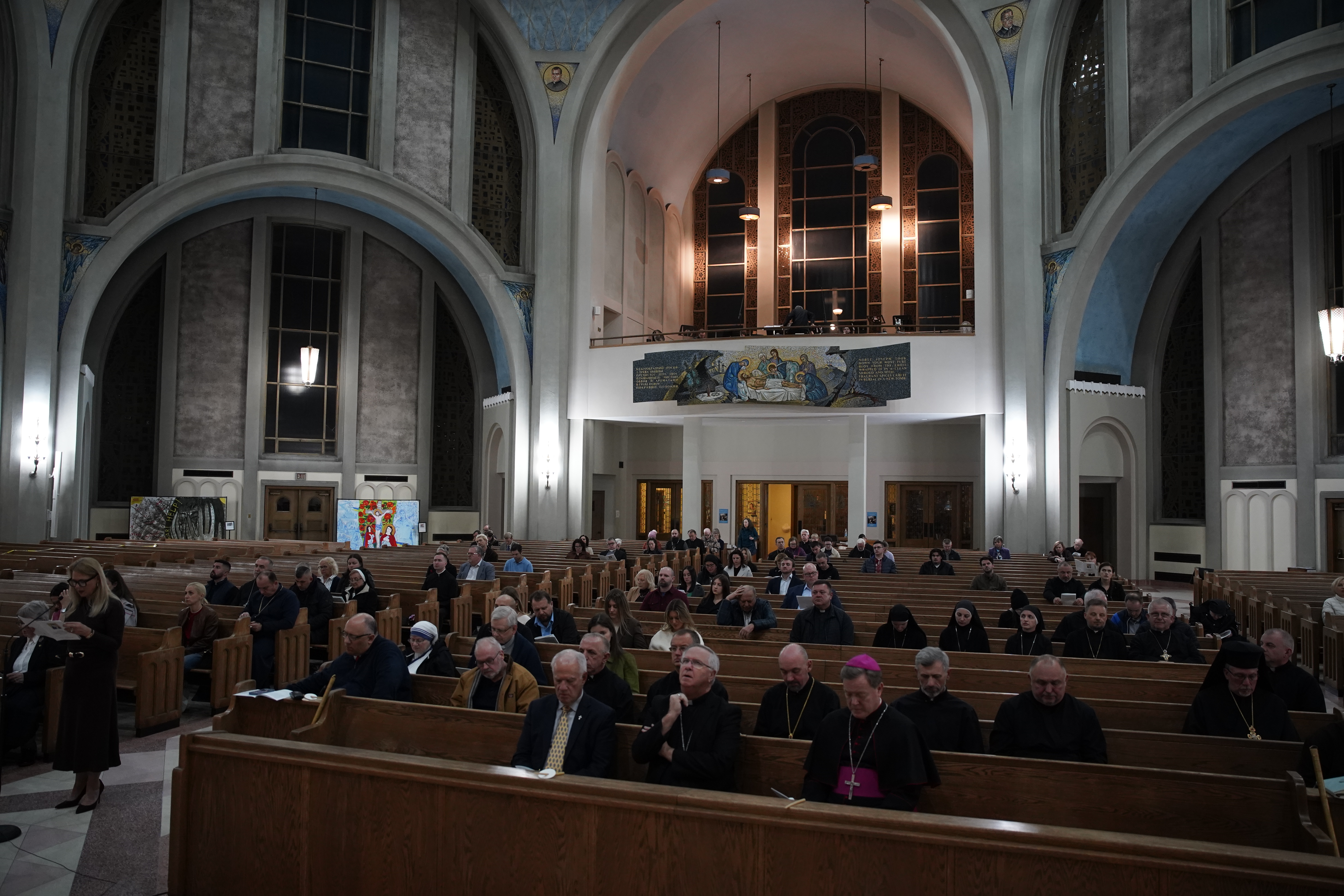
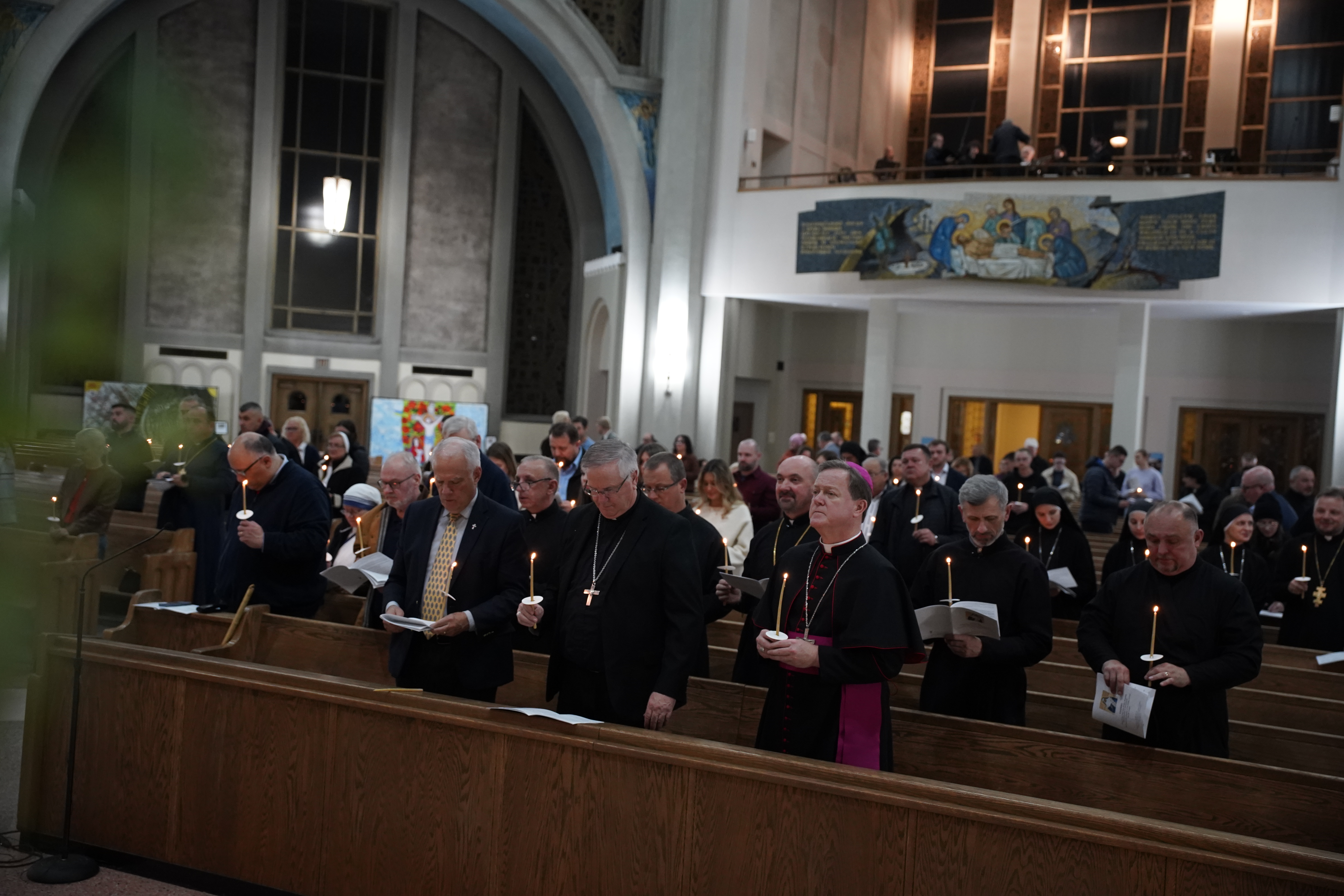
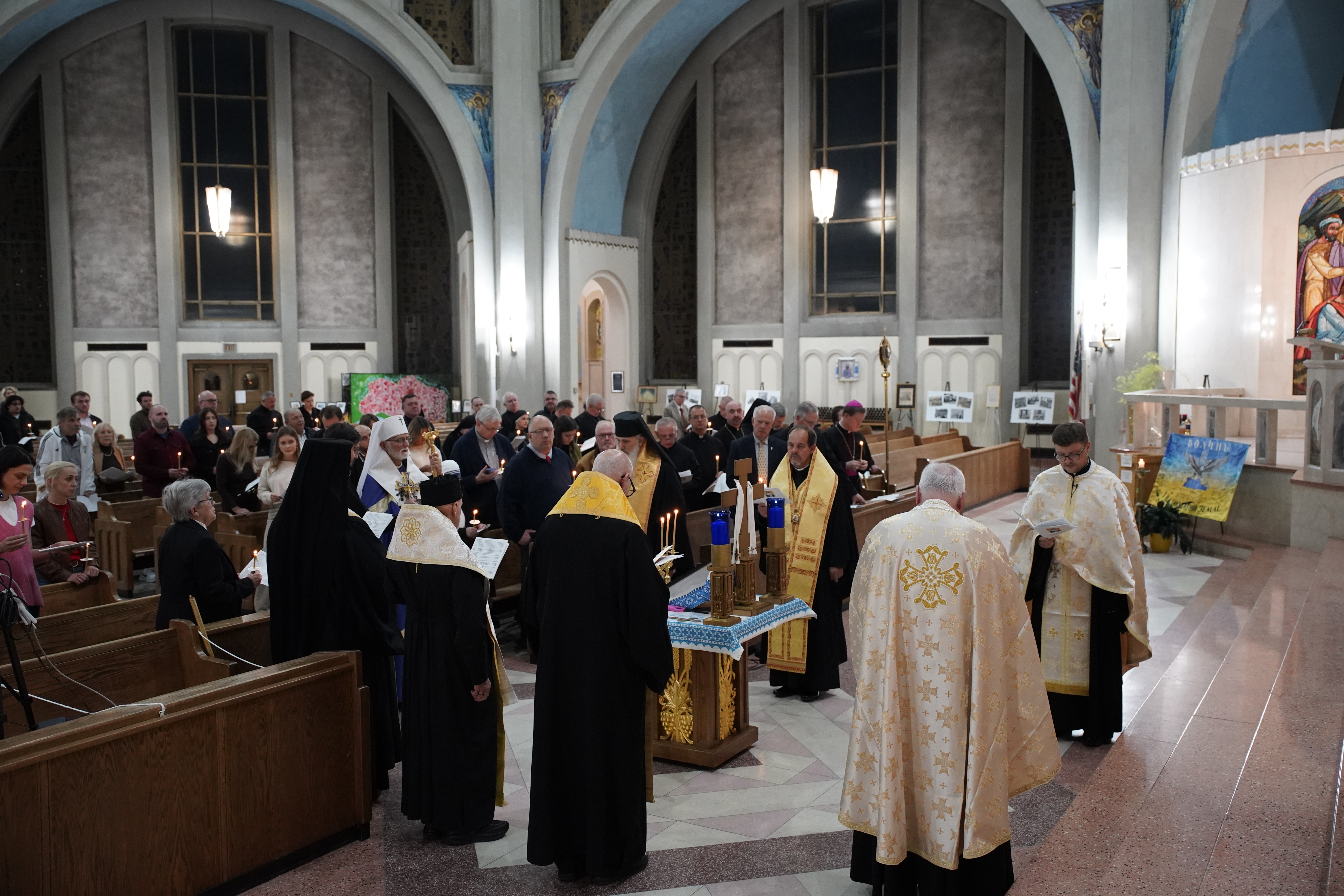
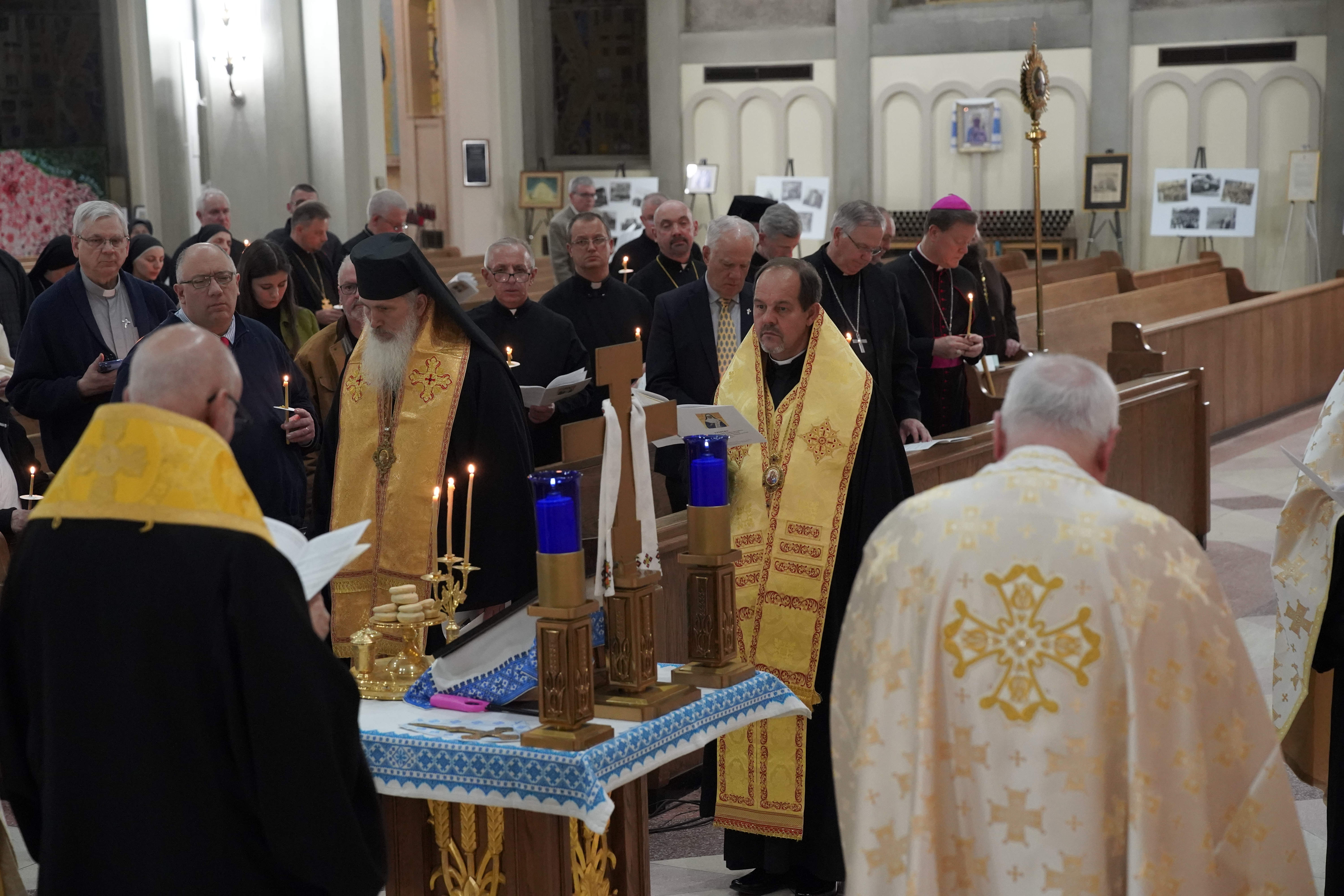
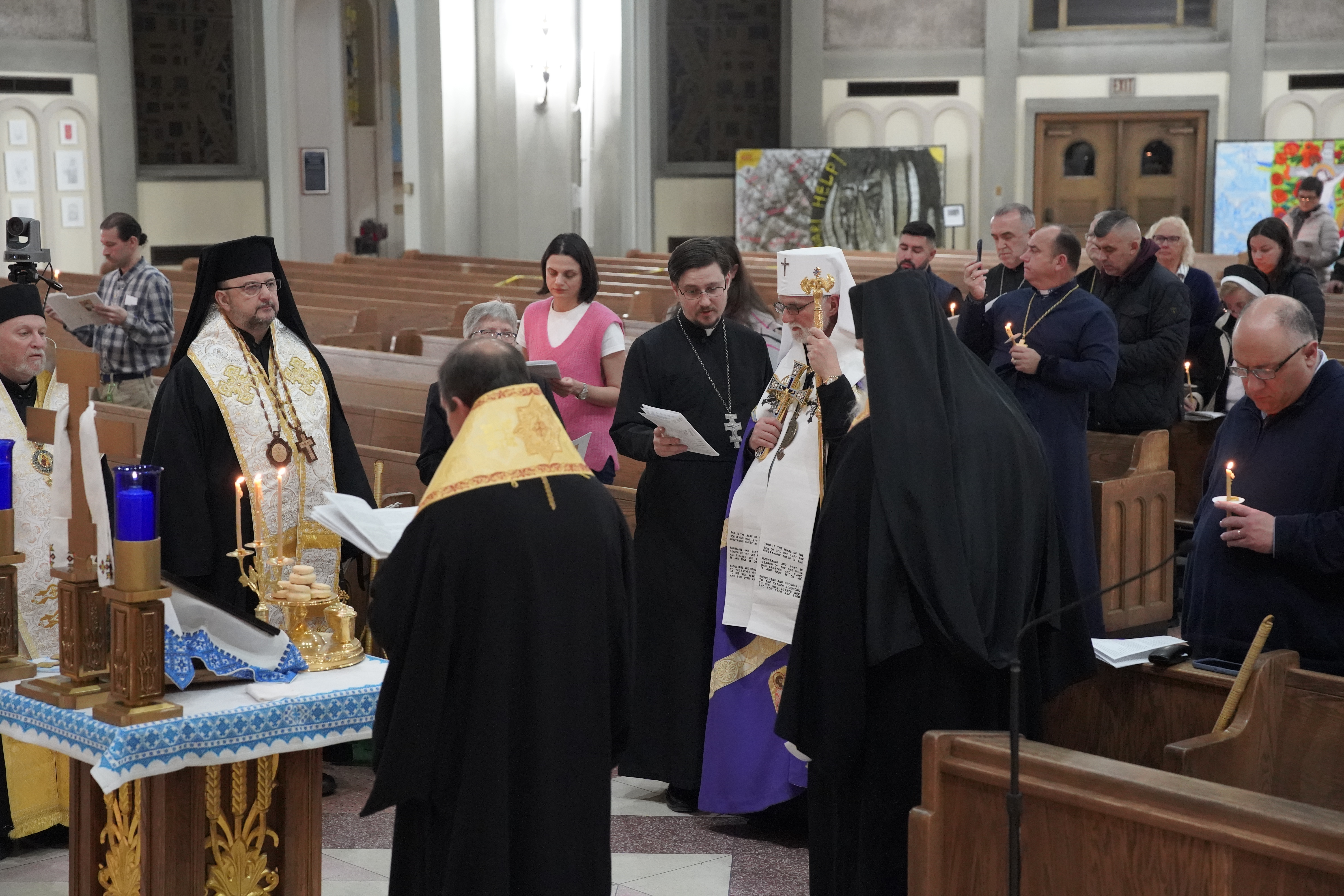
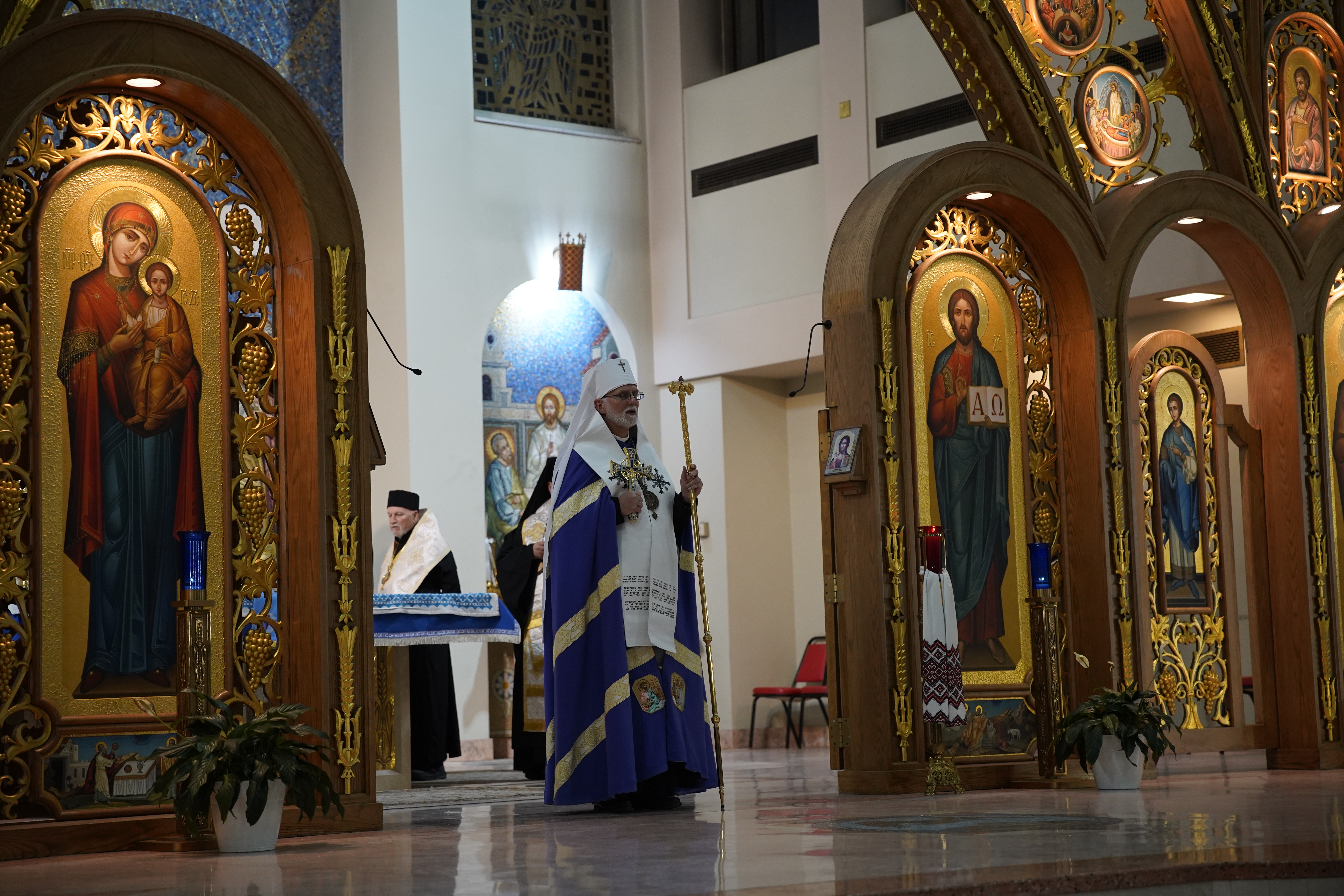
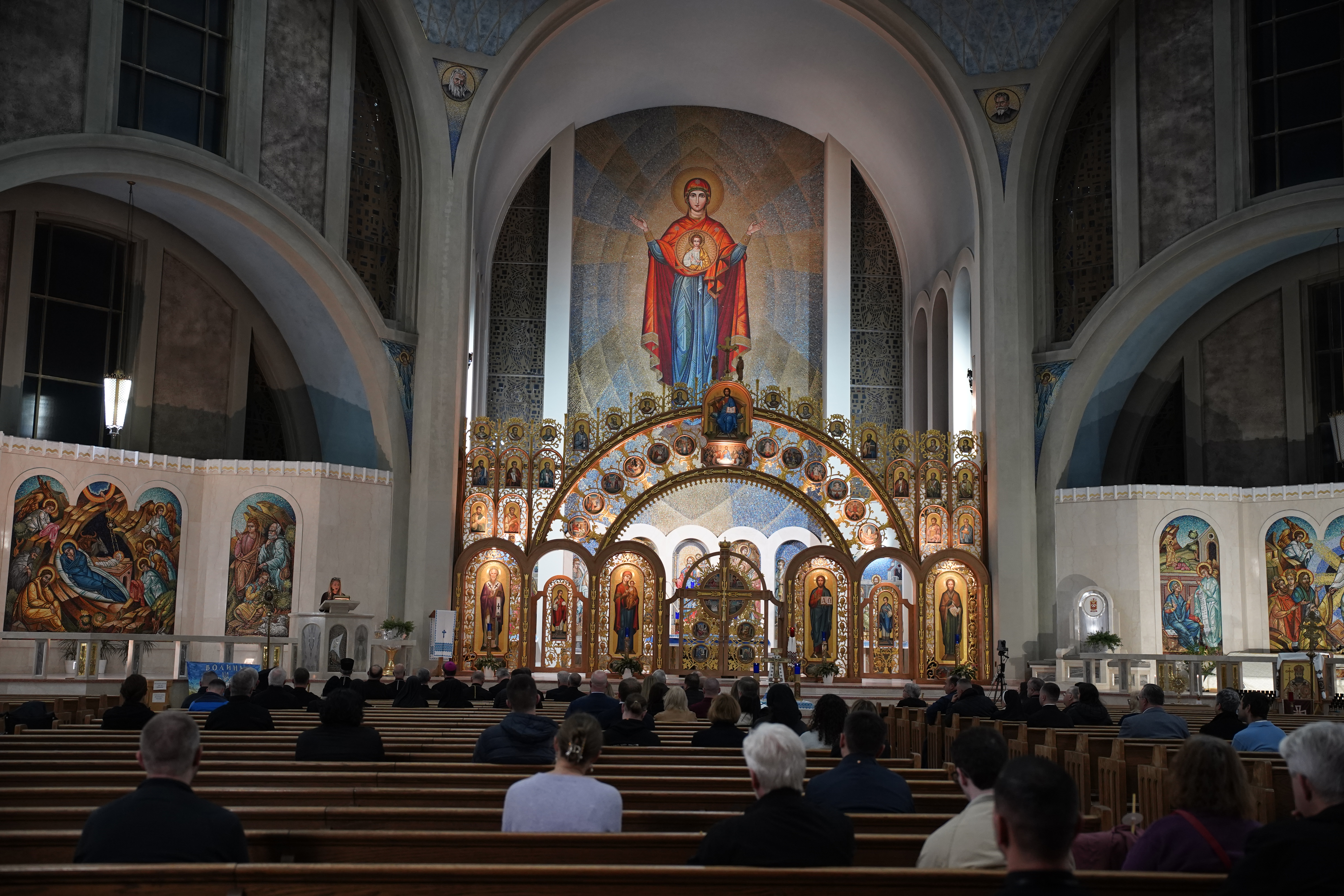
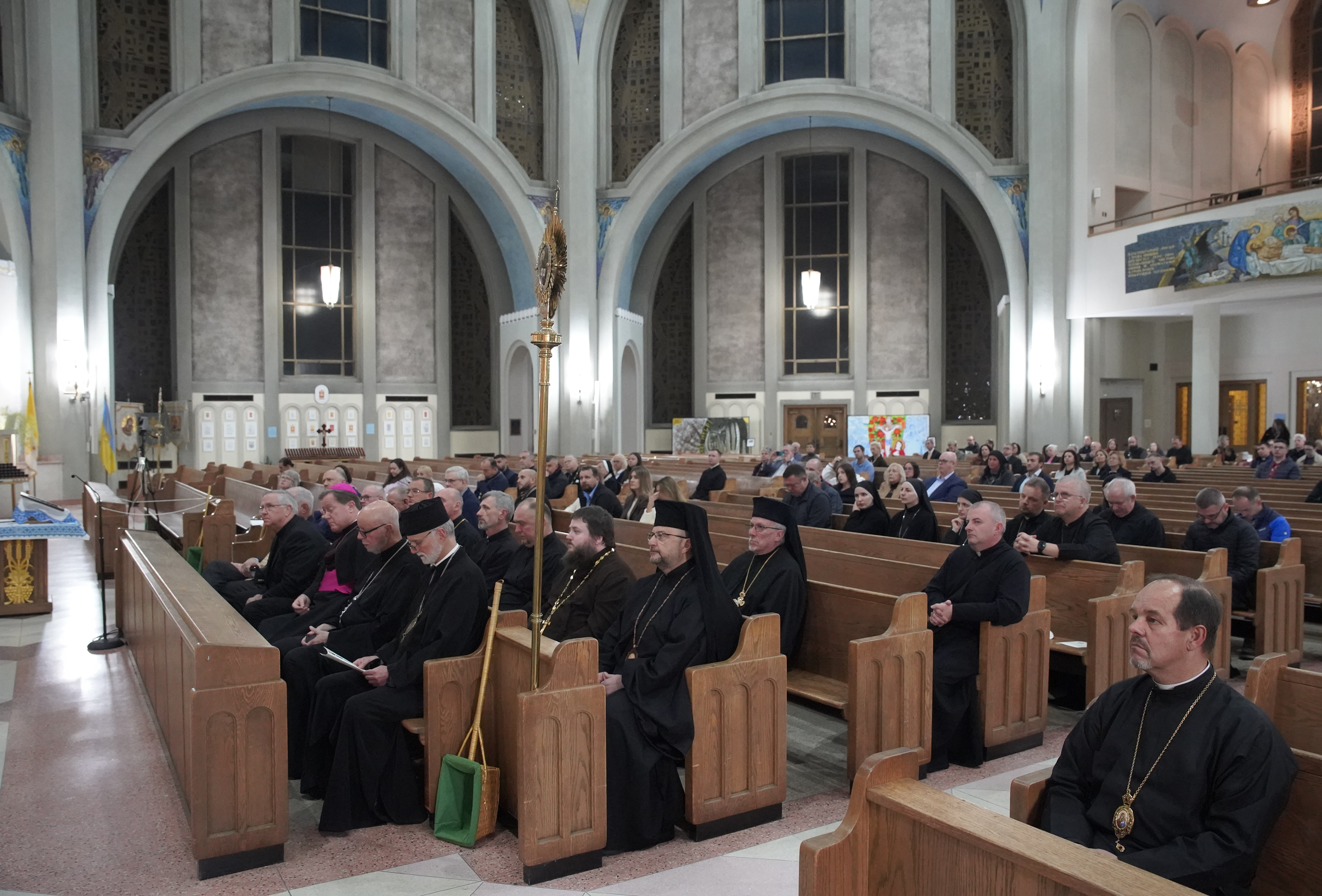
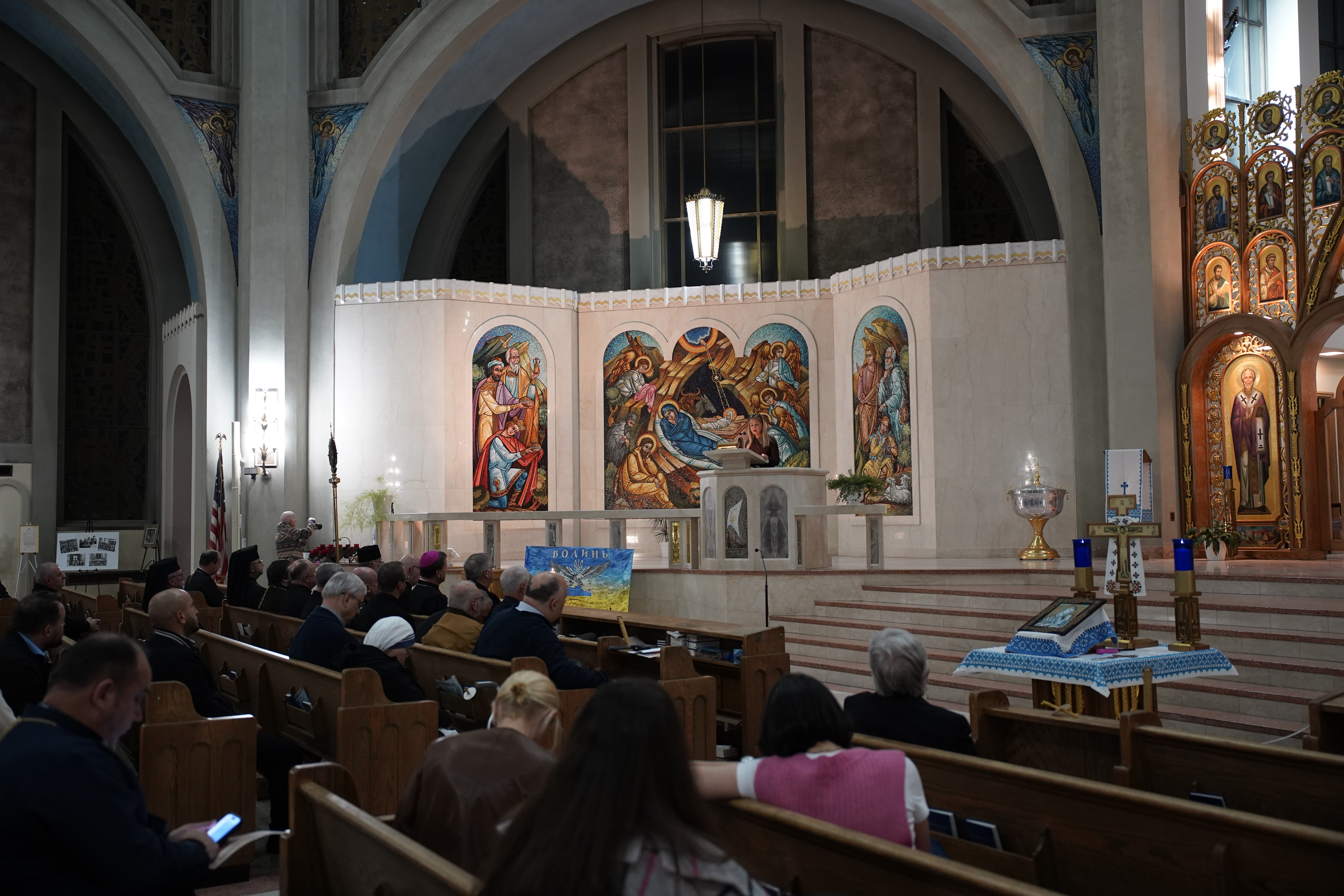
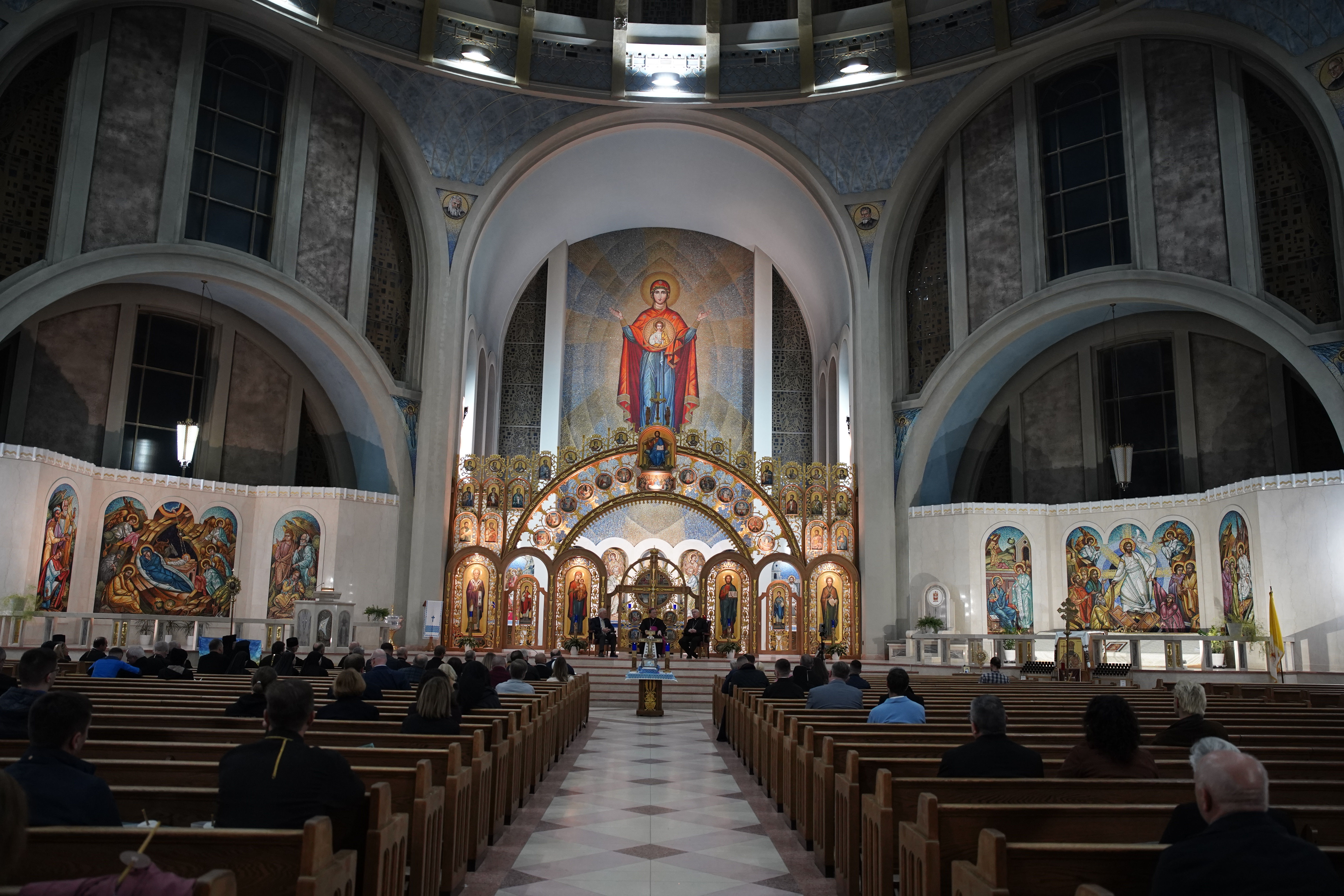
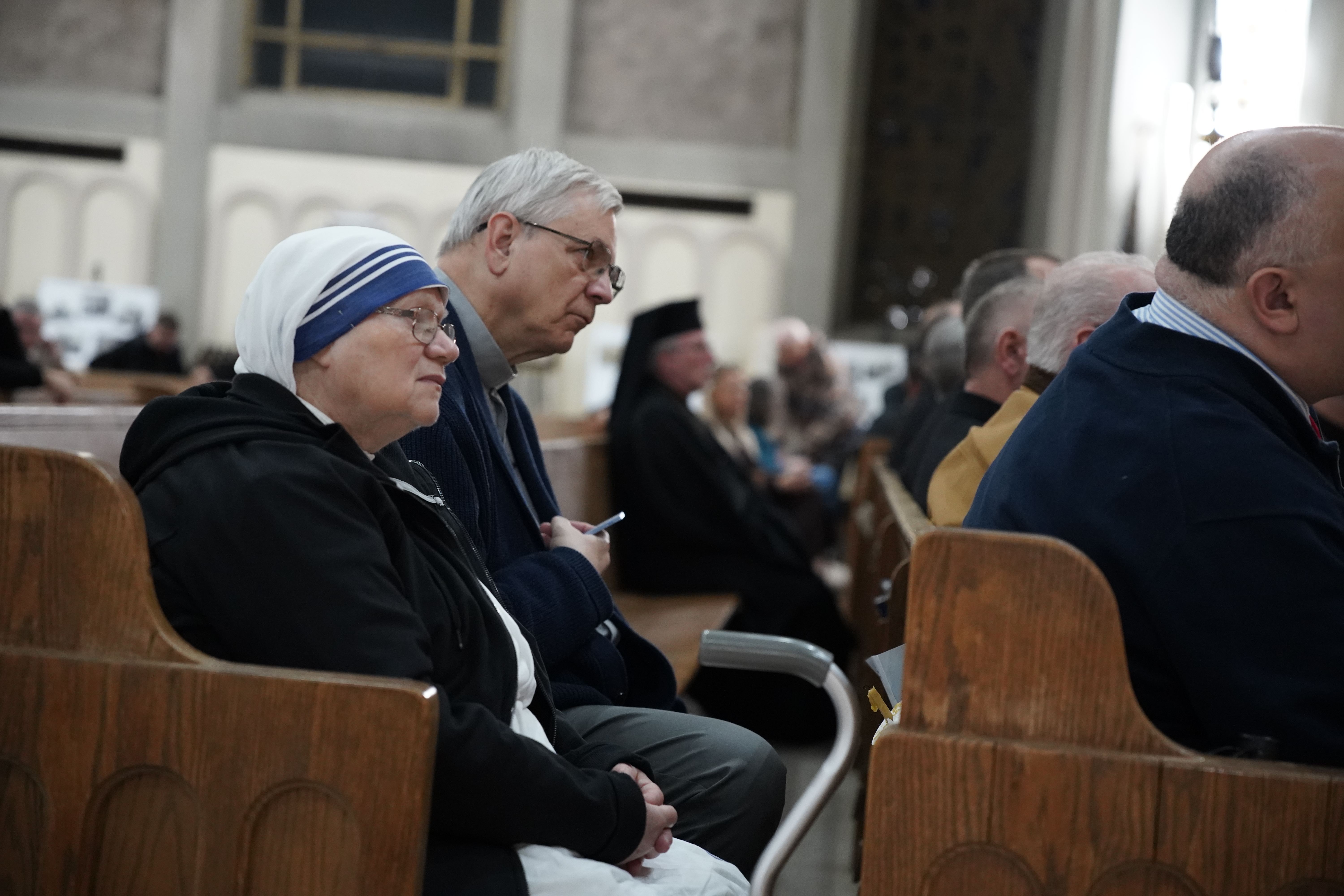
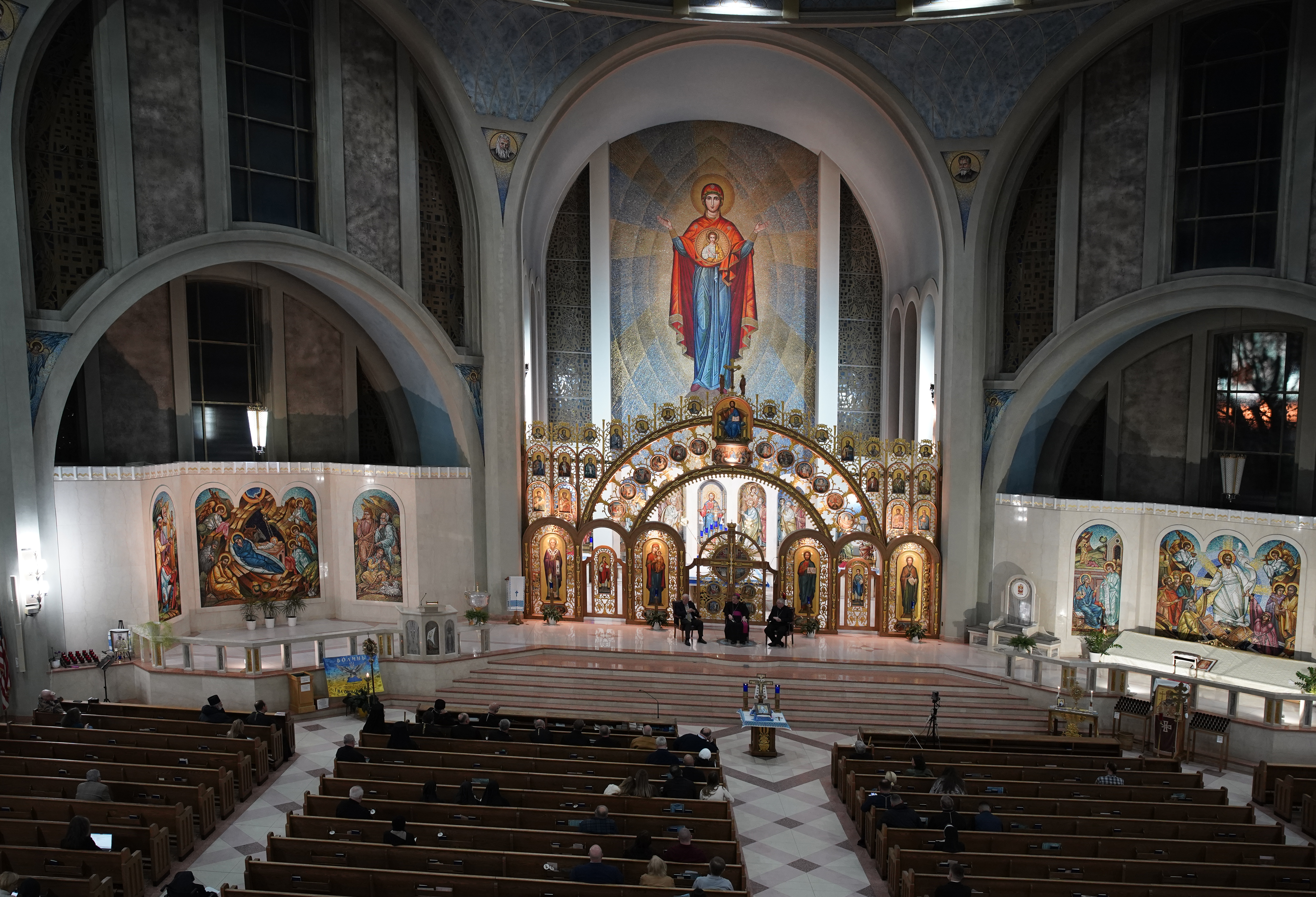
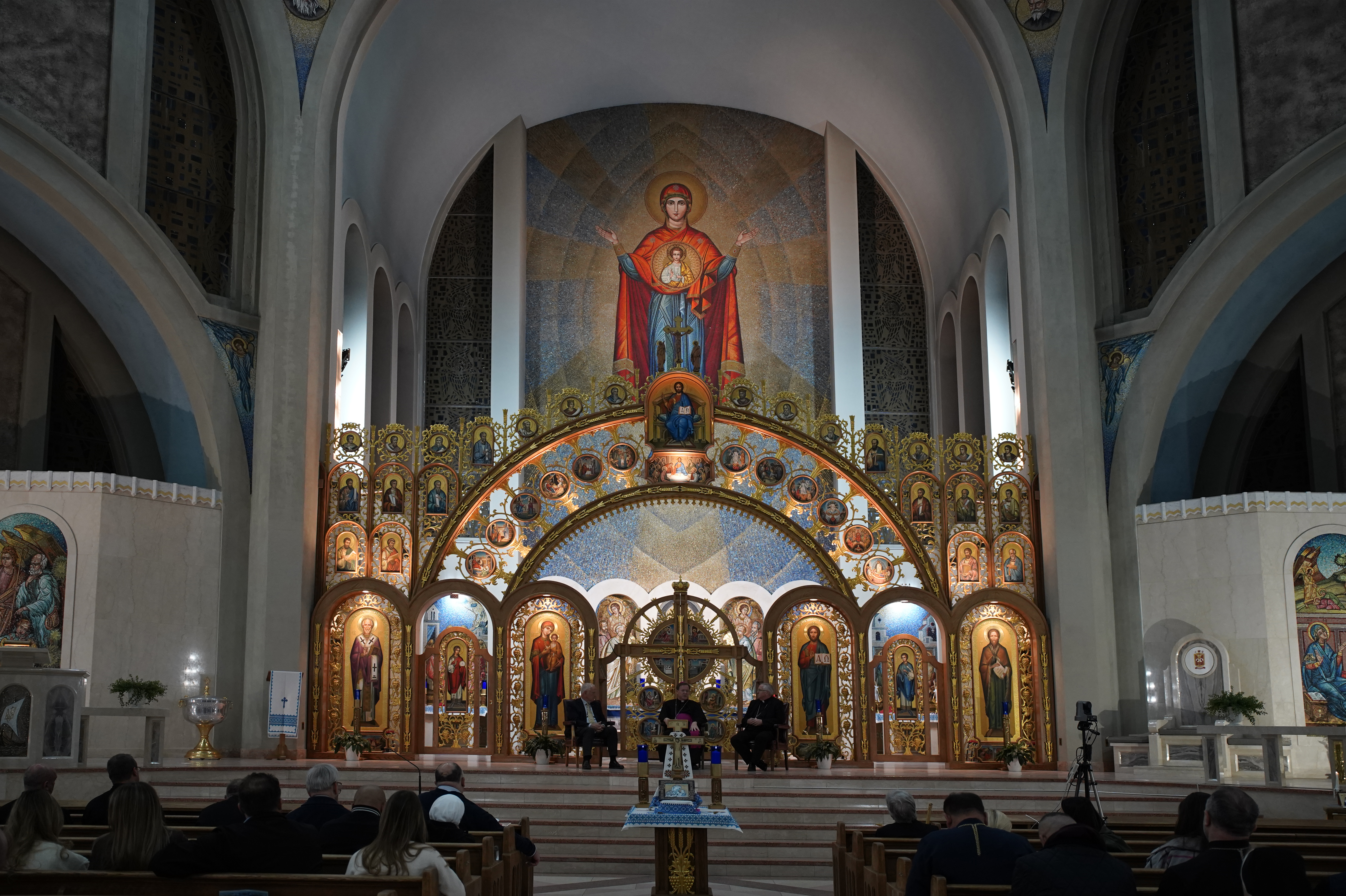
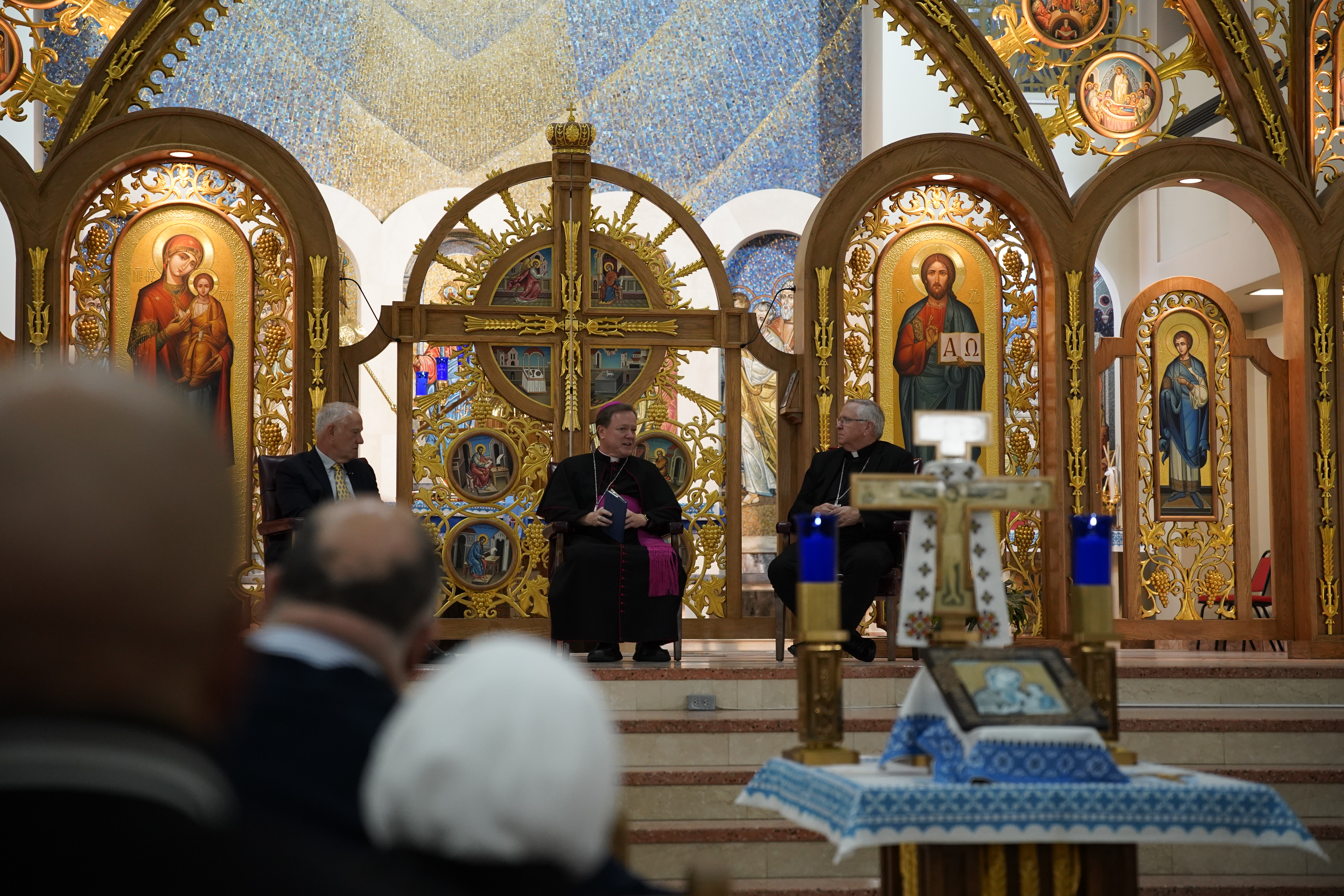
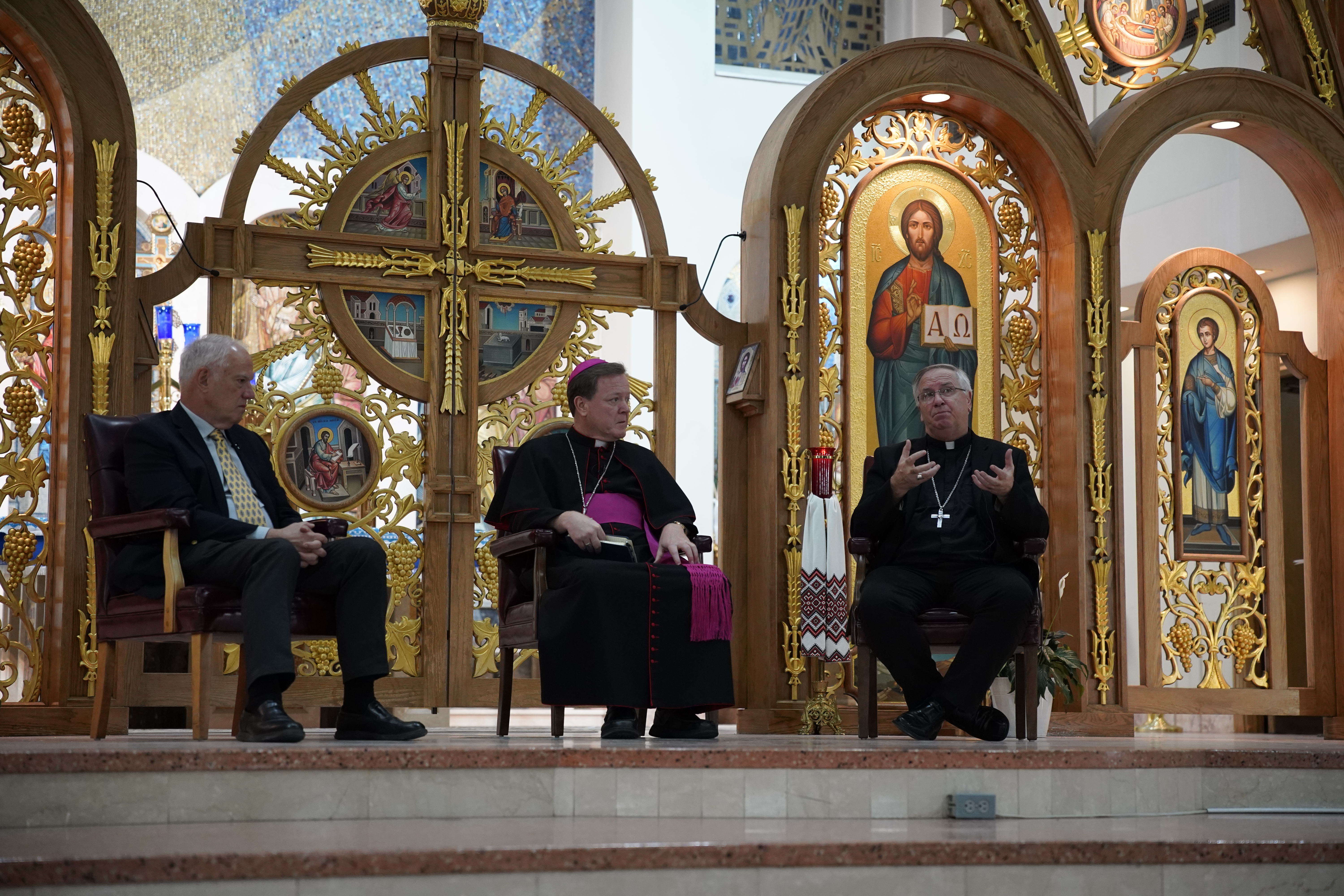
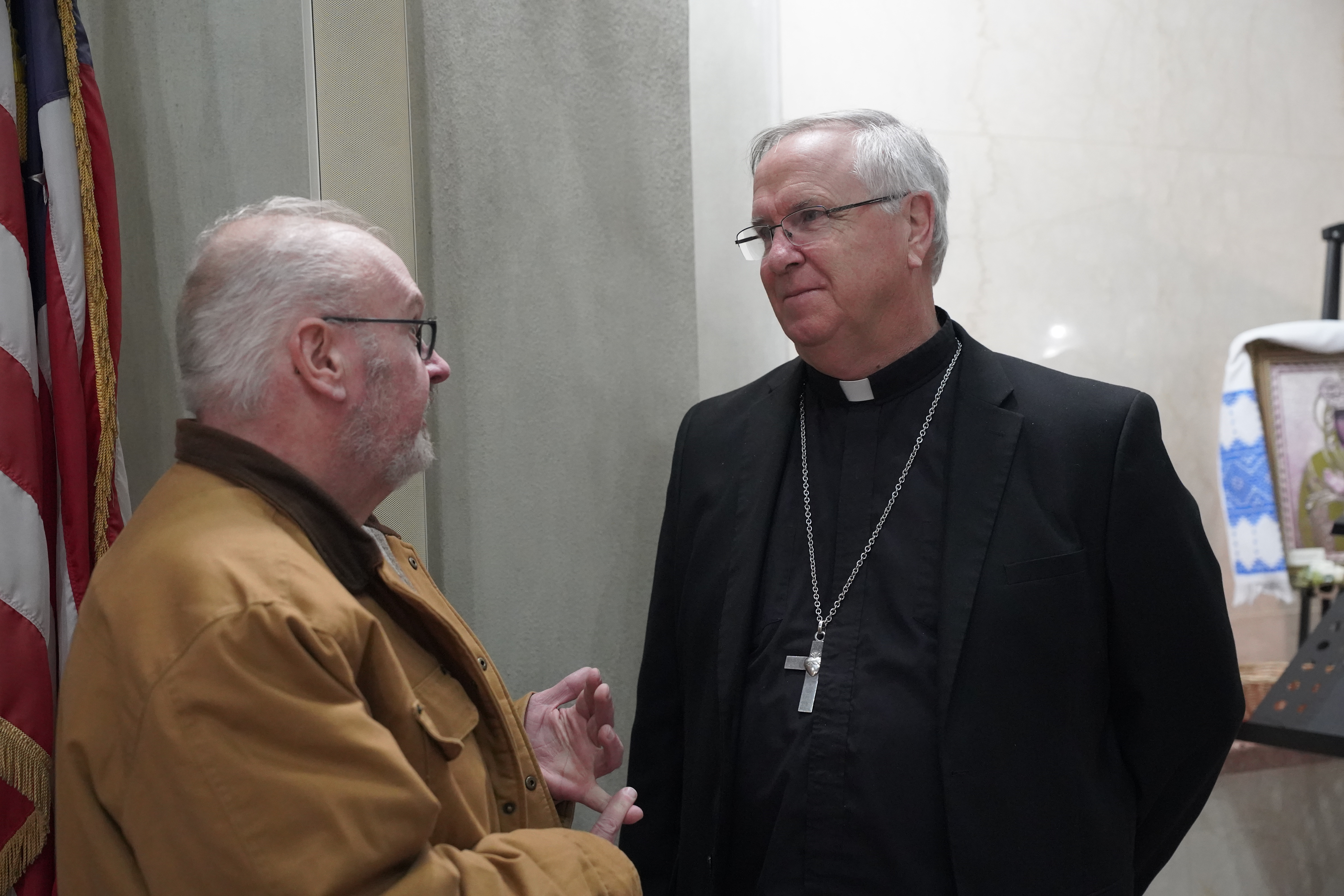
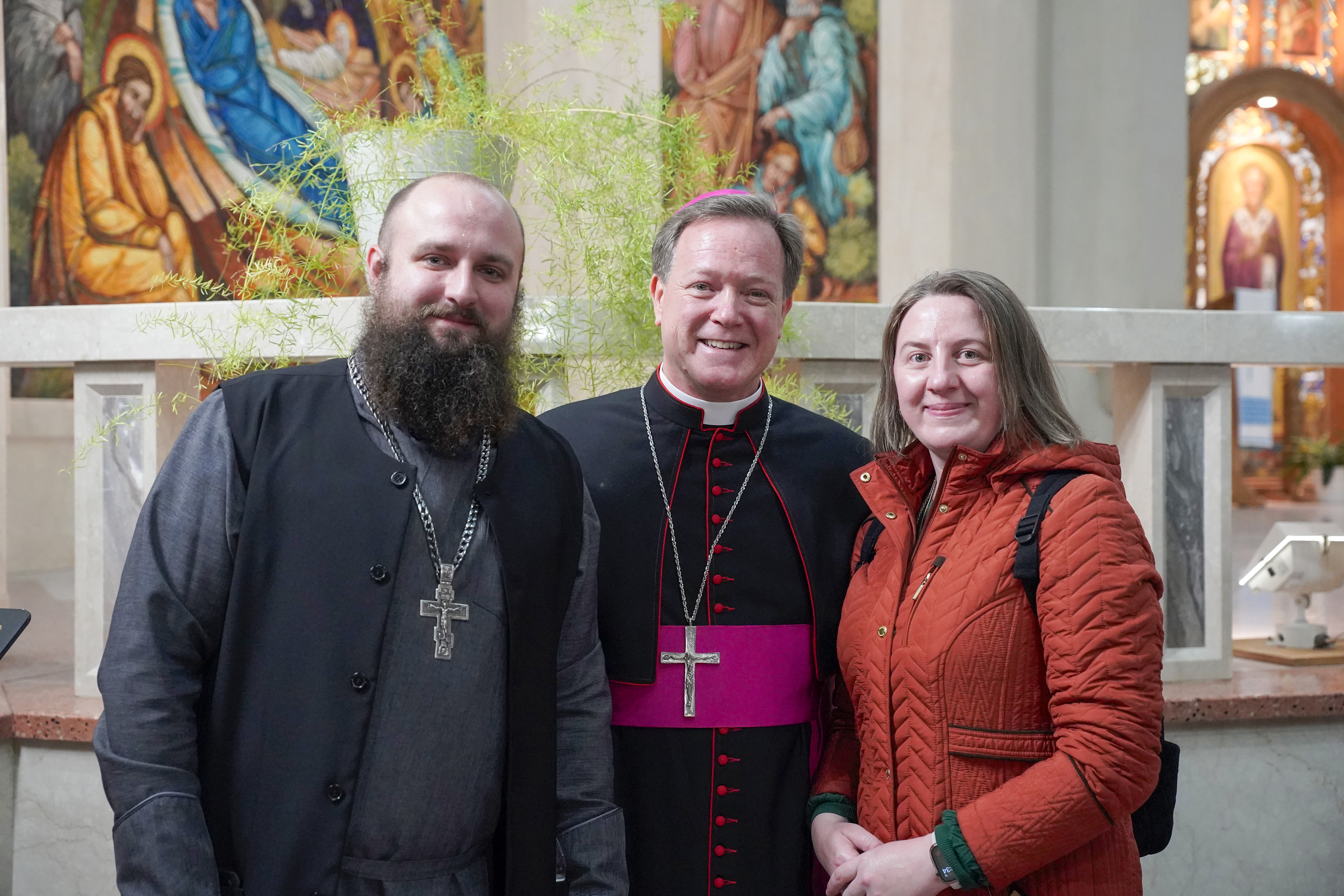
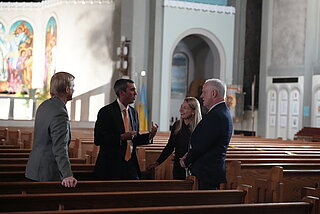
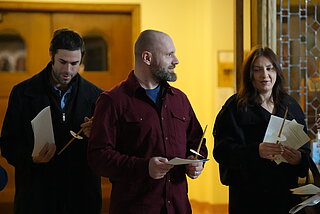
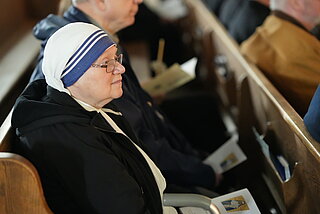
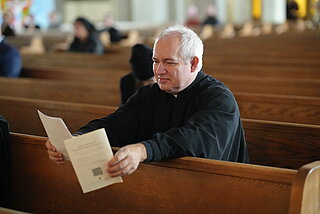
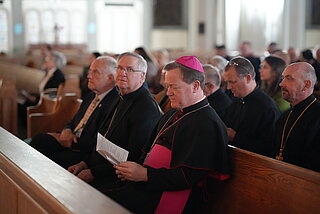
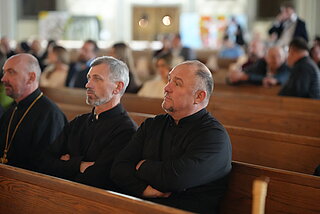
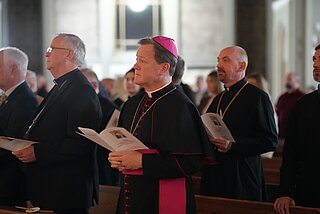
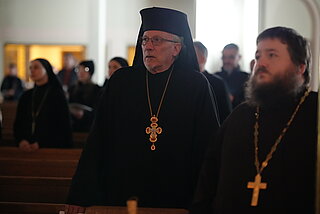
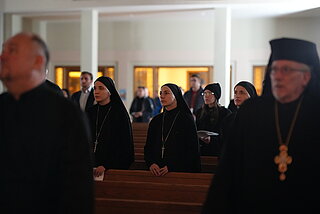
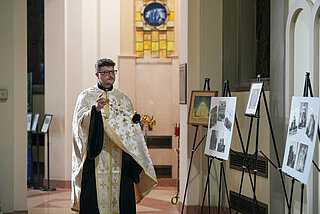
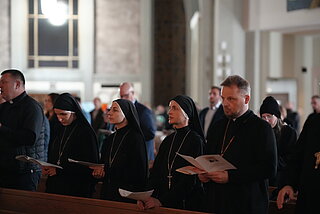
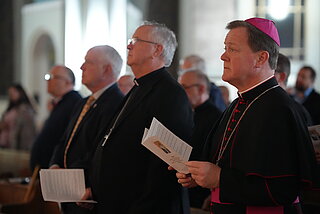
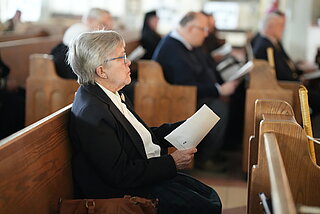
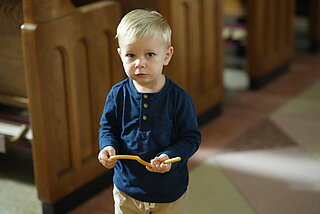
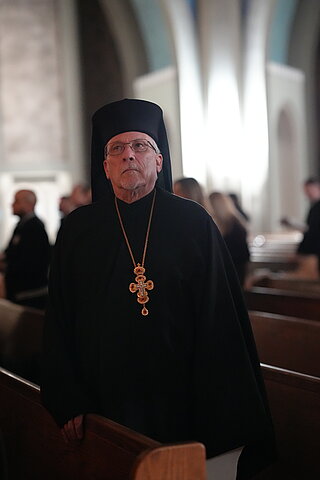
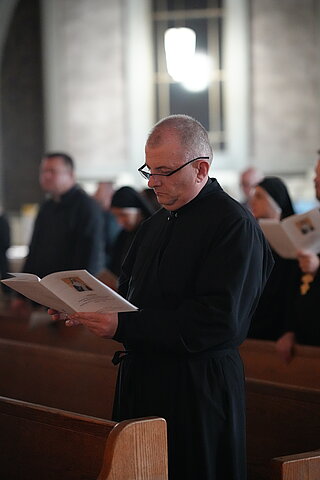
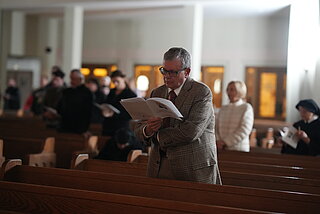
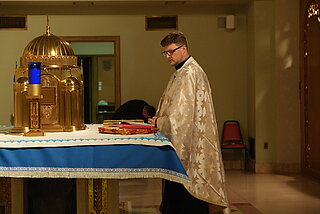
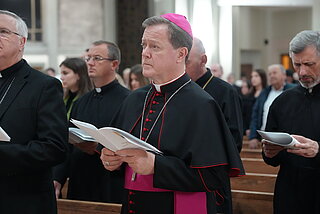
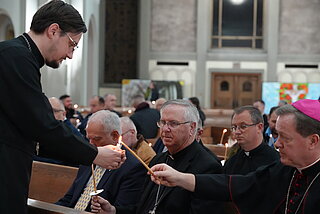
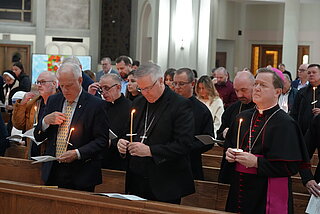
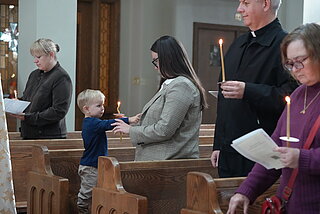
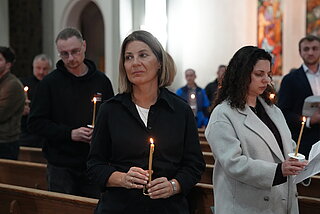
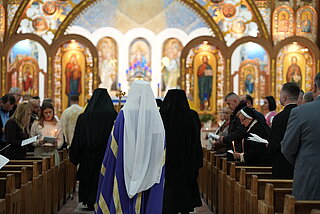
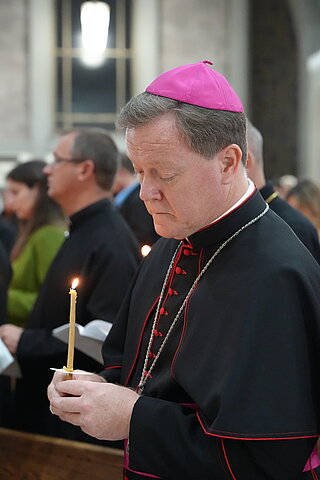
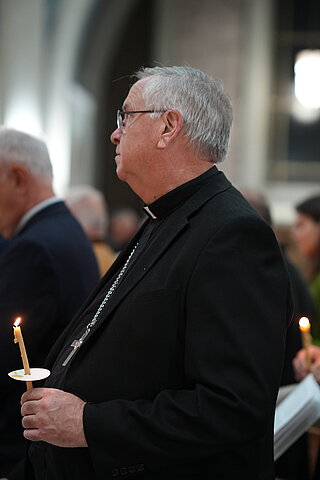
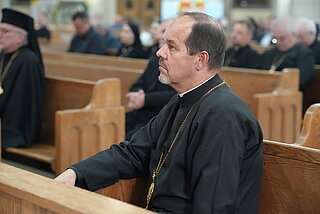
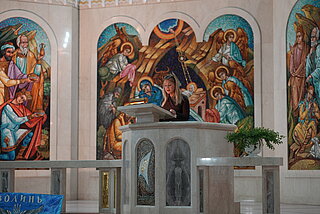
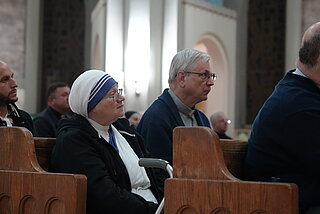
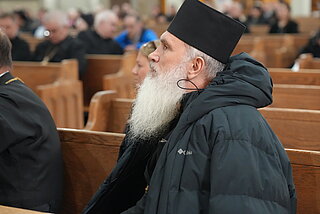
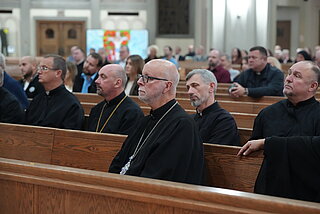
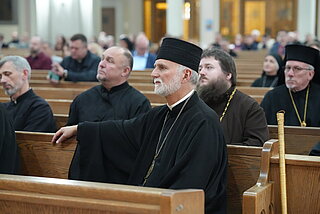
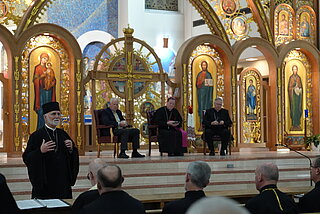
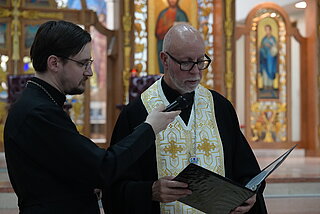
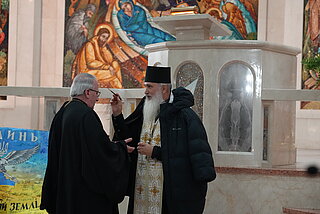
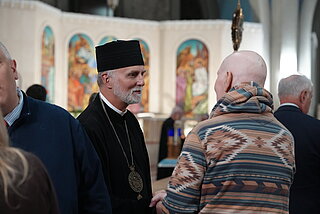
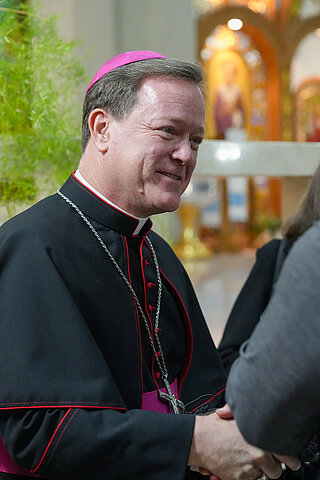
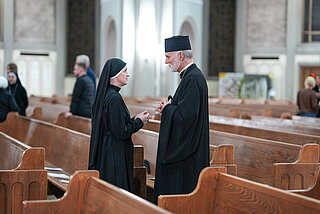
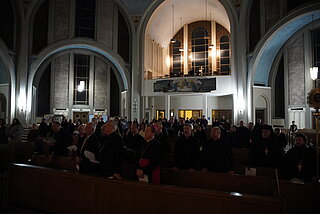
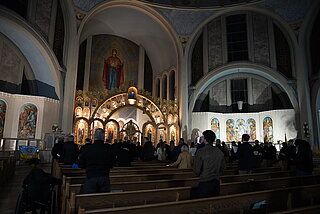
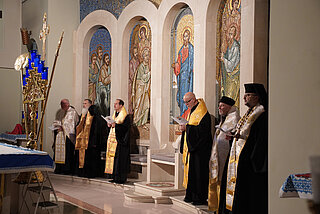
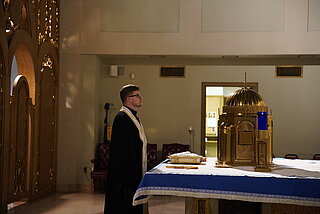
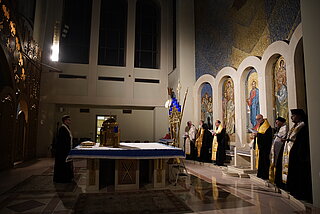
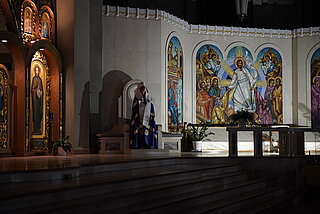
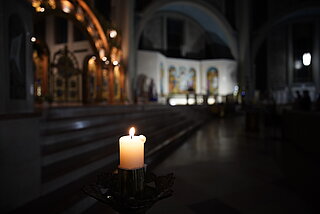
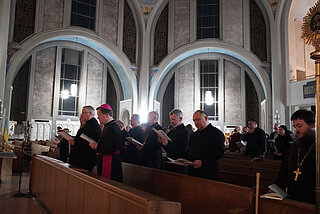
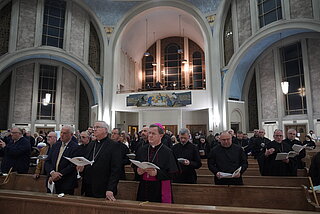
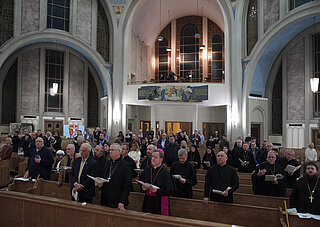
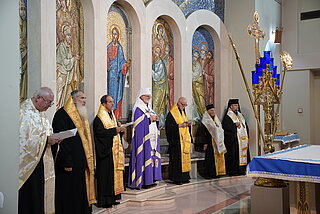
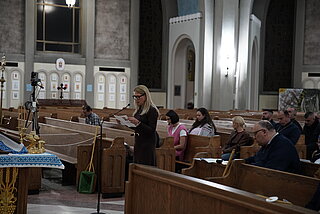
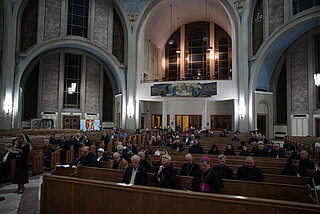
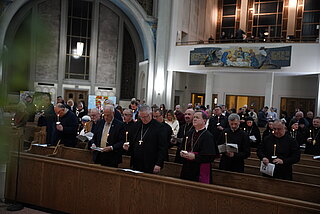
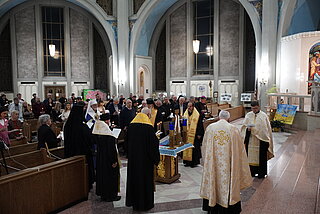
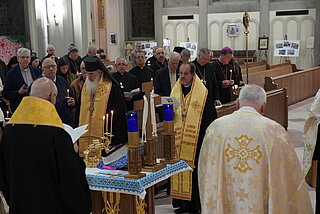
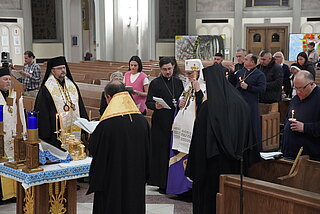
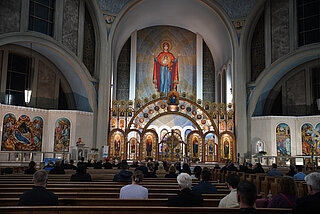
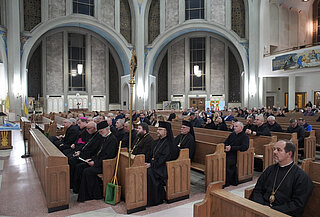
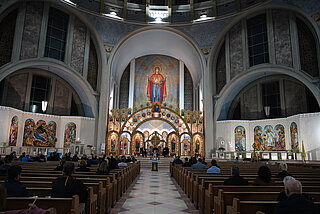
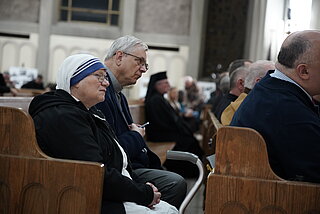
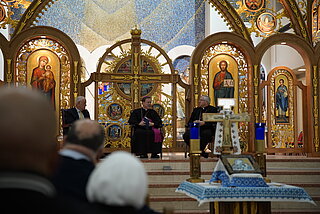
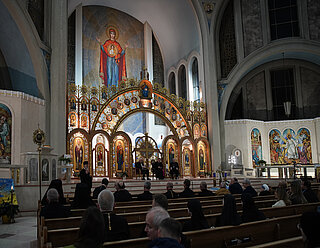
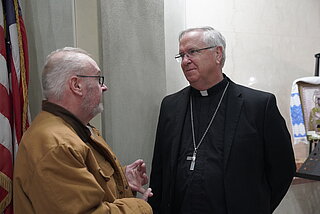
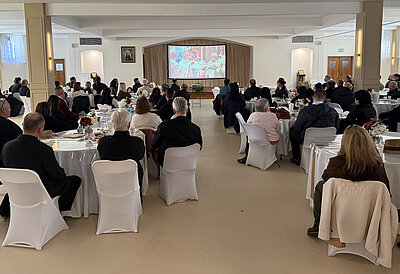
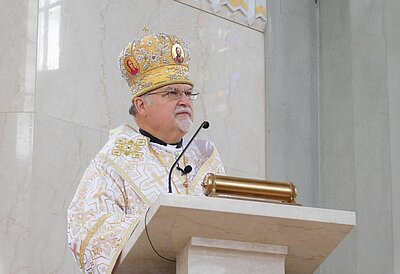
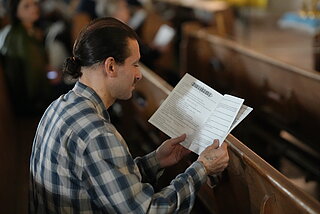
On Thursday, November 19, 2026, the Ukrainian Catholic Archeparchy of Philadelphia hosted "Placing Mental Health in the Lord's Hands: An Evening of Prayer and Reflection on Mental Health Ministry" at the Cathedral of the Immaculate Conception in Philadelphia. The gathering brought together bishops, clergy, mental health ministry advocates and faithful to address mental health challenges, reduce stigma and explore how the Church can offer spiritual accompaniment and support to individuals and families.

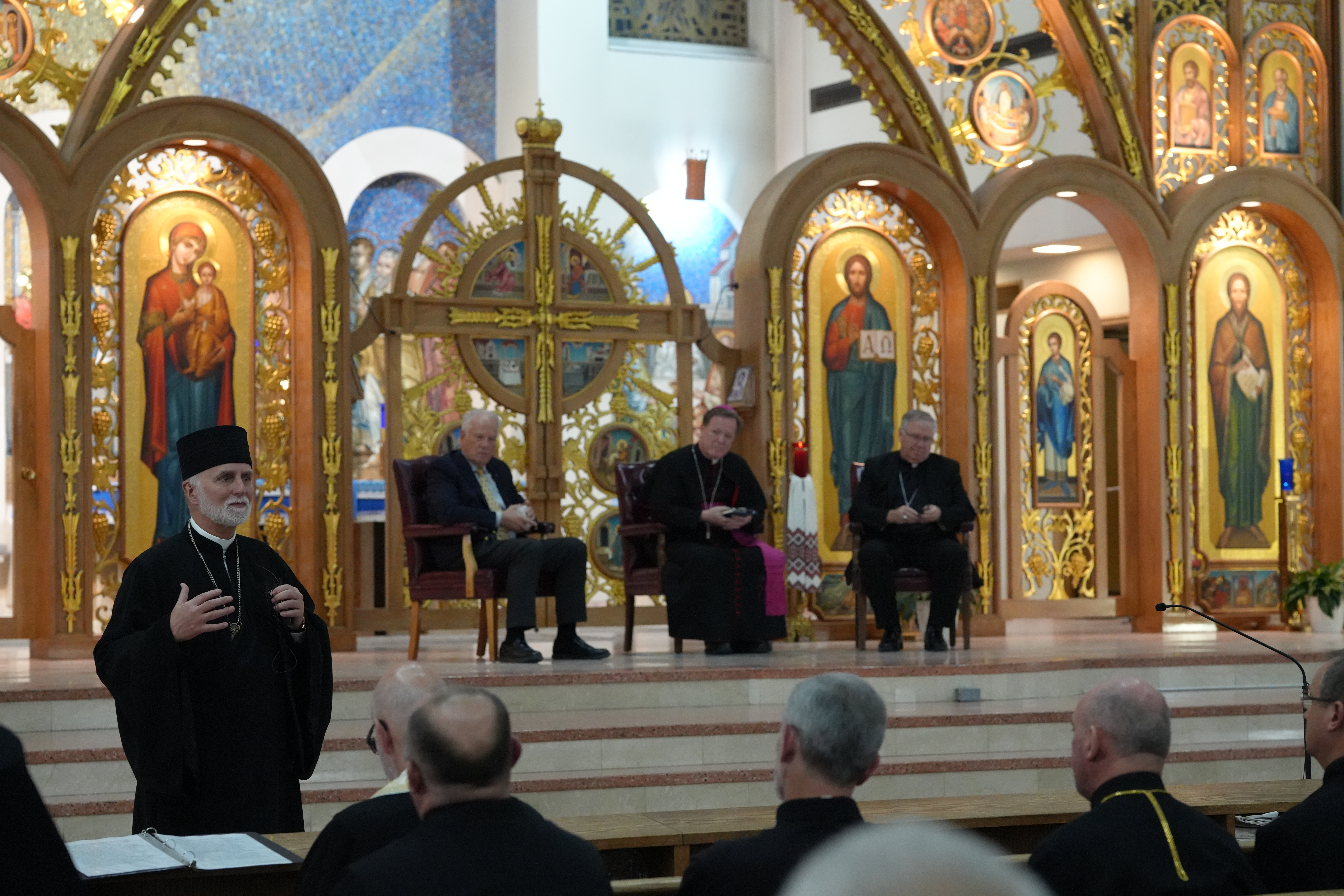
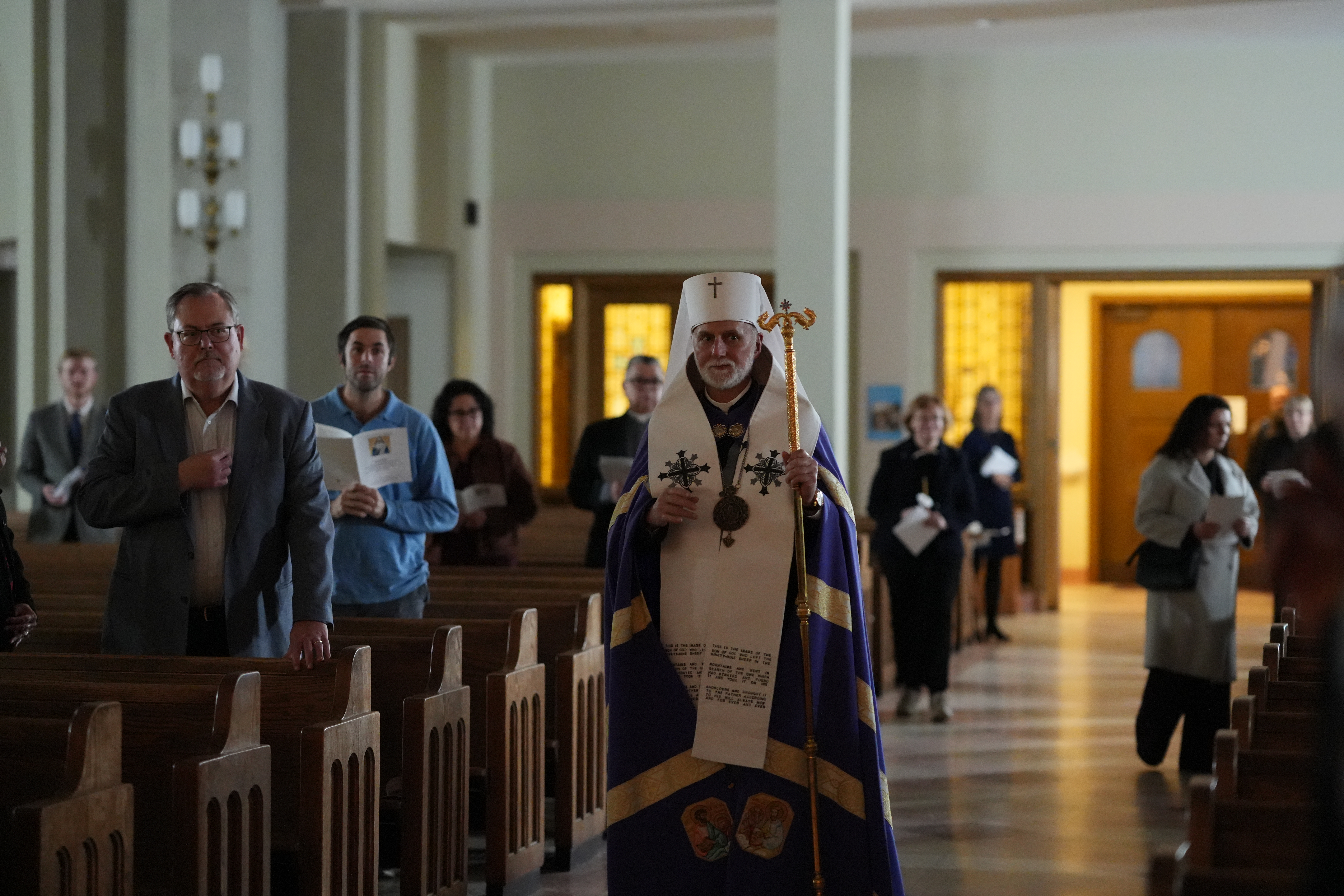
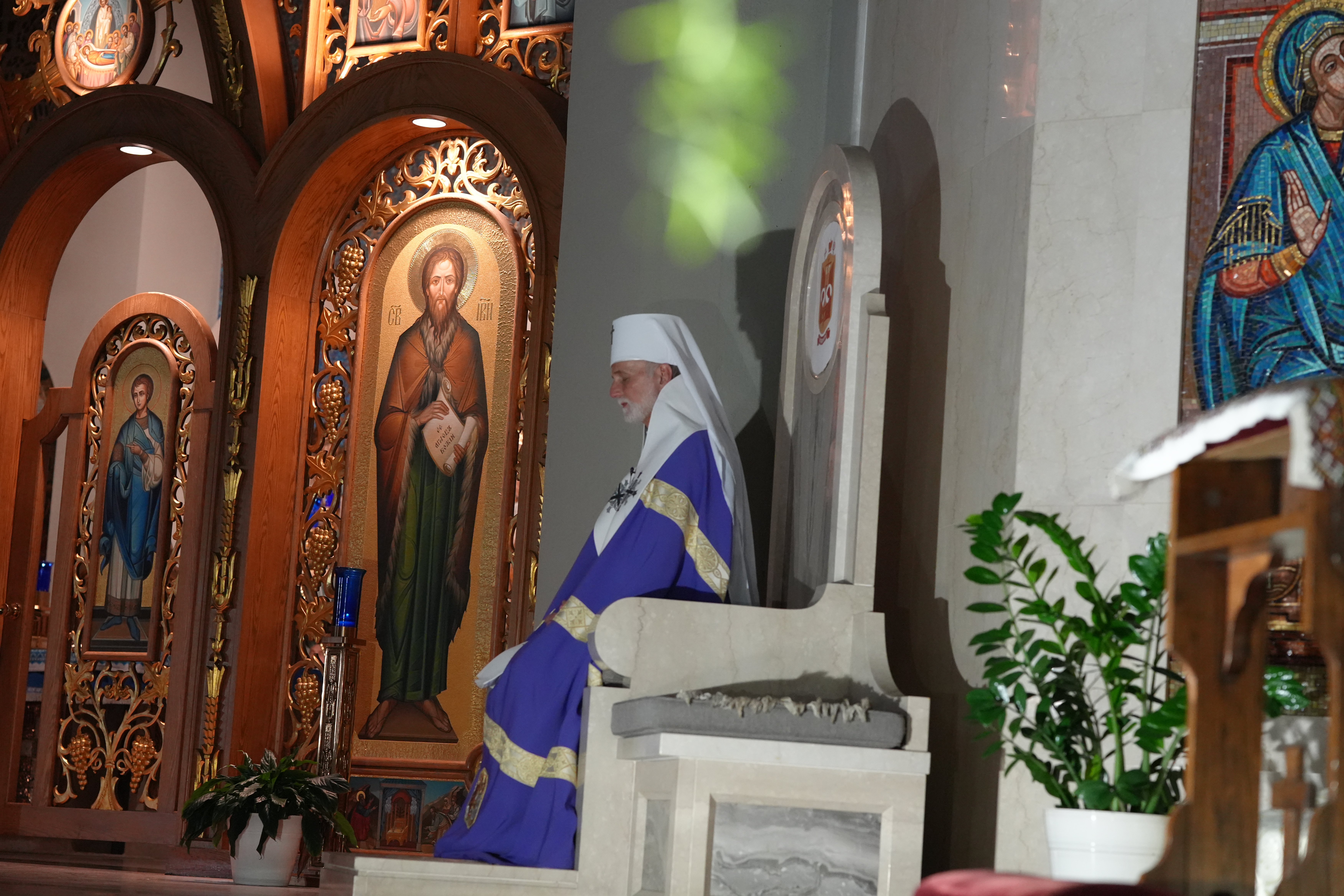
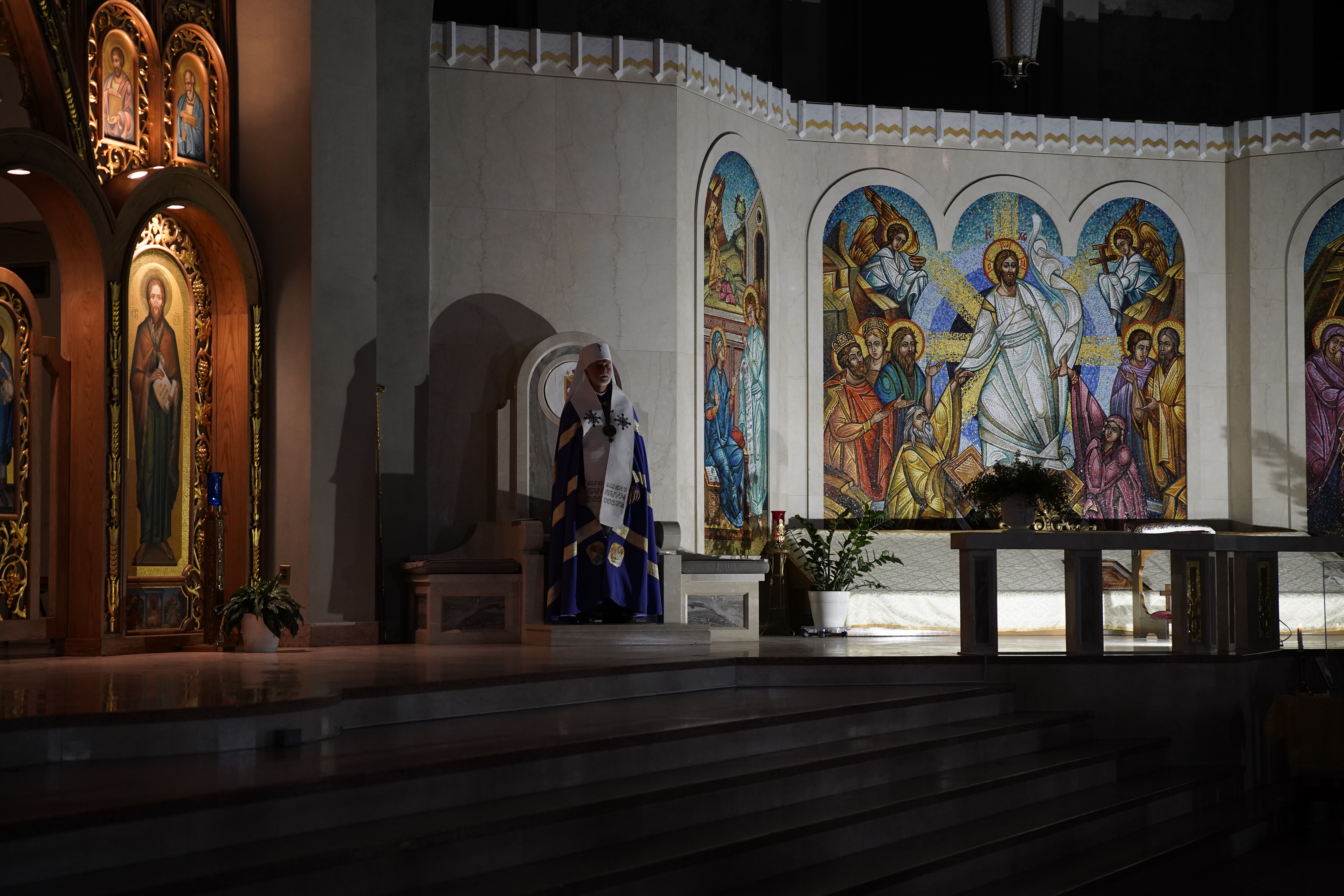
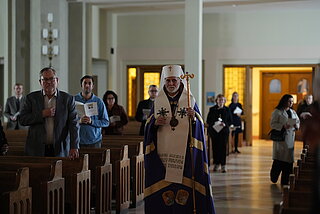
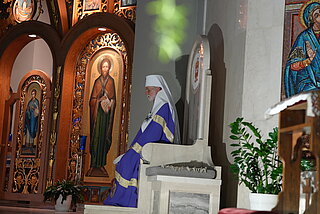
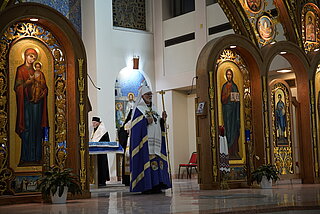
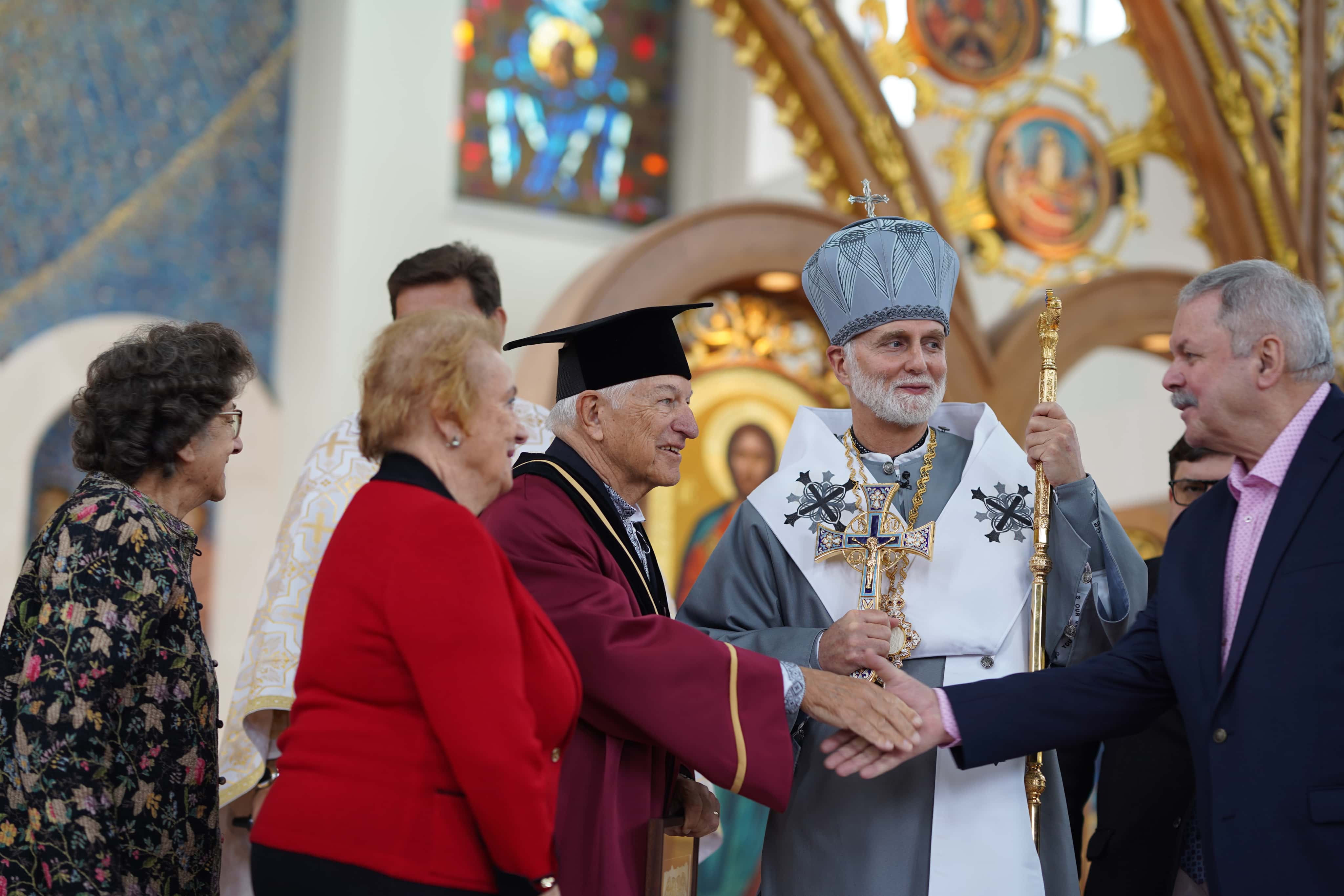
In his opening remarks, Metropolitan Borys Gudziak, Ukrainian Catholic Archbishop of Philadelphia, invited participants to entrust their mental health concerns and personal struggles to God.

"Today, in this prayer, we want to put our mental health, our mental struggles in the Lord's hands," he said, encouraging those gathered to approach these challenges with courage, hope and trust in God.

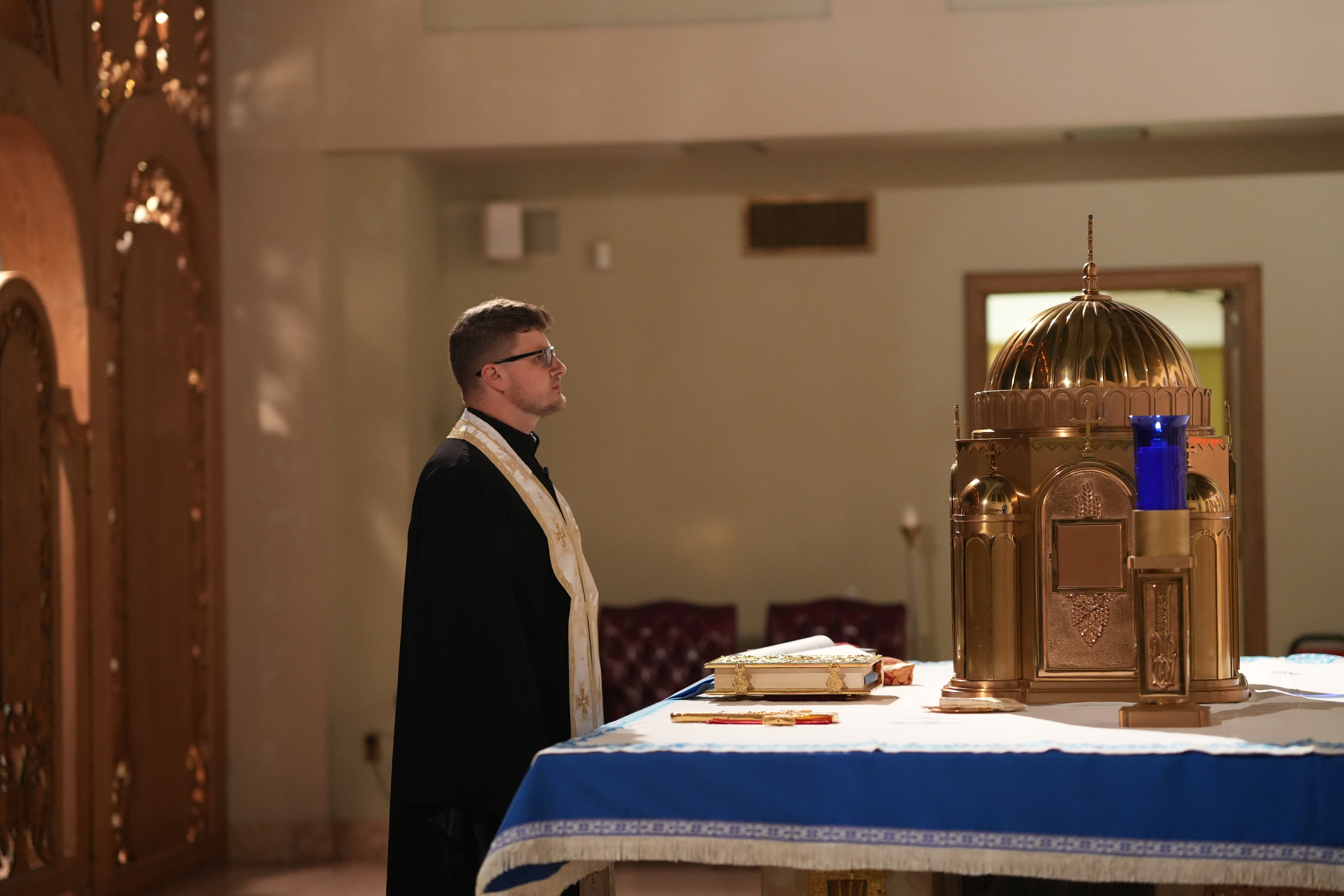
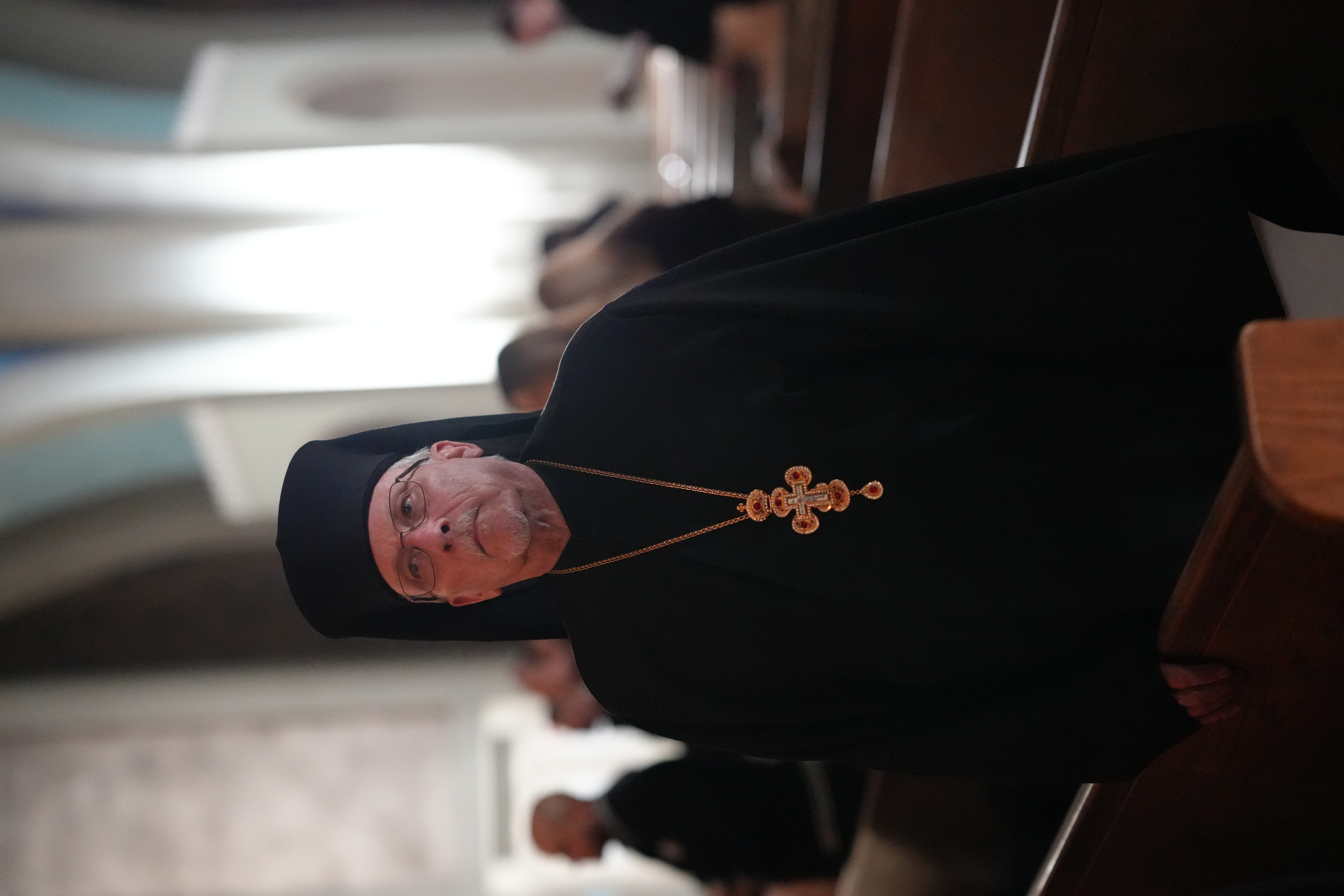
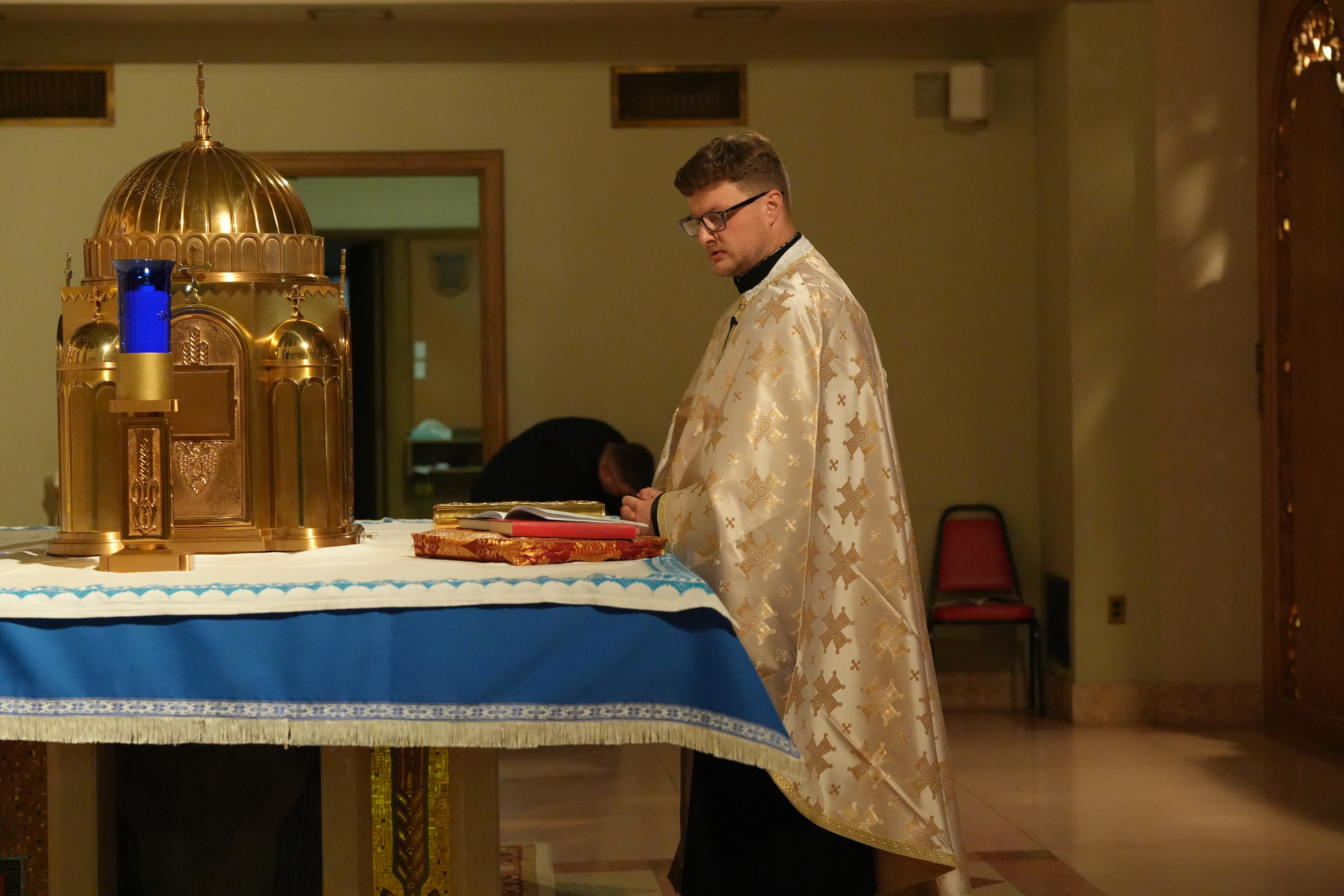
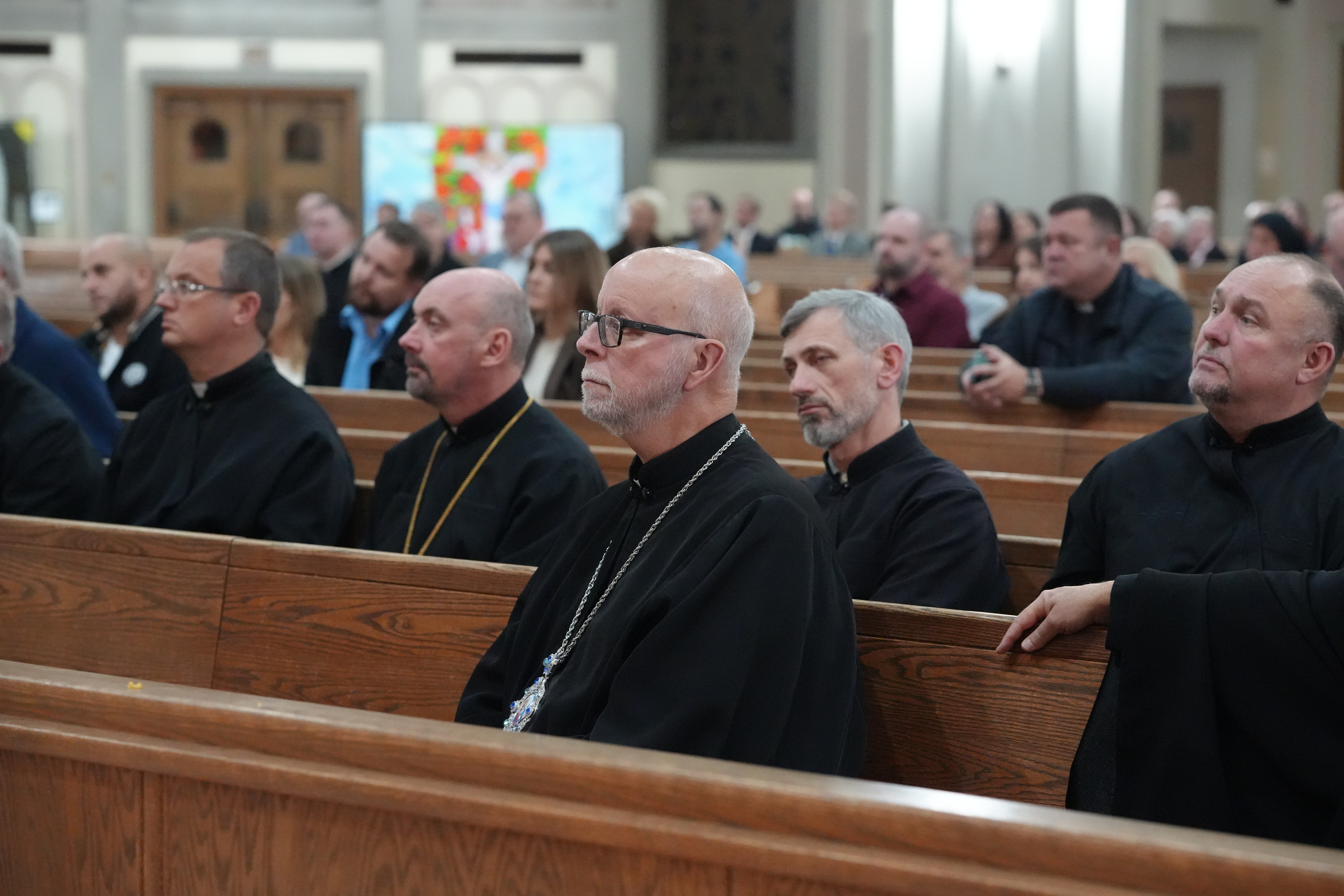
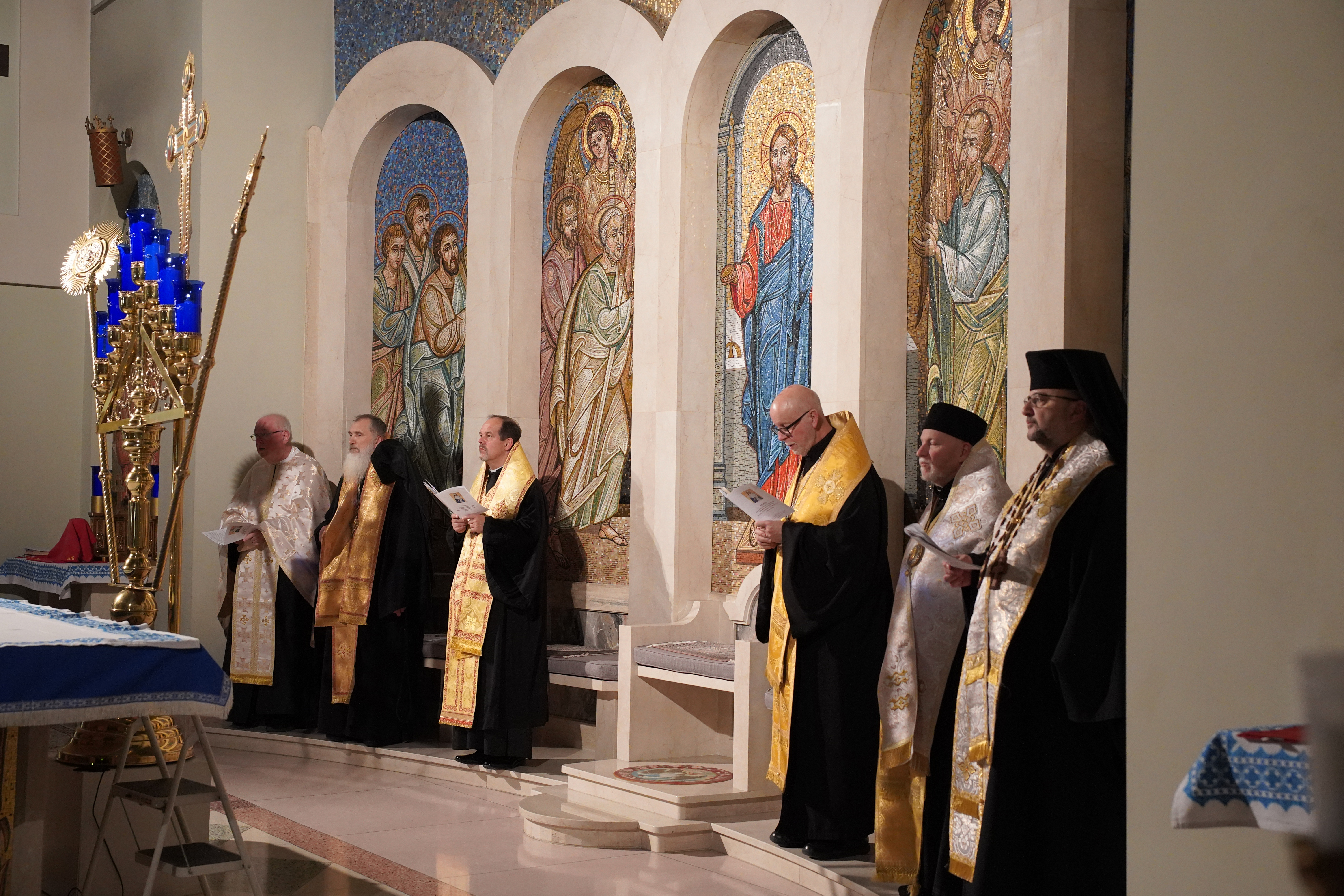
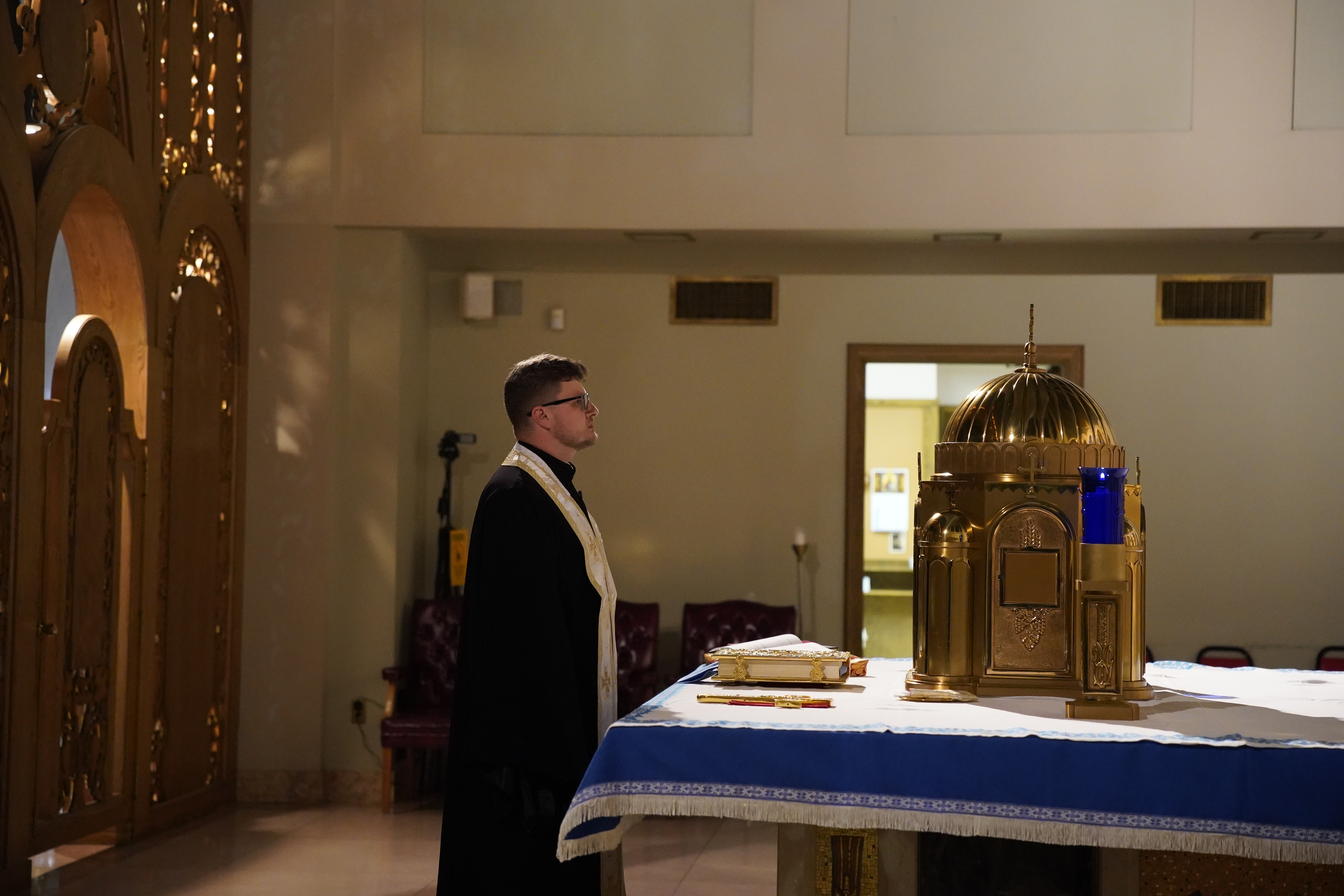
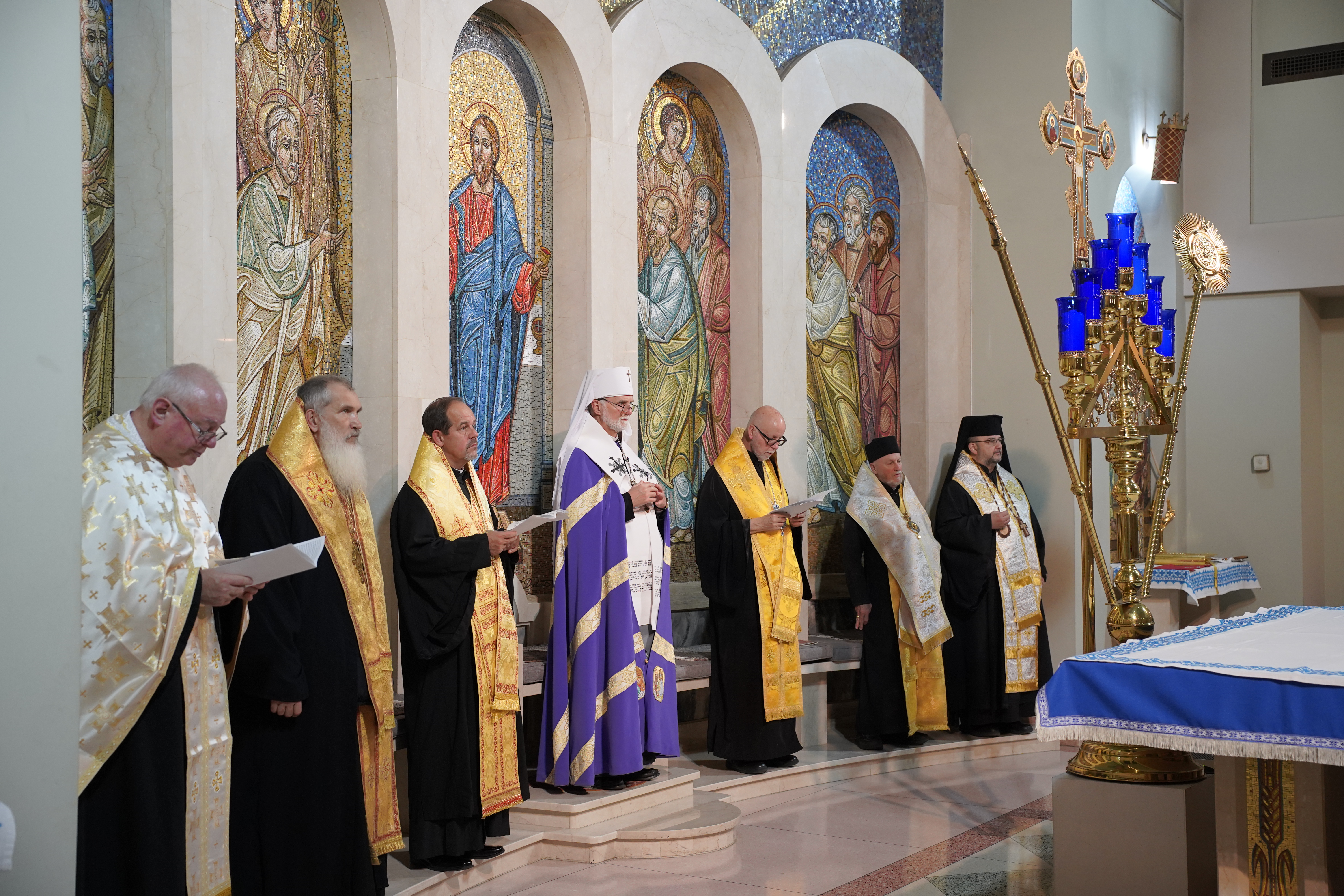
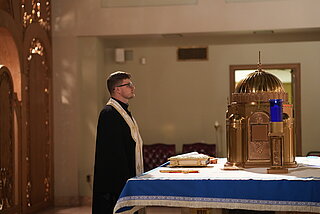
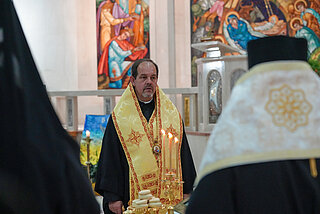
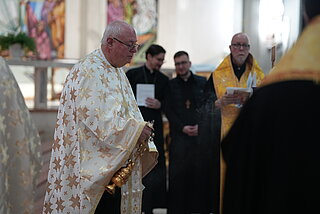
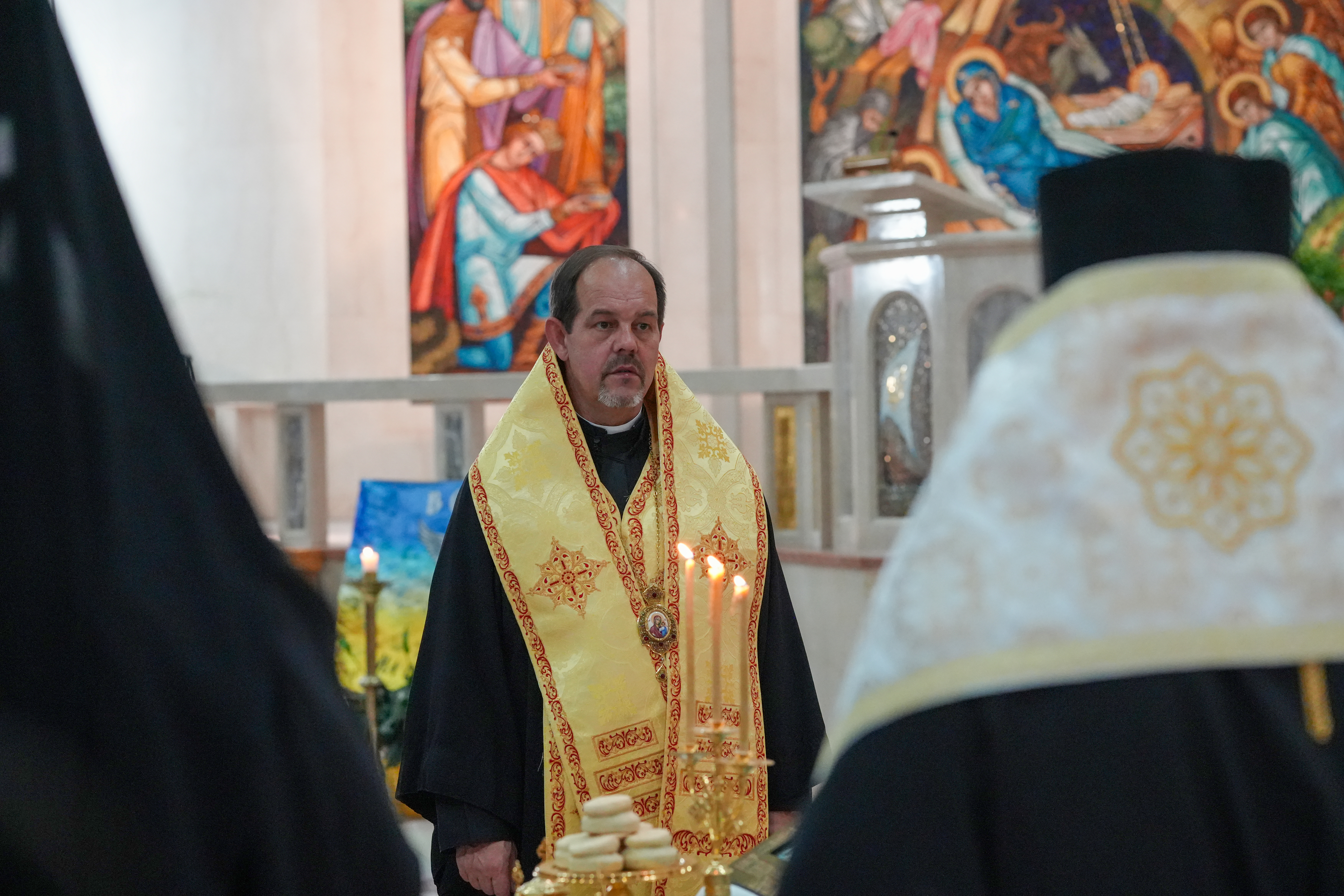
The evening continued with Great Vespers, presided over by Metropolitan Borys, with the participation of Bishop Paul Chomnycky, OSBM, Eparch of Stamford; Bishop Venedykt Aleksiychuk, Eparch of Saint Nicholas in Chicago; and Bishop Bohdan Danylo, Eparch of Saint Josaphat in Parma.

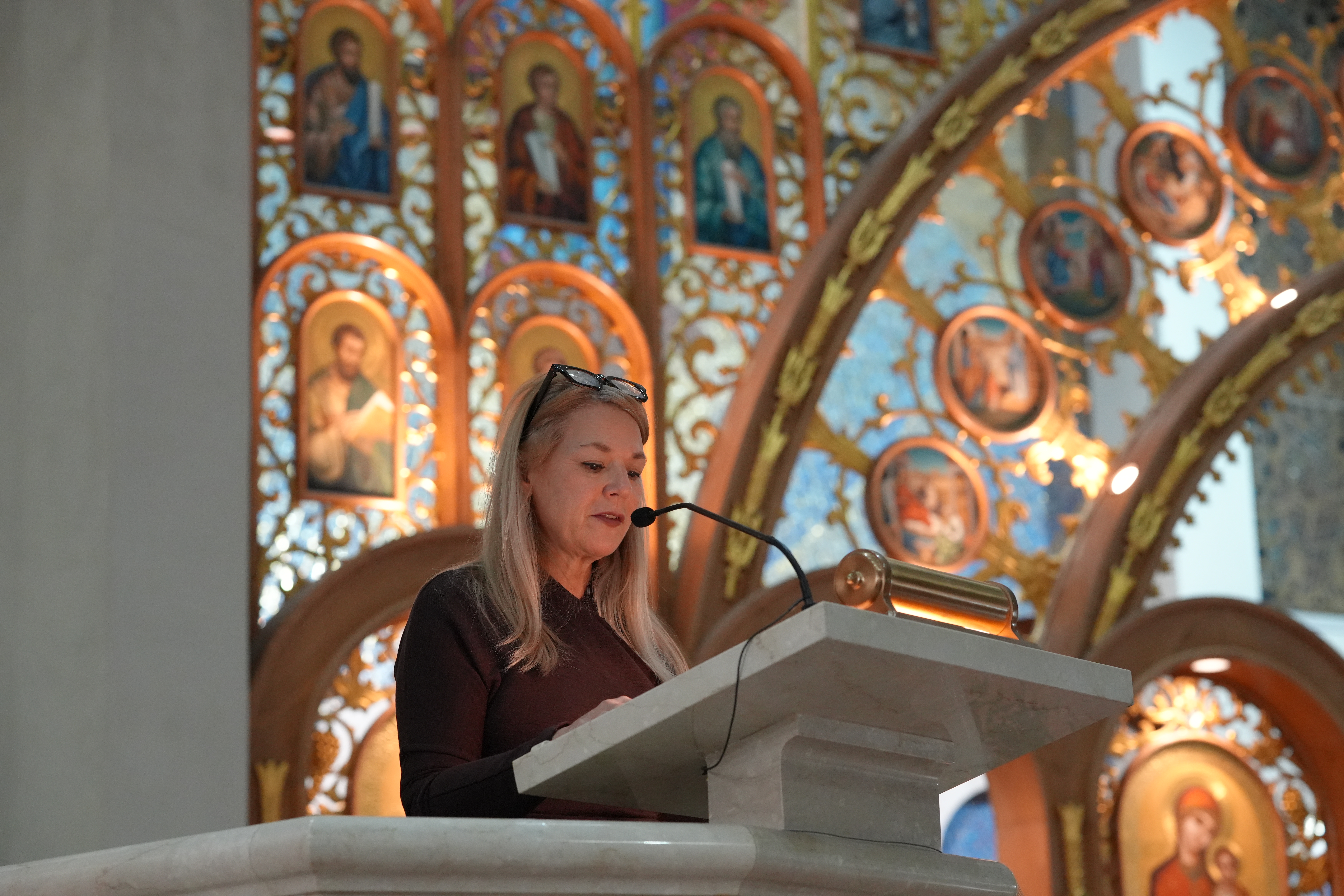
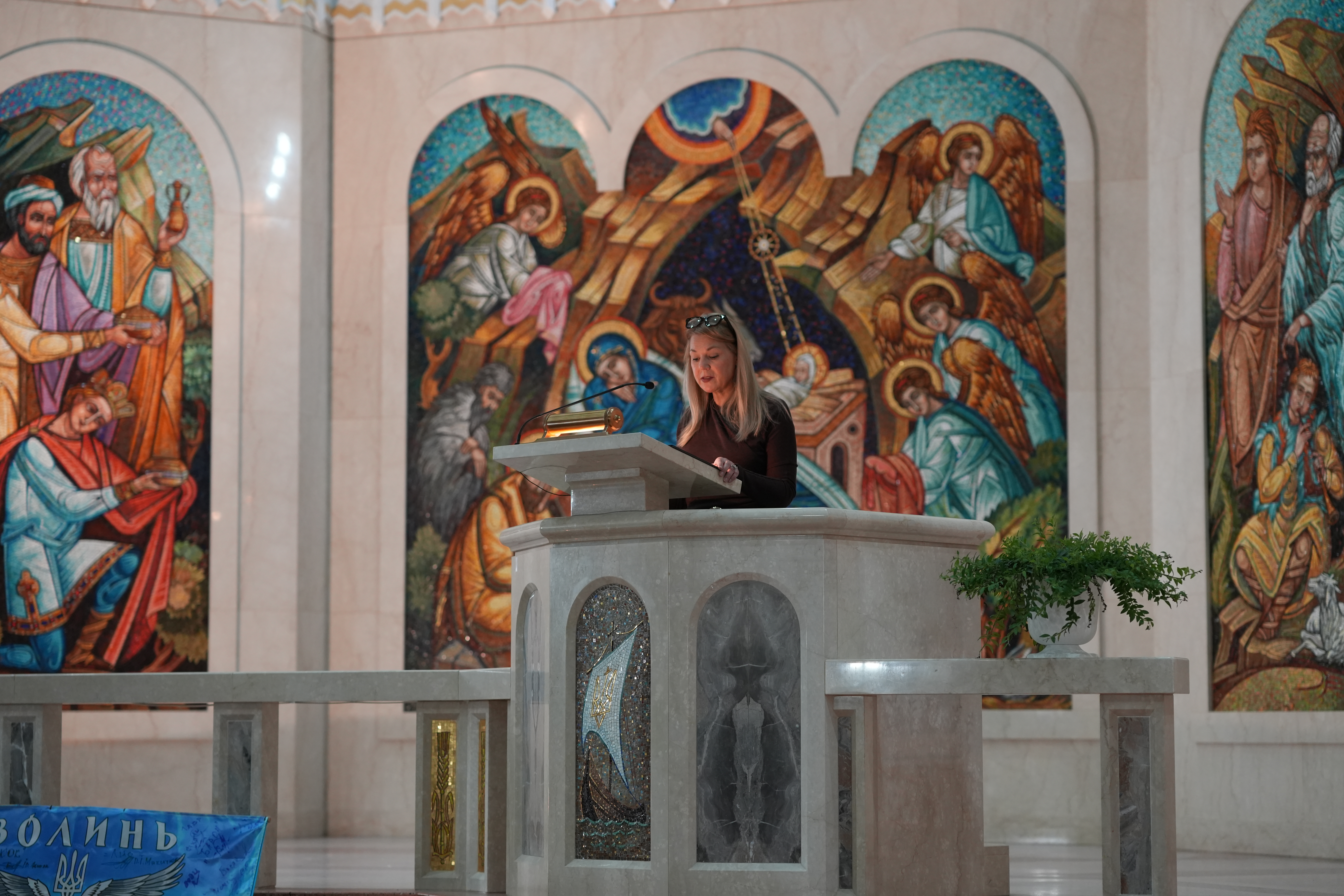
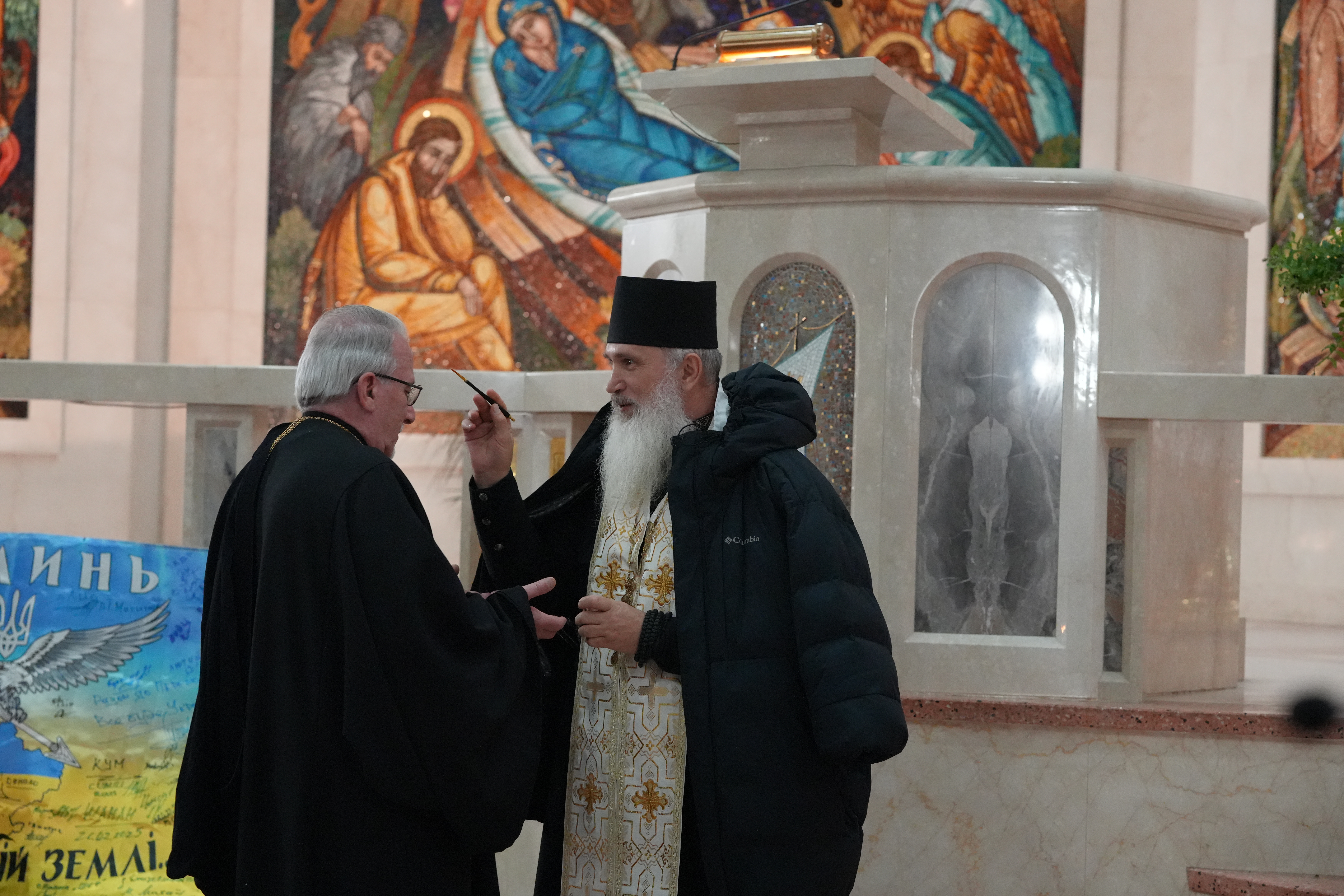
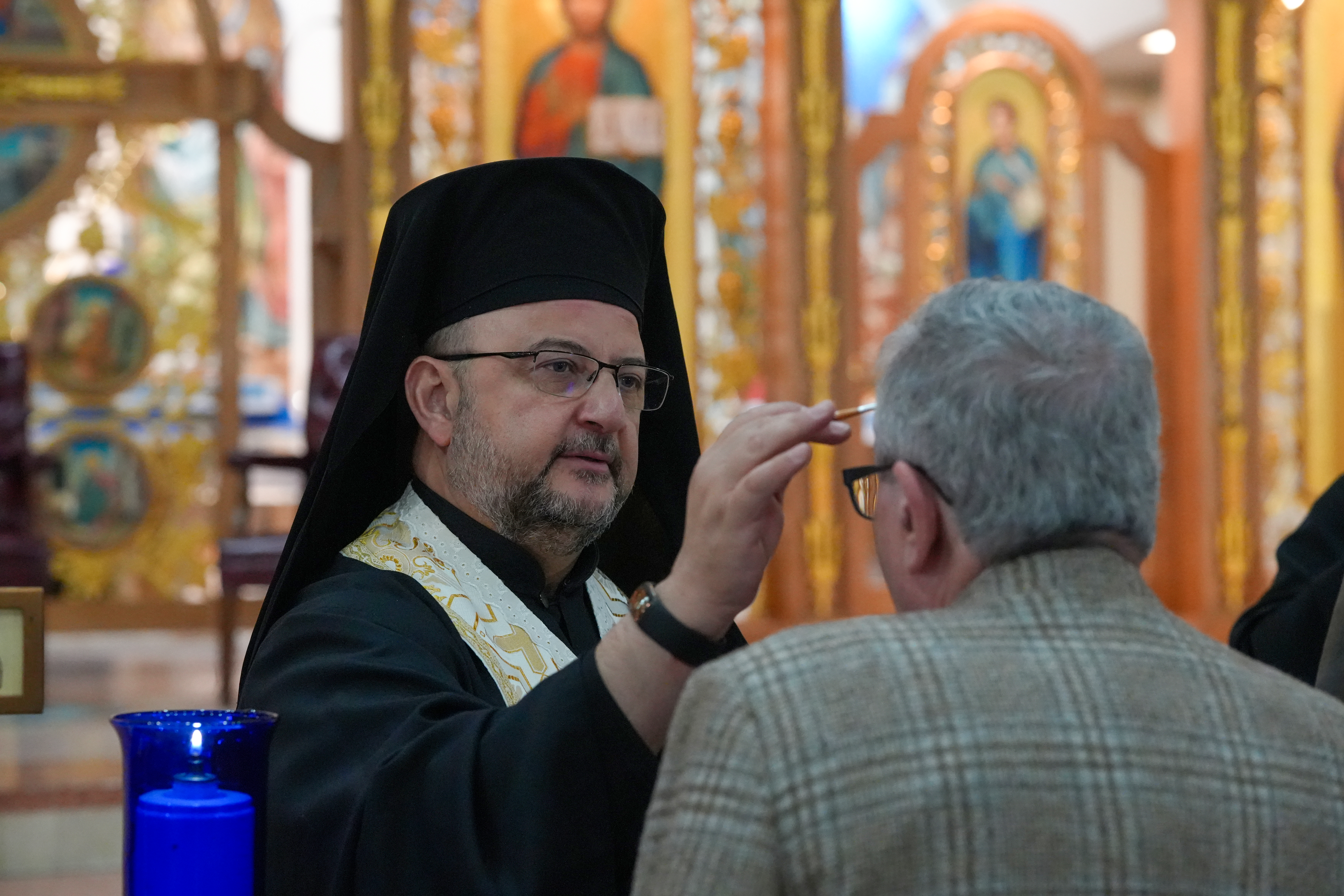
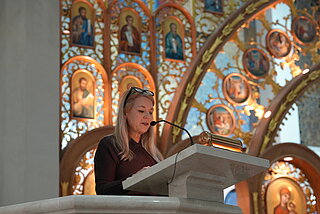
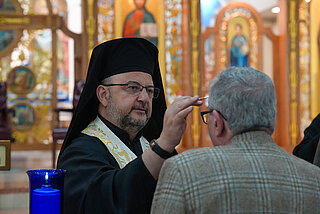
Following Vespers and an anointing, Metropolitan Borys introduced Ukrainian Catholic Charities USA, a charitable ministry established through the joint initiative of the four Ukrainian Catholic eparchies in the United States. He also introduced Andrea Kochan Neagle, its first Executive Director, highlighting her professional background in law and her previous leadership of Catholic Charities in Allentown.

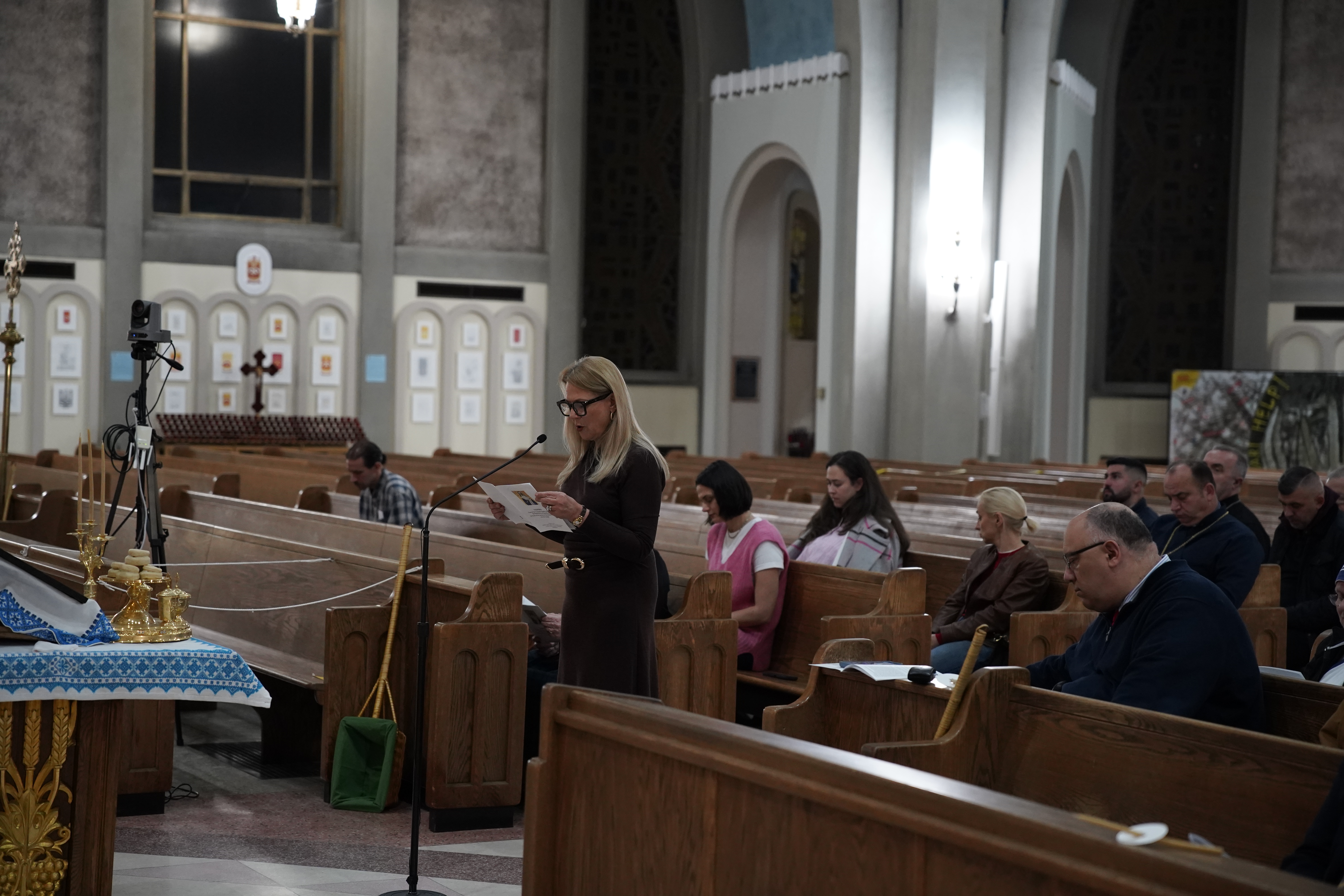
In her presentation, Neagle outlined the mission and initial priorities of Ukrainian Catholic Charities USA, which is affiliated with Catholic Charities USA and seeks to serve people in need regardless of their background. Although its initial work is centered in Philadelphia, the organization is being developed to serve communities across the country.

She described three areas of service: welcoming newcomers, feeding the hungry and supporting those experiencing mental health challenges.

The first priority focuses on helping newcomers navigate immigration concerns, employment authorization, housing, education and connections with local communities. The second builds on the work of the Good Samaritan Pantry, which provides food and essential supplies to individuals and families in need.

The third priority, mental health ministry, seeks to respond to anxiety, depression, grief, loneliness, addiction and the psychological consequences of war. Neagle emphasized the importance of creating welcoming environments where people can speak openly about their struggles and receive appropriate support.

"Too often, people suffer in silence, and some feel they cannot talk about these struggles in church, the very place where they should feel most welcome," she said.

The organization plans to develop opportunities for prayer, support and pastoral accompaniment, including training lay leaders to recognize emotional distress, listen compassionately and connect individuals with qualified mental health professionals when necessary.

Neagle also shared an experience from an August 2026 visit to a military rehabilitation hospital near Truskavets, Ukraine, where she witnessed schoolchildren visiting wounded soldiers recovering from serious injuries. The children spent time speaking with the soldiers, offering smiles, conversation and hugs.

Reflecting on the encounter, she emphasized that the children had not come to provide medical treatment or material assistance. Their presence itself was a meaningful expression of care.

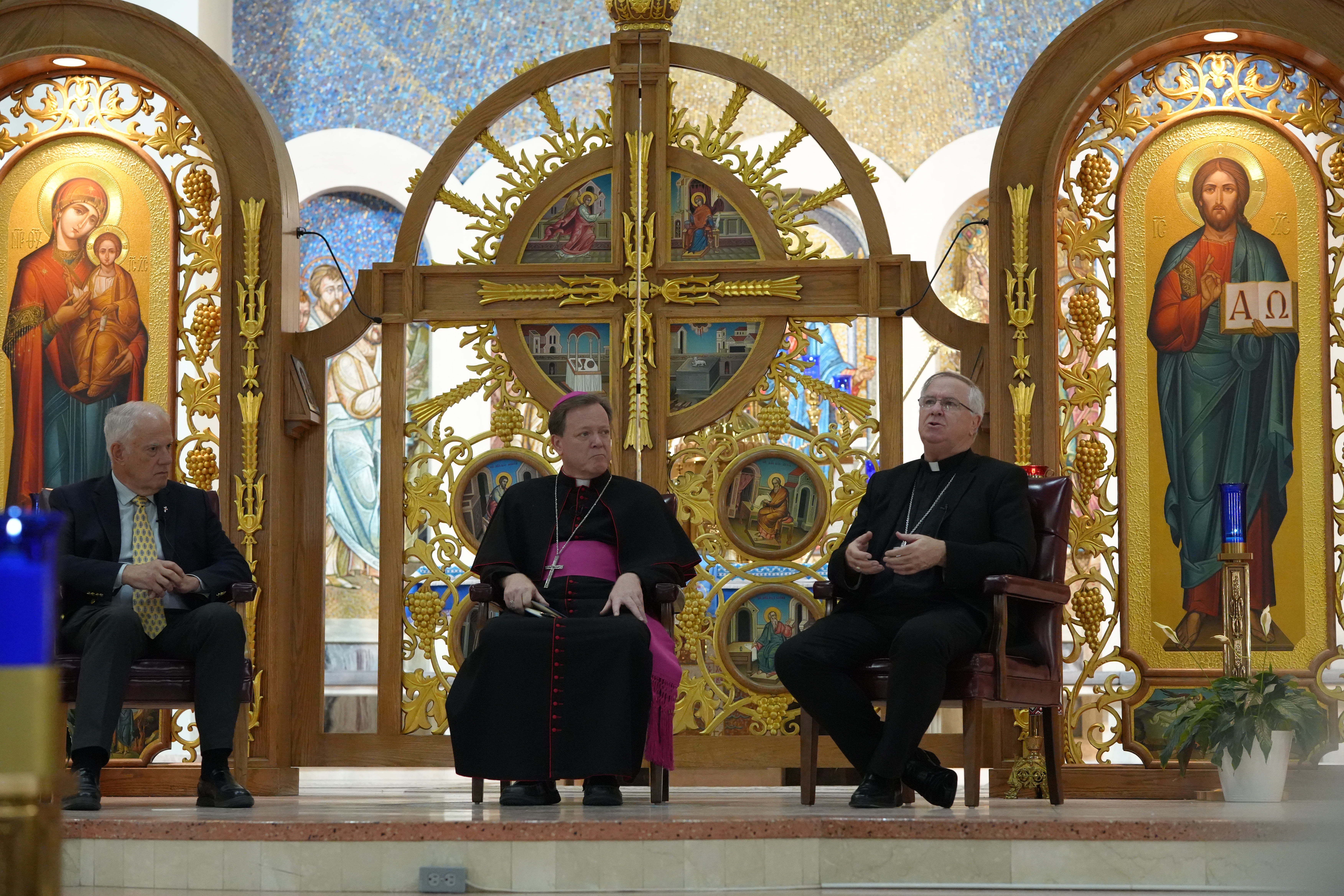
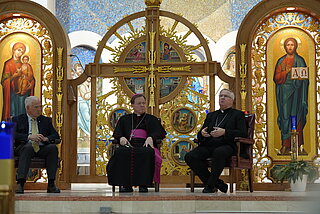
Following Neagle's presentation, Metropolitan Borys introduced the participants in the mental health roundtable.

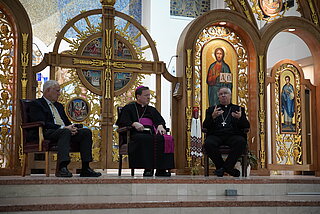
The roundtable was moderated by Bishop Keith J. Chylinski, Auxiliary Bishop of Philadelphia, who holds a master's degree in clinical psychology. Panelists included Bishop John P. Dolan, Bishop of Phoenix, and Deacon Ed Shoener, President and co-founder of the Association of Catholic Mental Health Ministers.

Bishop Dolan, who established an Office of Mental Health Ministry in the Diocese of Phoenix, reflected on the trauma experienced by Ukrainian communities, including the ongoing consequences of Russia's war against Ukraine and the lasting effects of historical suffering.

He expressed appreciation for the establishment of Ukrainian Catholic Charities USA, observing that despite the suffering experienced within their own communities, Ukrainian Catholics continue to respond to the needs of others.

Addressing the Church's role in mental health ministry, Bishop Dolan emphasized the distinction between pastoral accompaniment and professional mental health treatment.

"We don't diagnose, we don't treat, we don't prescribe. But we do accompany, and accompaniment is all about love," he said.

Drawing on his experience accompanying individuals facing mental health challenges, Bishop Dolan spoke about the importance of recognizing small signs of progress and helping people rediscover hope during difficult moments. He emphasized that the Church can offer encouragement and a consistent presence alongside those who struggle.

Deacon Shoener shared the personal experience that led him to become involved in mental health ministry. His daughter Katie, who lived with bipolar disorder, died by suicide in August 2016 at the age of 29.

Following her death, Shoener wrote an obituary emphasizing that Katie was not defined by her illness or the circumstances of her death, but remained a beloved child of God. The obituary reached thousands of people around the world, many of whom shared their own experiences and expressed a desire for greater understanding and support from the Church.

Reflecting on the response, Shoener said its central message was simple: "God loves you. We understand, and we want you to be part of this community."

He expressed his hope that Catholic parishes would become places where people experiencing mental health challenges could turn for compassion, understanding and support.

Shoener also emphasized the importance of recognizing early signs of emotional distress and responding with compassion. He encouraged parish communities to reach out to individuals experiencing loneliness, grief or other mental health challenges and, when necessary, help connect them with professional care. He noted that mental health ministry is not a substitute for therapy or counseling, but can provide essential support and encouragement.

In remarks following the discussion, Shoener also emphasized that mental illness is not an obstacle to holiness. Referring to the lives of saints who experienced mental health challenges, he encouraged people living with mental illness to recognize that their struggles do not prevent them from growing in faith or experiencing closeness to God.

Asked what message he would offer to people experiencing mental health challenges who may hesitate to seek help, Bishop Chylinski emphasized the importance of reaching out to others.

"God didn't create you to be alone. And he didn't create us to carry crosses alone," he said.

Bishop Chylinski explained that sharing personal struggles with someone trustworthy can help reduce feelings of fear and shame and remind individuals that they are not alone in their suffering.

"Don't be afraid. And if you take that courageous step to reach out, you will not regret it," he encouraged.

Reflecting on the evening's central message, Metropolitan Borys emphasized the importance of overcoming the stigma surrounding mental health challenges.

"We need to lower the taboo of discussing mental health. We need to name things," he said, explaining that recognizing and acknowledging mental health concerns is an essential step toward seeking help.

He encouraged individuals and families not to be ashamed of mental health difficulties, whether their own or those experienced by relatives, friends and members of their communities. He also emphasized the importance of professional assistance when needed, including psychological care, therapy and psychiatric treatment.

Metropolitan Borys called for greater openness, compassion and accompaniment, particularly toward those experiencing loneliness and isolation.

"God loves you. God loves each one of us. And we don't need to be ashamed of these frailties," he concluded.
Watch the recording of the livestream of "Placing Mental Health in the Lord's Hands: An Evening of Prayer and Reflection on Mental Health Ministry."

Related News

More News
Accepting the Call: Archeparchy Presents New Documentary on Vocations

#U.S.
#Archeparchy

Accepting the Call: Archeparchy Presents New Documentary on Vocations

Metropolitan Borys Gudziak Addresses U.S. Helsinki Commission Briefing on Education in Wartime Ukraine
#U.S.

#Ukraine

#Archeparchy

Metropolitan Borys Gudziak Addresses U.S. Helsinki Commission Briefing on Education in Wartime Ukraine

Plast USA Holds National Convention at Ukrainian Catholic Cathedral in Philadelphia

#U.S.

#Archeparchy

Plast USA Holds National Convention at Ukrainian Catholic Cathedral in Philadelphia

75th Birthday of Metropolitan Emeritus Stefan Soroka

#U.S.

#Archeparchy

#Parishes

75th Birthday of Metropolitan Emeritus Stefan Soroka